
Harold Bloom
Sterling Professor of Humanities at Yale
Harold Bloom was an American literary critic and the Sterling Professor of Humanities at Yale University. He authored over 40 books, including *The Anxiety of Influence* and *The Western Canon*, famously defending the aesthetic value of classic literature against modern critical schools. A MacArthur…
6 books authored
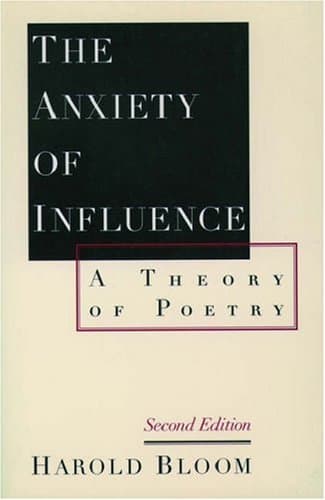
The Anxiety of Influence: A Theory of Poetry
A seminal work of literary theory that explores the psychological struggle between poets and their predecessors. Bloom argues that creativity is driven by 'misprision,' a process where artists intentionally misread previous works to establish their own originality. The theory applies Freudian concepts to literary history, defining the central tension of the creative process.
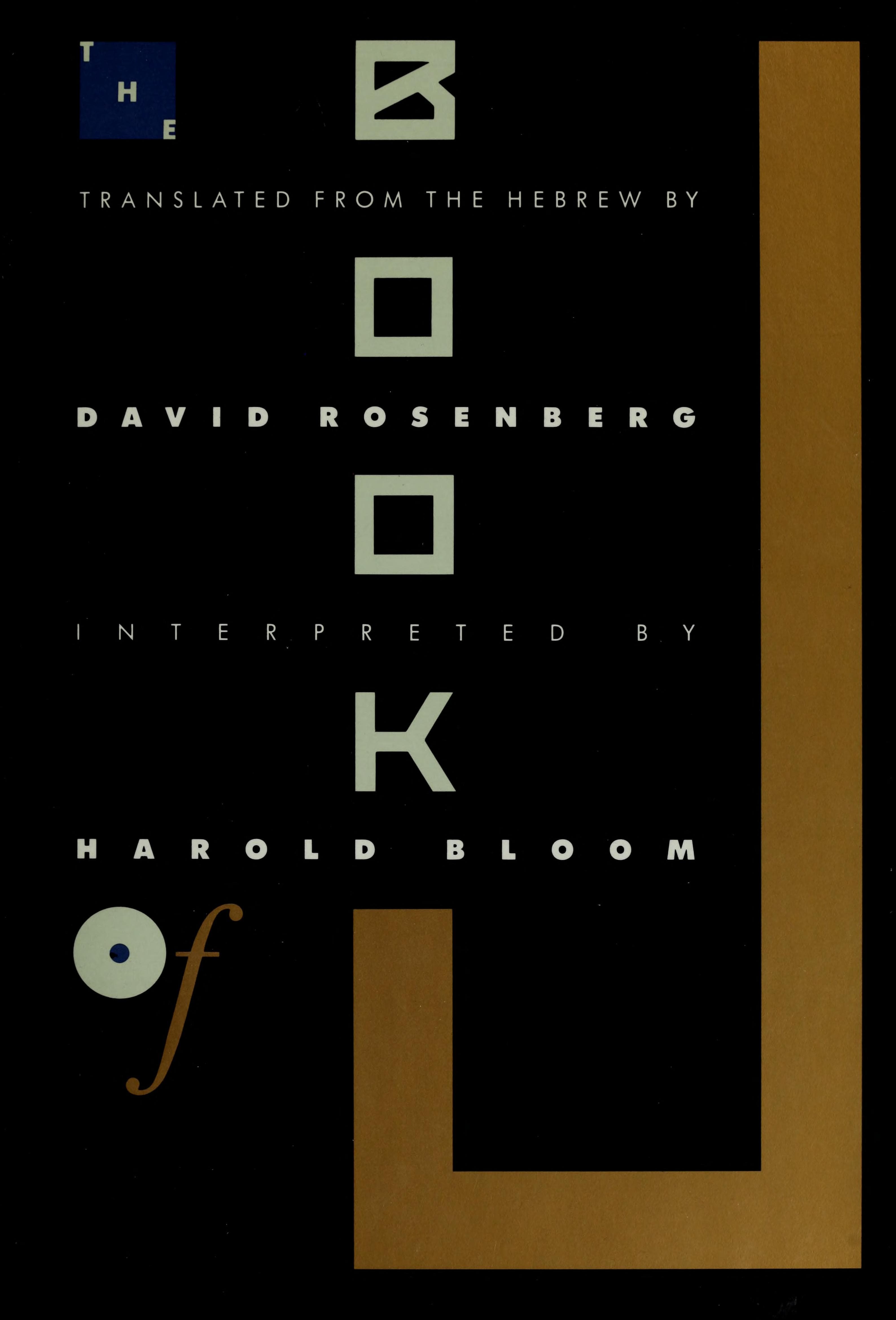
The Book of J
The oldest narrative layer of the Torah reconstructed and interpreted
Literary critic Harold Bloom and translator David Rosenberg present a reconstruction of the 'J' document, the oldest strand of the Hebrew Bible. Bloom offers a provocative interpretation, arguing that the author was a sophisticated woman in King Solomon's court and a writer of the same stature as Shakespeare or Homer.

The American Religion
The Emergence of the Post-Christian Nation
Harold Bloom examines the unique landscape of American spirituality, arguing that the nation's faith has evolved into a national form of gnosticism focused on the solitary self. He analyzes the origins and doctrines of various American-born denominations, including Mormonism and Southern Baptism, to define the essence of the country's religious imagination.
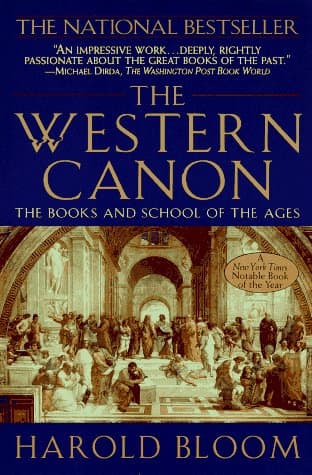
The Western Canon
The Books and School of the Ages
Harold Bloom defends the traditional Western canon by analyzing twenty-six central authors, placing William Shakespeare at the core of literary history. He argues that aesthetic value and original genius, rather than political agendas, define the works that survive through the ages. The book includes extensive appendices listing essential writers and texts across four historical eras.
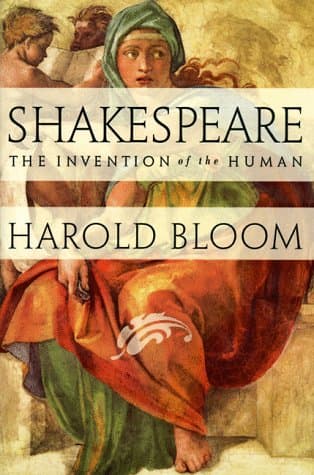
Shakespeare: The Invention of the Human
The Invention of the Human
Harold Bloom analyzes all thirty-eight of William Shakespeare's plays, arguing that the playwright fundamentally created the modern concept of human personality. The work explores the psychological depth of iconic characters like Hamlet and Falstaff, positing that their capacity for self-reflection shaped Western consciousness.
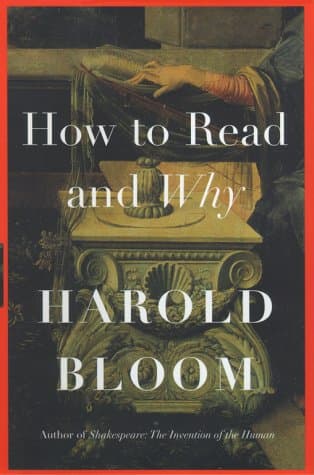
How to Read and Why
Bloom explores why deep reading of the Western canon is essential for personal development and self-understanding. He examines various literary forms including short stories, poems, plays, and novels to demonstrate how reading fosters aesthetic pleasure and alleviates solitude.