Read by Elon Musk, Richard Branson, Stephen Hawking and 2 others
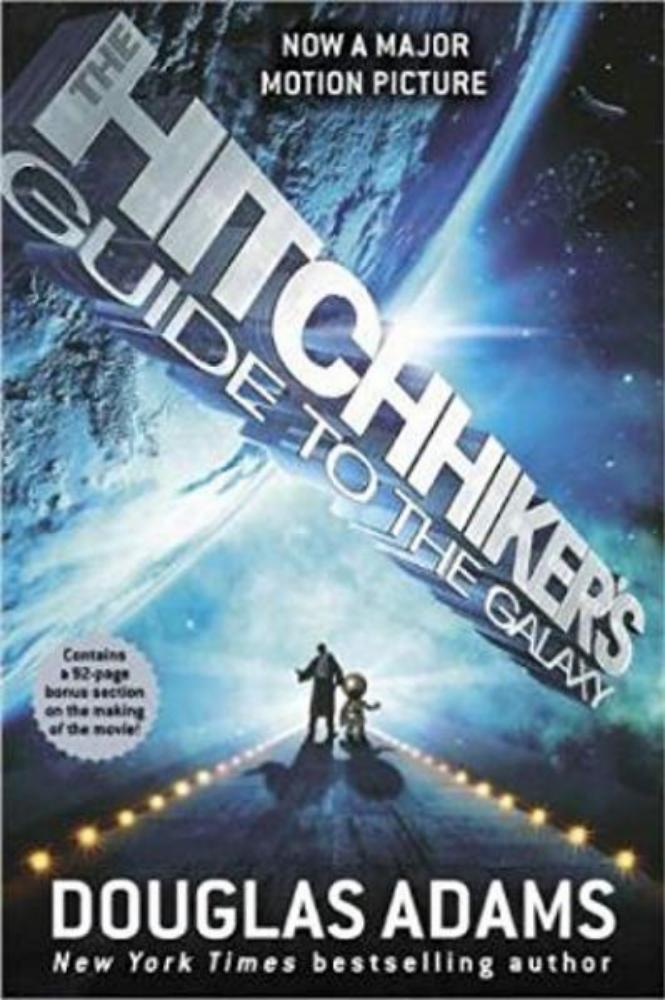
Elon Musk taught himself rocketry from books before founding SpaceX, and the reading he has flagged over the years, gathered here as 34 book recommendations, reflects that self-directed engineer's mind. The trail runs mostly through his posts on X, formerly Twitter, and interviews ranging from the Rolling Stone profile to the MIT AeroAstro symposium. The books cluster around philosophy, society and politics, science and technology, history, and science fiction. His most-cited touchstone is Douglas Adams's The Hitchhiker's Guide to the Galaxy, which Musk describes as "really sort of an existential philosophy book disguised as humor." That sits beside hard-engineering primers like J.E. Gordon's Structures: Or Why Things Don't Fall Down, which he calls "really, really good if you want a primer on structural design," Isaac Asimov's Foundation series, and Nick Bostrom's Superintelligence, which Musk warned is "potentially more dangerous than nukes."
Last updated January 2026 · Every recommendation cited to its original source.
Read by Elon Musk, Richard Branson, Stephen Hawking and 2 others
“I read Hitchhiker's Guide to the Galaxy and basically what Douglas Adams was saying is: we don't really know what the right questions are to ask... It is really sort of an existential philosophy book disguised as humor.”
— Elon Musk
Source: Interview with Alison van Diggelen
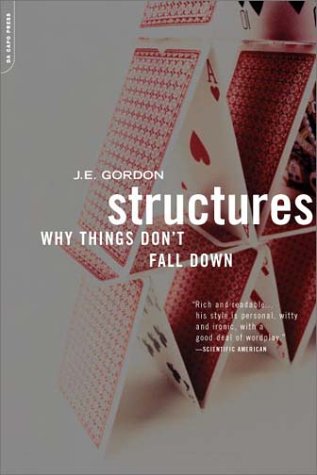
An Informal Explanation of the Basic Forces That Hold Together the Ordinary and Essential Things of This World
“There is a good book on structural design called Structures: Or Why Things Don't Fall Down. It is really, really good if you want a primer on structural design.”
— Elon Musk
Source: Interview with KCRW
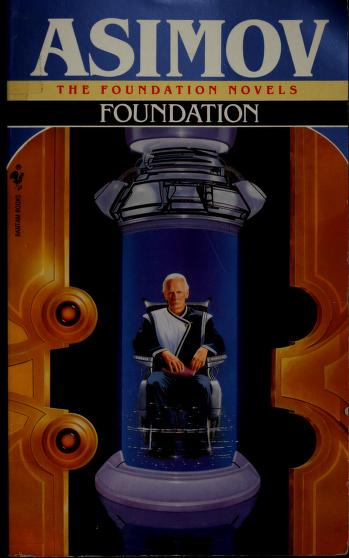
“In terms of sci-fi books, I think Isaac Asimov is really great. I like the Foundation series, probably one of the all-time best.”
— Elon Musk
Source: Rolling Stone Interview / Twitter
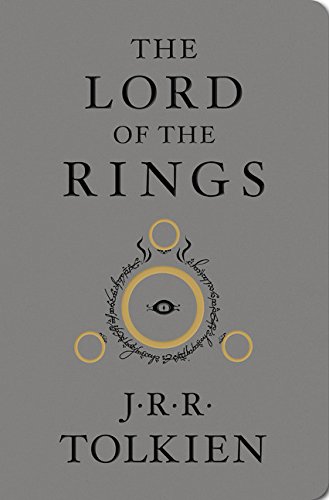
Read by Peter Thiel, Elon Musk, Reid Hoffman and 8 others
The Fellowship of the Ring / The Two Towers / The Return of the King
“The heroes of the books I read, 'The Lord of the Rings' and the 'Foundation' series, always felt a duty to save the world.”
— Elon Musk
Source: The New Yorker Profile
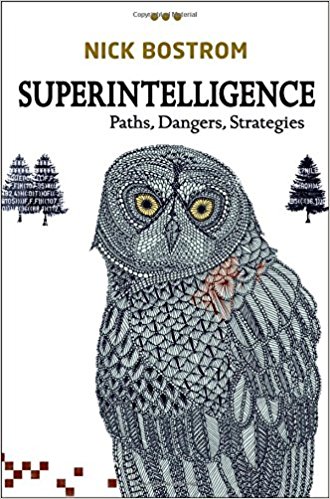
Read by Elon Musk, Sam Altman, Peter Thiel and 3 others
Paths, Dangers, Strategies
“Worth reading Superintelligence by Bostrom. We need to be super careful with AI. Potentially more dangerous than nukes.”
— Elon Musk
Source: Twitter
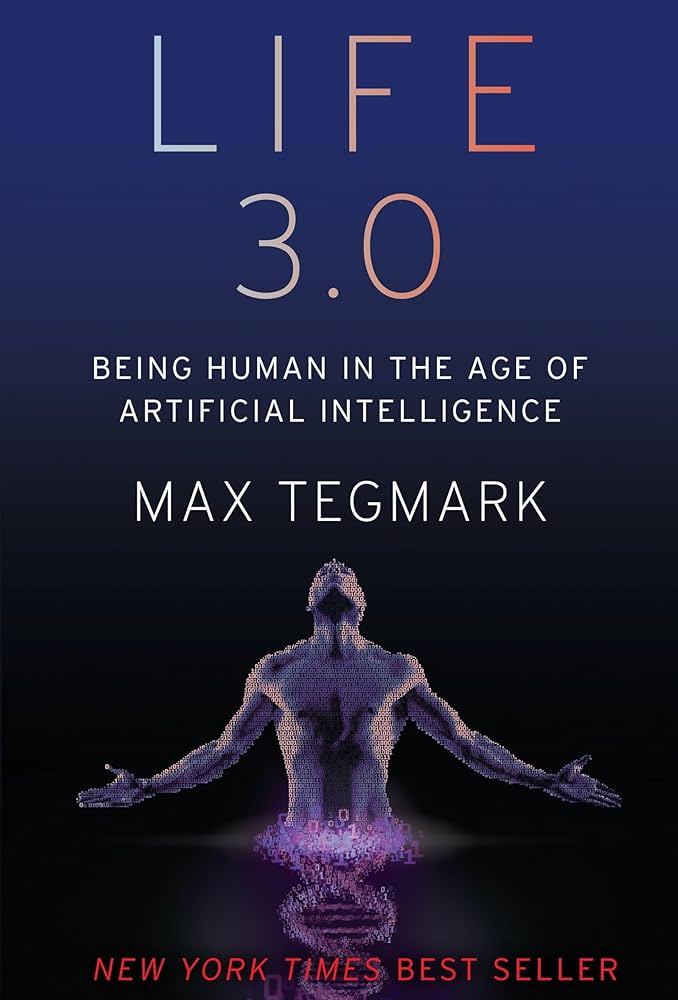
Being Human in the Age of Artificial Intelligence
“Worth reading Life 3.0 by @Tegmark. AI will be the best or worst thing ever for humanity, so let's get it right.”
— Elon Musk
Source: Twitter
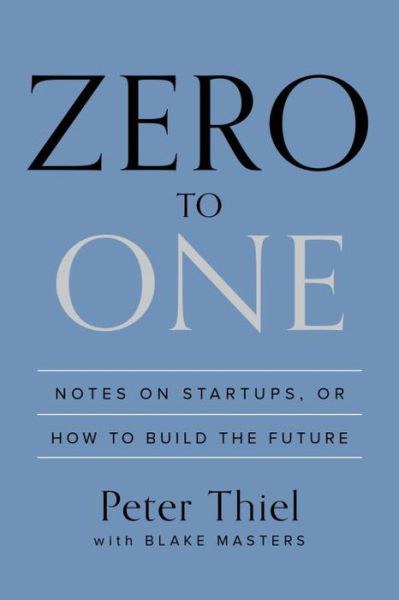
Read by Elon Musk, Sam Altman, Jensen Huang and 9 others
Notes on Startups, or How to Build the Future
“Peter Thiel has built multiple breakthrough companies, and Zero to One shows how.”
— Elon Musk
Source: Twitter
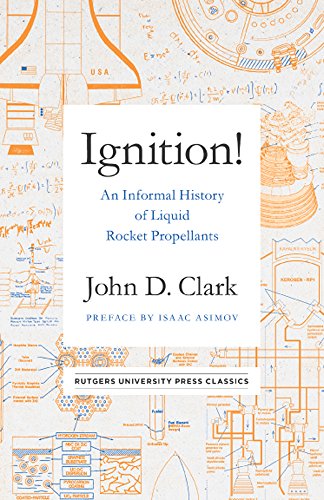
An Informal History of Liquid Rocket Propellants
“There is a good book on rocket stuff called 'Ignition!' by John Clark, that's a really fun one.”
— Elon Musk
Source: Interview / Twitter
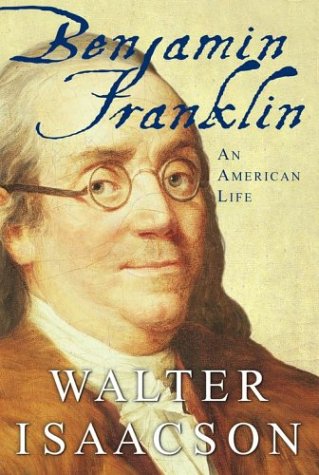
An American Life
“I really liked his [Isaacson's] biography of Benjamin Franklin who I would say is certainly one of my heroes.”
— Elon Musk
Source: Foundation Interview
Read by Charlie Munger, Elon Musk, Ray Dalio and 1 others
“I like biographies... I read Isaacson's biography of Einstein... which I thought was quite interesting.”
— Elon Musk
Source: Foundation Interview
Read by Elon Musk, Naval Ravikant, Sean Carroll and 1 others
“I think [The Moon is a Harsh Mistress] is Heinlein's best book, honestly.”
— Elon Musk
Source: MIT AeroAstro Symposium
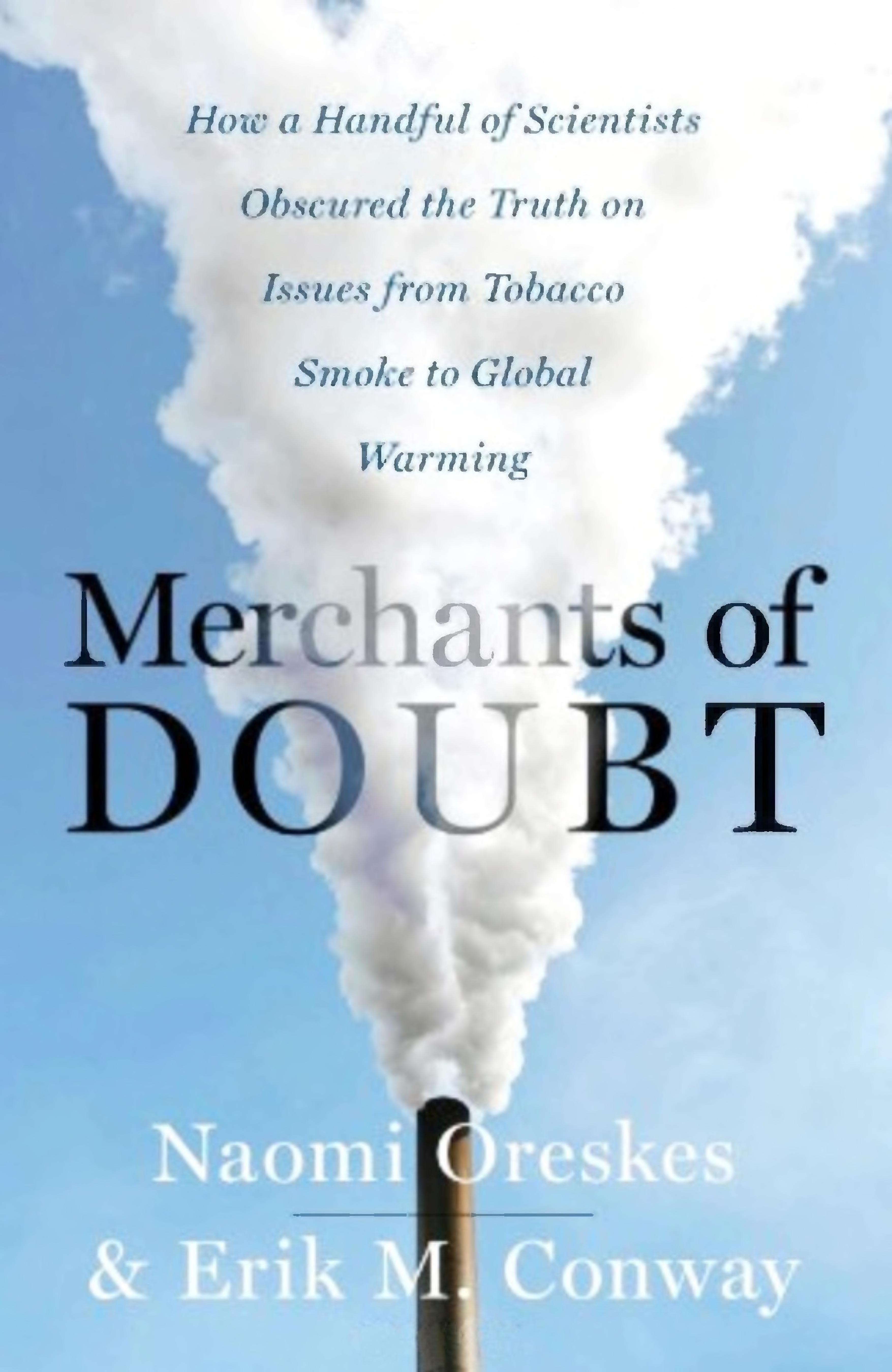
How a Handful of Scientists Obscured the Truth on Issues from Tobacco Smoke to Global Warming
“Worth reading Merchants of Doubt. Same who tried to deny smoking deaths are denying climate change.”
— Elon Musk
Source: Twitter
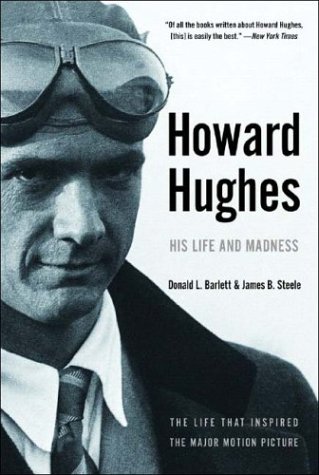
The life that inspired the major motion picture The Aviator
“I just finished reading a book on Howard Hughes... It's a cautionary tale.”
— Elon Musk
Source: CNN Interview
Read by Elon Musk, Naval Ravikant, Mark Zuckerberg and 1 others
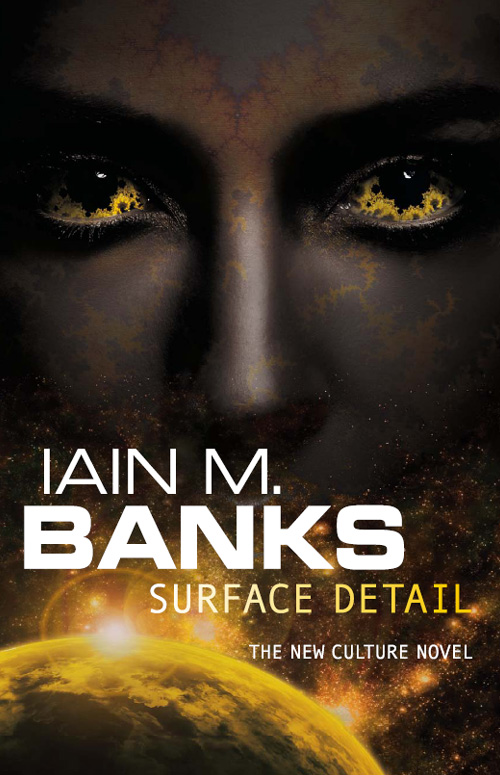
“Reading The Culture series by Banks... recommend reading Player of Games & Surface Detail first.”
— Elon Musk
Source: Twitter
“Recommend reading Player of Games & Surface Detail first. They are all great.”
— Elon Musk
Source: Twitter
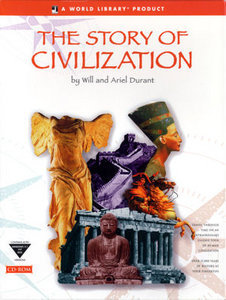
A History of Civilization in the West and Near East
“Some audiobook recommendations: The Story of Civilization by Durant... The first one on the list will take a while to get through, but is very much worthwhile.”
— Elon Musk
Source: Twitter
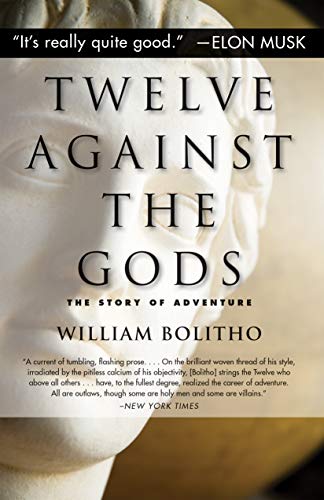
The Story of Adventure
“It's really quite good.”
— Elon Musk
Source: Twitter
Read by Elon Musk, Dan Carlin
From the Diary of a German Storm-Troop Officer on the Western Front
“Some audiobook recommendations: ... The Storm of Steel by Junger”
— Elon Musk
Source: Twitter
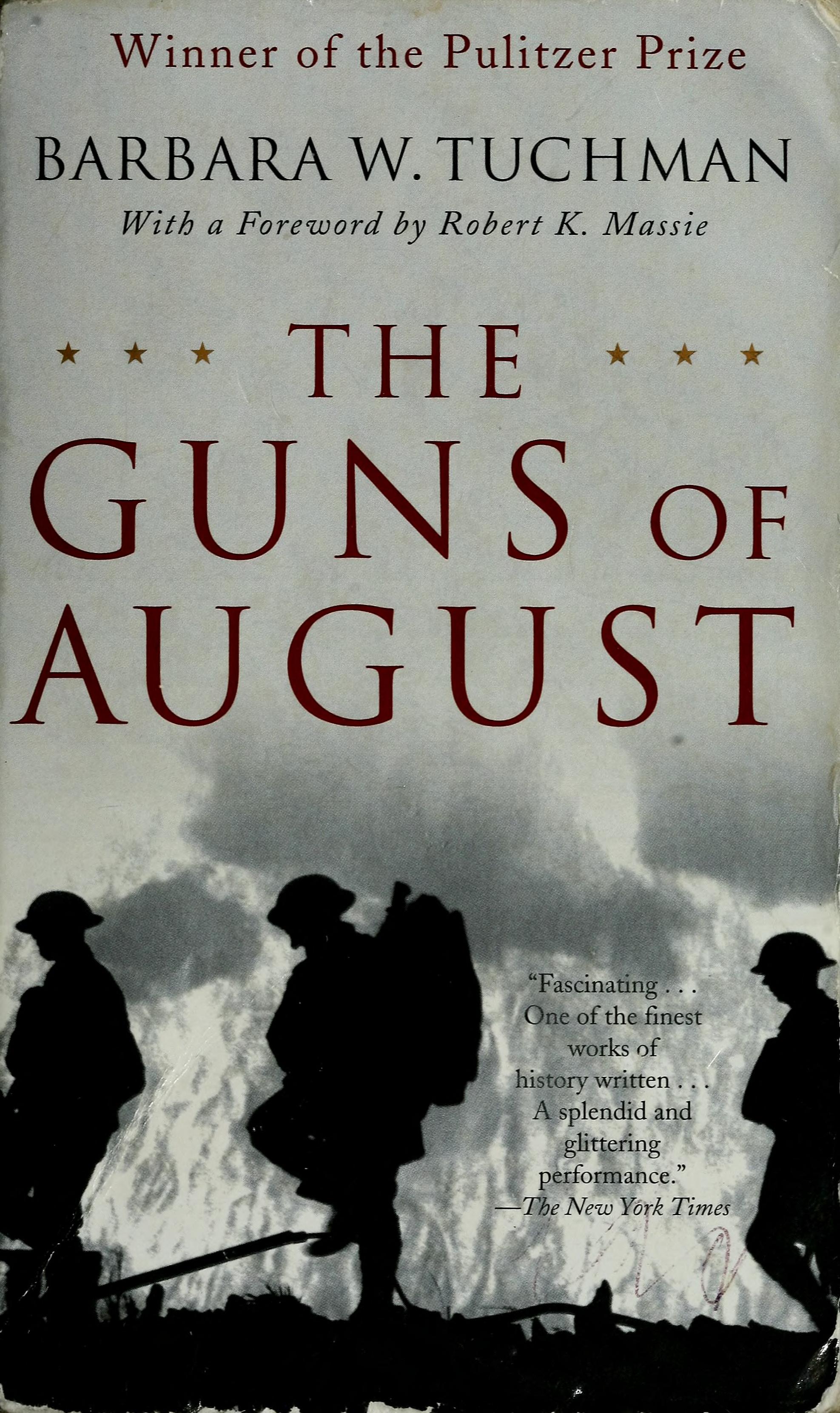
The Outbreak of World War I
“Some audiobook recommendations: ... The Guns of August by Tuchman”
— Elon Musk
Source: Twitter
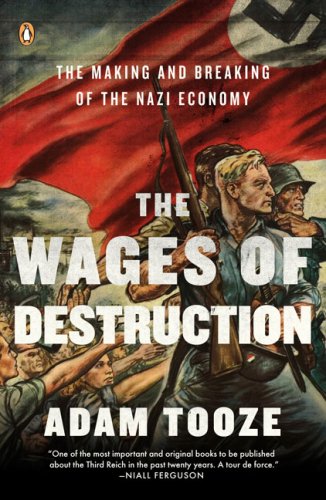
Read by Elon Musk, Dan Carlin
The Making and Breaking of the Nazi Economy
“Some audiobook recommendations: ... The Wages of Destruction by Tooze”
— Elon Musk
Source: Twitter
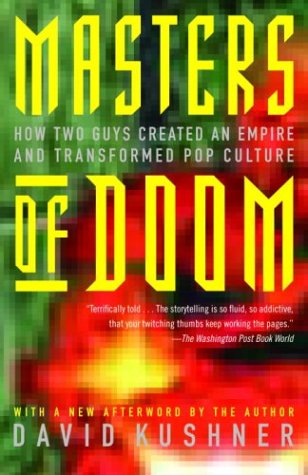
How Two Guys Created an Empire and Transformed Pop Culture
“Masters of Doom is a great book.”
— Elon Musk
Source: Twitter
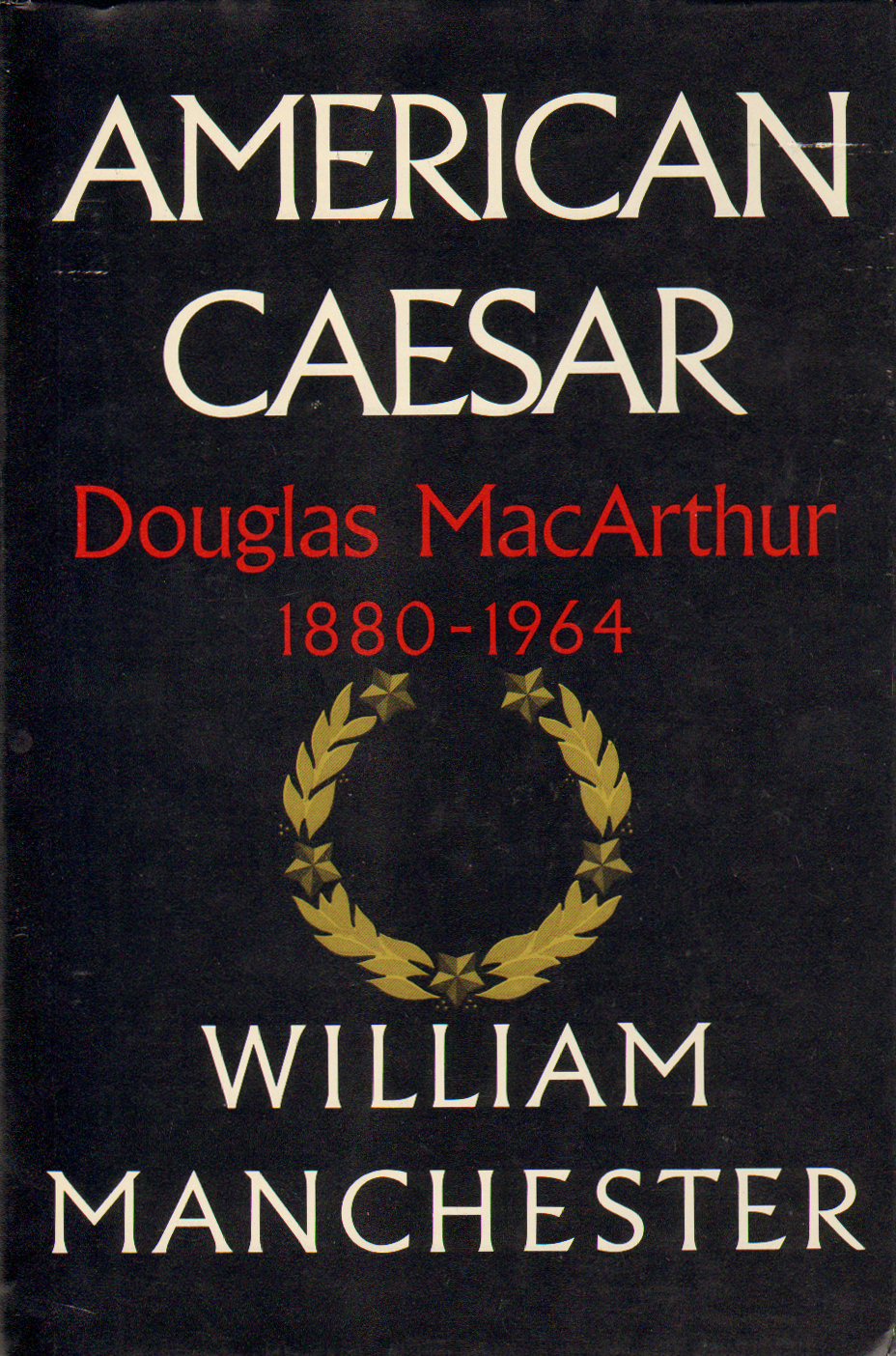
Douglas MacArthur 1880–1964
“Some audiobook recommendations: ... American Caesar by Manchester”
— Elon Musk
Source: Twitter
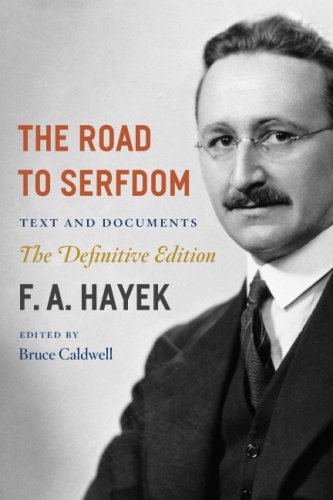
Read by Elon Musk, Javier Milei, Charlie Kirk and 2 others
Text and Documents: The Definitive Edition
“Some audiobook recommendations: ... The Road to Serfdom by Hayek”
— Elon Musk
Source: Twitter
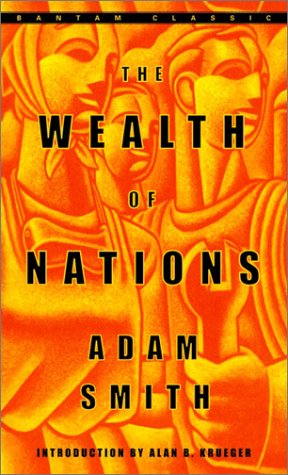
Read by Elon Musk, Neil deGrasse Tyson, Noam Chomsky and 1 others
An Inquiry into the Nature and Causes of the Wealth of Nations
“Adam Smith FTW obv.”
— Elon Musk
Source: Twitter
Also recommends books in
Among his 34 recommendations are The Hitchhiker's Guide to the Galaxy by Douglas Adams, Foundation by Isaac Asimov, Structures: Or Why Things Don't Fall Down by J.E. Gordon, Superintelligence by Nick Bostrom, and Ignition! by John D. Clark.
He returns most often to The Hitchhiker's Guide to the Galaxy by Douglas Adams, which he calls "really sort of an existential philosophy book disguised as humor." He has also singled out The Moon Is a Harsh Mistress as "Heinlein's best book, honestly."
Most come from his posts on X, formerly Twitter, supplemented by interviews and talks including the Rolling Stone profile, a KCRW interview, The New Yorker profile, and the MIT AeroAstro symposium.
He has repeatedly flagged AI-risk titles, urging readers to read Superintelligence by Nick Bostrom, which he called "potentially more dangerous than nukes," along with Max Tegmark's Life 3.0 and James Barrat's Our Final Invention.
His recommendations gather around philosophy, society and politics, and science and technology, with a heavy strand of history and a deep affection for science fiction from Asimov, Heinlein, and Iain M. Banks.