Read by Steve Jobs, Richard Branson, Jordan Peterson and 11 others
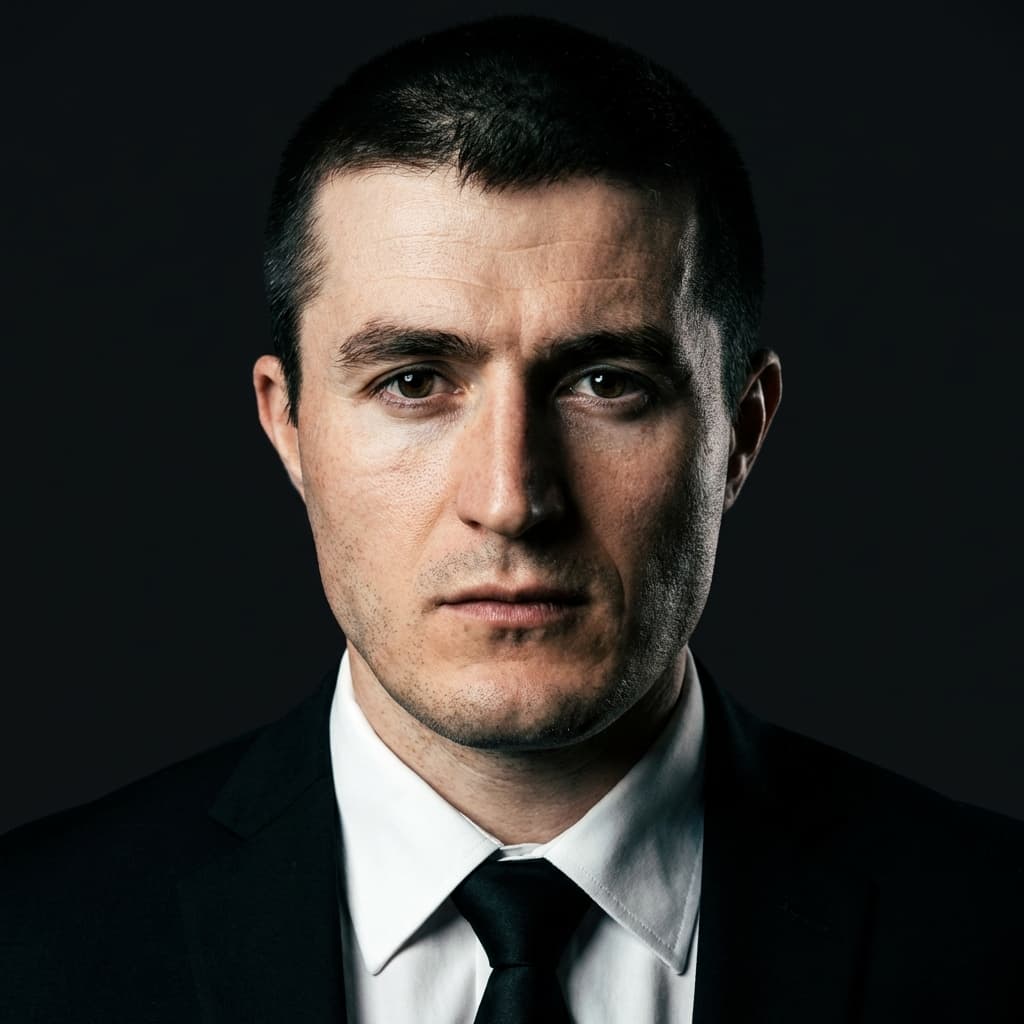
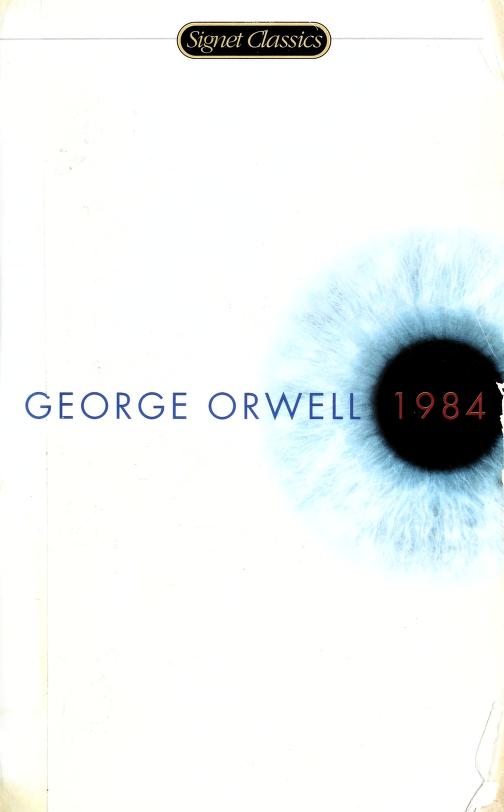
Mapping the reading life of an MIT research scientist who hosts long-form conversations about intelligence, consciousness, and the human condition, Lex Fridman's book recommendations gather 15 titles surfaced across the Lex Fridman Podcast, his published reading lists, AMAs, and YouTube remarks, and they lean heavily toward philosophy and literary fiction, with recurring detours into psychology and science fiction. Dostoevsky looms large here, alongside Camus, Hesse, and Orwell. His single most personal pick is George Orwell's 1984, which he reframes away from politics entirely: to him, he says, it is a love story, and "a story of a human being striving to maintain his humanity in the face of a world that is trying to strip it away." The selection reads less like a syllabus than a portrait of a mind returning, again and again, to questions of meaning under pressure.
Last updated February 2026 · Every recommendation cited to its original source.
Read by Steve Jobs, Richard Branson, Jordan Peterson and 11 others
“This book has been branded as a political book, but to me, it's a love story. It's a story of a human being striving to maintain his humanity in the face of a world that is trying to strip it away.”
— Lex Fridman
Source: Lex Fridman Podcast #195
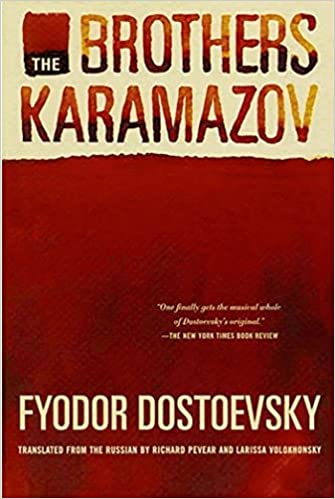
Read by Albert Einstein, Sigmund Freud, Jordan Peterson and 4 others
“Is there a case to be made that Brothers Karamazov is the greatest book ever written? ... These characters exist, and I have almost kind of conversations with them.”
— Lex Fridman
Source: Lex Fridman Podcast #315
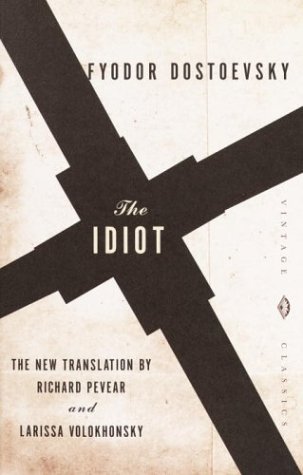
“For the longest time, The Idiot was my favorite book of all... It's the lightest book of Dostoevsky.”
— Lex Fridman
Source: Lex Fridman Podcast #315
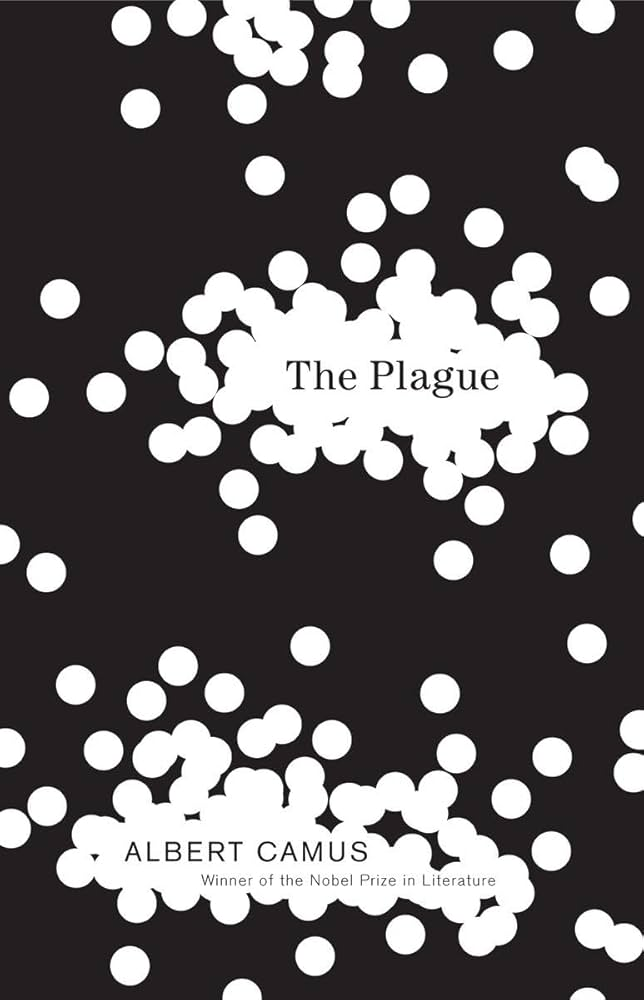
Read by Lex Fridman
“My favorite book now by Camus is probably The Plague.”
— Lex Fridman
Source: Lex Fridman YouTube
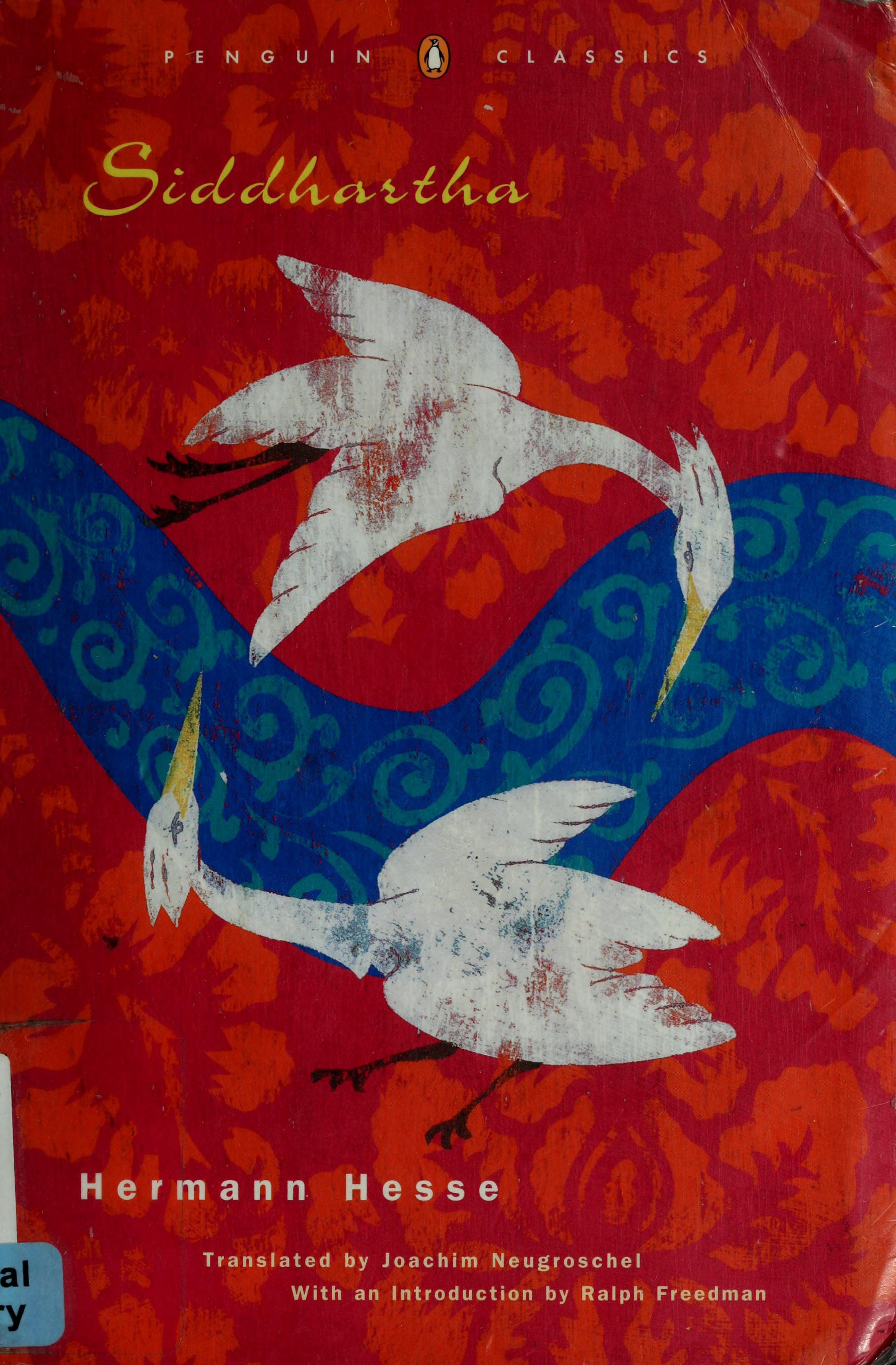
Read by Tim Ferriss, Naval Ravikant, Bryan Johnson and 7 others
An Indian Tale
“Siddhartha is one of the most beautiful books ever.”
— Lex Fridman
Source: Reddit / Lex Fridman
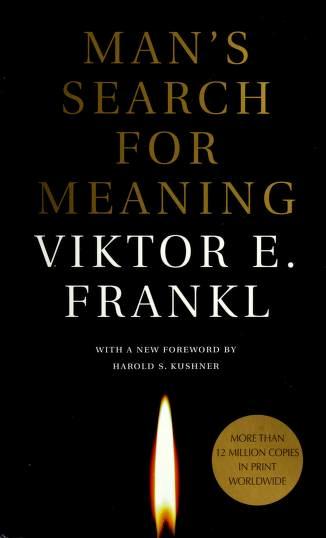
Read by Tim Ferriss, Charlie Munger, Sam Altman and 22 others
An Introduction to Logotherapy
“One of my favorite books.”
— Lex Fridman
Source: Lex Fridman Reading List
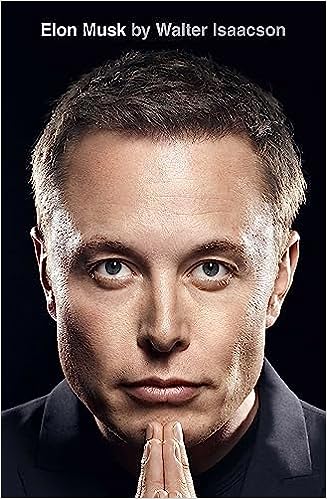
“I highly recommend people read his new book on Elon. ... It will inspire millions of young people.”
— Lex Fridman
Source: Lex Fridman Podcast #395
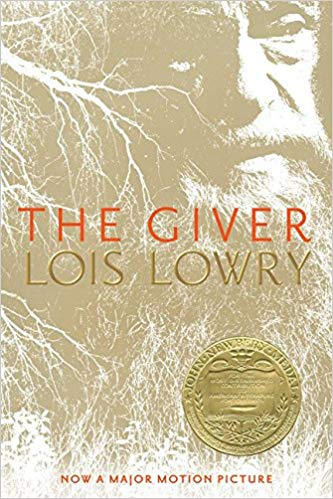
Read by Lex Fridman
“The first book I remember reading in English... helped me start thinking about this world.”
— Lex Fridman
Source: Lex Fridman AMA
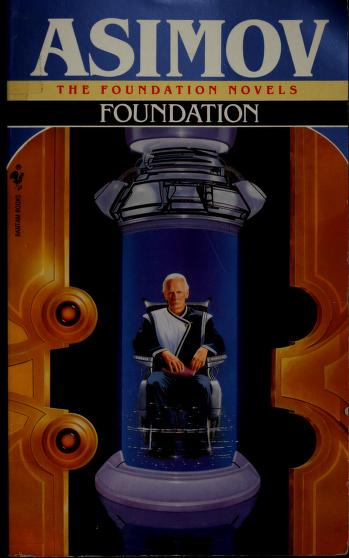
“I read the Foundation series... it influenced how I think about the potential impact that technology can have.”
— Lex Fridman
Source: Lex Fridman Reading List
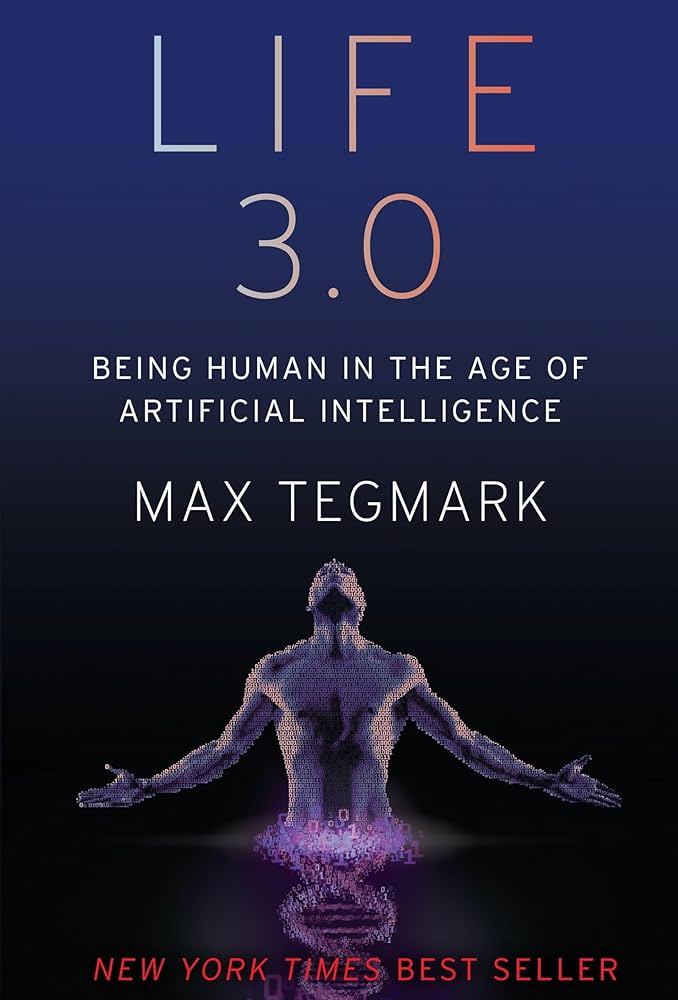
Being Human in the Age of Artificial Intelligence
“I highly recommend Life 3.0.”
— Lex Fridman
Source: Lex Fridman Podcast
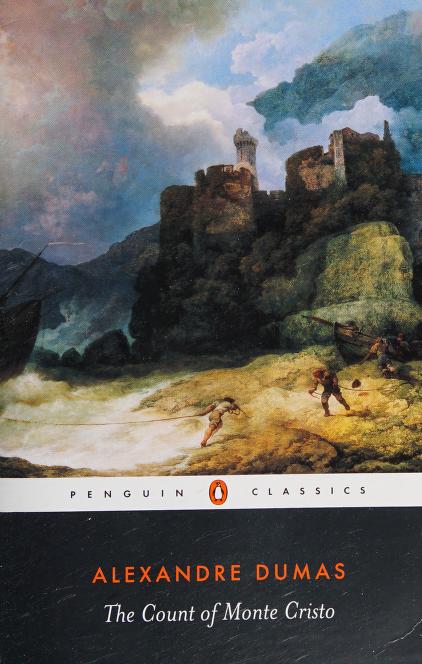
“Most epic book/story ever, srsly.”
— Lex Fridman
Source: Reddit / Lex Fridman
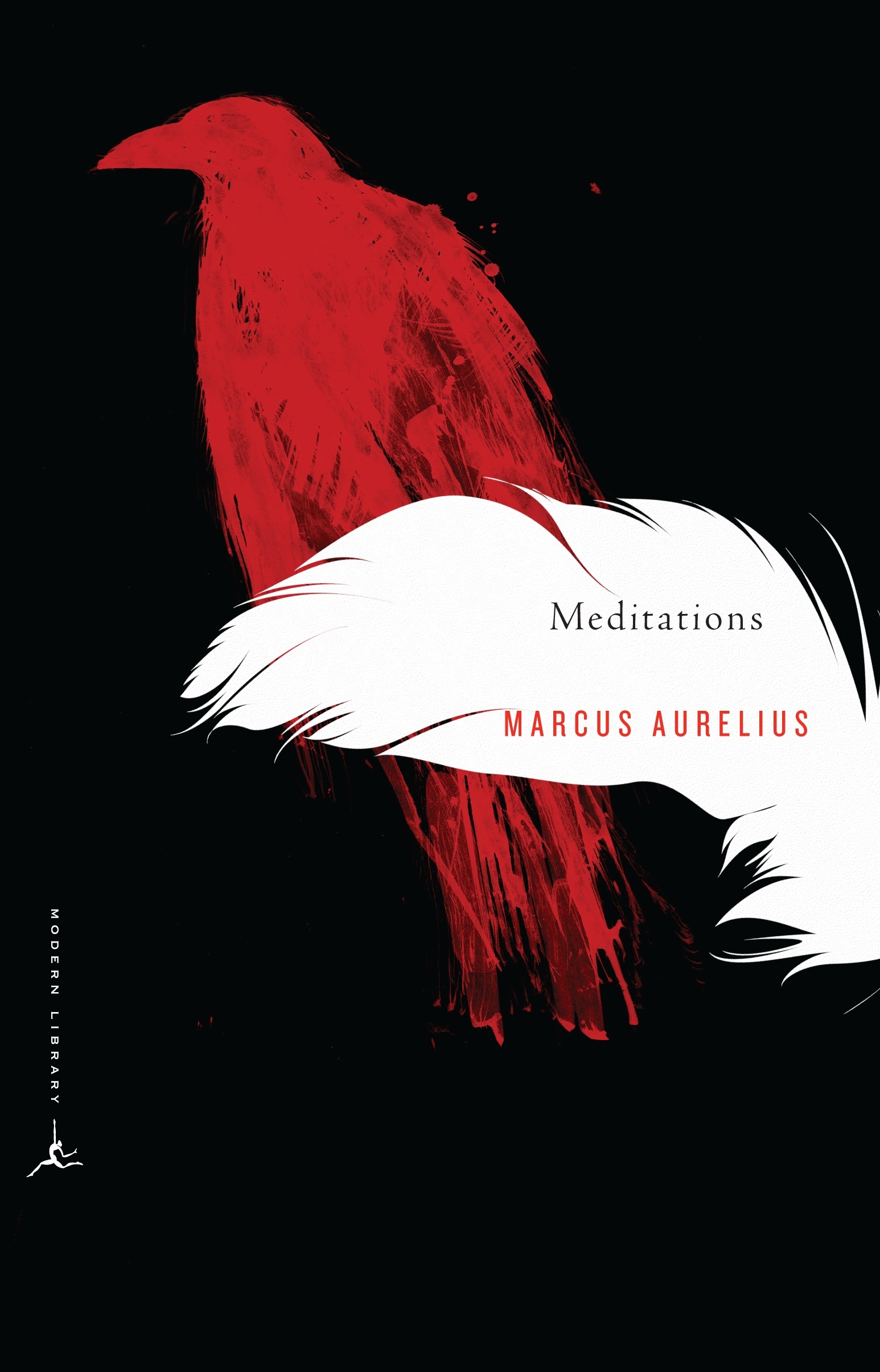
Read by Naval Ravikant, Arianna Huffington, Tobias Lütke and 12 others
A New Translation
“I read it often.”
— Lex Fridman
Source: Lex Fridman Reading List
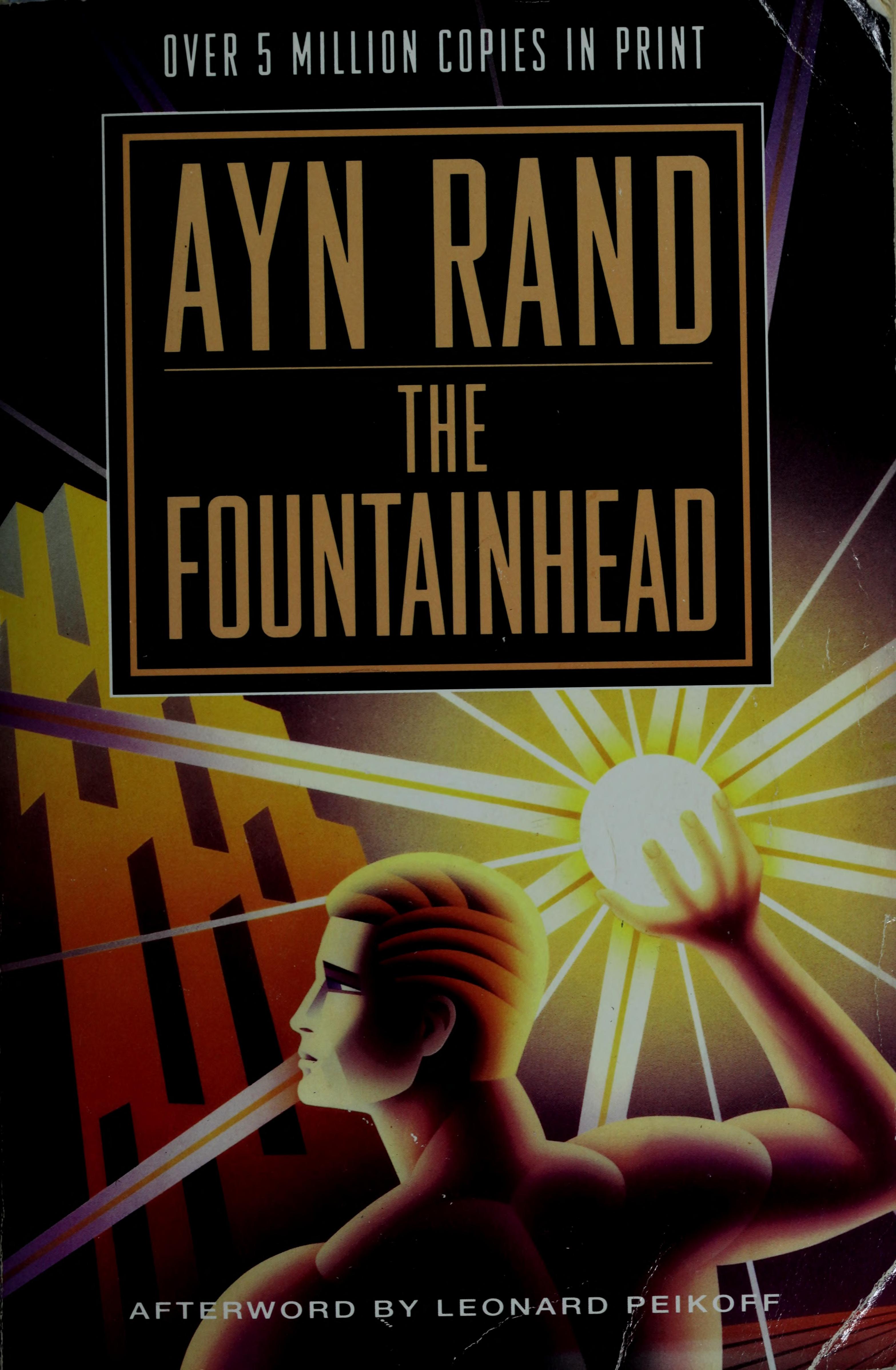
Read by Donald Trump, Larry Ellison, Chip Wilson and 4 others
“The Fountainhead is one of those books... that causes people to make changes in their life or they feel called to their higher self.”
— Lex Fridman
Source: Lex Fridman Podcast #401
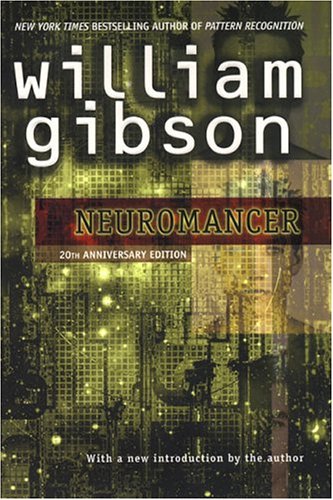
“Everyone should read Neuromancer.”
— Lex Fridman
Source: Lex Fridman Podcast #132
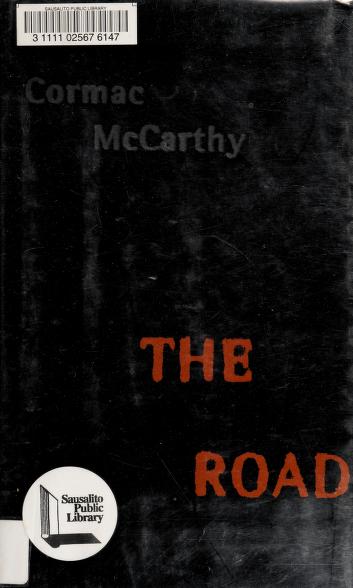
Read by Oprah Winfrey, Ryan Holiday, Lex Fridman and 2 others
“Unbelievably addictive, a real page-turner.”
— Lex Fridman
Source: Lex Fridman Reading List
Also recommends books in
Across 15 recommendations, his picks include 1984 by George Orwell, The Brothers Karamazov and The Idiot by Fyodor Dostoevsky, The Plague by Albert Camus, and Siddhartha by Hermann Hesse, alongside Viktor Frankl's Man's Search for Meaning and Marcus Aurelius's Meditations.
His top pick is George Orwell's 1984, which he describes not as a political book but as "a love story." He also singles out The Brothers Karamazov, wondering aloud whether it is "the greatest book ever written," and once called The Idiot his favorite book of all.
They are drawn from episodes of the Lex Fridman Podcast, his published reading lists, YouTube videos and AMAs, and discussions surfaced on Reddit. Many titles came up in specific conversations, such as his podcast episodes 195, 315, and 401.
Yes. He points to Isaac Asimov's Foundation series, saying it shaped how he thinks about technology's potential impact, and calls William Gibson's Neuromancer essential, adding that "everyone should read" it. Max Tegmark's Life 3.0 also appears among his AI-adjacent picks.
Philosophy and fiction dominate his list, followed by psychology and human behavior, then society and politics and science and technology. The overlap is deliberate: many of his novels, from Dostoevsky to Camus, are chosen precisely for their philosophical weight.