Read by Albert Einstein, Karl Marx, Sigmund Freud and 3 others
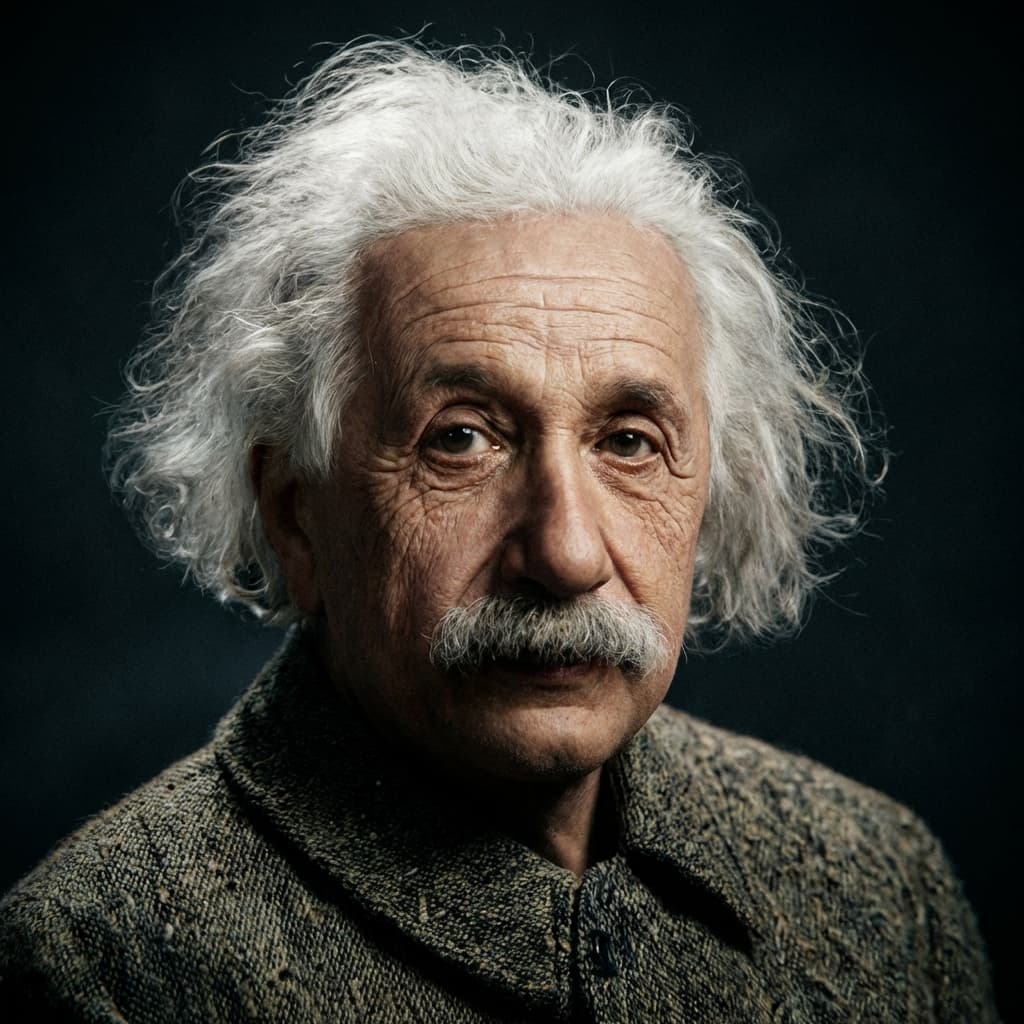
Preserved in letters, prefaces, and the memoirs of those who knew him, the book recommendations of Albert Einstein, the physicist whose theory of relativity remade our sense of space and time, reveal a devoted reader of philosophy and fiction. This set of 11 titles draws on those sources, spanning philosophy, psychology, history, and literature. Einstein credited David Hume's A Treatise of Human Nature as an influence on his own thinking, writing that "this line of thought was of great influence on my efforts... especially Hume." He held Dostoevsky in extraordinary regard, saying "Dostoevsky gives me more than any scientist, more than Gauss," and he located his sense of the divine in Spinoza's Ethics: "I believe in Spinoza's God who reveals Himself in the orderly harmony of what exists."
Last updated January 2026 · Every recommendation cited to its original source.
Read by Albert Einstein, Karl Marx, Sigmund Freud and 3 others
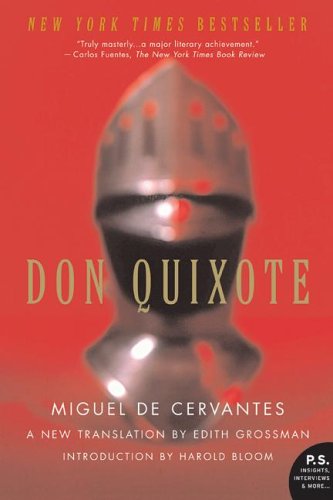
The Ingenious Gentleman Don Quixote of La Mancha
“Einstein would lie in bed and read Don Quixote. It was his way of relaxation.”
— Albert Einstein
Source: Leopold Infeld's autobiography 'The Quest'
Read by Albert Einstein
Being an Attempt to Introduce the Experimental Method of Reasoning into Moral Subjects
“You have correctly seen that this line of thought was of great influence on my efforts... especially Hume.”
— Albert Einstein
Source: Letter to Moritz Schlick, December 14, 1915

Read by Albert Einstein, Sigmund Freud, Jordan Peterson and 4 others
“Dostoevsky gives me more than any scientist, more than Gauss.”
— Albert Einstein
Source: Alexander Moszkowski, 'Einstein the Searcher'
Read by Albert Einstein
Demonstrated in Geometrical Order
“I believe in Spinoza's God who reveals Himself in the orderly harmony of what exists.”
— Albert Einstein
Source: Telegram to Rabbi Herbert S. Goldstein, 1929
Read by Albert Einstein, Nikola Tesla, Karl Marx and 1 others
Read by Albert Einstein
Short Philosophical Essays
Source: Biographical records (Isaacson)
Read by Albert Einstein
People's Books on Natural Science
“A work which I read with breathless attention.”
— Albert Einstein
Source: Autobiographical Notes
Read by Albert Einstein
Source: Max Talmud's biographical records
Read by Albert Einstein
A Critique of the Method and Concepts of Modern Science
Source: Olympia Academy reading list
Read by Albert Einstein
Ratiocinative and Inductive
Source: Olympia Academy reading list
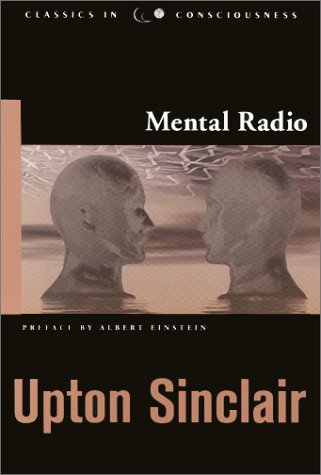
Read by Albert Einstein
Does It Work, and How?
“I have read the book of Upton Sinclair with great interest and am convinced that it deserves the most serious attention.”
— Albert Einstein
Source: Preface to the German edition, 1930
Also recommends books in
His 11 recommendations include A Treatise of Human Nature by David Hume, The Brothers Karamazov by Dostoevsky, Spinoza's Ethics, Don Quixote by Cervantes, and Critique of Pure Reason by Immanuel Kant.
Among his top picks was Spinoza's Ethics; Einstein famously said, "I believe in Spinoza's God who reveals Himself in the orderly harmony of what exists." He also revered Dostoevsky above many scientists.
David Hume. In a 1915 letter Einstein wrote that "this line of thought was of great influence on my efforts... especially Hume," pointing to A Treatise of Human Nature.
Yes. According to Leopold Infeld's memoir, "Einstein would lie in bed and read Don Quixote. It was his way of relaxation," making Cervantes's novel a recurring comfort read.
Yes, seven appear in the data, including Relativity: The Special and the General Theory (1916), Ideas and Opinions (1954), The World As I See It (1934), and The Evolution of Physics (1938).