Read by Ray Dalio, Naval Ravikant, Mark Manson and 6 others
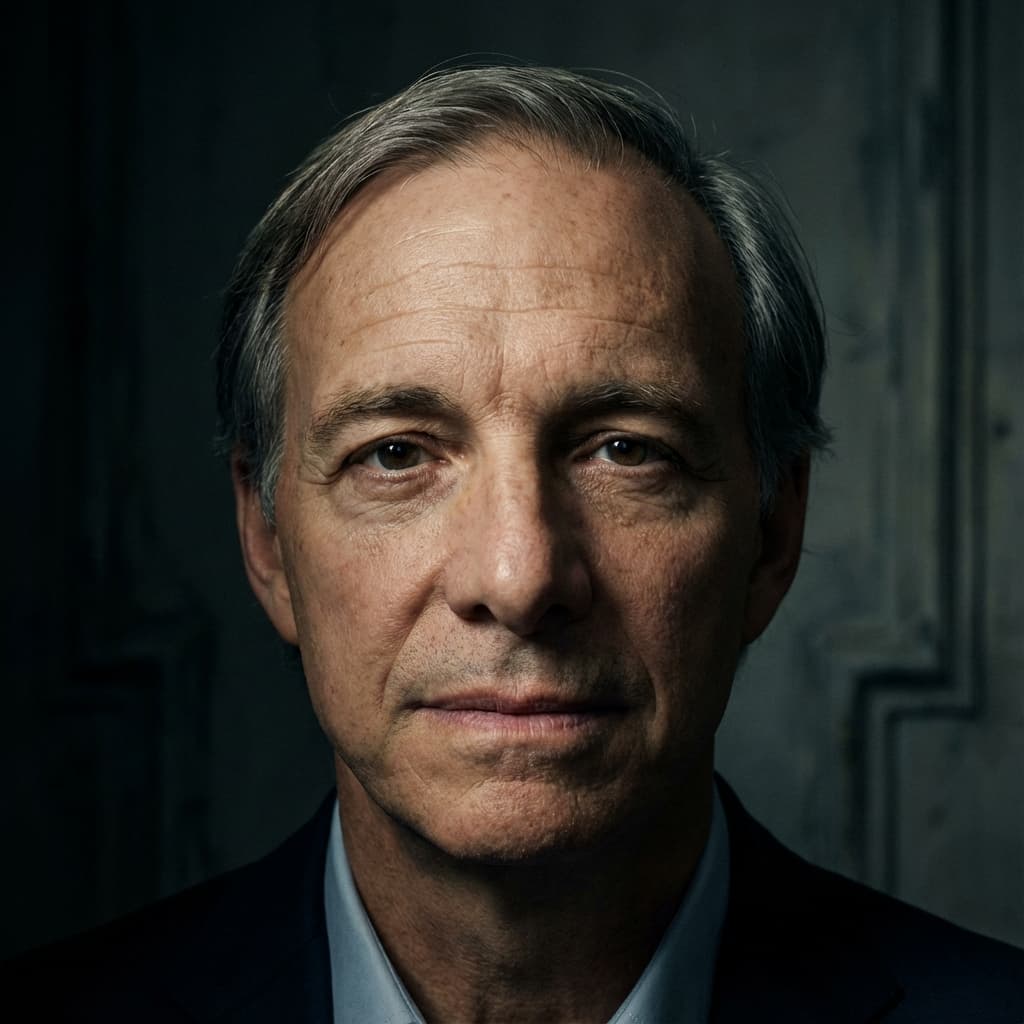
Ray Dalio, the founder of Bridgewater Associates and architect of a philosophy he calls radical transparency, has left an unusually long paper trail of reading advice, and these 50 book recommendations gather it in one place. Drawn from his appearances on the Tim Ferriss podcast, his own Principles.com reading list, and his LinkedIn essays, the selection leans heavily toward psychology and human behavior, science and technology, and philosophy, with a persistent fascination for how minds and empires evolve. His single most-repeated pick is The Lessons of History by Will and Ariel Durant, which he describes as "a 104-page distillation of the major forces through history." Alongside it sit Sapiens, Thinking, Fast and Slow, and Joseph Campbell's The Hero with a Thousand Faces, a shortlist that reads less like a businessman's syllabus than a lifelong student's attempt to understand the machinery behind everything.
Last updated January 2026 · Every recommendation cited to its original source.
Read by Ray Dalio, Naval Ravikant, Mark Manson and 6 others
“The book I'd give [everyone] would be The Lessons of History. This is the Durants, they were maybe the greatest historians of all time. It is a 104-page distillation of the major forces through history.”
— Ray Dalio
Source: Tim Ferriss Podcast
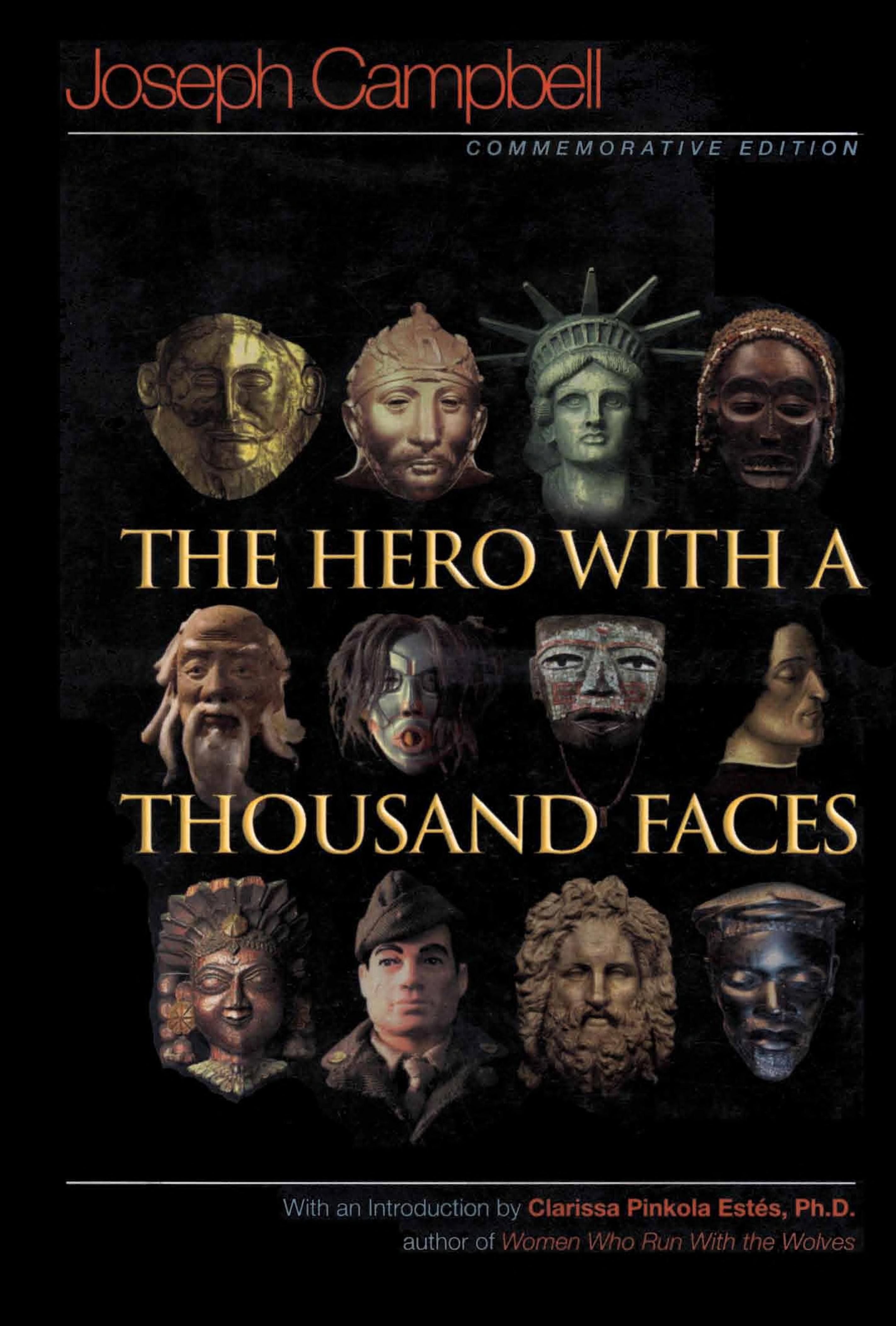
Read by Ray Dalio, George Lucas, Jack Carr and 1 others
“It's a little bit dense, but it's so rich, it's a good one. I gave Wang [Qishan] a copy... because he is a classic hero and I thought it might help him.”
— Ray Dalio
Source: Principles.com
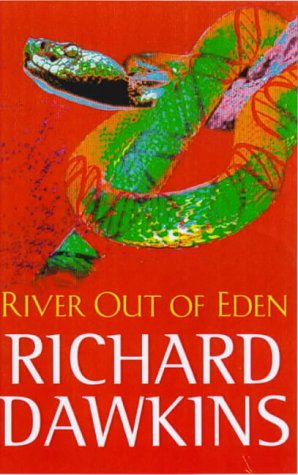
A Darwinian View of Life
“Another very short book on evolution. It just really puts things in perspective.”
— Ray Dalio
Source: Principles.com
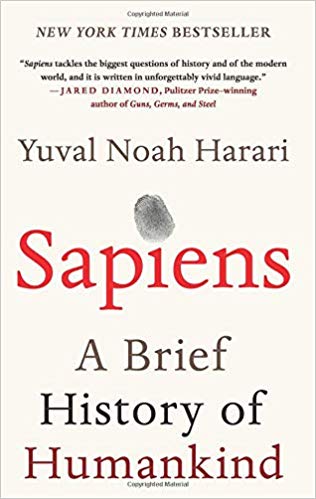
Read by Tim Ferriss, Barack Obama, Ray Dalio and 21 others
“I recommend Sapiens to everyone. It is a brilliant history of humankind that puts our current reality in perspective.”
— Ray Dalio
Source: LinkedIn
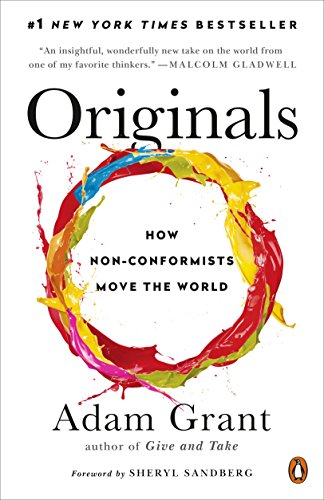
Read by Ray Dalio, Sheryl Sandberg, Richard Branson and 1 others
How Non-Conformists Move the World
“A very good book that explains how non-conformists move the world.”
— Ray Dalio
Source: Principles.com
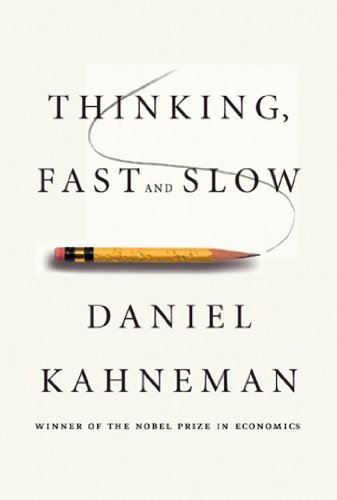
Read by Barack Obama, Sam Altman, Ray Dalio and 14 others
“This book is essential for understanding how our minds work and how to make better decisions.”
— Ray Dalio
Source: Principles.com
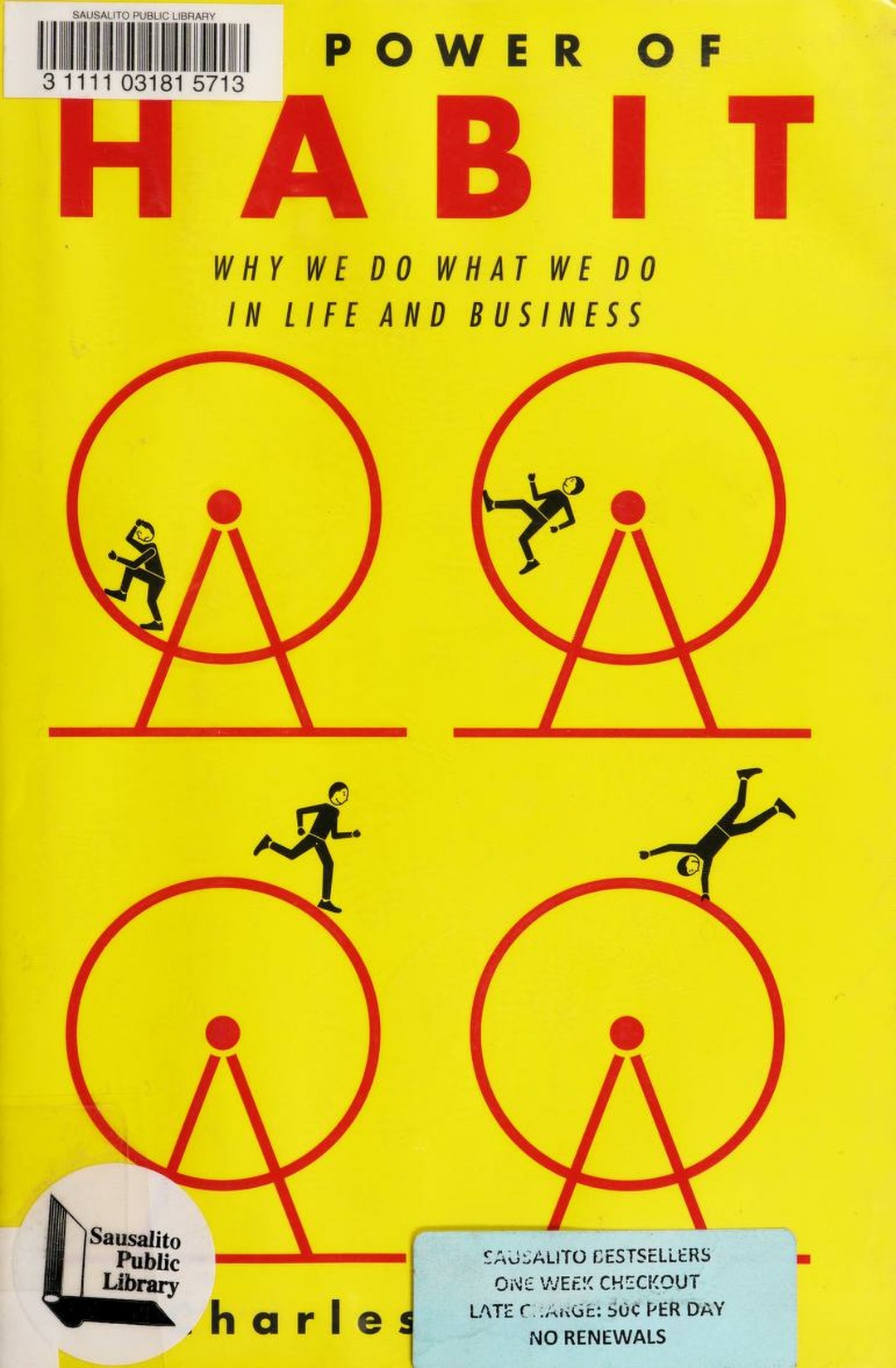
Read by Ray Dalio, Nir Eyal, Fareed Zakaria and 1 others
Why We Do What We Do in Life and Business
“The Power of Habit really opened my eyes. I recommend that you read it yourself.”
— Ray Dalio
Source: Principles.com
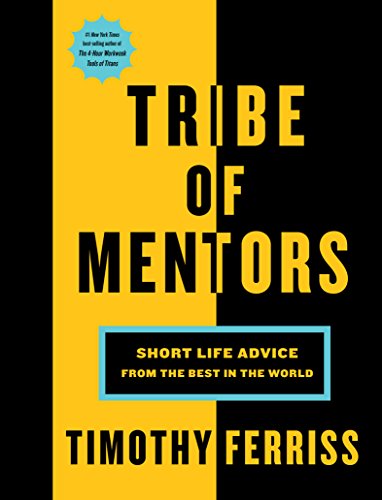
Short Life Advice from the Best in the World
“I love Tim's book because it's essentially a collection of great principles from people who have accomplished great things.”
— Ray Dalio
Source: Twitter
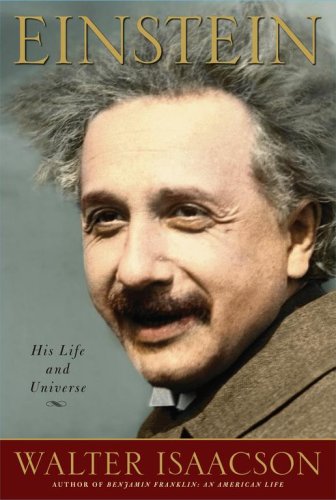
Read by Charlie Munger, Elon Musk, Ray Dalio and 1 others
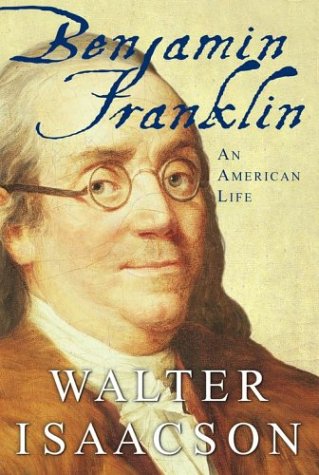
“I read [this book and 'Benjamin Franklin'] and probed [Walter Isaacson] about them to try to glean what characteristics they had in common.”
— Ray Dalio
Source: Principles.com
An American Life
“I read this book... to try to glean what characteristics they had in common.”
— Ray Dalio
Source: Principles.com
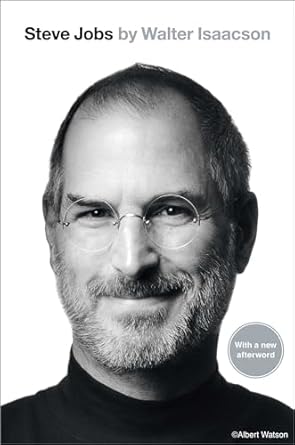
Read by Ray Dalio, Brian Chesky, Gary Vaynerchuk and 2 others
“I noticed a number of similarities between [Steve Jobs and I]... but to be clear, I didn't think that Bridgewater or I held a candle to Apple and Jobs.”
— Ray Dalio
Source: Principles.com
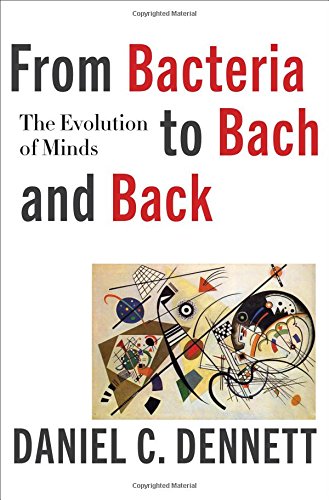
The Evolution of Minds
“[From Bacteria to Bach and Back] is about the evolution of the mind.”
— Ray Dalio
Source: Tim Ferriss Podcast
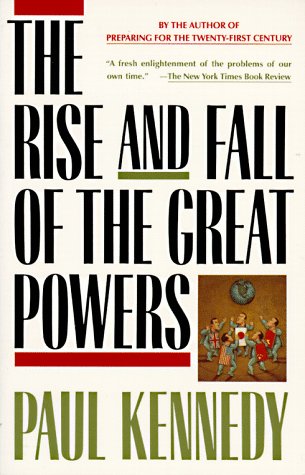
Economic Change and Military Conflict from 1500 to 2000
“I found Paul Kennedy's The Rise and Fall of the Great Powers to be an excellent examination of the forces that lead to the rise and decline of empires.”
— Ray Dalio
Source: Principles for Dealing with the Changing World Order
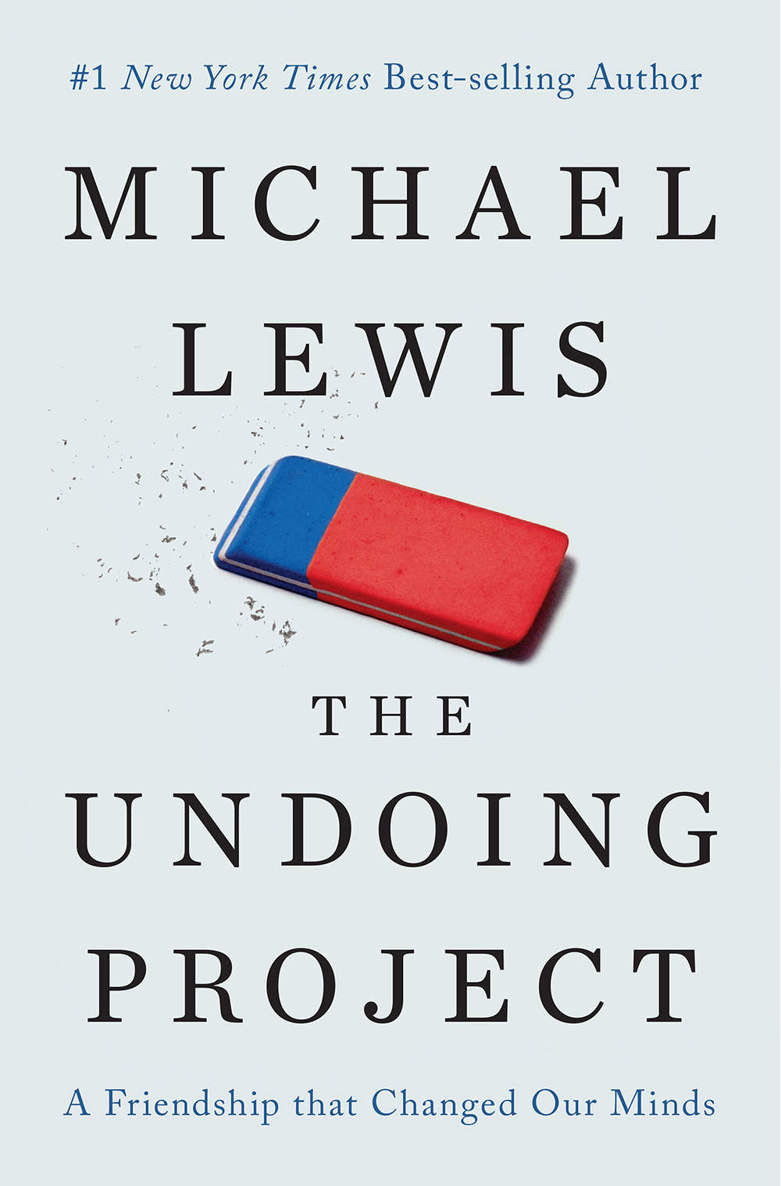
A Friendship That Changed Our Minds
Source: Principles.com Reading List
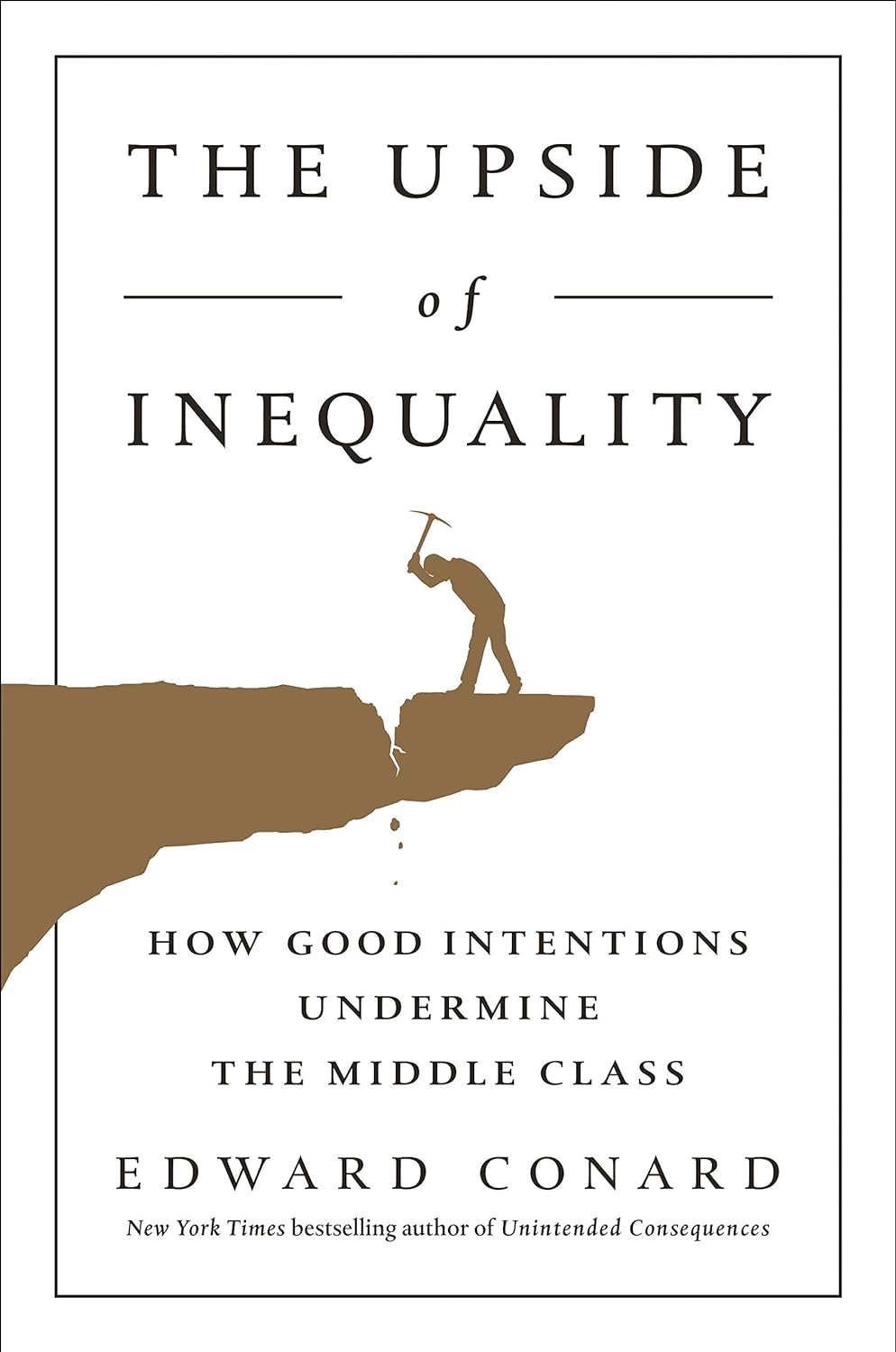
How Good Intentions Undermine the Middle Class
Source: Principles.com Reading List
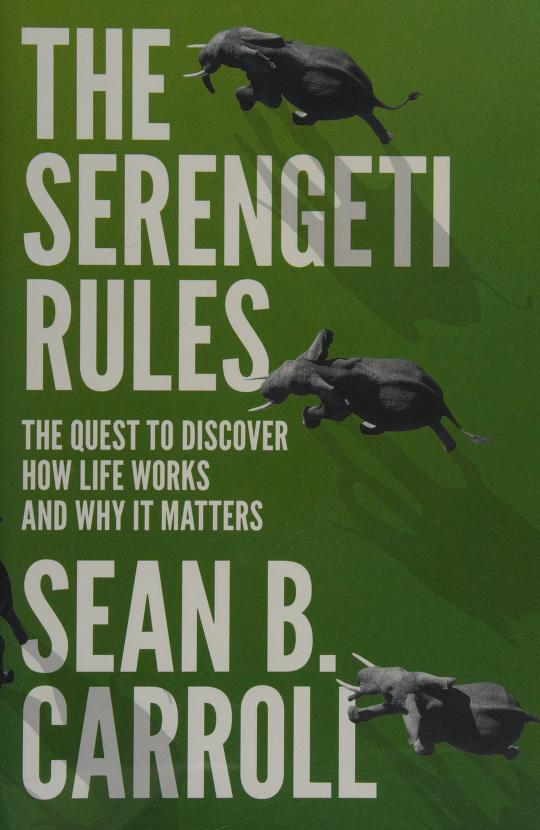
The Quest to Discover How Life Works and Why It Matters
Source: Principles.com Reading List
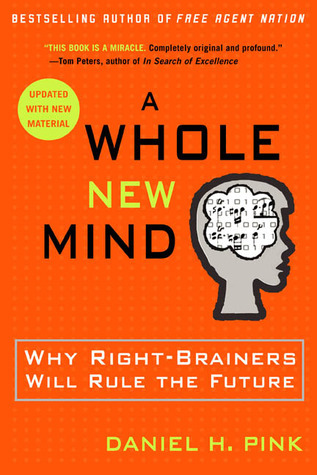
Why Right-Brainers Will Rule the Future
Source: Principles.com Reading List
Ethics for a Whole World
Source: Principles.com Reading List
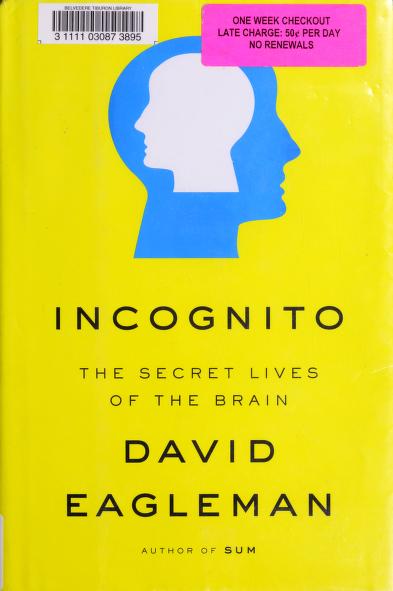
The Secret Lives of the Brain
Source: Principles.com Reading List
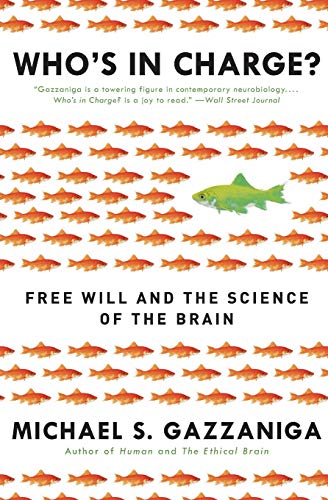
Free Will and the Science of the Brain
Source: Principles.com Reading List
Using Science to Build a Leading-Edge Learning Organization
Source: Principles.com Reading List
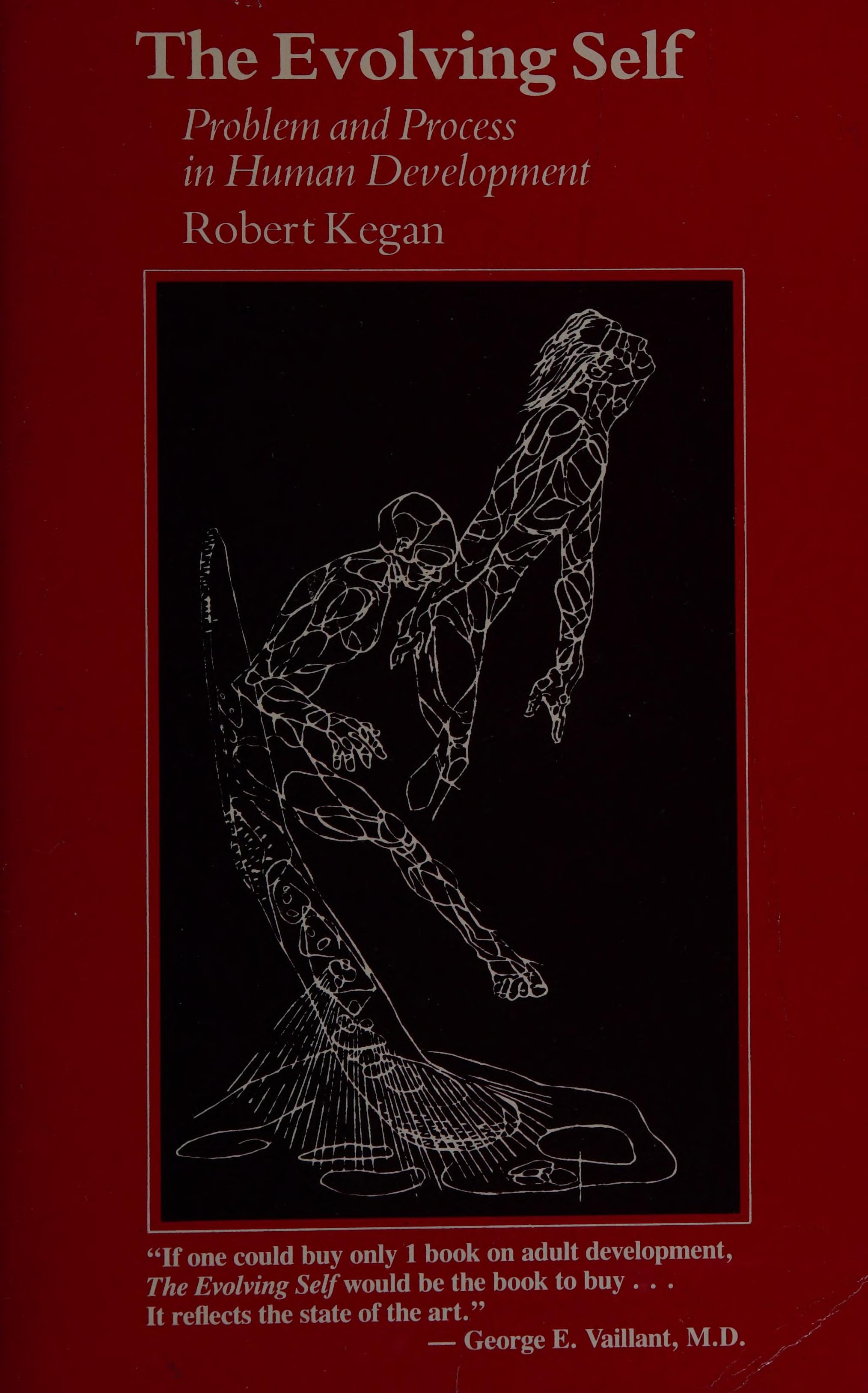
Problem and Process in Human Development
Source: Principles.com Reading List
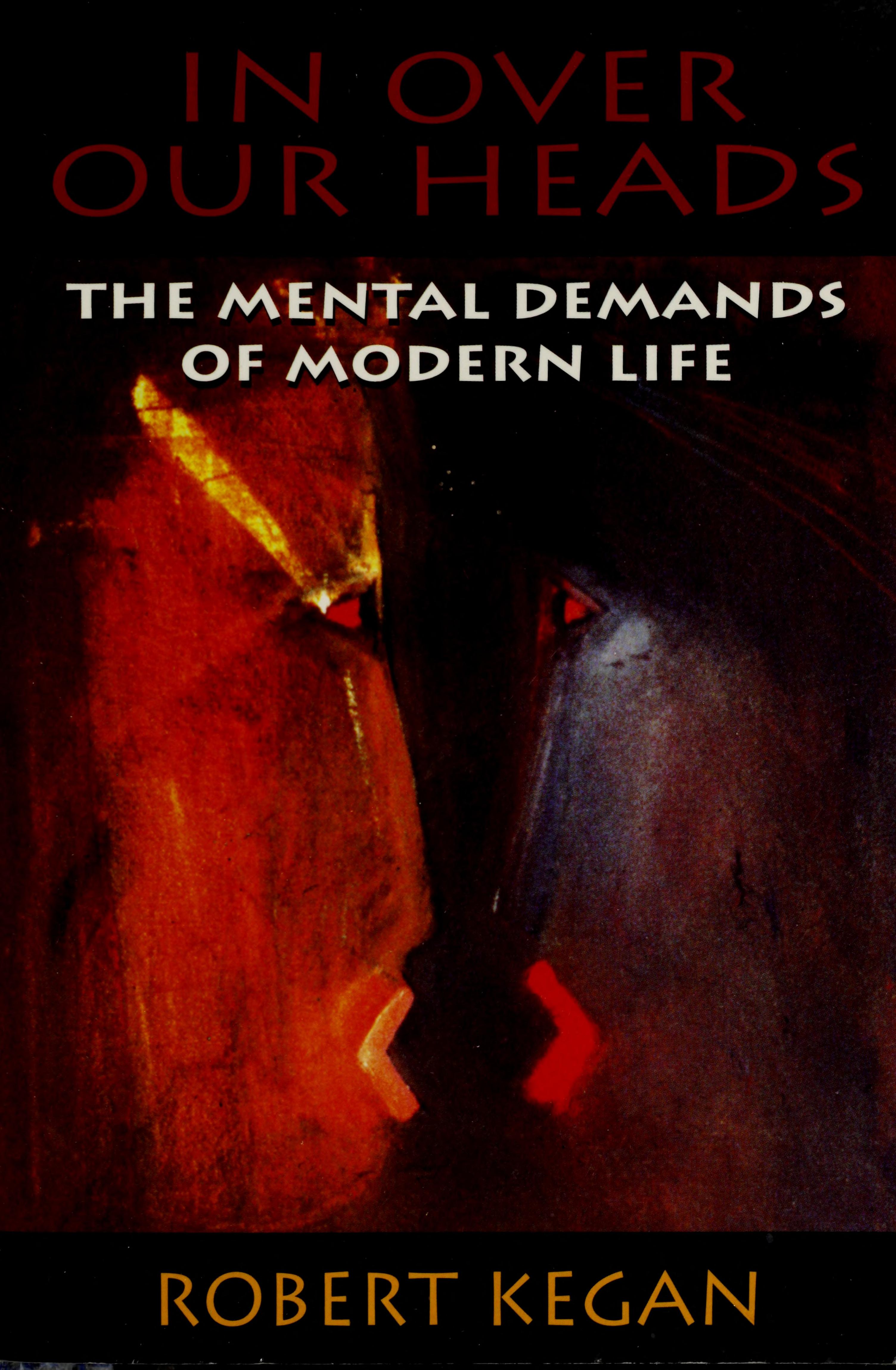
The Mental Demands of Modern Life
Source: Principles.com Reading List
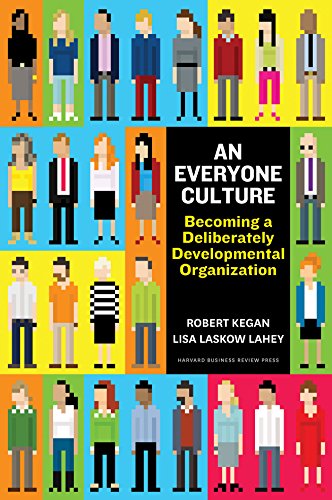
Becoming a Deliberately Developmental Organization
Source: Principles.com Reading List
Also recommends books in
Across 50 recommendations, Dalio returns most often to The Lessons of History by Will and Ariel Durant, Sapiens by Yuval Noah Harari, The Hero with a Thousand Faces by Joseph Campbell, Thinking, Fast and Slow by Daniel Kahneman, and Originals by Adam Grant. His list spans history, evolutionary science, and the psychology of decision-making.
His most emphatic pick is The Lessons of History by Will and Ariel Durant. Dalio calls the Durants "maybe the greatest historians of all time" and describes the book as "a 104-page distillation of the major forces through history" — the one book he says he would give to everyone.
They are drawn from the Tim Ferriss podcast, his Principles.com reading list, his LinkedIn posts and essays, his book Principles for Dealing with the Changing World Order, and various interviews and endorsements. The sources span more than a decade of public commentary.
Yes. Dalio has authored three books: Principles: Life and Work (2017), Principles for Navigating Big Debt Crises (2018), and Principles for Dealing with the Changing World Order (2021), each distilling the frameworks he built running the world's largest hedge fund.
His recommendations cluster around psychology and human behavior, science and technology, and philosophy, with strong showings from self-improvement and business and strategy. The through-line is understanding the underlying forces that shape people, markets, and history.