
Read by Ray Dalio, George Lucas, Jack Carr and 1 others

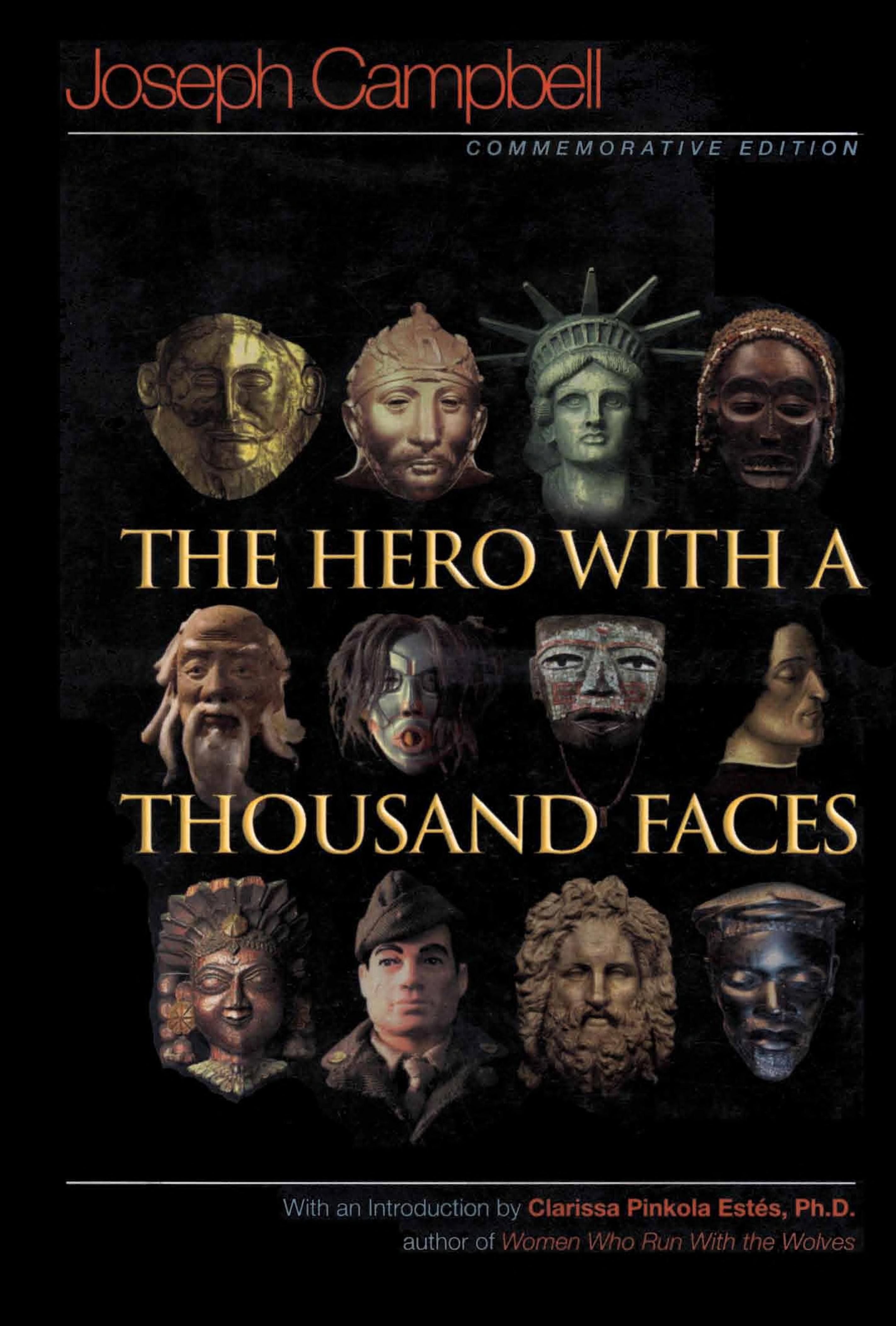
Beneath one of cinema's defining sagas lies a mythic scaffolding, and the book recommendations of George Lucas trace it directly. The filmmaker behind Star Wars and Indiana Jones, and the founder of Industrial Light & Magic, Lucas has pointed to a small but telling shelf of titles across interviews, forewords, and book endorsements. This collection gathers five of them, weighted toward creativity and design, history, and fiction, with philosophy running underneath. At its center sits Joseph Campbell's The Hero with a Thousand Faces, the study of comparative mythology Lucas credits directly: "Once I got into that, I really began to understand how mythology works. It was very helpful to me in writing the film." The list ranges from Alan Dean Foster's Splinter of the Mind's Eye to Marc Ecko's Unlabel, a portrait of a builder shaping ambition into a life's work.
Last updated February 2026 · Every recommendation cited to its original source.
Read by Ray Dalio, George Lucas, Jack Carr and 1 others
“It was the first time that I really began to focus. Once I got into that, I really began to understand how mythology works. It was very helpful to me in writing the film [Star Wars].”
— George Lucas
Source: Bill Moyers' Journal: George Lucas on Mythology
Read by George Lucas
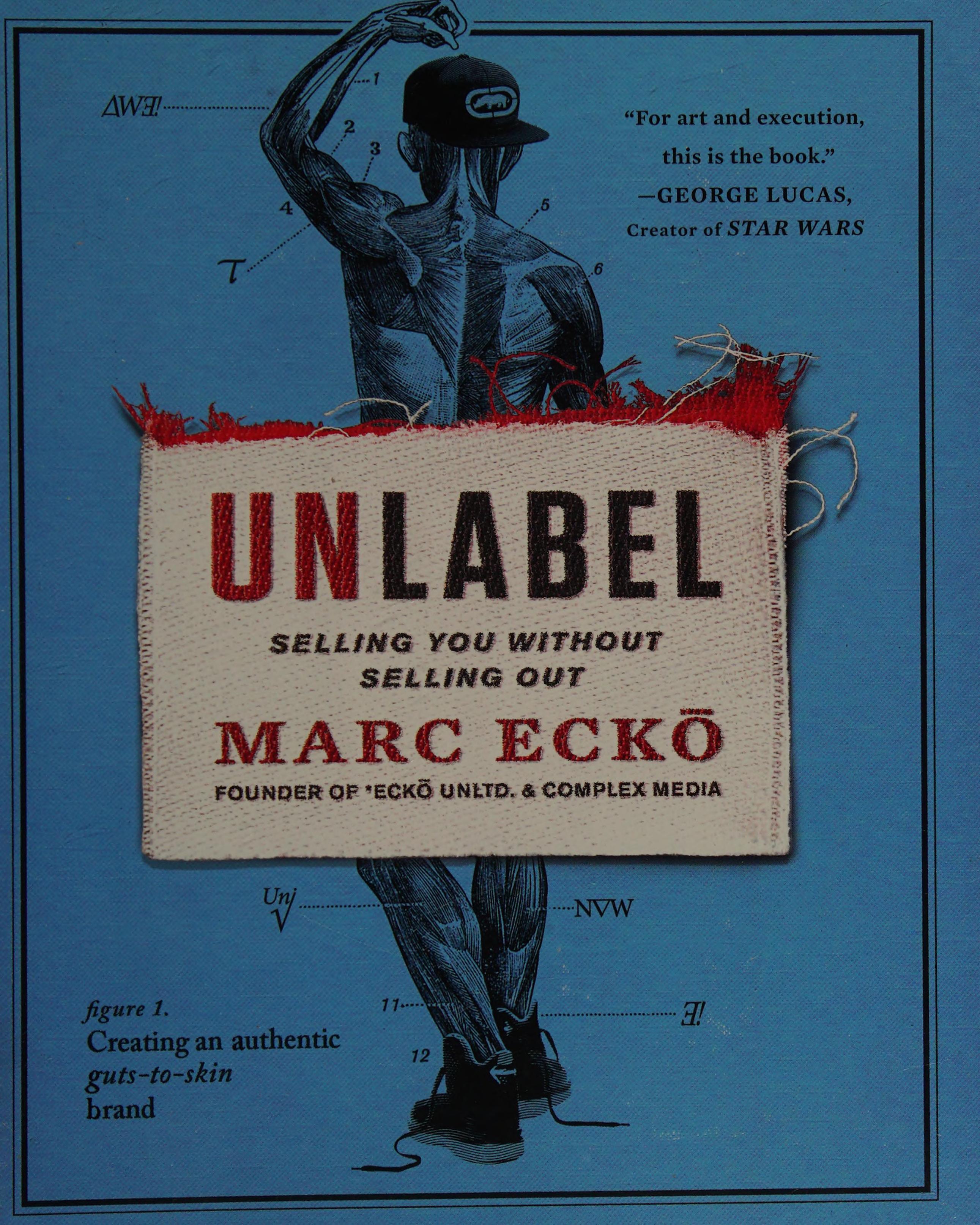
“Marc Ecko designed his future while putting his own spin on history. He's fearless and he built his brand out of his love of art and pop culture, without being seduced by nostalgia. ... For art and execution, this is the text book I wish I could have bought in college.”
— George Lucas
Source: Book blurb / Back cover endorsement
Read by George Lucas
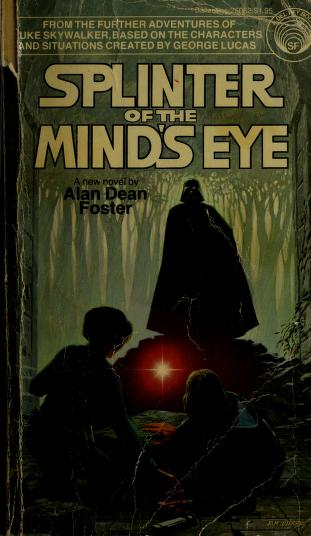
“It only seems fitting, after all these years, that Splinter would be republished as I prepare once again to write another further adventure set a long time ago, in a galaxy far, far away...”
— George Lucas
Source: Introduction written by George Lucas (1998 edition)
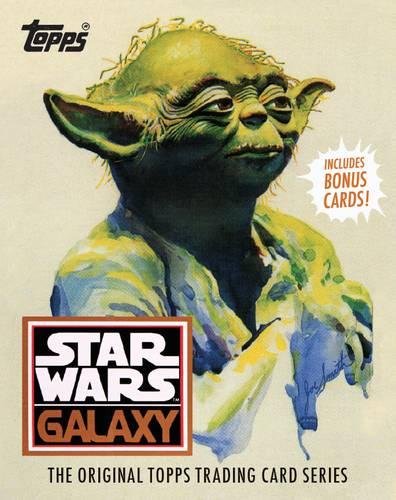
Read by George Lucas
Art from the Topps Trading Card Series
Source: Foreword by George Lucas
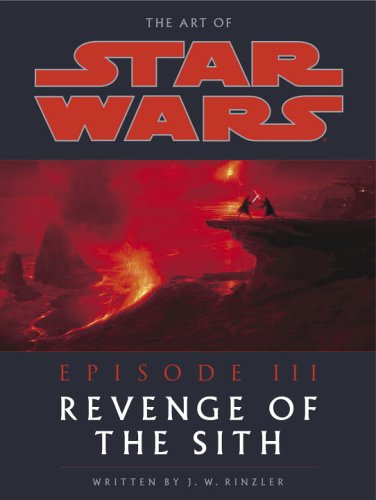
Read by George Lucas
Source: Foreword by George Lucas
Also recommends books in
Across five recommendations, George Lucas has highlighted Joseph Campbell's The Hero with a Thousand Faces, Marc Ecko's Unlabel: Selling You Without Selling Out, Alan Dean Foster's Splinter of the Mind's Eye, Star Wars Galaxy: The Original Topps Trading Card Series, and The Art of Star Wars: Episode III.
The Hero with a Thousand Faces by Joseph Campbell is his defining pick. Lucas has said that reading it was when he "really began to focus," adding it "was very helpful to me in writing the film" — a direct link between Campbell's mythology and the shape of Star Wars.
They are drawn from documented sources including his Bill Moyers' Journal conversation on mythology, a back-cover book endorsement he wrote for Marc Ecko's Unlabel, and forewords and introductions he contributed to Star Wars-related editions.
Yes. He is credited on four titles, including the Star Wars: A New Hope novelization and the Shadow trilogy — Shadow Moon, Shadow Dawn, and Shadow Star — the fantasy series developed from his Willow story.
His recommendations lean toward creativity and design and history, alongside fiction and threads of psychology and philosophy — a mix reflecting his lifelong interest in myth, storytelling, and the craft behind visual culture.