What books does Shane Parrish recommend?
Few people have made a discipline of studying how the world's best thinkers actually think, but Shane Parrish's book recommendations grew directly out of that pursuit, the one that built Farnam Street. A former intelligence officer turned host of The Knowledge Project, Parrish has assembled 65 titles pulled from his annual Farnam Street reading lists, the Bookmarked Club, and years of Brain Food newsletters. The collection leans hard into psychology and human behavior, history, science and technology, and philosophy, favoring durable ideas over passing trends. His top pick is Morgan Housel's Same as Ever, which he calls 'a must read for anyone who wants to turn history's hindsight into their current foresight.' Alongside it sit Marcus Aurelius, Will Durant, and Charlie Munger, the mental-model architects Parrish returns to again and again. Author of Clear Thinking and the four-volume Great Mental Models series, he reads to sharpen judgment, not to accumulate.
Last updated July 2026 · Every recommendation cited to its original source.

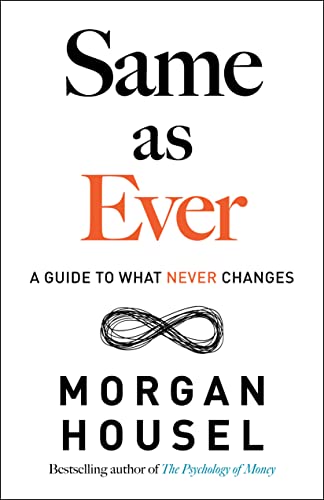
Same as Ever
A Guide to What Never Changes
byMorgan Housel
2023240 Pages“A must read for anyone who wants to turn history's hindsight into their current foresight.”
— Shane Parrish
Source: Farnam Street, 2023

Read by Ray Dalio, Naval Ravikant, Mark Manson and 6 others
byWill Durant, Ariel Durant
2010128 Pages“A concise book of lessons drawn from the survey of history. The book comes highly recommended by someone I met at the Berkshire Hathaway meeting last weekend. I can't believe I haven't read this before. I'll be re-reading this a few times and I've started listening to the audio version in the car as well.”
— Shane Parrish
Source: Farnam Street, 2017


Read by Naval Ravikant, Arianna Huffington, Tobias Lütke and 12 others
Meditations
A New Translation
byMarcus Aurelius
2003256 Pages(1,240,000)
“Reading [this book], along with Seneca, has really helped foster my interest in philosophy. So much of what they say speaks to me that I'm often left with entire pages underlined and margins filled with thoughts.”
— Shane Parrish
Source: Farnam Street / Bookmarked Club

Read by Shane Parrish
Poor Charlie’s Almanack
The Essential Wit and Wisdom of Charles T. Munger
byCharles T. Munger
2023473 Pages“Because I have an MBA a lot of people inevitably ask me if they should pursue one. If it's knowledge and not credentials you're after, save your money and read [this book].”
— Shane Parrish
Source: Farnam Street / Bookmarked Club
Read by Barack Obama, Michael Bloomberg, Ryan Holiday and 2 others
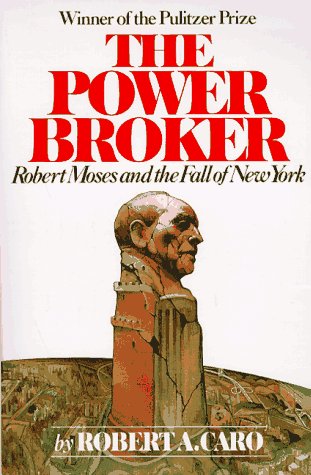
byRobert A. Caro
19741336 Pages“Caro is probably the most talented biographer of our age; he writes like a brilliant novelist and has the reporting skills of Bob Woodward. The Power Broker is assigned reading at quite a few American universities and it should be. It's amazing. But it's not a light read.”
— Shane Parrish
Source: Farnam Street / Bookmarked Club
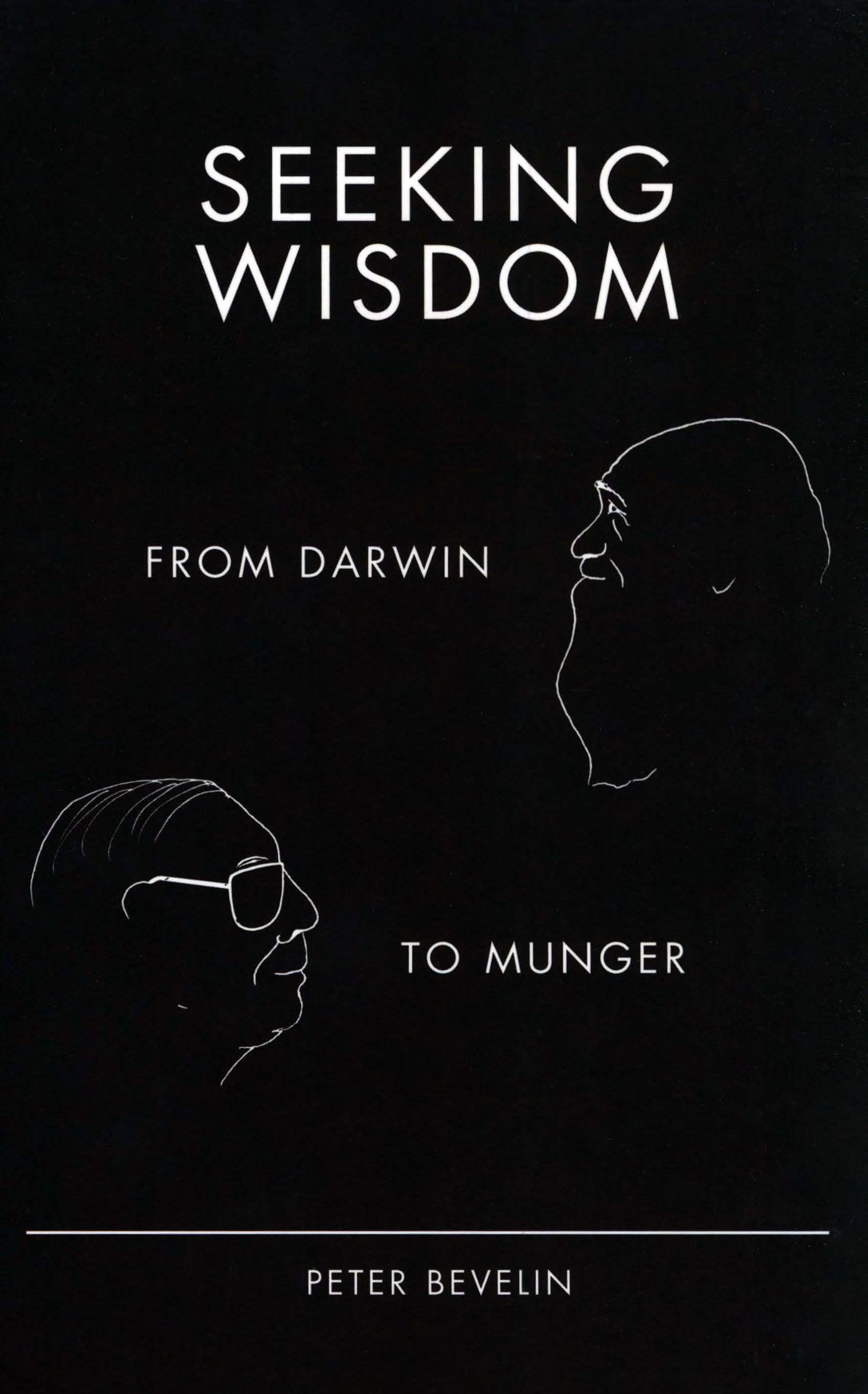

Seeking Wisdom: From Darwin to Munger
From Darwin to Munger
byPeter Bevelin
2007328 Pages“Peter Bevelin is one smart dude. Inspired by Munger, he's put together a book of the big ideas that carry a lot of weight in life.”
— Shane Parrish
Source: Farnam Street / Bookmarked Club
Read by Shane Parrish
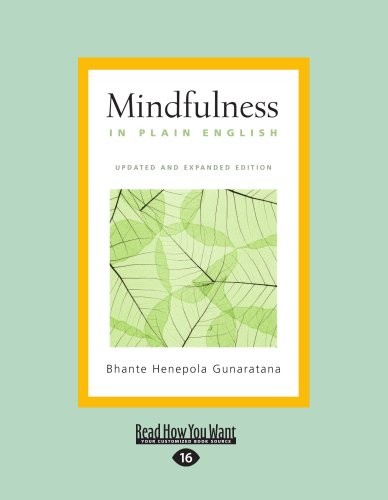
byBhante Henepola Gunaratana
2010294 Pages“This is a great follow up to Sit Like A Buddha. This book deepens our understanding of the nuts-and-bolts of meditation including the how, what, where, when and why but also how to deal with distractions and common challenges people face along the way.”
— Shane Parrish
Source: Farnam Street / Bookmarked Club
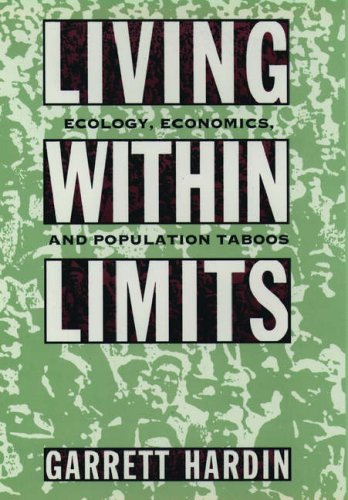
Living within Limits
Ecology, Economics, and Population Taboos
byGarrett Hardin
1995352 Pages“Like Charlie Munger or Nassim Taleb, you need to read the source material over and over in order to soak up the available wisdom.”
— Shane Parrish
Source: Farnam Street / Bookmarked Club
Read by Shane Parrish
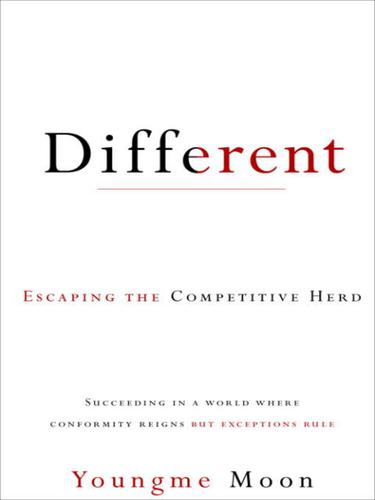
Different
Escaping the Competitive Herd
byYoungme Moon
2010290 Pages“I loved her analysis on how when the number of products in a category expands, the differences – or competition – between them become increasingly trivial.”
— Shane Parrish
Source: Farnam Street / Bookmarked Club
Read by Tim Ferriss, Charlie Munger, Sam Altman and 22 others
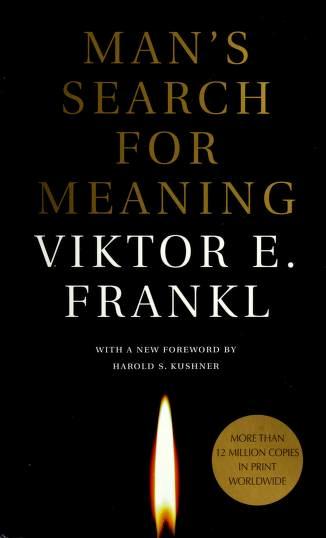
Man's Search for Meaning
An Introduction to Logotherapy
byViktor E. Frankl
2006165 Pages“As hard as you think your life is, it pales in comparison to Auschwitz. I took two big things away from this book: (1) the ultimate freedom is the ability to choose your attitude in the face of any circumstance and (2) the more you target success, the more you will miss it.”
— Shane Parrish
Source: Farnam Street / Bookmarked Club
Read by Shane Parrish
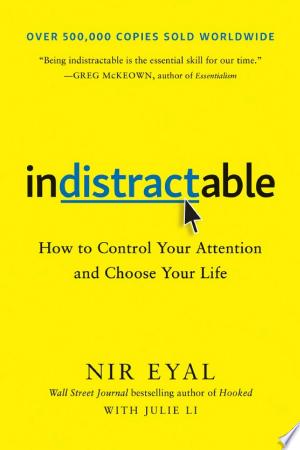
Indistractable
How to Control Your Attention and Choose Your Life
byNir Eyal
2019235 Pages“This is such an important book. Indistractable is the best guide I've read for reclaiming our attention, our focus, and our lives.”
— Shane Parrish
Source: Indistractable book blurb
Read by Shane Parrish
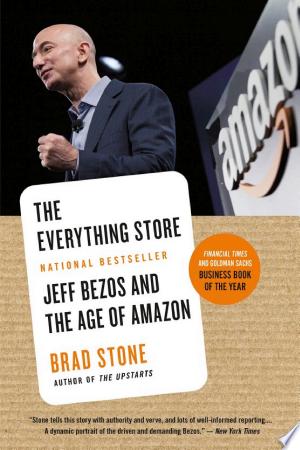
The Everything Store
Jeff Bezos and the Age of Amazon
byBrad Stone
2013404 Pages“I really enjoyed Brad Stone’s The Everything Store: Jeff Bezos and the Age of Amazon. Anyone who wants to better understand the dynamics of disruption or just gain a better understanding of the website we’ve come to love, must read this book.”
— Shane Parrish
Source: Farnam Street / Syrus Partners
Read by Shane Parrish
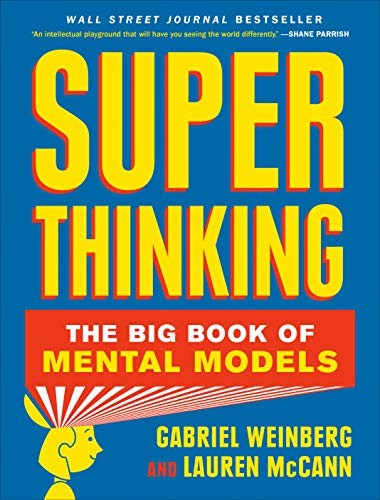
Super Thinking
The Big Book of Mental Models
byGabriel Weinberg, Lauren McCann
2019352 Pages“An intellectual playground that will have your brain doing mental reps and seeing the world differently.”
— Shane Parrish
Source: Farnam Street / The CEO Library
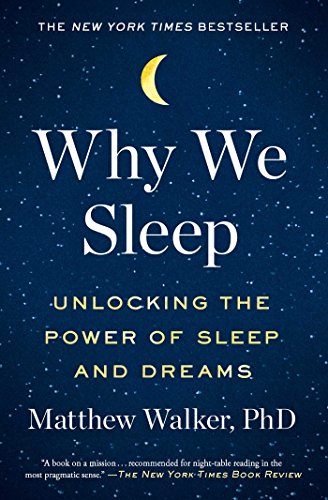
Why We Sleep
Unlocking the Power of Sleep and Dreams
byMatthew Walker
2017368 Pages“A powerful book that's influenced how I think about sleep and my routines. Consider it a compelling case for the superpower that's within reach: sleep. More than other books on the subject that simply focus on the 'what to do', this one gives you why you need to do it.”
— Shane Parrish
Source: Farnam Street
Read by Shane Parrish
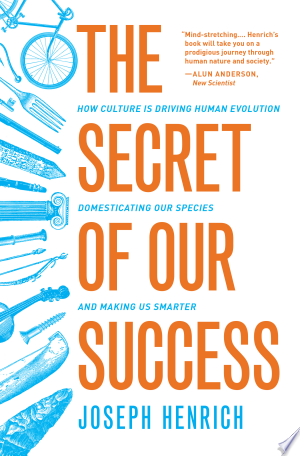
The Secret of Our Success
How Culture Is Driving Human Evolution, Domesticating Our Species, and Making Us Smarter
byJoseph Henrich
2015465 Pages“This book will make you view human history in a different light, while reinforcing the importance of learning from one another.”
— Shane Parrish
Source: Farnam Street RECOMMENDED READING 2020
Read by Shane Parrish
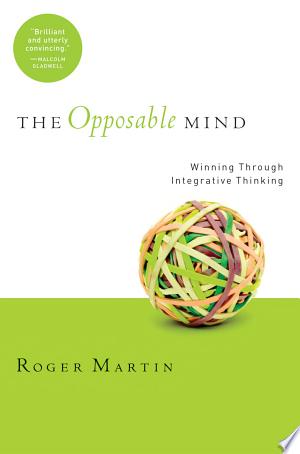
The Opposable Mind
How Successful Leaders Win Through Integrative Thinking
byRoger L. Martin
2009225 Pages“Roger Martin talks about the value of integrative thinking and keeping the entire problem in your mind.”
— Shane Parrish
Source: Farnam Street RECOMMENDED READING 2020

Read by Shane Parrish
Invisible Women
Data Bias in a World Designed for Men
byCaroline Criado Perez
2019434 Pages“Perez examines how male bias often unintentionally creeps into the studies, systems, and algorithms used to collect data. She demonstrates how not factoring in women's needs, their different bodies, and social roles leads to not only negative outcomes for women, but negative second-order effects that impact the environment and economic development.”
— Shane Parrish
Source: Farnam Street RECOMMENDED READING 2020
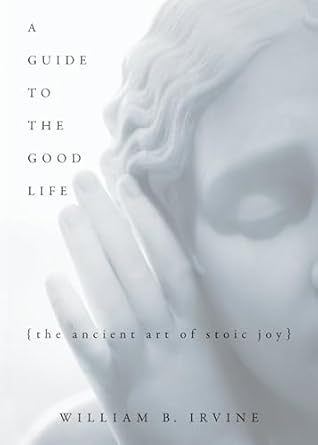
A Guide to the Good Life
The Ancient Art of Stoic Joy
byWilliam B. Irvine
2008336 Pages“Irvine's guide is easy and enjoyable to read. It provides a solid introduction to the philosophy and then breaks down each of the tenets and explains how they can be applied in our daily lives.”
— Shane Parrish
Source: Farnam Street RECOMMENDED READING 2020
Read by Shane Parrish
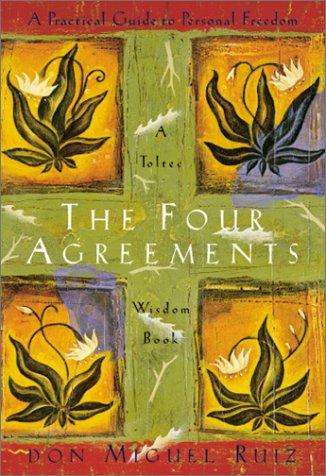
The Four Agreements
A Practical Guide to Personal Freedom
byDon Miguel Ruiz
1997150 Pages“In your whole life nobody has ever abused you more than you have abused yourself. And the limit of your self-abuse is exactly the limit that you will tolerate from someone else.”
— Shane Parrish
Source: Farnam Street RECOMMENDED READING 2020

Read by Shane Parrish
byPatrick Hunt
2007241 Pages(1)
“Archeologist Patrick Hunt walks us through ten archeological discoveries that redefined how we view human history. For each, Hunt succinctly explains the circumstances of its discovery, the process to study or decode it, and how it changed our view of the past.”
— Shane Parrish
Source: Farnam Street RECOMMENDED READING 2019
Read by Shane Parrish
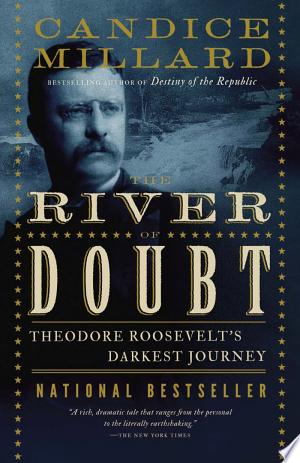
The River of Doubt
Theodore Roosevelt's Darkest Journey
byCandice Millard
2009442 Pages“Millard is a fantastic historical non-fiction writer, who is able to describe the arduous journey with a level of detail that makes you think she was there herself.”
— Shane Parrish
Source: Farnam Street RECOMMENDED READING 2019
Read by Shane Parrish
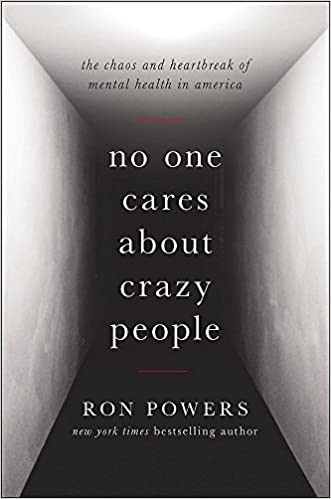
No One Cares About Crazy People
My Family and the Heartbreak of Mental Illness in America
byRon Powers
2017384 Pages“This book explores the history of mental health treatment, from the institutions and the doctors who helped shape our current sensibilities, to the wider social and economic implications of treatment.”
— Shane Parrish
Source: Farnam Street RECOMMENDED READING 2019
Read by Shane Parrish
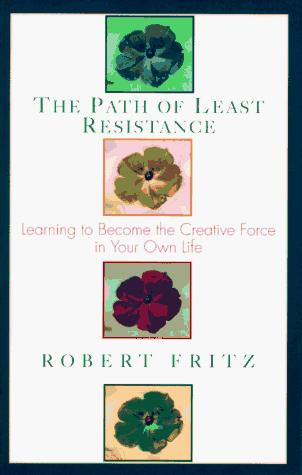
The Path of Least Resistance
Learning to Become the Creative Force in Your Own Life
byRobert Fritz
1989320 Pages“A deeply insightful book about how to create what you want in life by exploring the hidden structures. Once a structure exists in our lives, energy moves through that structure where there is less resistance.”
— Shane Parrish
Source: Farnam Street RECOMMENDED READING 2019
Read by Shane Parrish
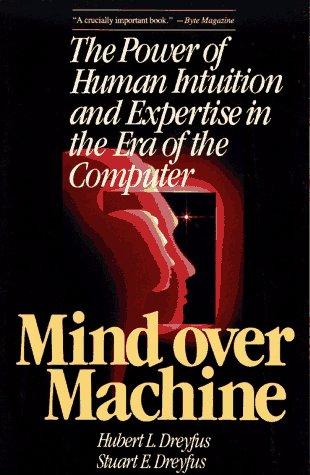
Mind over Machine
The Power of Human Intuition and Expertise in the Era of the Computer
byHubert L. Dreyfus, Stuart E. Dreyfus
1986231 Pages“A well-reasoned case that computer intelligence will always fall short of human intelligence. The most interesting part is the preface, which neatly sums up how human associative pattern matching works.”
— Shane Parrish
Source: Farnam Street RECOMMENDED READING 2019
Loading more
Also recommends books in
Frequently asked questions
What books does Shane Parrish recommend?
Across 65 recommendations, Shane Parrish's list features Same as Ever by Morgan Housel, The Lessons of History by Will Durant, Meditations by Marcus Aurelius, Poor Charlie's Almanack by Charlie Munger, and The Power Broker by Robert Caro, weighted toward decision-making and mental models.
What is Shane Parrish's favorite book?
He marks Morgan Housel's Same as Ever as a top pick, describing it as 'a must read for anyone who wants to turn history's hindsight into their current foresight.' The choice reflects his core interest in the patterns that repeat across time and human nature.
Where do Shane Parrish book recommendations come from?
They are drawn from his Farnam Street annual reading lists, the Bookmarked Club, his Brain Food newsletter, and Goodreads reading logs spanning multiple years, all published through his Farnam Street platform rather than one-off interviews.
Has Shane Parrish written any books?
Yes. He is the bestselling author of Clear Thinking and the four-volume Great Mental Models series, works that distill the decision-making frameworks he studies from the world's best thinkers into practical tools.
What genres does Shane Parrish read most?
His recommendations concentrate on psychology and human behavior, history, science and technology, and philosophy, with a recurring emphasis on self-improvement and clear judgment, favoring durable and timeless ideas over trend-driven business titles or the latest bestsellers.
All 65 Books Shane Parrish Has Recommended
- Same as Ever · Morgan Housel
- The Lessons of History · Will Durant
- Meditations · Marcus Aurelius
- Poor Charlie’s Almanack · Charles T. Munger
- The Power Broker: Robert Moses and the Fall of New York · Robert A. Caro
- Seeking Wisdom: From Darwin to Munger · Peter Bevelin
- Mindfulness in Plain English · Bhante Henepola Gunaratana
- Living within Limits · Garrett Hardin
- Different · Youngme Moon
- Man's Search for Meaning · Viktor E. Frankl
- Indistractable · Nir Eyal
- The Everything Store · Brad Stone
- Super Thinking · Gabriel Weinberg
- Why We Sleep · Matthew Walker
- The Secret of Our Success · Joseph Henrich
- The Opposable Mind · Roger L. Martin
- Invisible Women · Caroline Criado Perez
- A Guide to the Good Life · William B. Irvine
- The Four Agreements · Don Miguel Ruiz
- Ten Discoveries That Rewrote History · Patrick Hunt
- The River of Doubt · Candice Millard
- No One Cares About Crazy People · Ron Powers
- The Path of Least Resistance · Robert Fritz
- Mind over Machine · Hubert L. Dreyfus
- Difficult Conversations · Douglas Stone
- Music as Alchemy · Tom Service
- Ultralearning · Scott H. Young
- Red Notice · Bill Browder
- Evolution's Bite · Peter S. Ungar
- Bad Blood: Secrets and Lies in a Silicon Valley Startup · John Carreyrou
- The Warrior Queens · Antonia Fraser
- Mistakes Were Made (But Not by Me) · Carol Tavris
- The Rise of Andrew Jackson · David S. Heidler
- Hold Me Tight · Dr. Sue Johnson
- AI Superpowers: China, Silicon Valley, and the New World Order · Kai-Fu Lee
- Quiet · Susan Cain
- Energy and Civilization · Vaclav Smil
- The Invention of Nature · Andrea Wulf
- Reality Is Not What It Seems · Carlo Rovelli
- The Prophet · Kahlil Gibran
- The Minto Pyramid Principle · Barbara Minto
- A Powerful Mind · Adrienne M. Harrison
- The Prince of Medicine · Susan P. Mattern
- Ship Management · D. Michael Abrashoff
- Sapiens: A Brief History of Humankind · Yuval Noah Harari
- The Righteous Mind · Jonathan Haidt
- Guns, Germs, and Steel · Jared Diamond
- The Accidental Superpower · Peter Zeihan
- How to Read a Book · Mortimer J. Adler
- The Seven Sins of Memory · Daniel L. Schacter
- Talk Lean: Shorter Meetings. Quicker Results. Better Relations. · Alan Palmer
- Messy · Tim Harford
- The Serengeti Rules · Sean B. Carroll
- The Sovereign Individual · James Dale Davidson
- The Island of Knowledge · Marcelo Gleiser
- When Breath Becomes Air · Paul Kalanithi
- The Psychology of Man's Possible Evolution · Peter Demianovich Ouspensky
- Intuition Pumps and Other Tools for Thinking · Daniel C. Dennett
- To Kill a Mockingbird · Harper Lee
- Lee Kuan Yew: The Grand Master's Insights on China, the United States, and the World · Graham Allison
- The Coaching Habit · Michael Bungay Stanier
- The Most Important Thing · Howard Marks
- Filters Against Folly · Garrett Hardin
- Decisive · Chip Heath
- Mindset: The New Psychology of Success · Carol S. Dweck