Read by Albert Einstein, Nikola Tesla, Karl Marx and 1 others
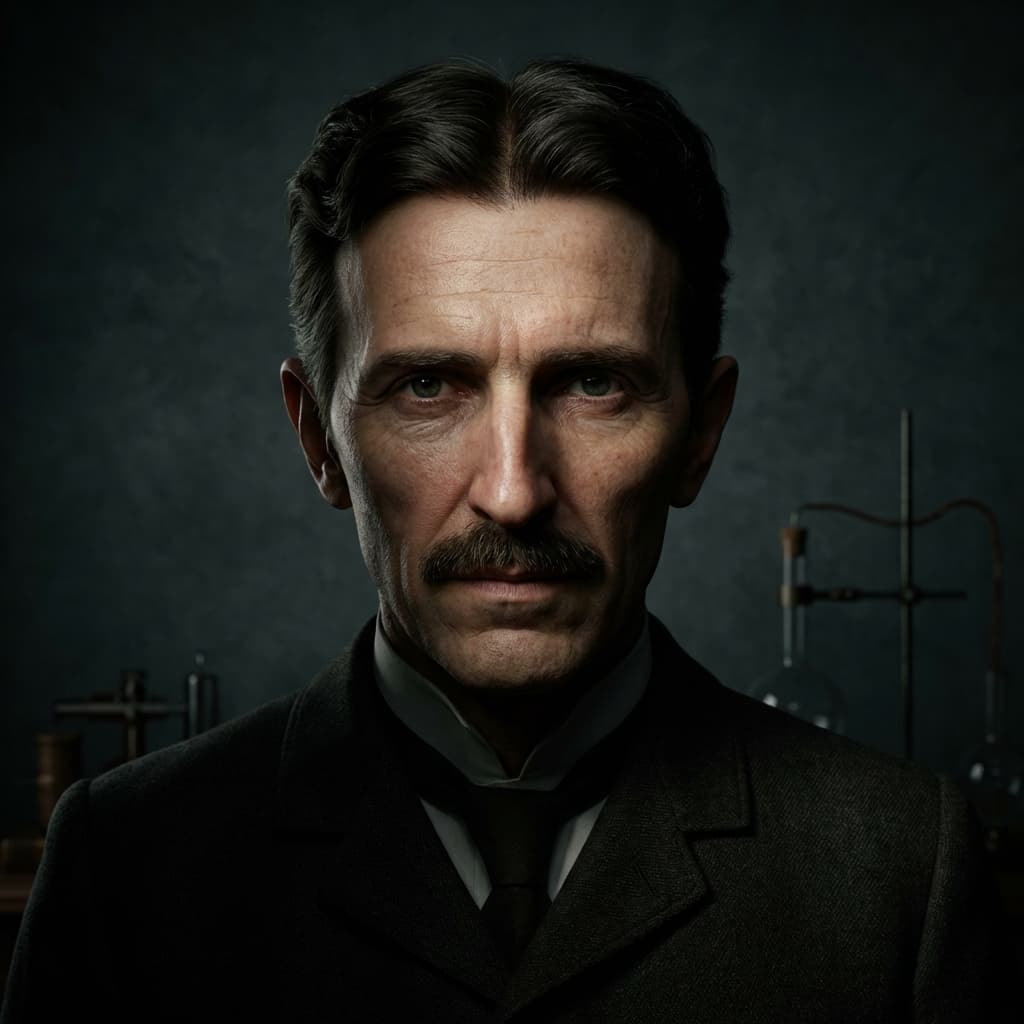
Reconstructed from his own writings, the book recommendations of Nikola Tesla read like a map of the mind that imagined the electrical age. The Serbian-American inventor who designed the alternating current system and pioneered wireless communication left a record of four formative titles, most of them recalled in his autobiography, and they lean toward fiction, philosophy, and history. Goethe's Faust holds a near-mystical place: Tesla wrote that as he recited its lines, "the idea came like a flash of lightning and in an instant the truth was revealed" — the moment he conceived the rotating magnetic field. Miklós Jósika's novel Abafi, he said, "awakened my dormant powers of will," while William Crookes's Researches into the Phenomena of Spiritualism first drew him toward electrical science. The Bible completes a list shaped as much by will and imagination as by engineering.
Last updated January 2026 · Every recommendation cited to its original source.
Read by Albert Einstein, Nikola Tesla, Karl Marx and 1 others
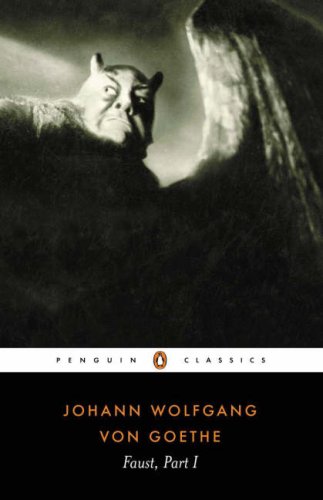
A Tragedy
“One of these was Goethe's 'Faust.'... As I uttered these inspiring words the idea came like a flash of lightning and in an instant the truth was revealed.”
— Nikola Tesla
Source: My Inventions: The Autobiography of Nikola Tesla
Read by Nikola Tesla
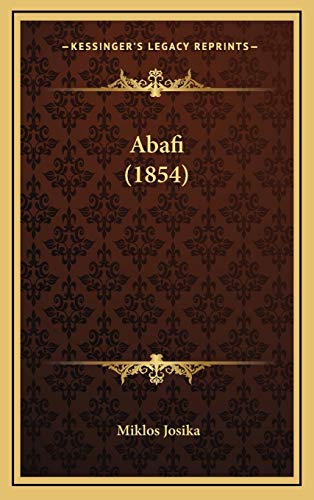
A Morality Tale
“On one occasion I came across a novel entitled 'Abafi' (the Son of Aba)... This work somehow awakened my dormant powers of will and I began to practice self-control.”
— Nikola Tesla
Source: My Inventions: The Autobiography of Nikola Tesla
Read by Nikola Tesla
“I believe that their real origin... was that fascinating little book which I read many years ago.”
— Nikola Tesla
Source: The Inventions, Researches and Writings of Nikola Tesla (1892 Lecture)
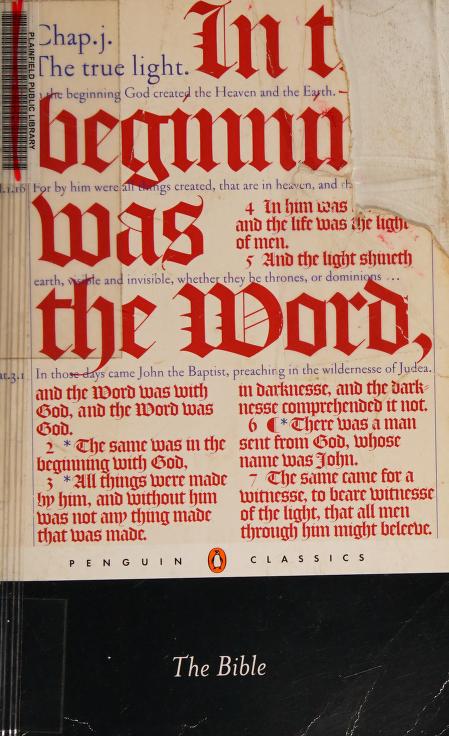
King James Version
“My Mother had taught me to seek all truth in the Bible.”
— Nikola Tesla
Source: My Inventions: The Autobiography of Nikola Tesla
Also recommends books in
From his own writings, four titles stand out: Goethe's Faust, Miklós Jósika's Abafi, William Crookes's Researches into the Phenomena of Spiritualism, and the Bible — works he tied to specific turning points in his intellectual and inventive life.
Goethe's Faust. Tesla recalled reciting its lines when "the idea came like a flash of lightning and in an instant the truth was revealed" — the moment he conceived the alternating-current induction motor while walking in a park.
Most are drawn from My Inventions: The Autobiography of Nikola Tesla, where he described Faust, Abafi, and the Bible. His mention of Crookes's book comes from an 1892 lecture collected in his published writings.
Yes. His works include My Inventions: The Autobiography of Nikola Tesla, the Colorado Springs Notes, 1899–1900, and The Problem of Increasing Human Energy — a mix of memoir, laboratory record, and futurist essay.
His recorded reading centered on fiction and philosophy, with history threaded through — Goethe, Jósika, and scripture alongside scientific writing. He credited literature, especially Abafi, with strengthening his self-control and will.