
Read by Albert Einstein, Karl Marx, Sigmund Freud and 3 others
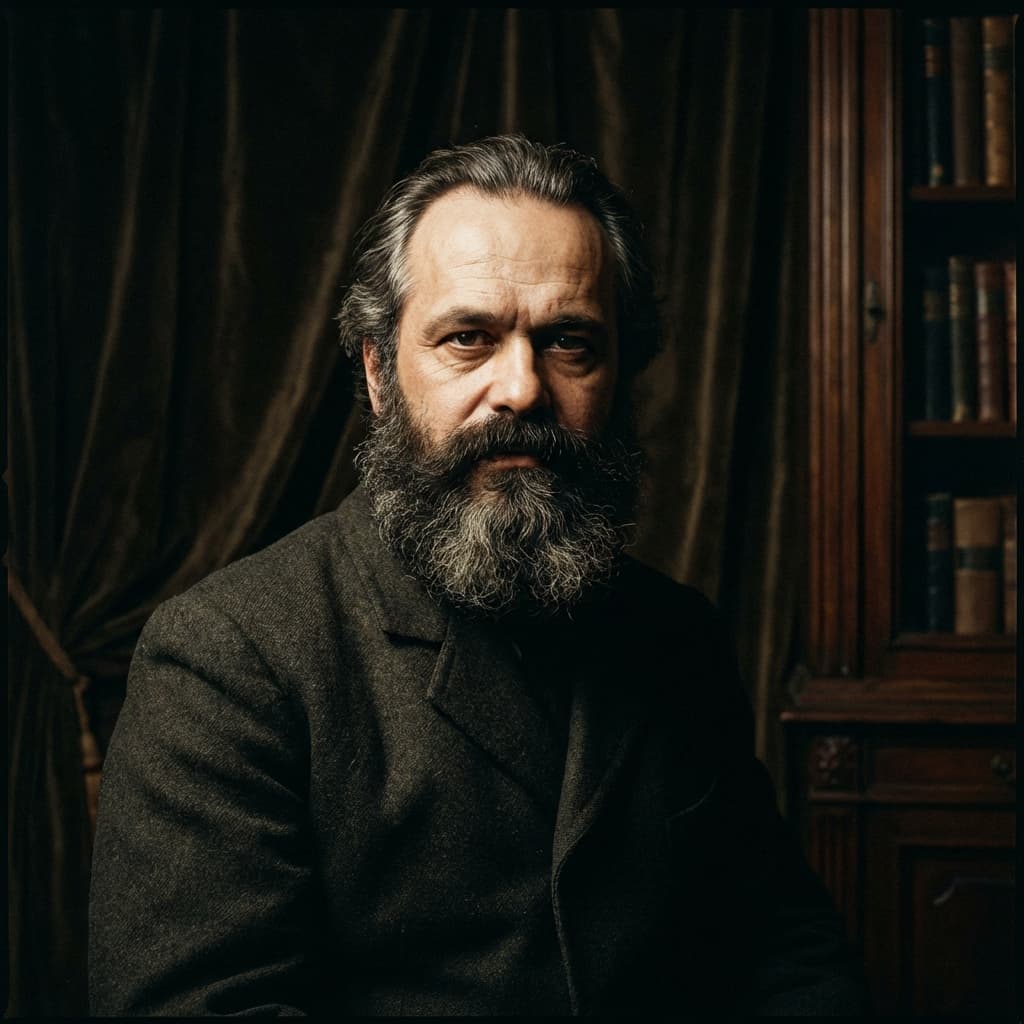
Karl Marx's book recommendations are unusual among these lists: they are reconstructed from his own writings, letters, and a parlor-game confession rather than a modern interview. The German philosopher and economist whose work founded modern communism read voraciously across literature, philosophy, and history, and the 9 titles here are sourced directly from Capital, his correspondence with Engels, his doctoral thesis, and his 1865 "Confessions." The themes are philosophy, fiction and literature, and history. His most-cited literary touchstone is Cervantes' Don Quixote, referenced in a footnote to Capital, while his intellectual debts are laid bare in a line about Hegel's Science of Logic: "I openly avowed myself the pupil of that mighty thinker." His confessions name Dante as his favorite poet and Aeschylus, whose Prometheus Bound he called the work of "the most eminent saint and martyr in the philosophical calendar," as his favorite tragedian.
Last updated January 2026 · Every recommendation cited to its original source.
Read by Albert Einstein, Karl Marx, Sigmund Freud and 3 others
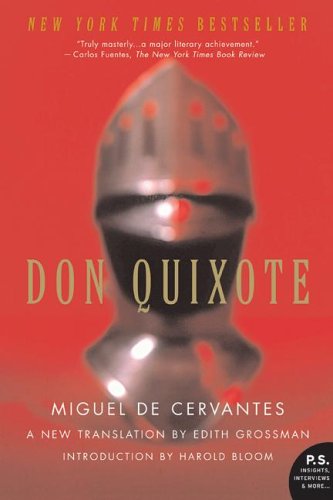
The Ingenious Gentleman Don Quixote of La Mancha
“Don Quixote long ago paid the penalty for wrongly imagining that knight errantry was compatible with all economic forms of society.”
— Karl Marx
Source: Marx, K. (1867). Capital, Volume I, Chapter 2, Footnote 34.
and D'Alembert's Dream
“This unique masterpiece will give you fresh pleasure again... The mocking laughter at existence, at the confusion of the whole and at itself.”
— Karl Marx
Source: Letter from Marx to Engels, April 15, 1869.
“Prometheus is the most eminent saint and martyr in the philosophical calendar.”
— Karl Marx
Source: Marx, K. (1841). Doctoral Thesis, Foreword. Aeschylus was Marx's favorite tragic poet.
Source: Paul Lafargue, 'Reminiscences of Marx'. Marx read and re-read Scott to his children.
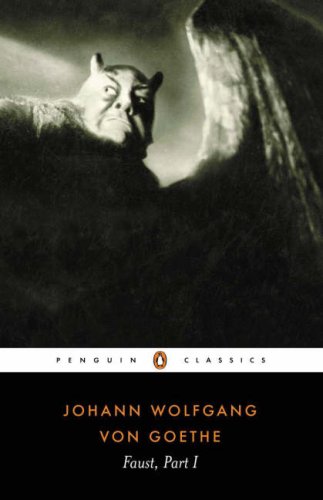
Read by Albert Einstein, Nikola Tesla, Karl Marx and 1 others
A Tragedy
“My favorite heroine: Gretchen.”
— Karl Marx
Source: Marx's 'Confessions' (Parlor Game), 1865. Listed Gretchen as favorite heroine.
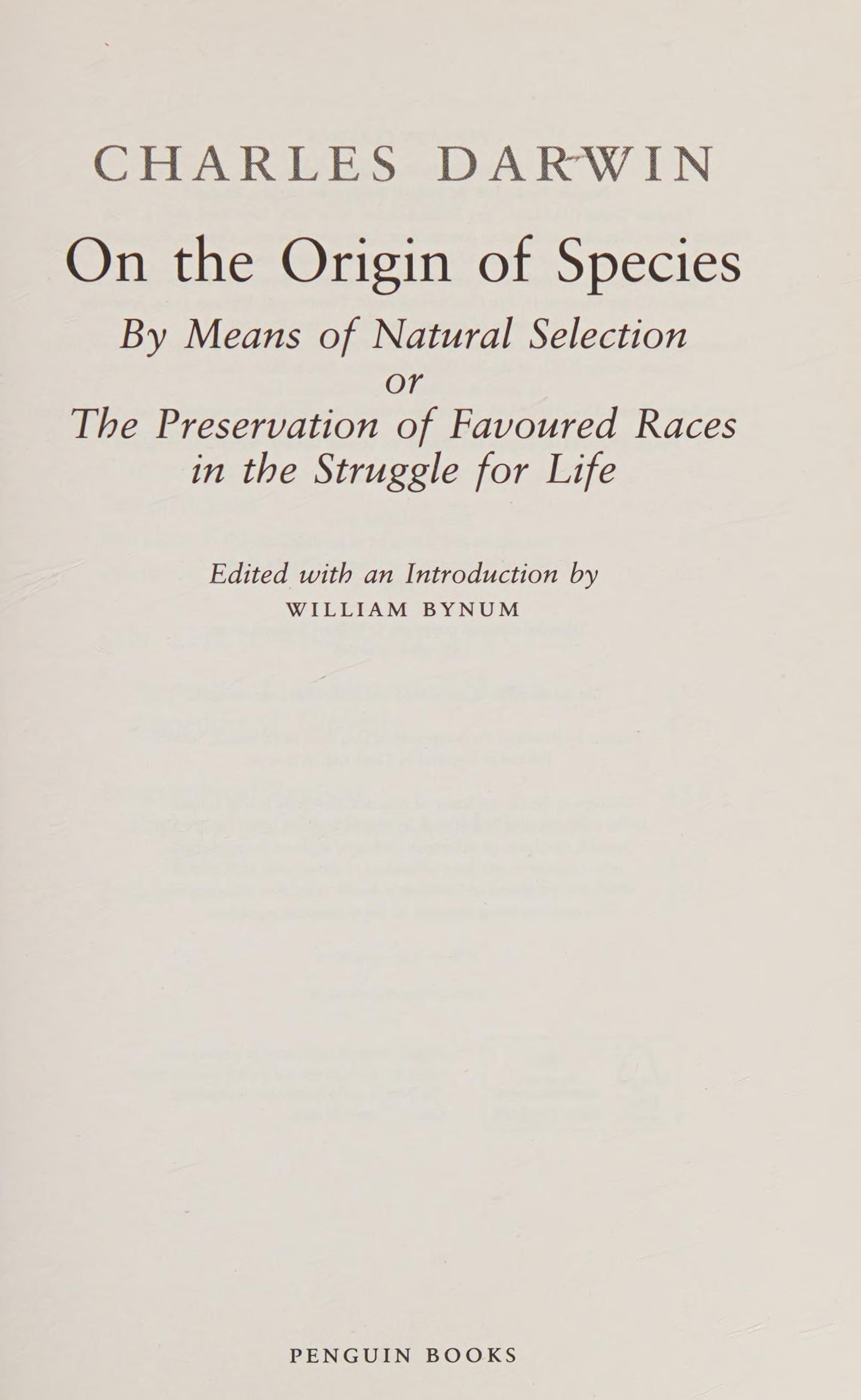
Read by Karl Marx, Neil deGrasse Tyson, Paul Graham and 1 others
By Means of Natural Selection, or the Preservation of Favoured Races in the Struggle for Life
“This is the book that contains the basis in natural history for our view.”
— Karl Marx
Source: Letter from Marx to Engels, December 19, 1860.
Wissenschaft der Logik
“I openly avowed myself the pupil of that mighty thinker.”
— Karl Marx
Source: Marx, K. (1873). Capital, Volume I, Afterword to the Second German Edition.
Inferno, Purgatorio, Paradiso
“My favorite poet: Dante.”
— Karl Marx
Source: Marx's 'Confessions' (Parlor Game), 1865. Listed Dante as favorite poet.
The Life and Strange Surprizing Adventures of Robinson Crusoe
“Of his prayers and the like we take no account... [but] he has satisfied a want of different kinds, and the execution of this work itself is an average social labour.”
— Karl Marx
Source: Marx, K. (1867). Capital, Volume I, Chapter 1, Section 4.
Also recommends books in
The 9 titles tied to Marx include Don Quixote, Aeschylus' Prometheus Bound, Goethe's Faust, Dante's The Divine Comedy, Darwin's On the Origin of Species, and Hegel's Science of Logic, drawn from his own writings and letters.
In his 1865 "Confessions" parlor game he named Dante as his favorite poet and Gretchen from Goethe's Faust as his favorite heroine. Aeschylus was his favorite tragic poet, and he read and re-read Walter Scott to his children.
They are sourced from Capital Volume I, his letters to Engels, his 1841 doctoral thesis, his 1865 "Confessions," and Paul Lafargue's "Reminiscences of Marx" rather than from any interview or curated list.
Yes. In an 1860 letter to Engels he described On the Origin of Species as "the book that contains the basis in natural history for our view," linking Darwin's account of nature to his own theory of history.
Yes. His authored works include Capital: Volume 1, The Communist Manifesto, Grundrisse, The Eighteenth Brumaire of Louis Bonaparte, Critique of the Gotha Program, and The German Ideology.