
What books does Paul Graham recommend?
The essays of Paul Graham, co-founder of Y Combinator, shaped a generation of founders, and his reading is nearly as influential — these 61 book recommendations amount to one of the most eclectic lists on the site. Culled largely from his own website, his Twitter feed, and Y Combinator's blog, they range far beyond startups into history, biography, science, and society and politics, the genres that dominate his shelf. Graham calls Jessica Livingston's Founders at Work "probably the single most valuable book a startup founder could read," yet he is just as likely to press Villehardouin's chronicle of the Fourth Crusade or Robert Heinlein's The Moon Is a Harsh Mistress, which he says "made me want to work on AI, which led to Lisp." It is the reading list of a computer scientist who never stopped being a medievalist at heart.
Last updated February 2026 · Every recommendation cited to its original source.
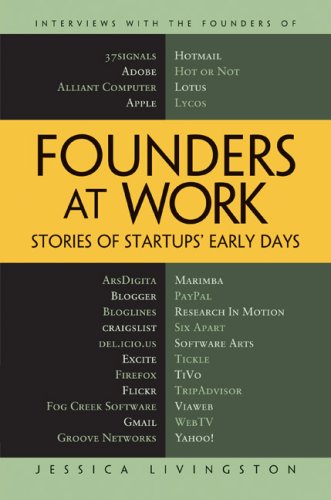
Founders at Work: Stories of Startups' Early Days
Stories of Startups' Early Days
byJessica Livingston
2007456 Pages“Probably the single most valuable book a startup founder could read.”
— Paul Graham
Source: Paul Graham's Website (RAQs)


Read by Warren Buffett, Alex Hormozi, Chip Wilson and 11 others
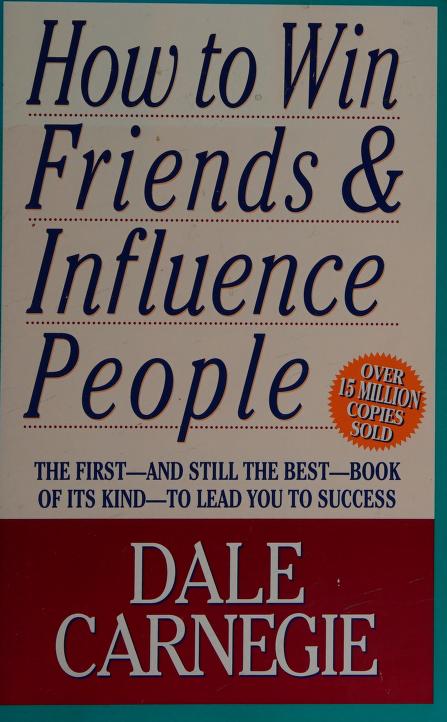
byDale Carnegie
1936291 Pages“The one book we encourage startup founders to read is Dale Carnegie's How to Win Friends and Influence People. It's critically important for anyone in business.”
— Paul Graham
Source: Y Combinator Blog
Read by Elon Musk, Naval Ravikant, Sean Carroll and 1 others
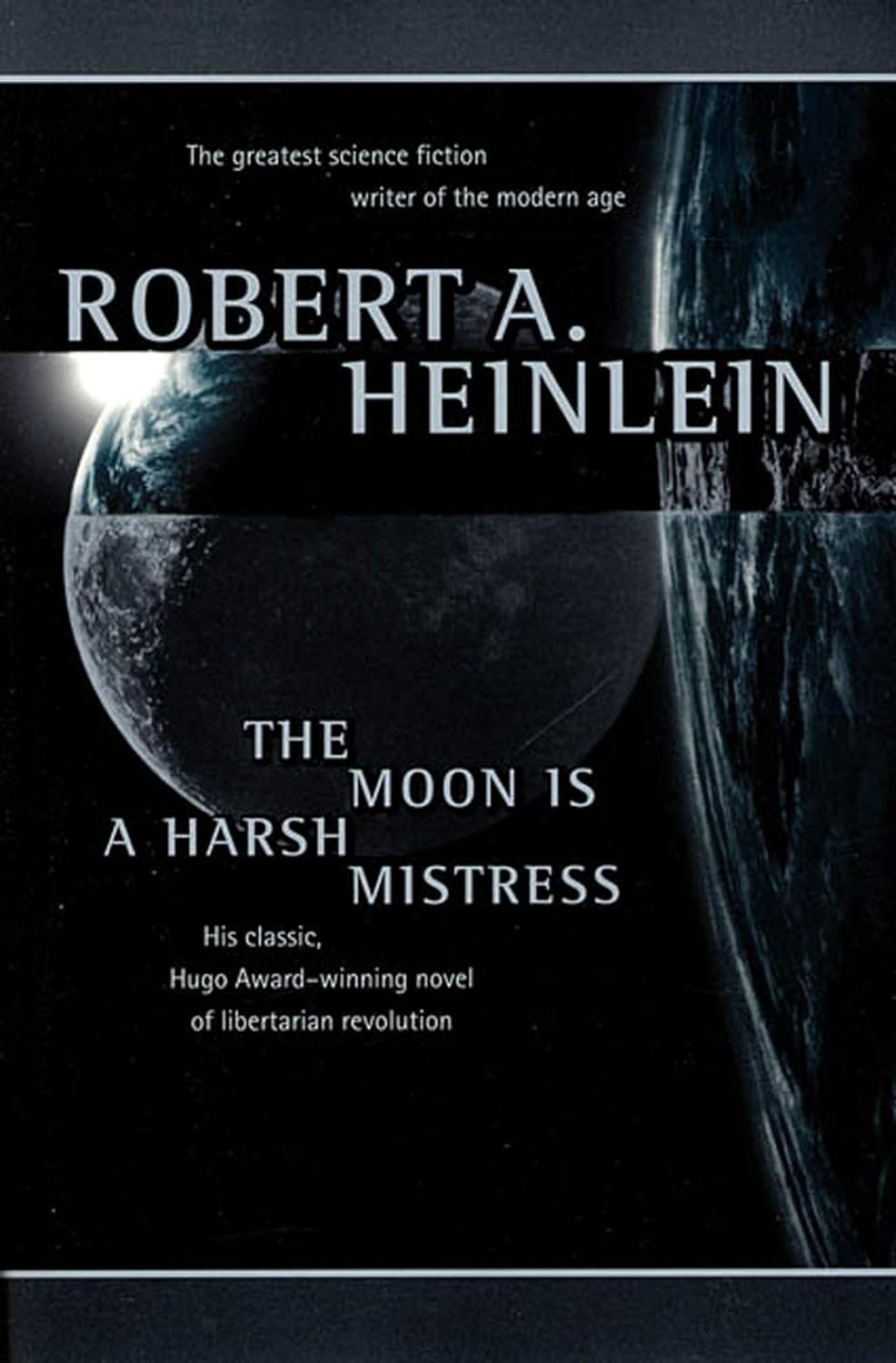
byRobert A. Heinlein
1997382 Pages“The Moon is a Harsh Mistress made me want to work on AI, which led to Lisp.”
— Paul Graham
Source: Paul Graham's Twitter
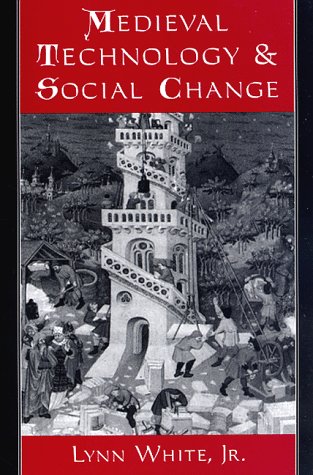
byLynn White Jr.
1966224 Pages“White's Medieval Technology and Social Change is the most fabulous book.”
— Paul Graham
Source: Paul Graham's Twitter
Read by Jamie Dimon, Paul Graham, Jim Rohn and 1 others
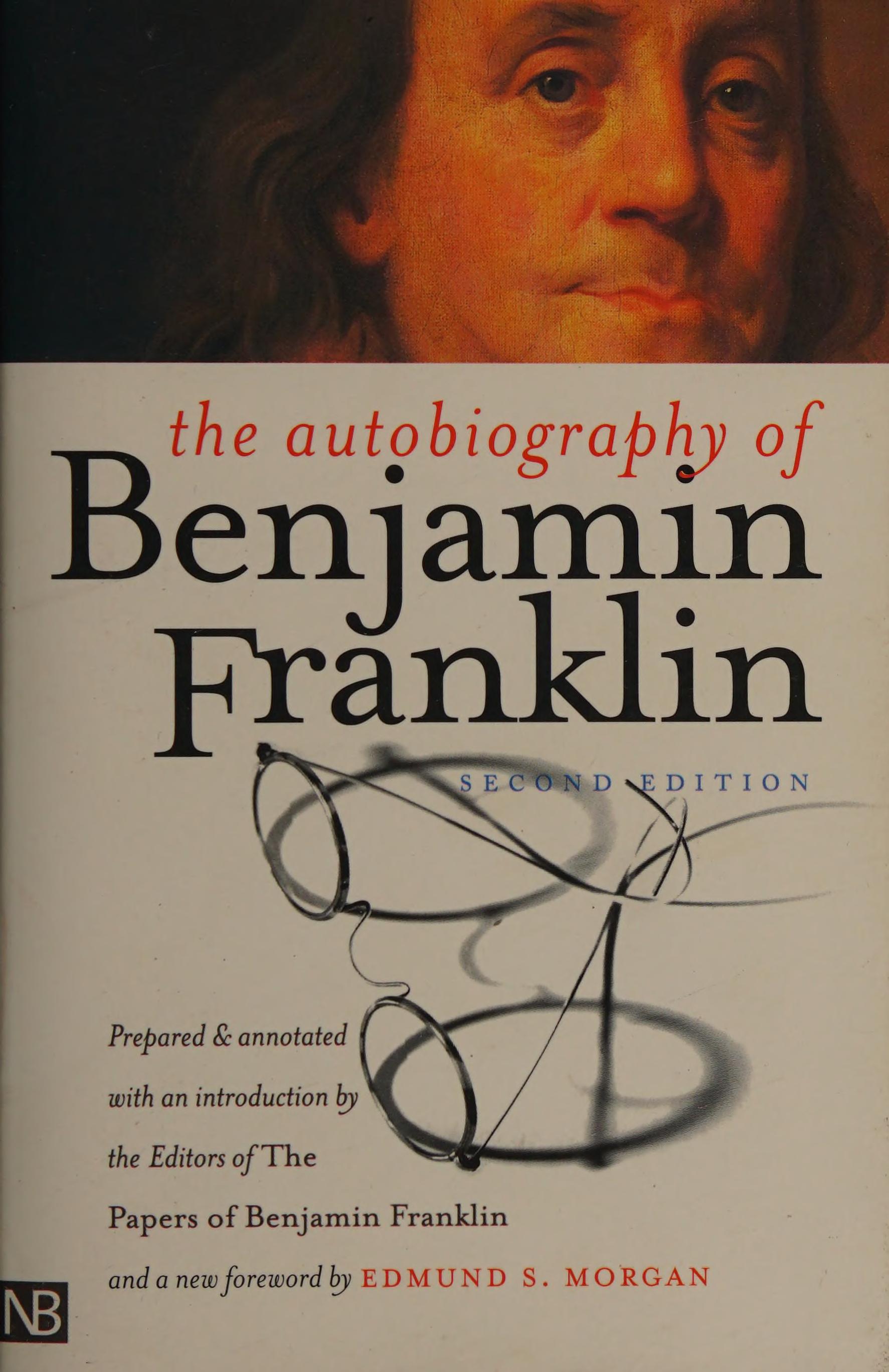
byBenjamin Franklin
2003351 Pages“It's a great book, probably in my all time top 100.”
— Paul Graham
Source: Paul Graham's Website (RAQs)
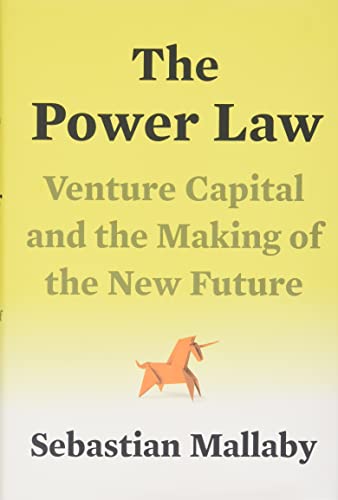
The Power Law
Venture Capital and the Making of the New Future
bySebastian Mallaby
2022496 Pages“If you want to understand how venture capital works and the effect it has had on the US economy, this is the book to read. Lots of people talk about VC. Few of them understand it. But Mallaby does.”
— Paul Graham
Source: Paul Graham's Twitter

Read by Peter Thiel, Elon Musk, Reid Hoffman and 8 others
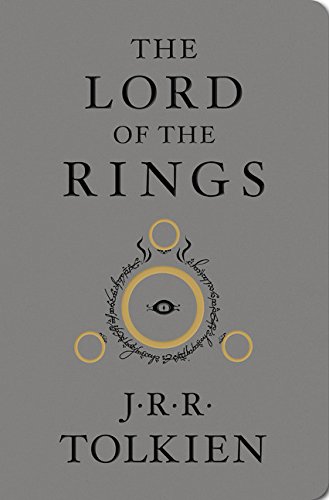
The Lord of the Rings
The Fellowship of the Ring / The Two Towers / The Return of the King
byJ.R.R. Tolkien
19541178 Pages(721,705)
“It's so important to show this journey... [Recommends for young adults]”
— Paul Graham
Source: Paul Graham's Website (RAQs)

Read by Mark Zuckerberg, Daniel Ek, David Sinclair and 1 others
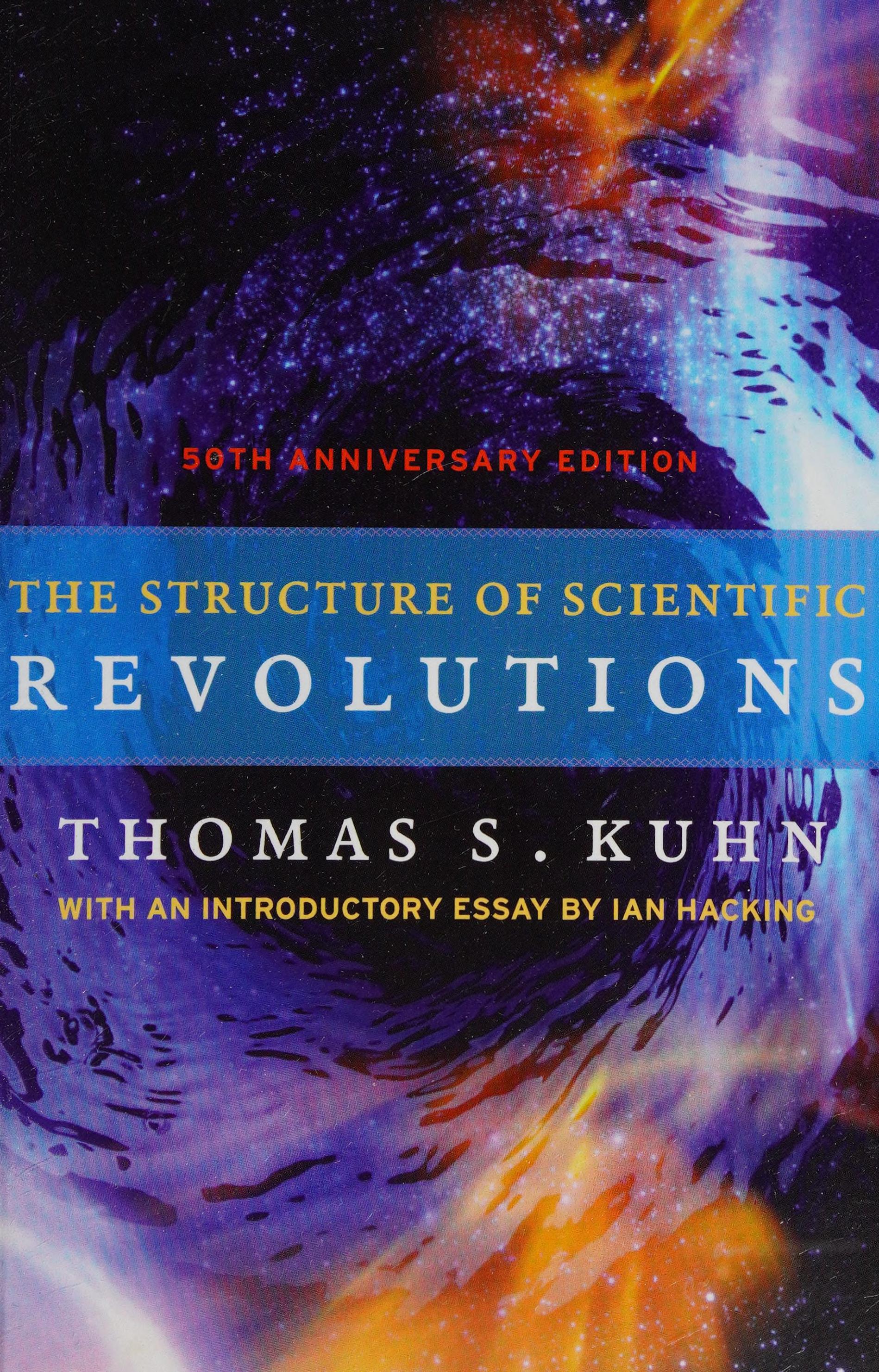
The Structure of Scientific Revolutions
50th Anniversary Edition
byThomas S. Kuhn
2012264 Pages(138,542)
“So good I'm reading slow to make it last.”
— Paul Graham
Source: Paul Graham's Twitter

Read by Jordan Peterson, Bryan Johnson, Paul Graham and 2 others
Zen and the Art of Motorcycle Maintenance
An Inquiry into Values
byRobert M. Pirsig
1974540 PagesSource: Paul Graham's Twitter

Read by Paul Graham
byGerald Durrell
2004273 Pages“It is a wonderful book.”
— Paul Graham
Source: Paul Graham's Twitter
Read by Paul Graham
Wing Leader
The Incredible Story of the Top-Scoring RAF Fighter Ace of WWII
byJohnnie Johnson
2019320 Pages“One of my favorite books that almost nobody else knows or talks about.”
— Paul Graham
Source: Paul Graham's Website (RAQs)
Read by Paul Graham
Guns, Sails, and Empires
Technological Innovation and the Early Phases of European Expansion, 1400-1700
byCarlo M. Cipolla
1965192 Pages“Amazing.”
— Paul Graham
Source: Paul Graham's Twitter
Read by Paul Graham
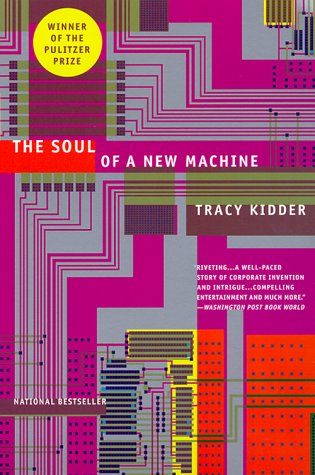
byTracy Kidder
1981293 PagesSource: Paul Graham's Website (RAQs)
Read by Paul Graham
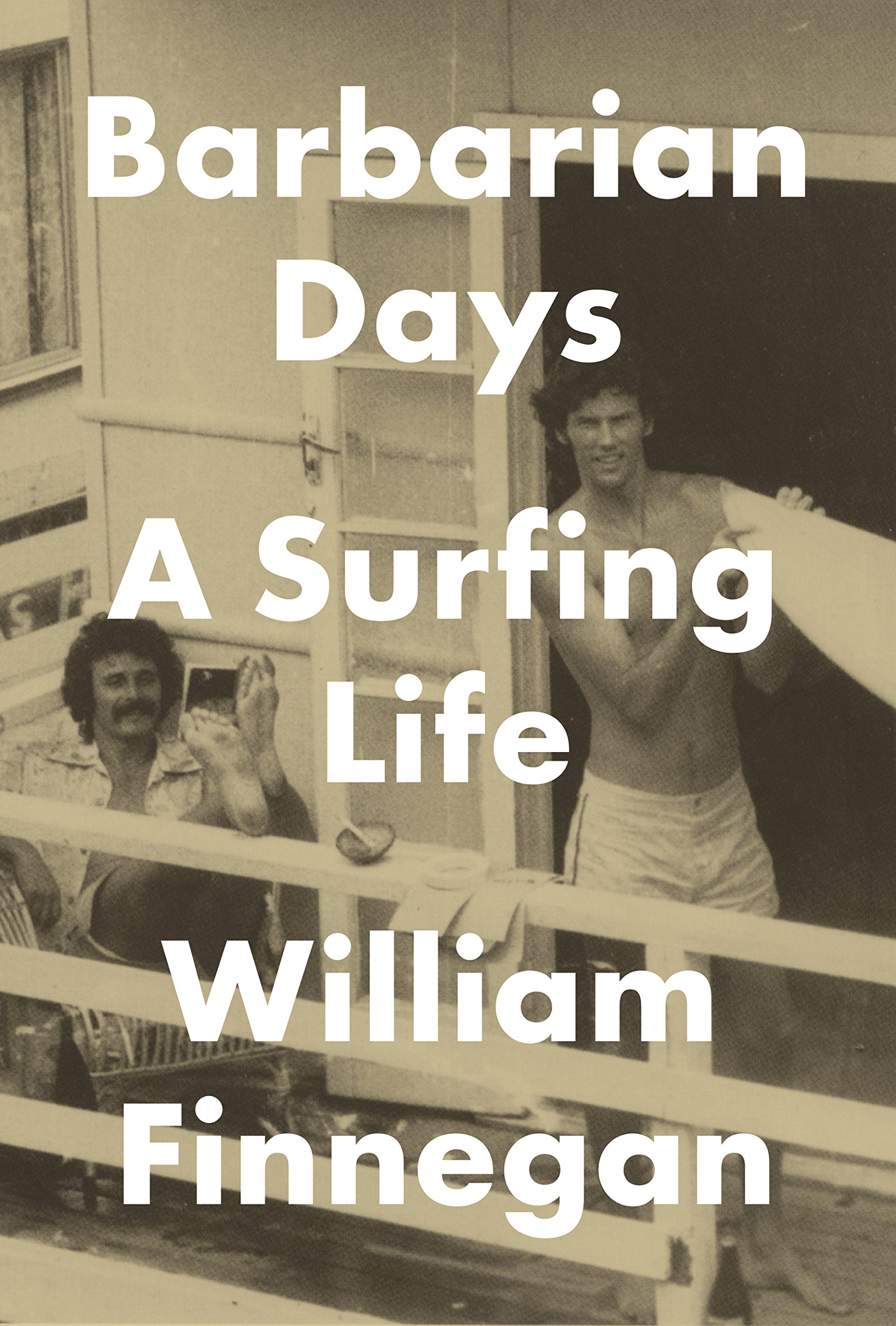
Barbarian Days: A Surfing Life
A Surfing Life
byWilliam Finnegan
2015464 Pages“It's one of those rare books that divide your life into two parts: before you read it, and after.”
— Paul Graham
Source: Paul Graham's Twitter
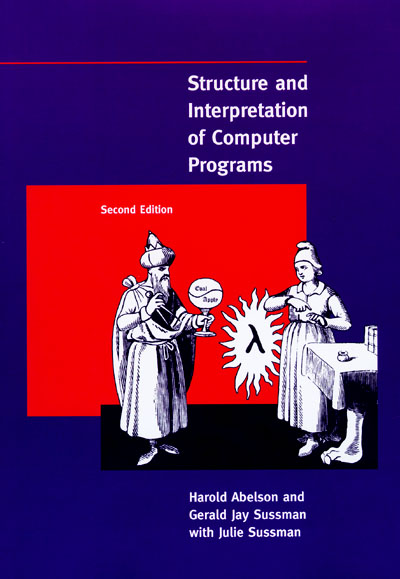
byHarold Abelson, Gerald Jay Sussman, Julie Sussman
1996657 Pages“This is one of the great classics of computer science. I bought my first copy 15 years ago, and I still don't feel I have learned everything the book has to teach.”
— Paul Graham
Source: Paul Graham's Website (RAQs)
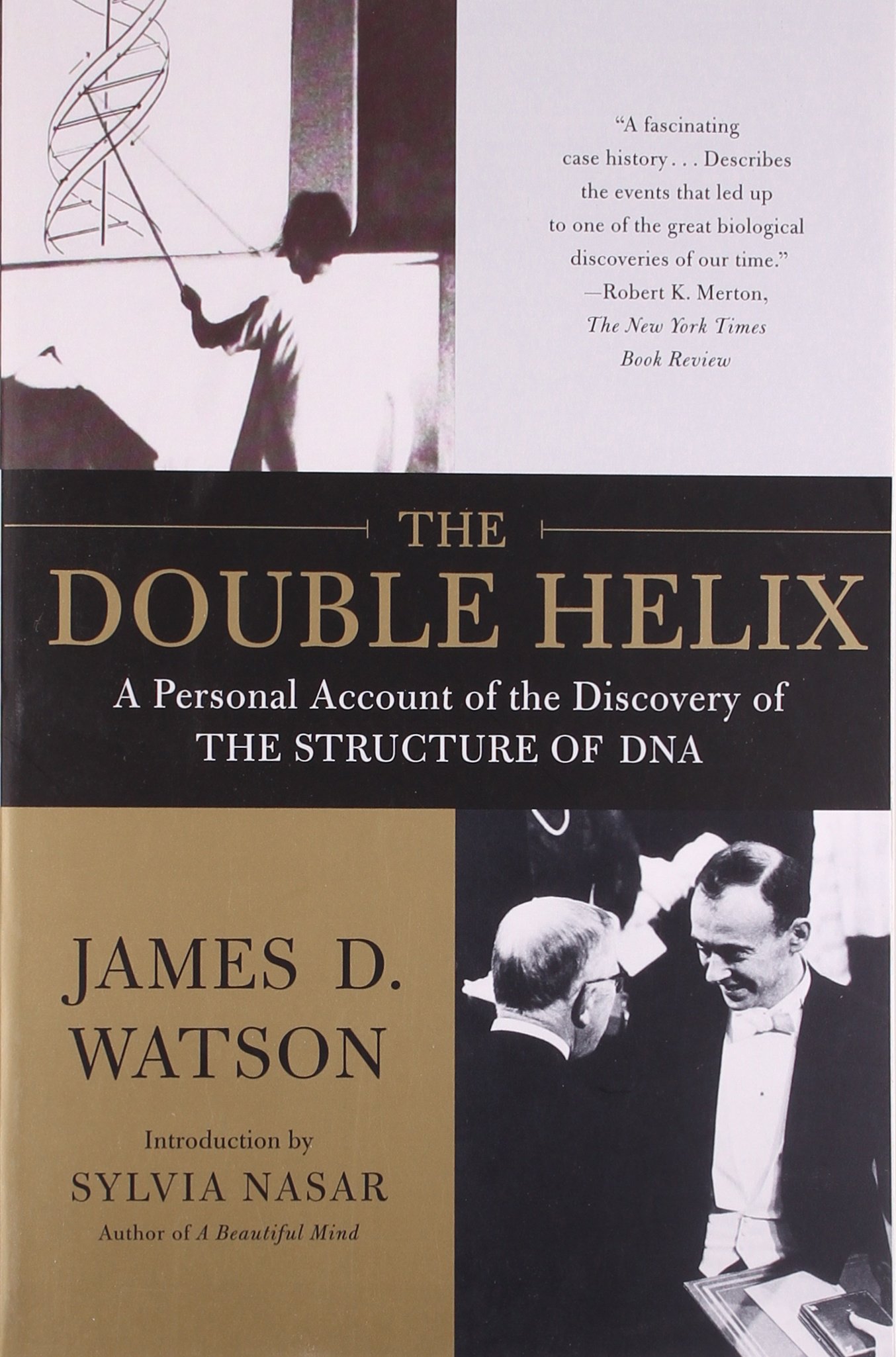

The Double Helix
A Personal Account of the Discovery of the Structure of DNA
byJames D. Watson
1968226 Pages“The most impressive feature of The Double Helix is how much Watson admits he didn't know. He's constantly talking about papers he couldn't understand and important concepts he didn't grasp.”
— Paul Graham
Source: Paul Graham's Twitter
Read by Karl Marx, Neil deGrasse Tyson, Paul Graham and 1 others
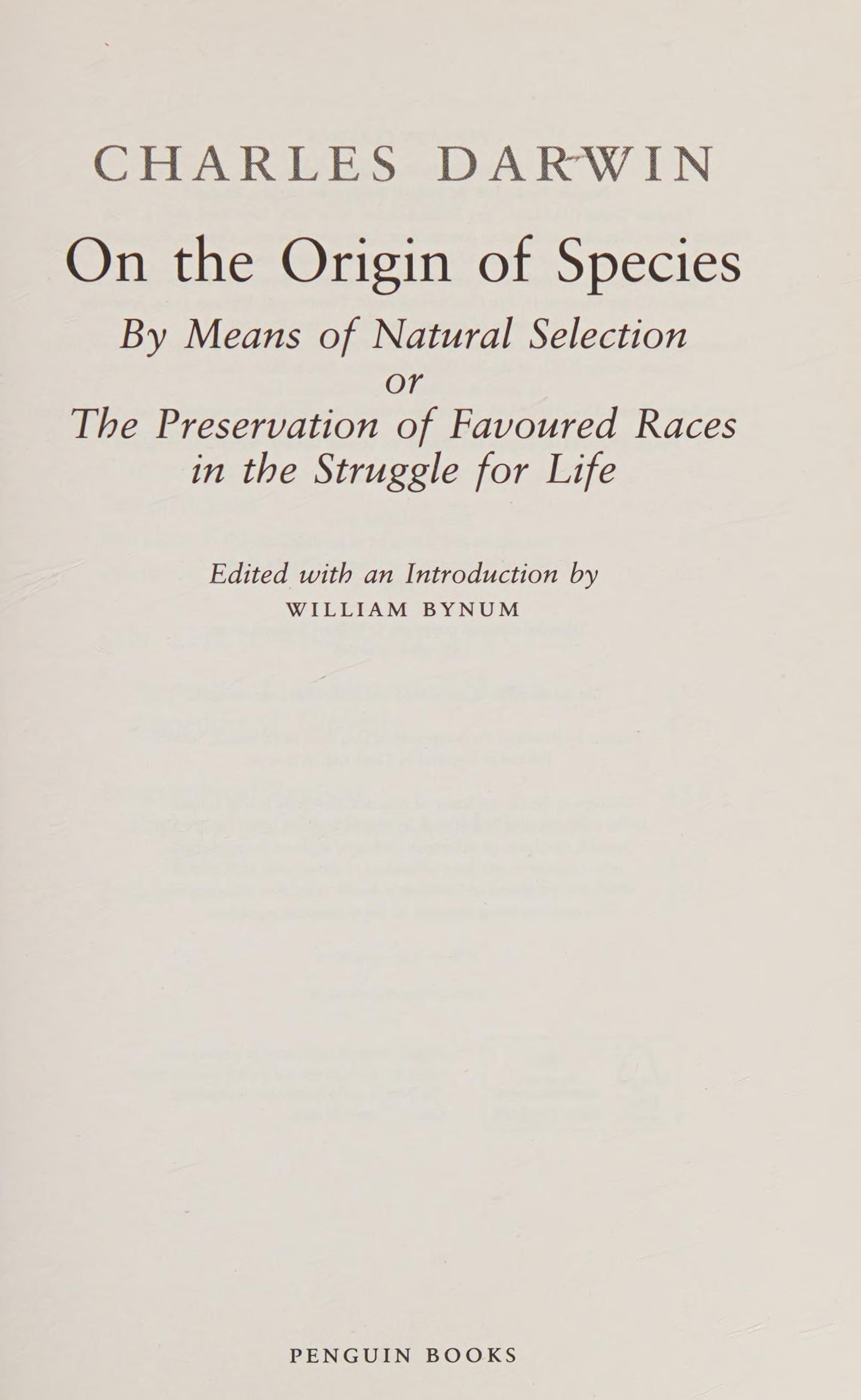
On the Origin of Species
By Means of Natural Selection, or the Preservation of Favoured Races in the Struggle for Life
byCharles Darwin
2009576 Pages(275,000)
Source: Paul Graham's Twitter
Read by Paul Graham
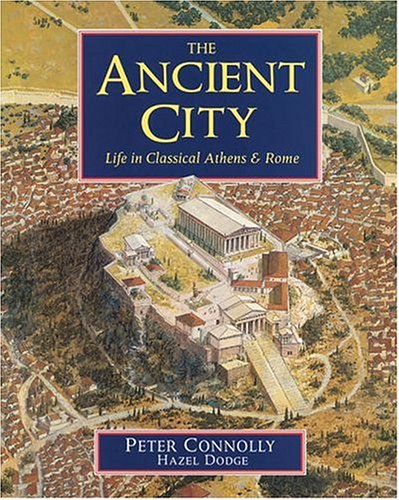
The Ancient City
Life in Classical Athens and Rome
byPeter Connolly, Hazel Dodge
1998256 Pages“Peter Connolly's The Ancient City is one of the best books I've found for explaining history to kids.”
— Paul Graham
Source: Paul Graham's Twitter
Read by Paul Graham
byClarence L. Johnson, Maggie Smith
1985224 Pages“How did I not know about this book til now?”
— Paul Graham
Source: Paul Graham's Twitter
Read by Paul Graham
The Old Way
A Story of the First People
byElizabeth Marshall Thomas
2006368 Pages“If you want to learn more about hunter gatherers I strongly recommend Elizabeth Marshall Thomas's 'The Old Way'.”
— Paul Graham
Source: Paul Graham's Twitter
Read by Paul Graham
byJoshua Slocum
1900320 Pages(18,450)
“Slocum's Sailing Alone Around the World is great. As well as being the first to sail single-handed around the world, he writes with such humor and directness that this may also be the best book on sailing period.”
— Paul Graham
Source: Paul Graham's Website (RAQs)
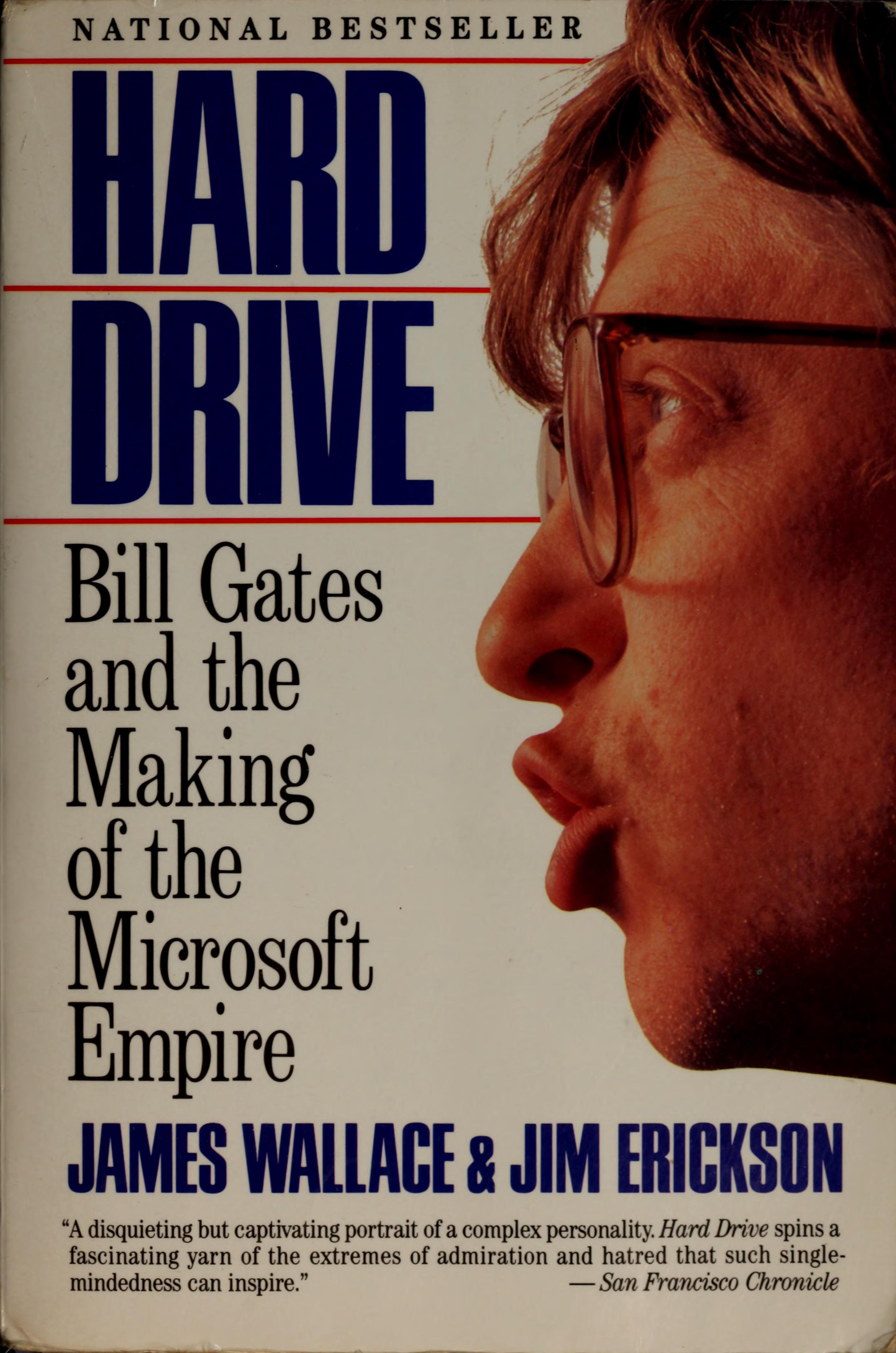
Hard Drive
Bill Gates and the Making of the Microsoft Empire
byJames Wallace, Jim Erickson
1993426 Pages“Hard Drive, about Microsoft, is good.”
— Paul Graham
Source: Paul Graham's Website (RAQs)

Read by Paul Graham
The Fry Chronicles
An Autobiography
byStephen Fry
2010448 Pages“As perfect as Wodehouse.”
— Paul Graham
Source: Paul Graham's Twitter
Read by Paul Graham
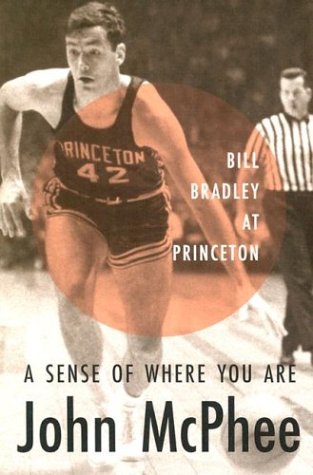
A Sense of Where You Are
Bill Bradley at Princeton
byJohn McPhee
1999240 PagesSource: Paul Graham's Website (RAQs)
Loading more
Also recommends books in
Frequently asked questions
What books does Paul Graham recommend?
Among his 61 recommendations are Founders at Work by Jessica Livingston, How to Win Friends and Influence People by Dale Carnegie, The Moon Is a Harsh Mistress by Robert Heinlein, The Autobiography of Benjamin Franklin, and The Power Law by Sebastian Mallaby.
What is Paul Graham's top book for founders?
He calls Founders at Work by Jessica Livingston "probably the single most valuable book a startup founder could read." He also singles out Dale Carnegie's How to Win Friends and Influence People as the one book Y Combinator encourages every founder to read.
Where do Paul Graham's book recommendations come from?
Most come from his own website's answers to frequent questions, his Twitter feed, his essays, and the Y Combinator blog, with a few surfacing on Hacker News. Many are casual, one-line endorsements posted over years of reading.
Has Paul Graham written any books?
Yes. Graham authored three: Hackers & Painters (2004), ANSI Common Lisp (1995), and On Lisp (1993). His essays remain his most widely read work, but these books established his technical reputation.
What genres does Paul Graham read most?
History dominates, followed by society and politics, biographies and memoirs, and science and technology. His list ranges from medieval and classical history to mathematics, aviation memoirs, and the occasional Wodehouse novel.
All 61 Books Paul Graham Has Recommended
- Founders at Work: Stories of Startups' Early Days · Jessica Livingston
- How to Win Friends and Influence People · Dale Carnegie
- The Moon Is a Harsh Mistress · Robert A. Heinlein
- Medieval Technology and Social Change · Lynn White Jr.
- The Autobiography of Benjamin Franklin · Benjamin Franklin
- The Power Law · Sebastian Mallaby
- The Lord of the Rings · J.R.R. Tolkien
- The Structure of Scientific Revolutions · Thomas S. Kuhn
- Zen and the Art of Motorcycle Maintenance · Robert M. Pirsig
- My Family and Other Animals · Gerald Durrell
- Wing Leader · Johnnie Johnson
- Guns, Sails, and Empires · Carlo M. Cipolla
- The Soul of a New Machine · Tracy Kidder
- Barbarian Days: A Surfing Life · William Finnegan
- Structure and Interpretation of Computer Programs · Harold Abelson
- The Double Helix · James D. Watson
- On the Origin of Species · Charles Darwin
- The Ancient City · Peter Connolly
- Kelly: More Than My Share of It All · Clarence L. Johnson
- The Old Way · Elizabeth Marshall Thomas
- Sailing Alone Around the World · Joshua Slocum
- Hard Drive · James Wallace
- The Fry Chronicles · Stephen Fry
- A Sense of Where You Are · John McPhee
- Very Good, Jeeves! · P.G. Wodehouse
- Carry On, Jeeves · P.G. Wodehouse
- A Mathematician's Apology · G.H. Hardy
- Albert Einstein: Creator and Rebel · Banesh Hoffmann
- The Man Who Knew Infinity · Robert Kanigel
- On Bullshit · Harry G. Frankfurt
- The Battle of Alcazar · E.W. Bovill
- The Golden Trade of the Moors · E.W. Bovill
- The Gun Seller · Hugh Laurie
- The Conquest of Gaul · Julius Caesar
- The Persian Expedition (Anabasis) · Xenophon
- From Galileo to Newton · A. Rupert Hall
- I Want to Be a Mathematician · Paul R. Halmos
- The Making of Europe · Robert Bartlett
- A Story Lately Told · Anjelica Huston
- Moorish Spain · Richard Fletcher
- Civilisation · Kenneth Clark
- The Oxford History of Britain · Kenneth O. Morgan
- The World We Have Lost · Peter Laslett
- The Extension of Man · J.D. Bernal
- Mohammed and Charlemagne · Henri Pirenne
- The Fall of Constantinople 1453 · Steven Runciman
- An Autobiography · Anthony Trollope
- Mathematician's Delight · W.W. Sawyer
- Concorde: The Inside Story · Geoffrey Knight
- Born Red: A Chronicle of the Cultural Revolution · Gao Yuan
- Richard Feynman: A Life in Science · John Gribbin
- Sunset at Blandings · P.G. Wodehouse
- The Spectator · Joseph Addison
- Memoirs or Chronicle of the Fourth Crusade and the Conquest of Constantinople · Geoffrey de Villehardouin
- The Complete Sherlock Holmes · Arthur Conan Doyle
- The German Generals Talk · Basil H. Liddell Hart
- A Perfect Mess · Eric Abrahamson
- Oranges · John McPhee
- The Art of War in the Middle Ages · Charles Oman
- With the Old Breed: At Peleliu and Okinawa · E. B. Sledge
- Boyd: The Fighter Pilot Who Changed the Art of War · Robert Coram