

Read by Arianna Huffington, Jamie Dimon, Brian Armstrong and 1 others

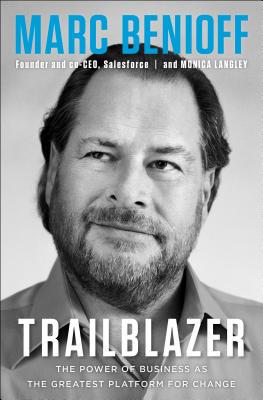
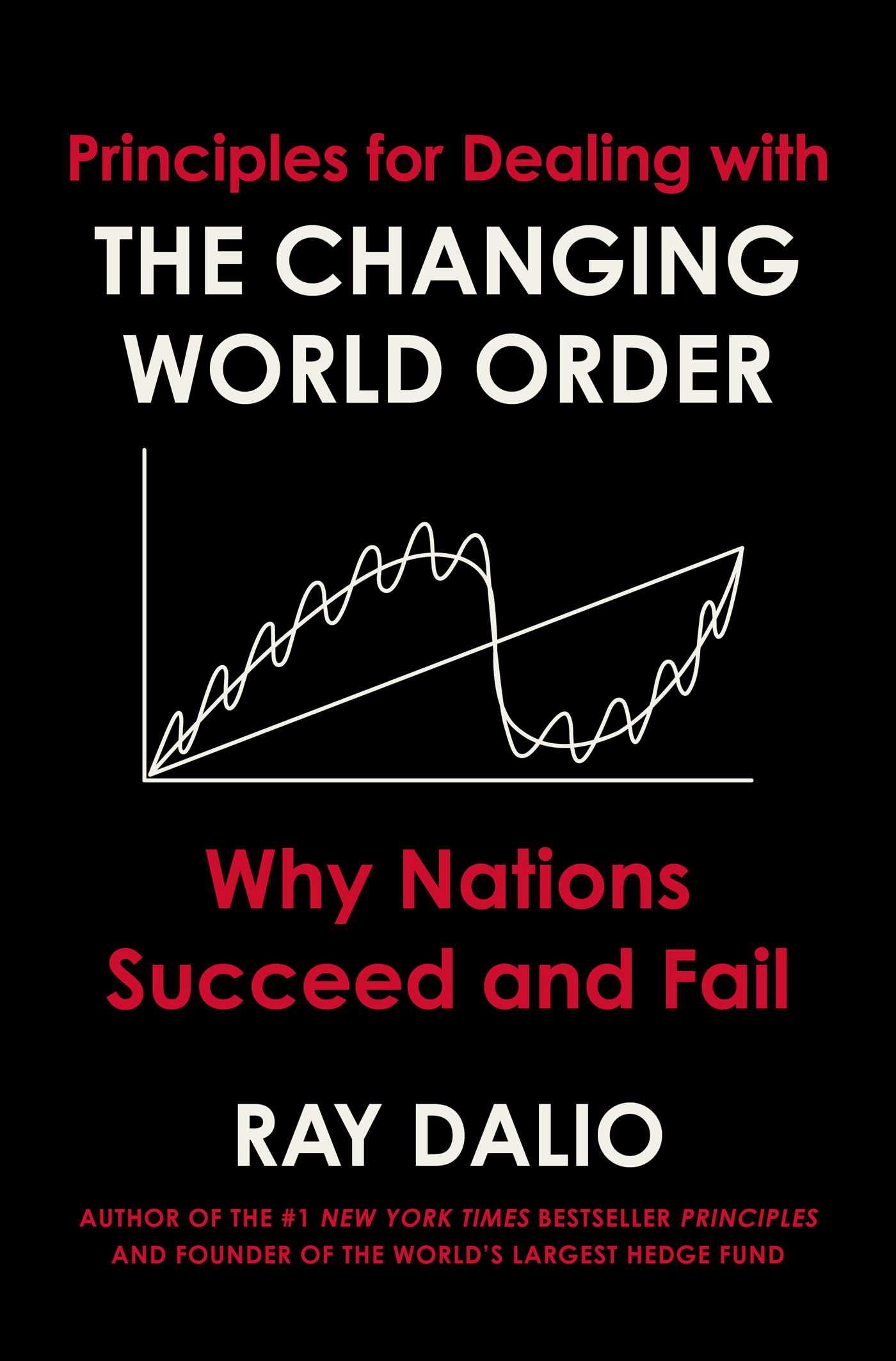
As chairman and CEO of JPMorgan Chase, Jamie Dimon steers one of the largest banks in the world, and his book recommendations read like the reading list of a man doing exactly that. His 33 titles are surfaced through official book blurbs, McKinsey's 'What CEOs are reading' list, and a JPMorgan intern reading list, and they are weighted toward history, biographies and memoirs, society and politics, and leadership and management. His notable picks include Ray Dalio's Principles for Dealing with the Changing World Order, which Dimon praises for how it examines 'the rises and declines of empires, showing how economics, culture, military prowess, innovation, inequality, and other elements interact.' Michael Dell's Play Nice But Win and Marc Benioff's Trailblazer sit alongside it, reflecting a reading list built around leadership, economics, and the long arc of history.
Last updated February 2026 · Every recommendation cited to its original source.
Read by Arianna Huffington, Jamie Dimon, Brian Armstrong and 1 others
Why Nations Succeed and Fail
“Ray does an astounding job of giving us an inspiring and thought-provoking experience by looking at the rises and declines of empires, showing how economics, culture, military prowess, innovation, inequality, and other elements interact. He leaves us with an improved perspective for thinking about very vexing issues such as the state of America versus China.”
— Jamie Dimon
Source: Official Book Blurb
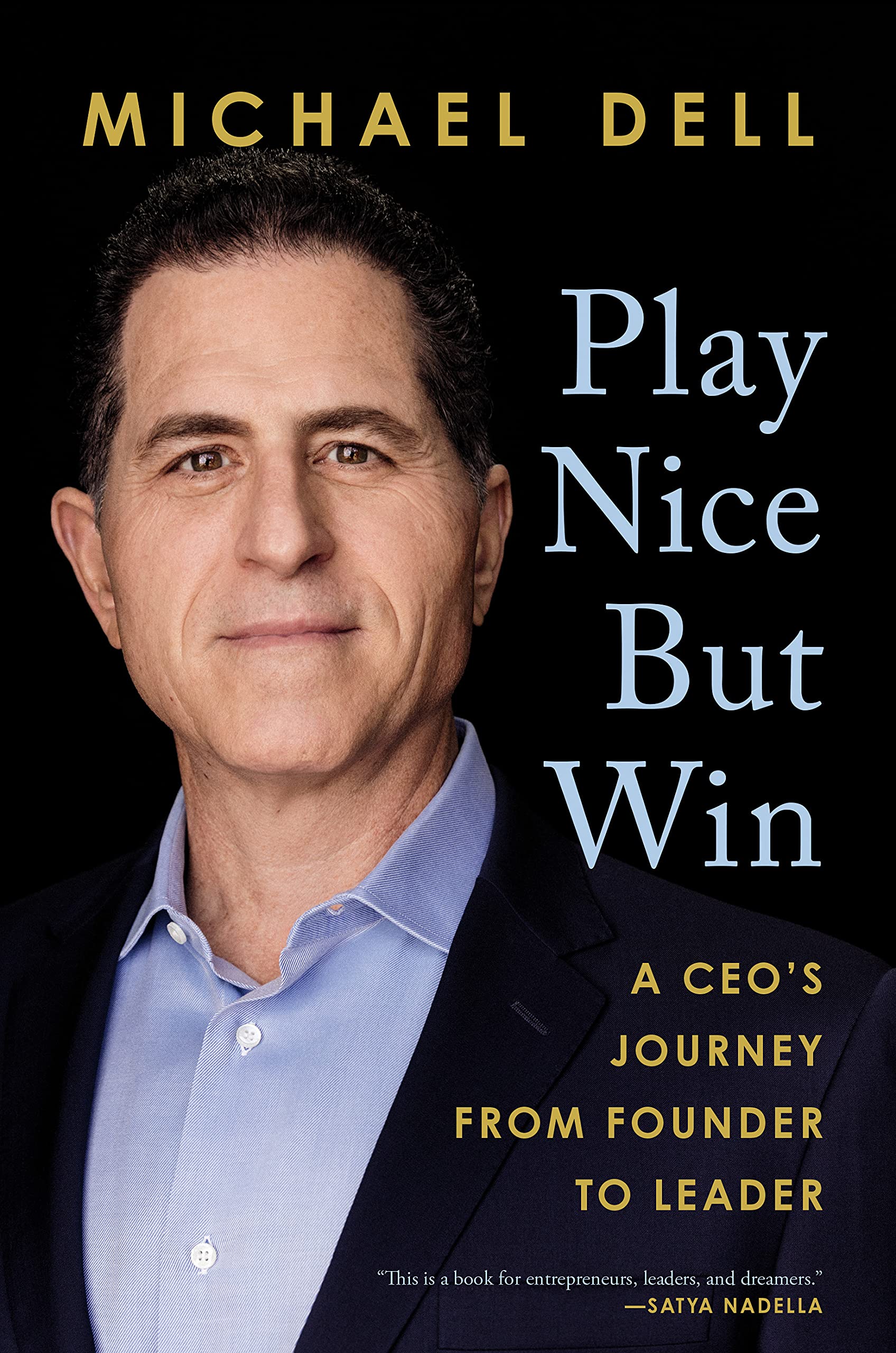
Read by Sheryl Sandberg, Richard Branson, Jamie Dimon and 2 others
A CEO's Journey from Founder to Leader
“In this super-candid book filled with revealing stories, Michael Dell shows how his development as a person was tightly intertwined with building the company he founded in his college dorm room. It's a fast-paced tale of launching a public company, taking it private, and then taking it public again, all while wrestling with colorful characters... The result is a book that is exciting, insightful, and valuable.”
— Jamie Dimon
Source: Official Book Blurb
The Power of Business as the Greatest Platform for Change
“A guide for what every business and organization must do to thrive in this period of profound political and economic change.”
— Jamie Dimon
Source: Official Book Blurb
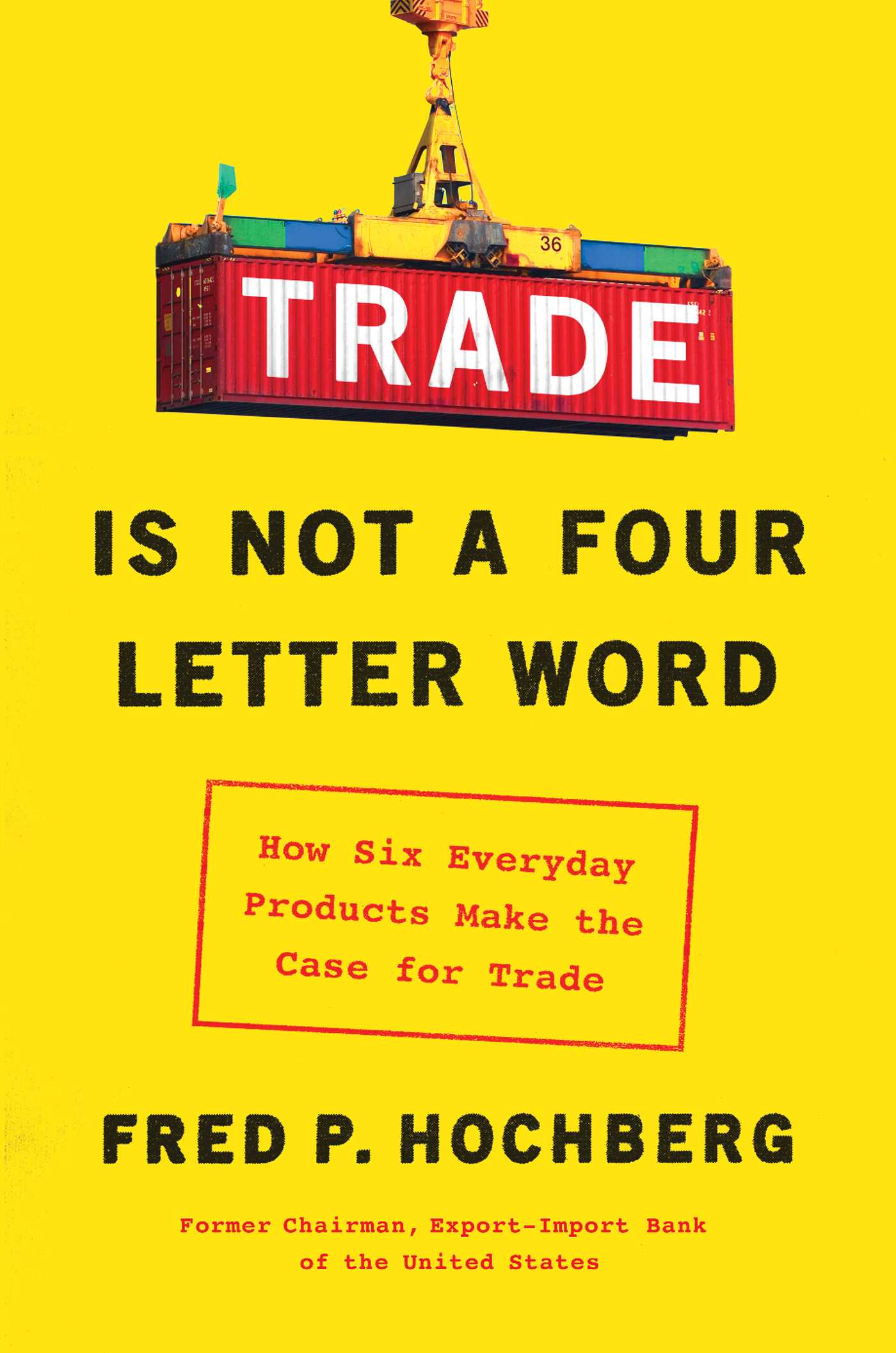
Read by Jamie Dimon
How Six Everyday Products Make the Case for Trade
“By turns practical and insightful, Fred's indefatigable spirit, sound judgement, and depth of experience shine through in Trade Is Not a Four-Letter Word. Throughout his unique upbringing and accomplished career, which spanned a period of profound political and economic change, Fred set a standard of leadership and level-headed collaboration while dealing with the complex issues around global trade and the many ways it impacts our day-to-day lives.”
— Jamie Dimon
Source: Official Book Blurb
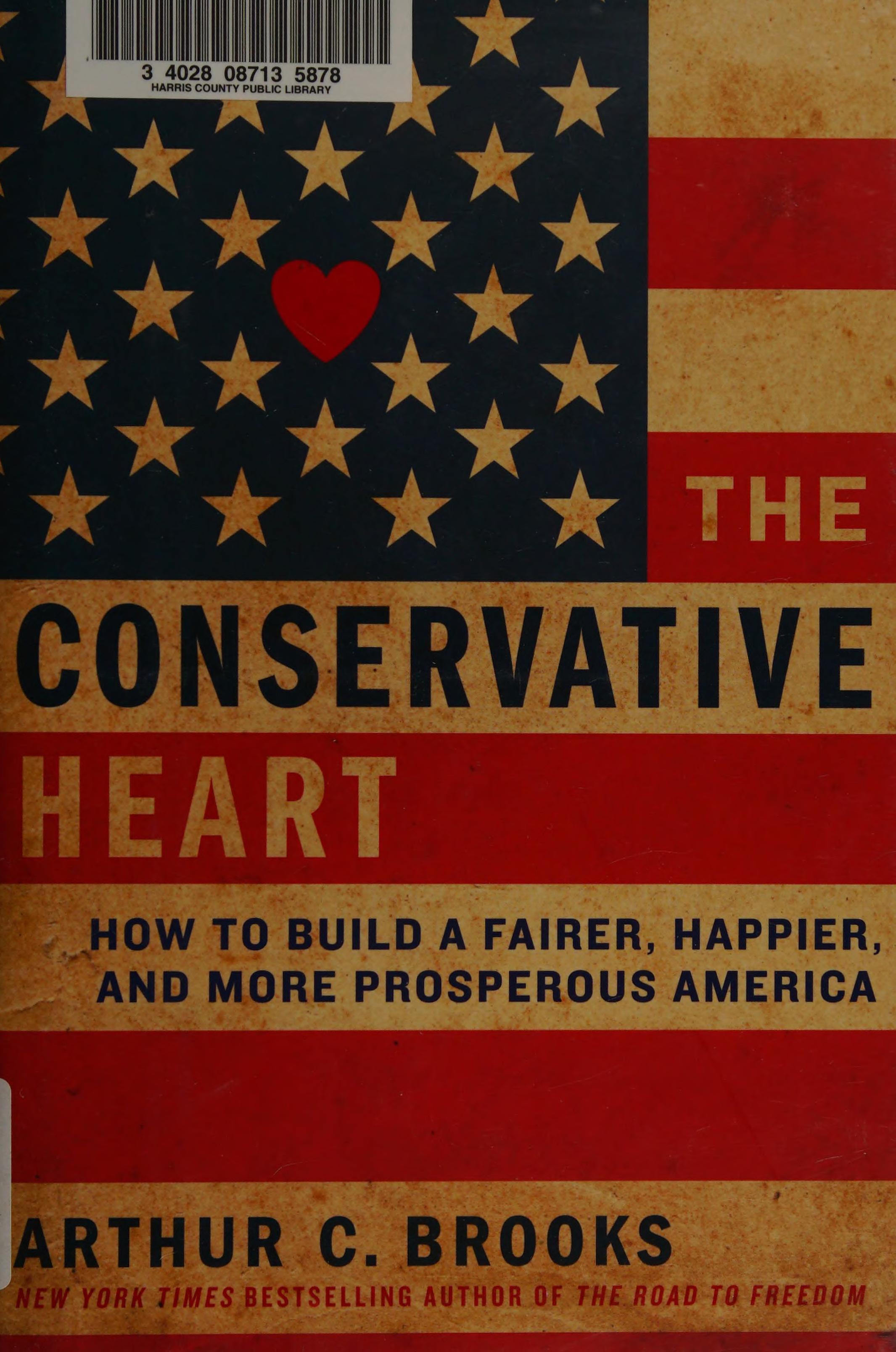
Read by Jamie Dimon
How to Build a Fairer, Happier, and More Prosperous America
Source: McKinsey 'What CEOs are reading' List 2015
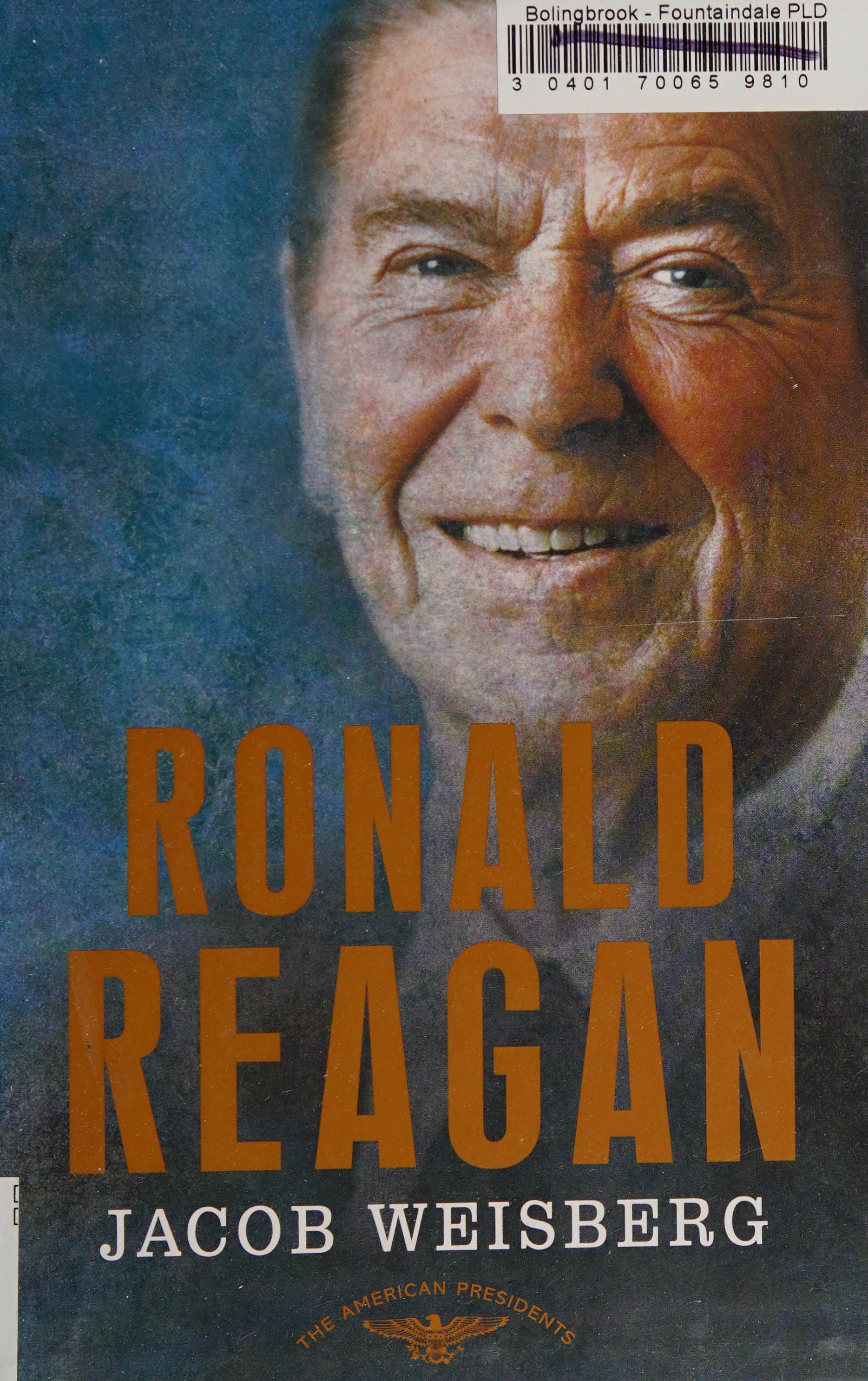
Read by Jamie Dimon
The American Presidents Series: The 40th President, 1981-1989
Source: McKinsey 'What CEOs are reading' List 2015
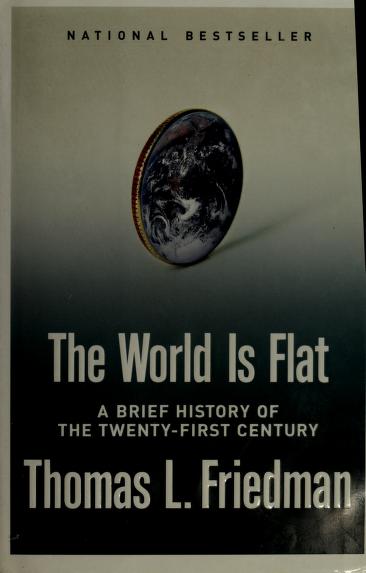
Read by Jack Ma, Jamie Dimon
A Brief History of the Twenty-first Century
Source: JPMorgan Intern Reading List 2010
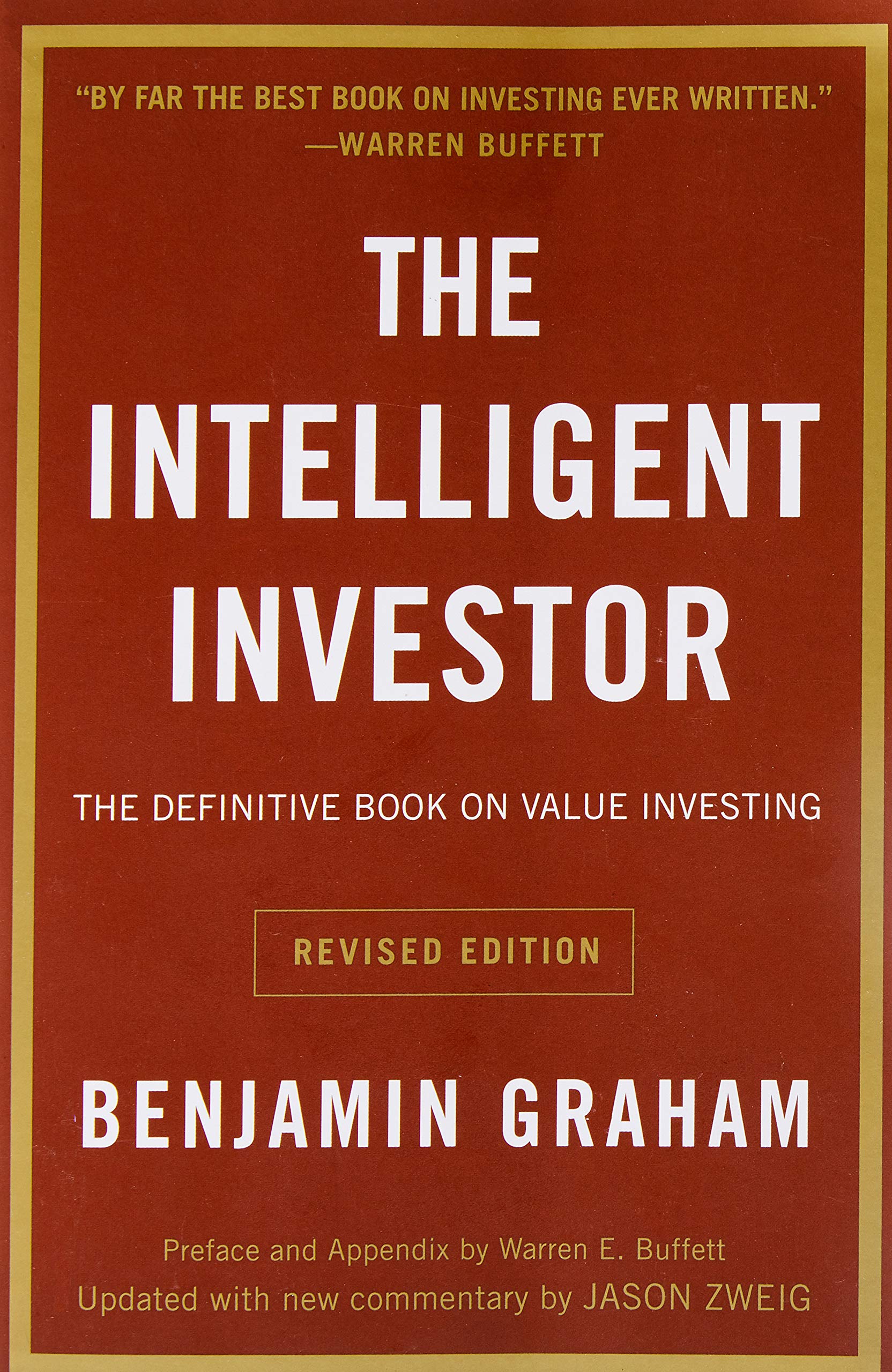
Read by Warren Buffett, Jamie Dimon, Bill Ackman and 3 others
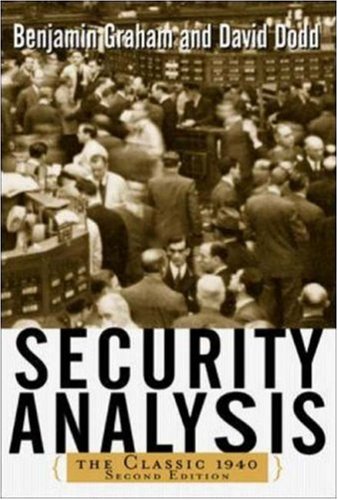
The Definitive Book on Value Investing
Source: JPMorgan Intern Reading List 2010
The Classic 1940 Edition
Source: JPMorgan Intern Reading List 2010
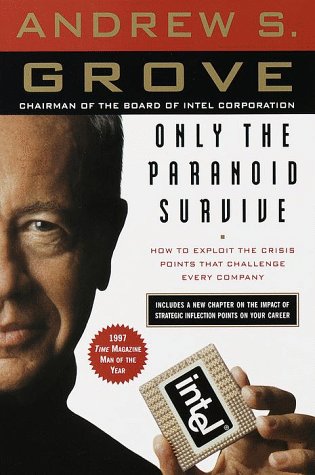
Read by Charlie Munger, Jensen Huang, Steve Jobs and 3 others
How to Exploit the Crisis Points That Challenge Every Company
Source: JPMorgan Intern Reading List 2010
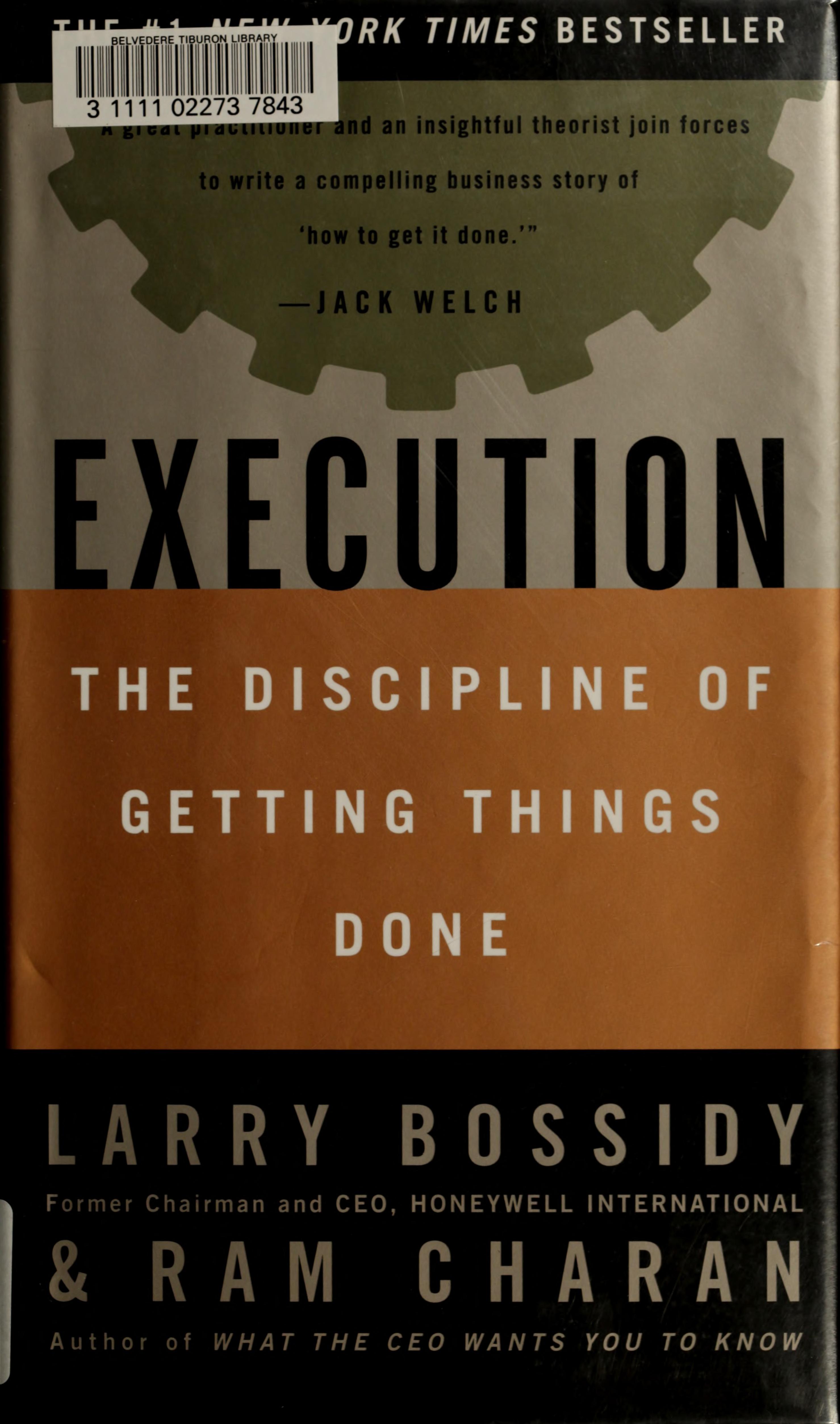
The Discipline of Getting Things Done
Source: JPMorgan Intern Reading List 2010
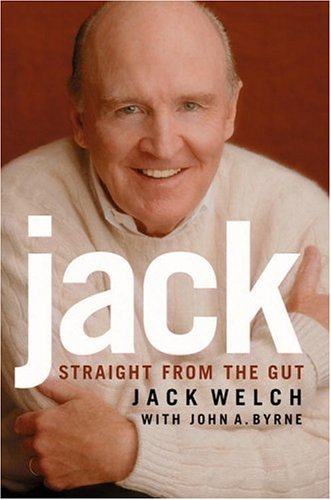
Source: JPMorgan Intern Reading List 2010
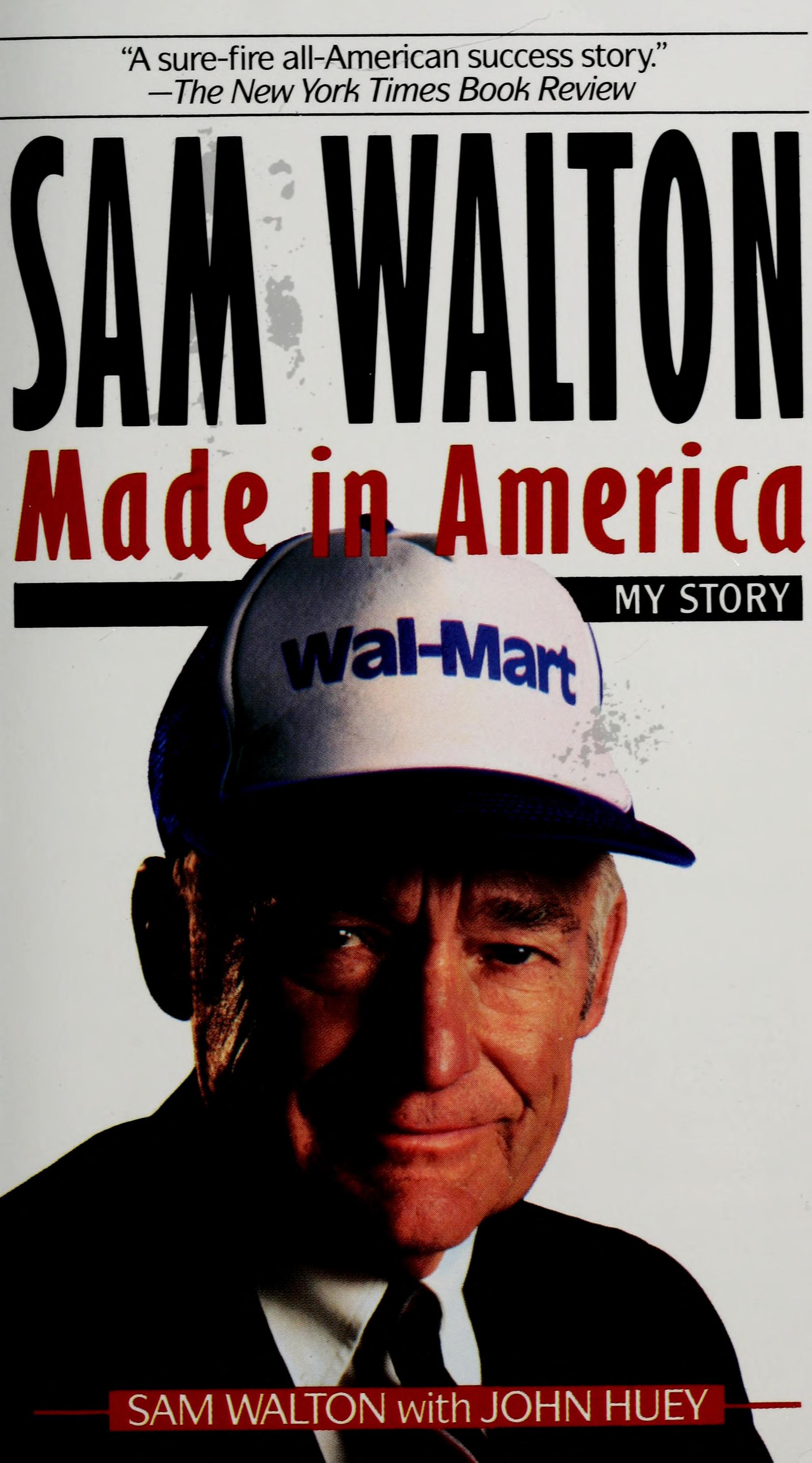
My Story
Source: JPMorgan Intern Reading List 2010
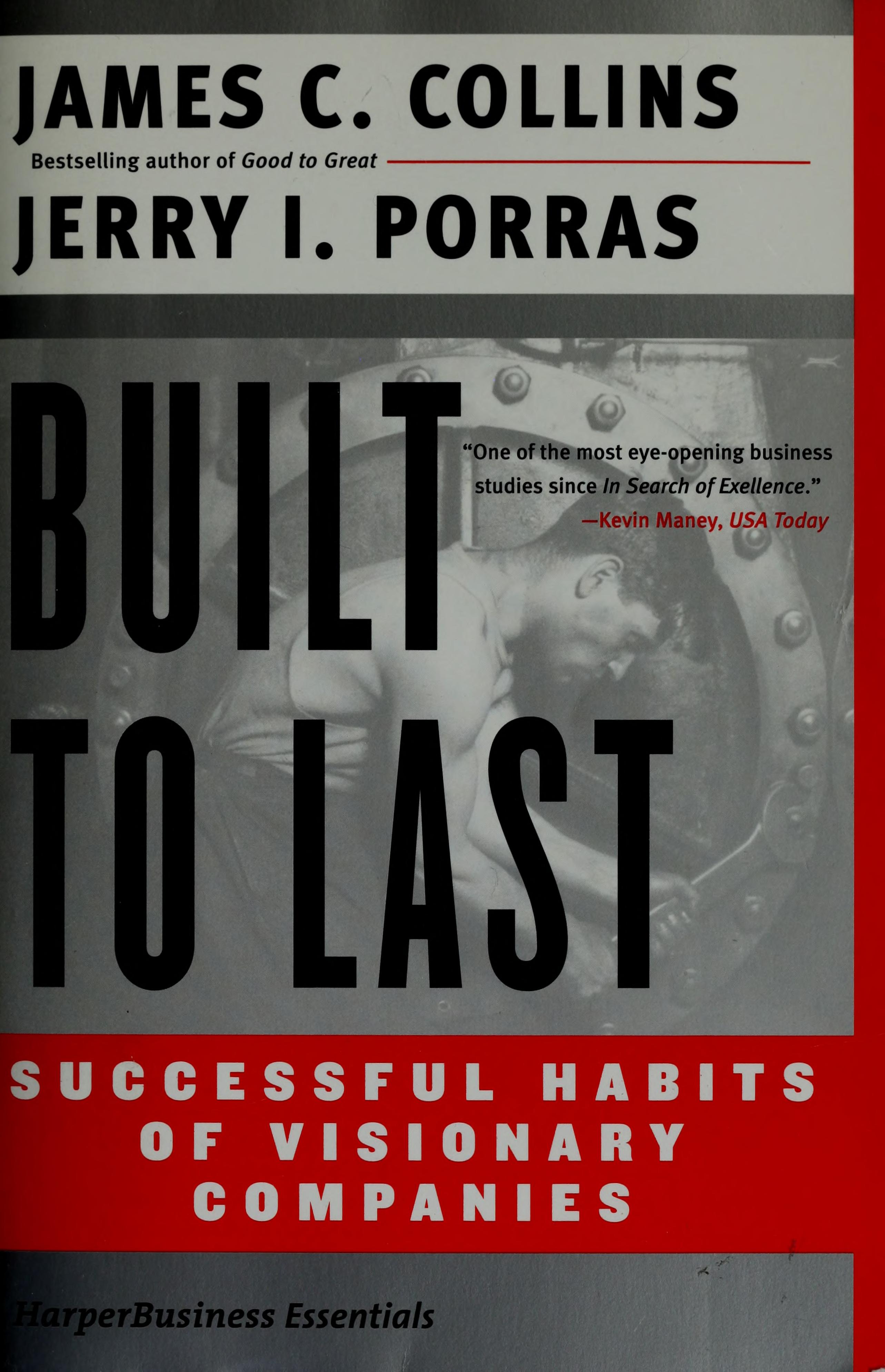
Read by Jeff Bezos, Jamie Dimon, Chip Wilson and 1 others
Successful Habits of Visionary Companies
Source: JPMorgan Intern Reading List 2010
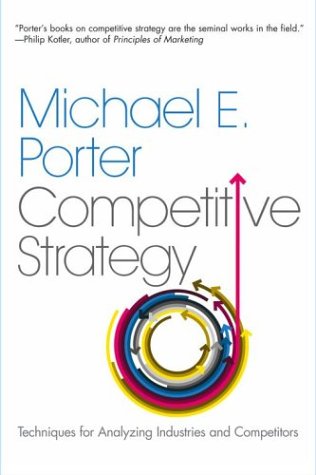
Read by Jamie Dimon
Techniques for Analyzing Industries and Competitors
Source: JPMorgan Intern Reading List 2010
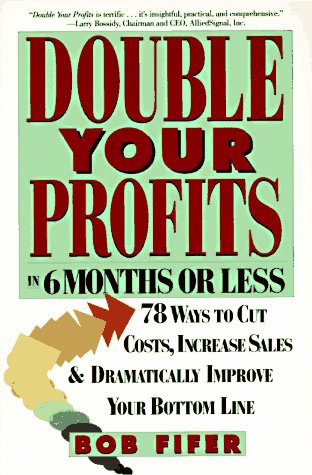
Read by Jamie Dimon
78 Ways to Cut Costs, Increase Sales, and Dramatically Improve Your Bottom Line
Source: JPMorgan Intern Reading List 2010
How a Couple of Regular Guys Grew The Home Depot from Nothing to $30 Billion
Source: JPMorgan Intern Reading List 2010
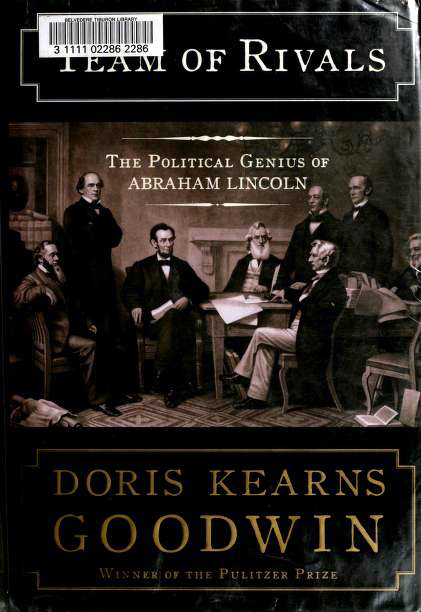
Read by Barack Obama, Bill Gates, Jamie Dimon and 3 others
The Political Genius of Abraham Lincoln
Source: JPMorgan Intern Reading List 2010
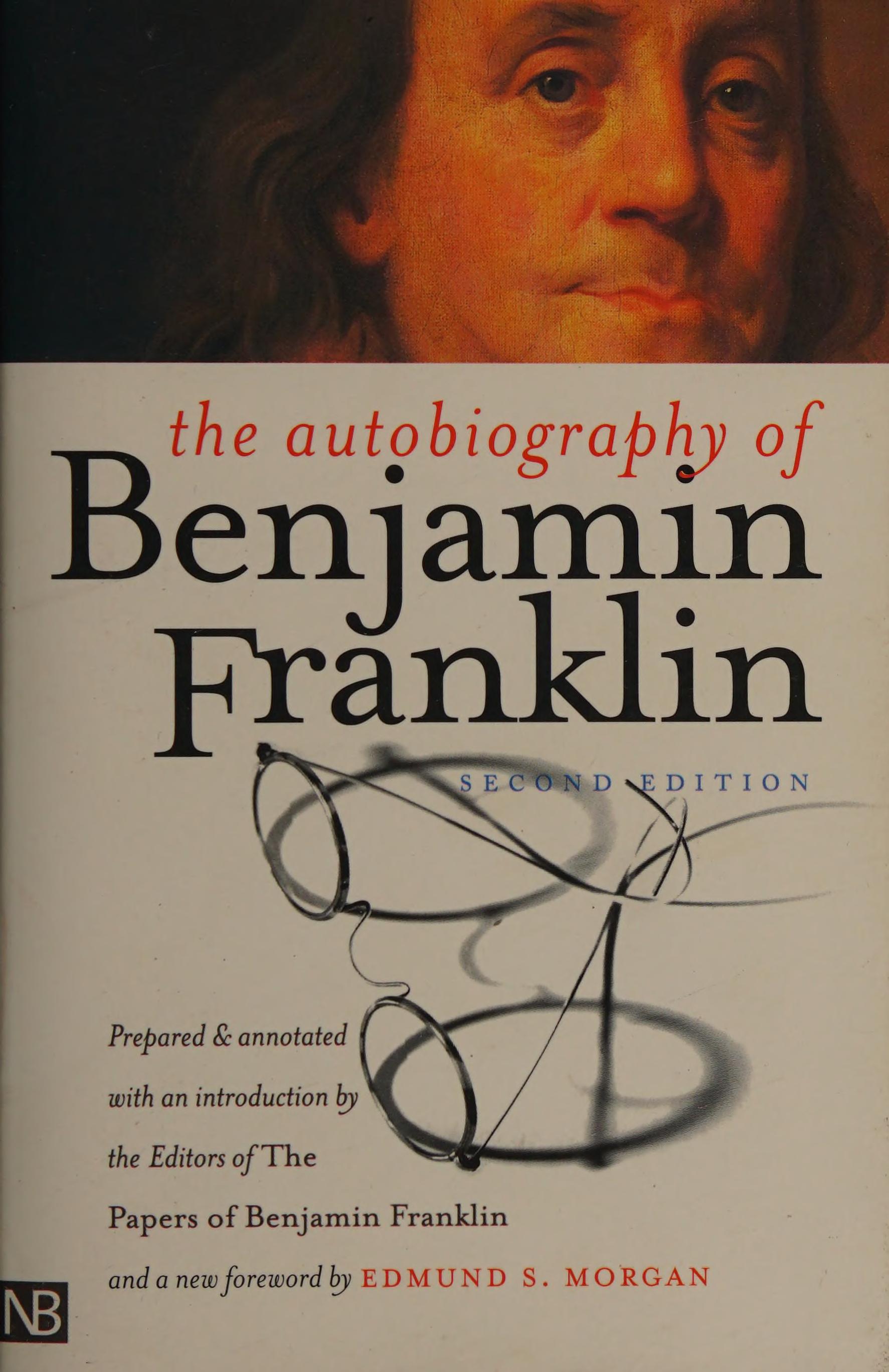
Read by Jamie Dimon, Paul Graham, Jim Rohn and 1 others
Source: JPMorgan Intern Reading List 2010
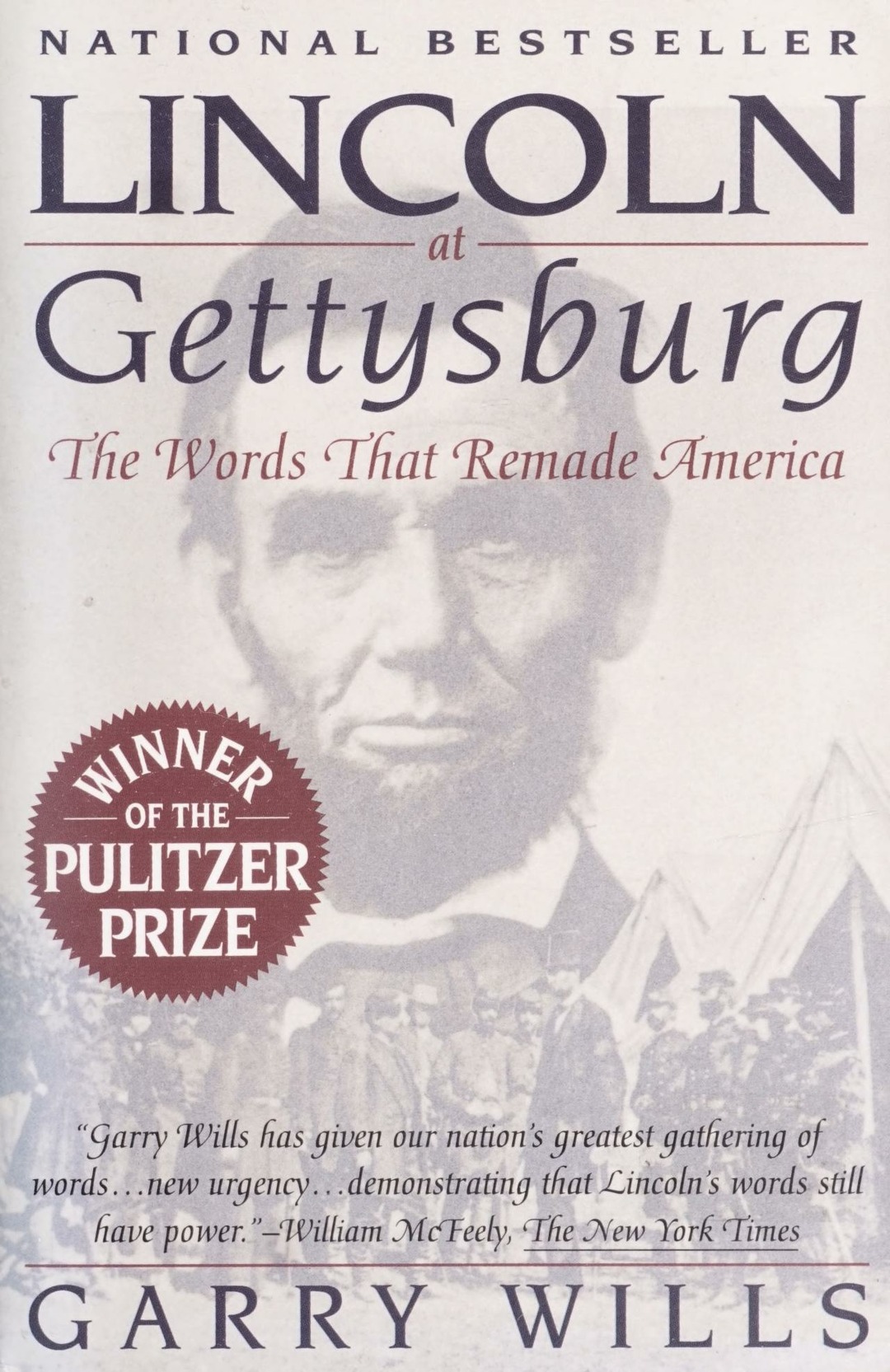
Read by Jamie Dimon
The Words That Remade America
Source: JPMorgan Intern Reading List 2010
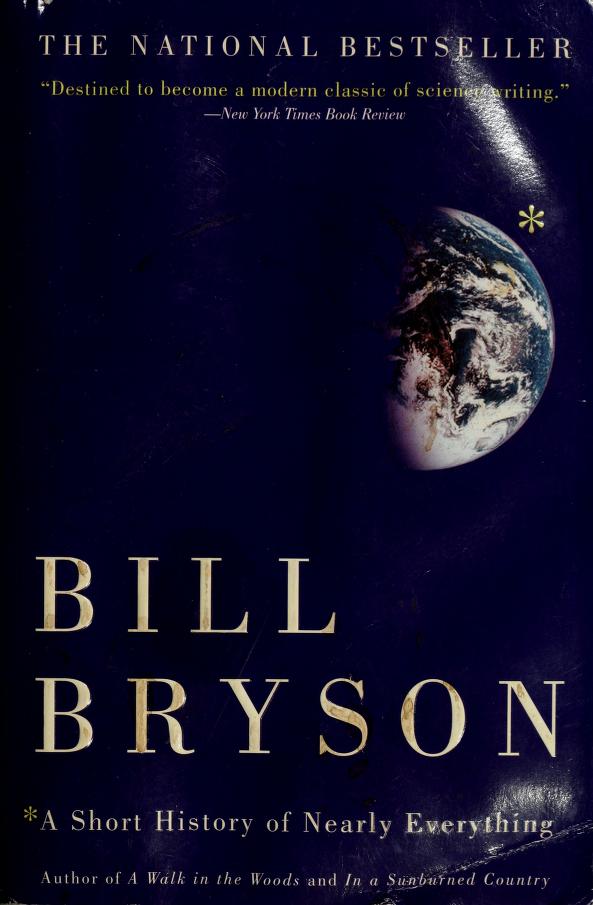
Read by Jamie Dimon
Source: JPMorgan Intern Reading List 2010

Read by Charlie Munger, Jamie Dimon, Daniel Ek and 6 others
The Fates of Human Societies
Source: JPMorgan Intern Reading List 2010
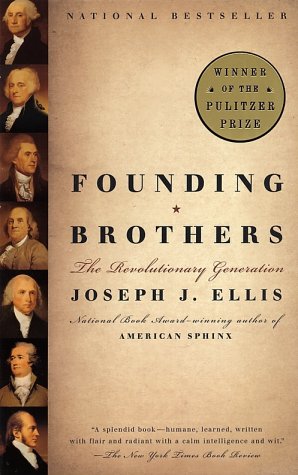
Read by Jamie Dimon
The Revolutionary Generation
Source: JPMorgan Intern Reading List 2010

Read by Jamie Dimon
Meriwether Lewis, Thomas Jefferson, and the Opening of the American West
Source: JPMorgan Intern Reading List 2010
Also recommends books in
His 33 recommendations include Principles for Dealing with the Changing World Order by Ray Dalio, Play Nice But Win by Michael Dell, and Trailblazer by Marc Benioff and Monica Langley, centered on leadership and economics.
Ray Dalio's Principles for Dealing with the Changing World Order, which he praises for examining 'the rises and declines of empires' and how economics, culture, military prowess, and innovation interact over time.
They come from official book blurbs he has written, McKinsey's 'What CEOs are reading' list from 2015, and a reading list once circulated to JPMorgan interns, rather than from podcasts or personal blogs.
No authored books appear in his profile. His recommendations reach readers through endorsements, blurbs, and corporate reading lists rather than through published works of his own.
His recommendations favor history, biographies and memoirs, society and politics, and leadership and management, reflecting a preference for books on institutions, economics, and decision-making at the scale of nations and large organizations rather than personal productivity.