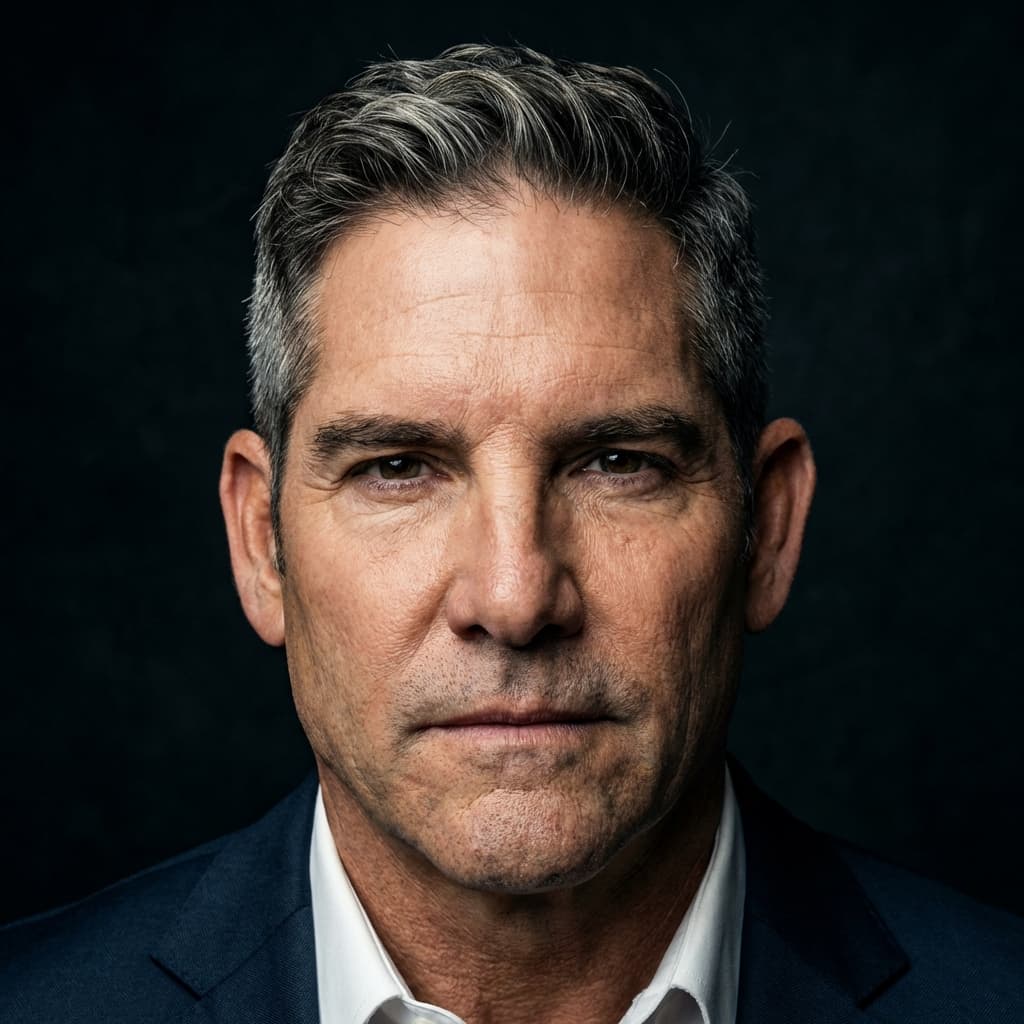
Read by Grant Cardone, Dave Ramsey, Steve Harvey and 10 others
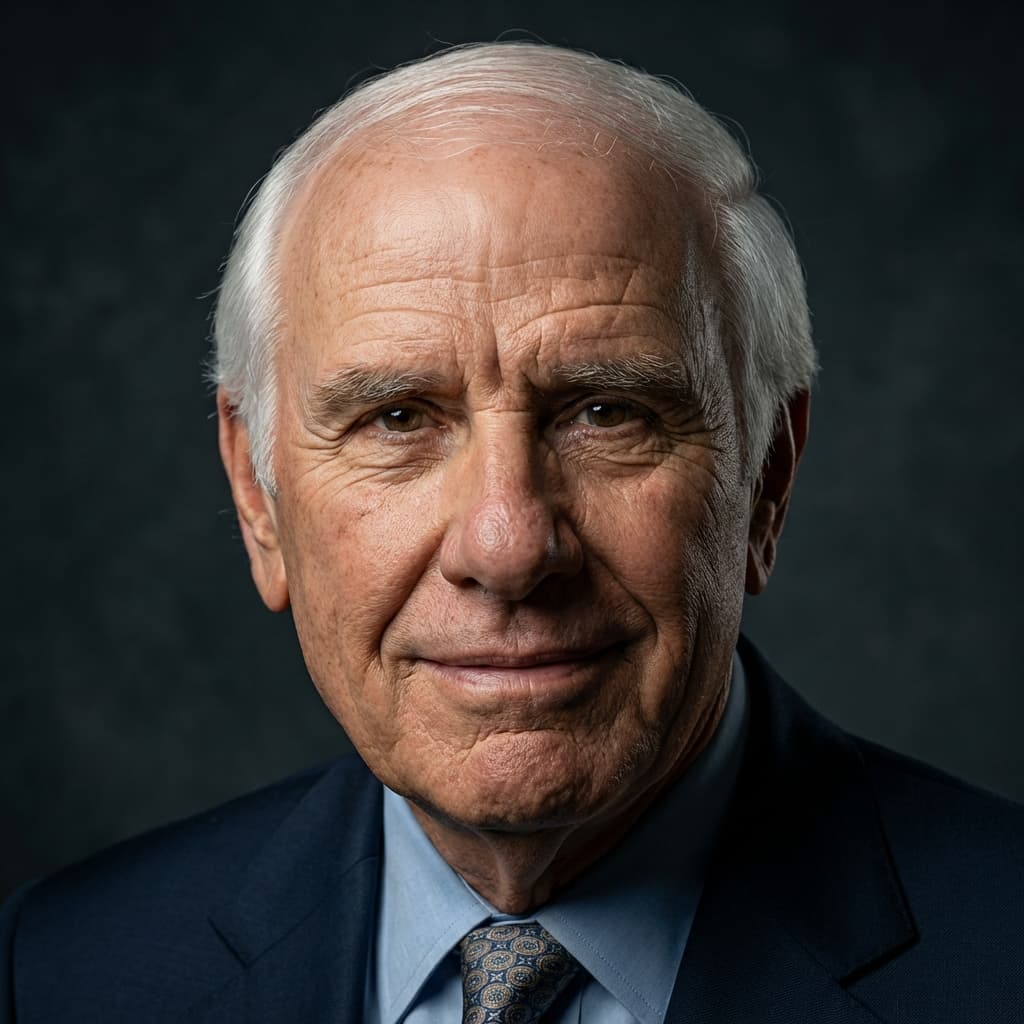
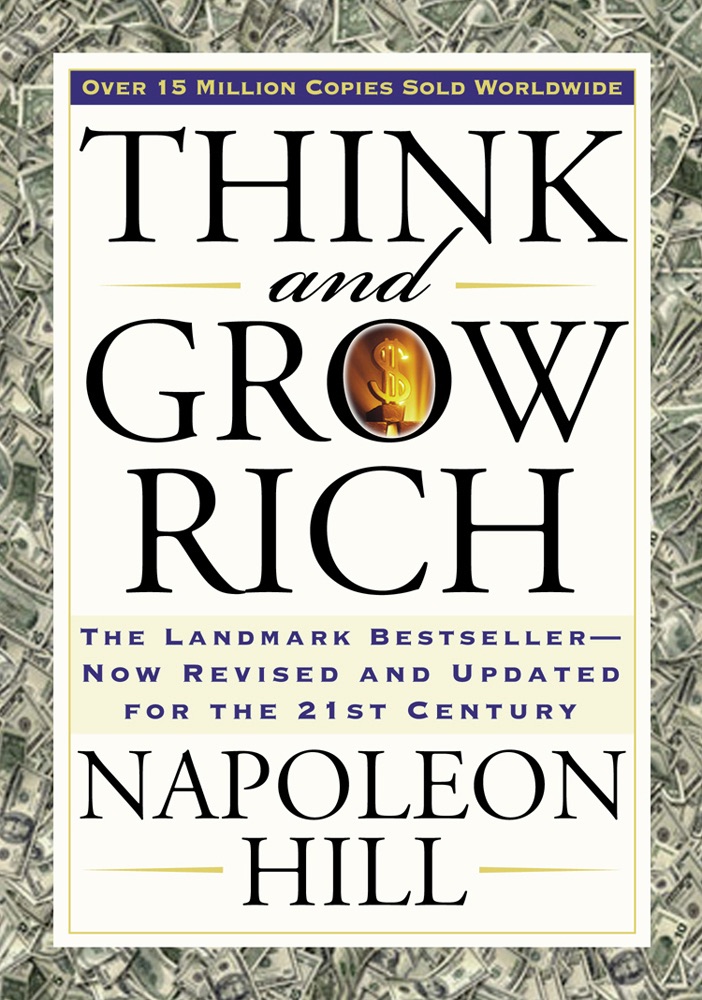
Jim Rohn, the business philosopher who mentored Tony Robbins and a generation of speakers, treated a personal library as the foundation of a successful life, and his book recommendations reflect that conviction. The 14 titles here are drawn from his official recommended reading list, his seminars, and legacy articles, and they concentrate on self-improvement, psychology and human behavior, and philosophy, with history woven in. His top recommendation is Napoleon Hill's Think and Grow Rich, which he calls "arguably the best personal development and wealth building book of all time," adding that "it belongs on everyone's bookshelf." The list balances practical prosperity classics like The Richest Man in Babylon with weightier works: Will and Ariel Durant's The Lessons of History and The Story of Philosophy, which he prized because "our philosophy determines how we live and what we achieve." Rohn also authored four books of his own on success and living.
Last updated February 2026 · Every recommendation cited to its original source.
Read by Grant Cardone, Dave Ramsey, Steve Harvey and 10 others
The Landmark Bestseller Now Revised and Updated for the 21st Century
“This is arguably the best personal development and wealth building book of all time. It belongs on everyone's bookshelf.”
— Jim Rohn
Source: Jim Rohn's Official Recommended Reading List
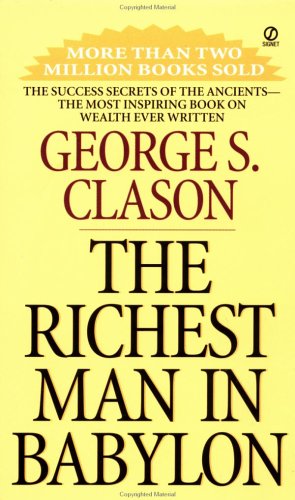
Read by Grant Cardone, Dave Ramsey, Jim Rohn and 3 others
“Written in parables, this is a classic on thrift, financial planning and personal wealth. Everyone needs to read this book.”
— Jim Rohn
Source: Jim Rohn's Official Recommended Reading List
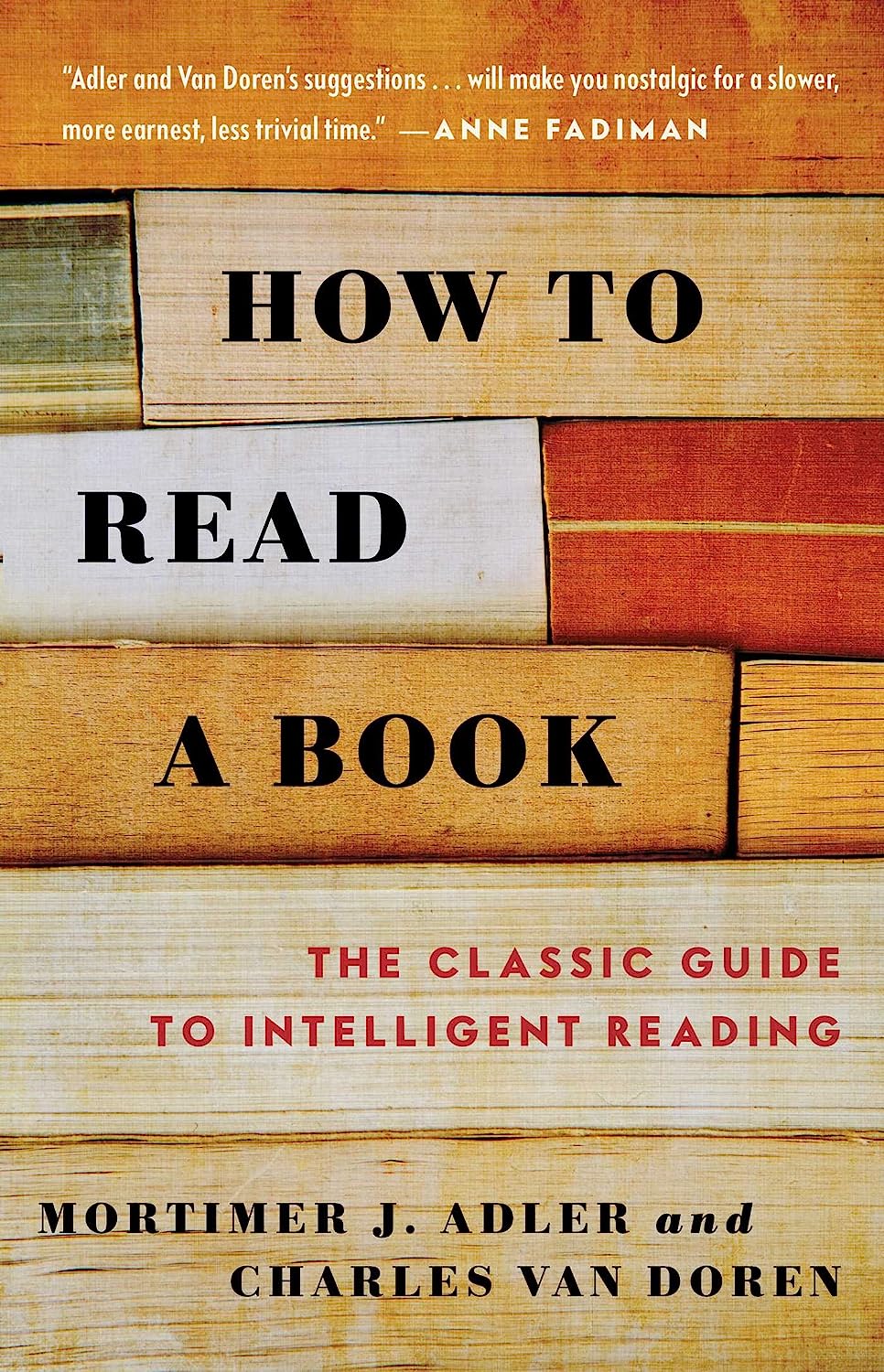
The Classic Guide to Intelligent Reading
“This book will teach you to do just what the title promises: how to read a book for all it is worth so that you come out the best you can be at the end.”
— Jim Rohn
Source: Jim Rohn's Official Recommended Reading List
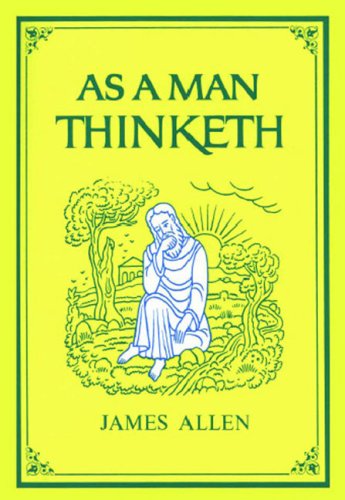
Read by Bob Proctor, Jim Rohn, Tony Robbins and 2 others
“This book will ground you in the belief that whatever you believe you become. It's based on the idea that we are what we think.”
— Jim Rohn
Source: Jim Rohn's Official Recommended Reading List
Read by Ray Dalio, Naval Ravikant, Mark Manson and 6 others
“This book gives insight as good as any book on the changes that have taken place over time in economics, politics, military customs and more—very insightful.”
— Jim Rohn
Source: Jim Rohn's Official Recommended Reading List
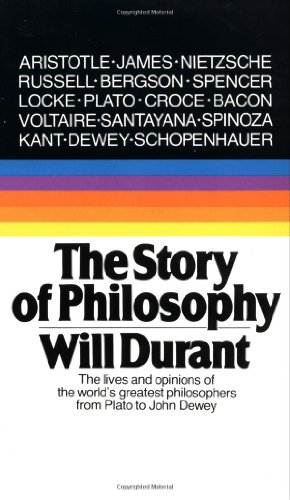
The Lives and Opinions of the Greater Philosophers
“In this book, Durant summarizes the lives and influence of philosophy's greatest thinkers. This is very important for us, as we know that our philosophy determines how we live and what we achieve.”
— Jim Rohn
Source: Jim Rohn's Official Recommended Reading List
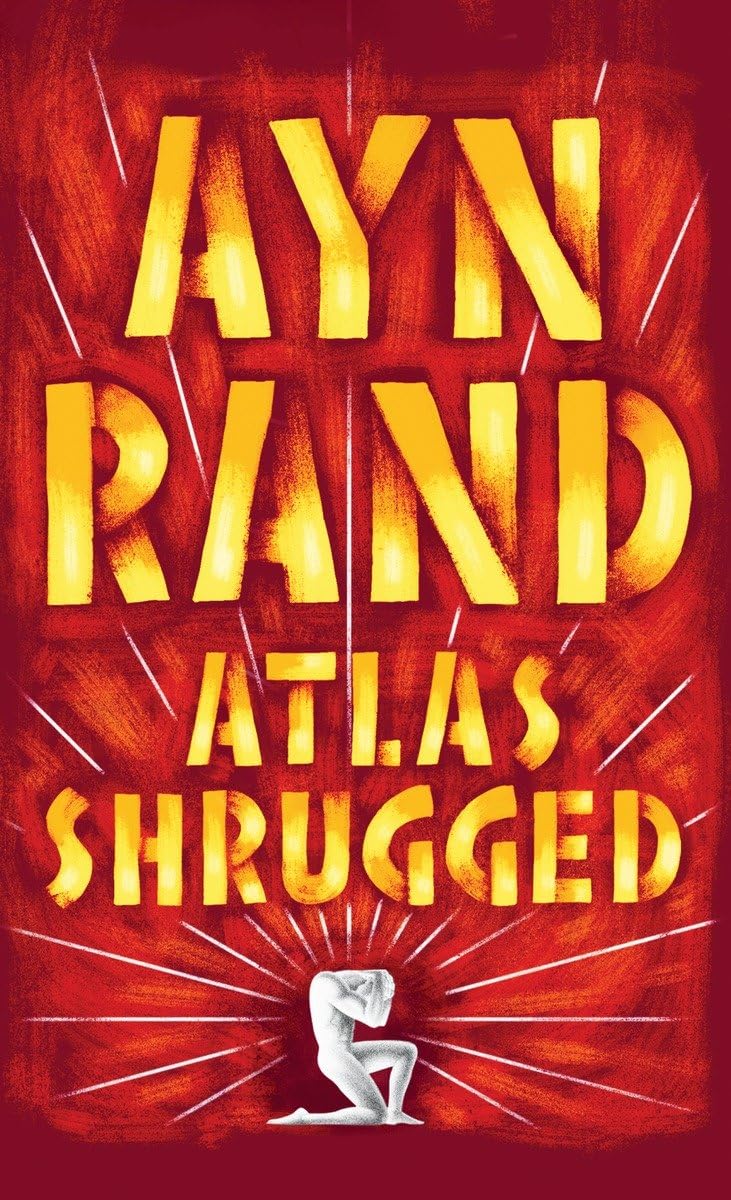
Read by Peter Thiel, Elon Musk, Steve Jobs and 8 others
“Atlas Shrugged is a towering novel. It kept us intrigued as Rand was feeding us her philosophy.”
— Jim Rohn
Source: Jim Rohn Legacy Article: How to Build a Library Worth Having
Read by Tim Ferriss, Steve Harvey, Bob Proctor and 3 others
Acquire the Secrets of Success... Achieve Everything You've Always Wanted
Source: Jim Rohn's Official Recommended Reading List
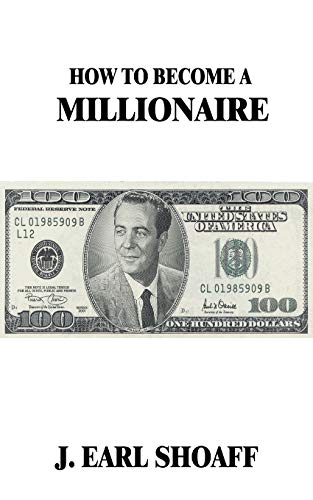
“My mentor, Earl Shoaff, got me started on my library... He had an incredible philosophy about life.”
— Jim Rohn
Source: Jim Rohn Seminar: The Challenge of Success
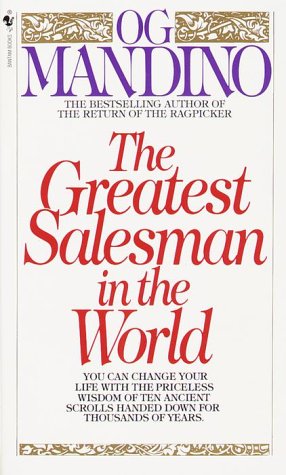
A guide to a philosophy of salesmanship and success
Source: Jim Rohn official foreword and legacy endorsement
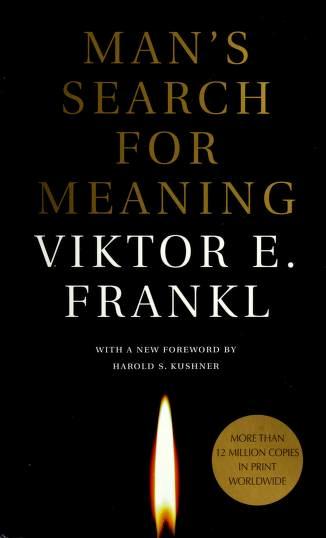
Read by Tim Ferriss, Charlie Munger, Sam Altman and 22 others
An Introduction to Logotherapy
Source: Jim Rohn's Official Recommended Reading List
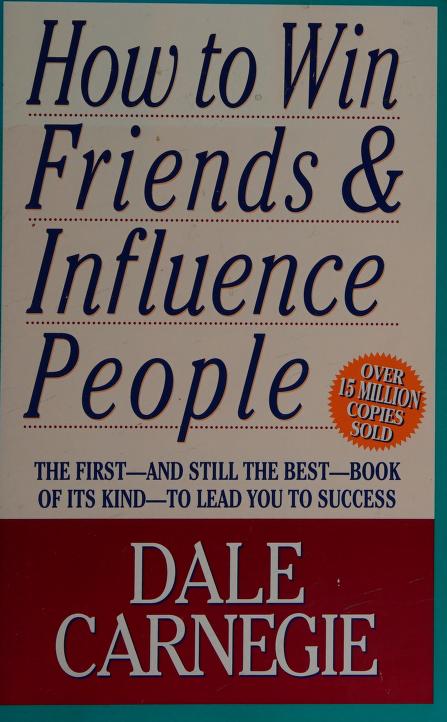
Read by Warren Buffett, Alex Hormozi, Chip Wilson and 11 others
Source: Jim Rohn's Official Recommended Reading List
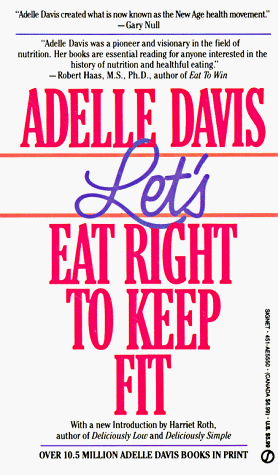
A Practical Guide to Nutrition
“As I see it, every day you do one of two things: build health or produce disease in yourself.”
— Jim Rohn
Source: Jim Rohn Seminar: Health and Vitality
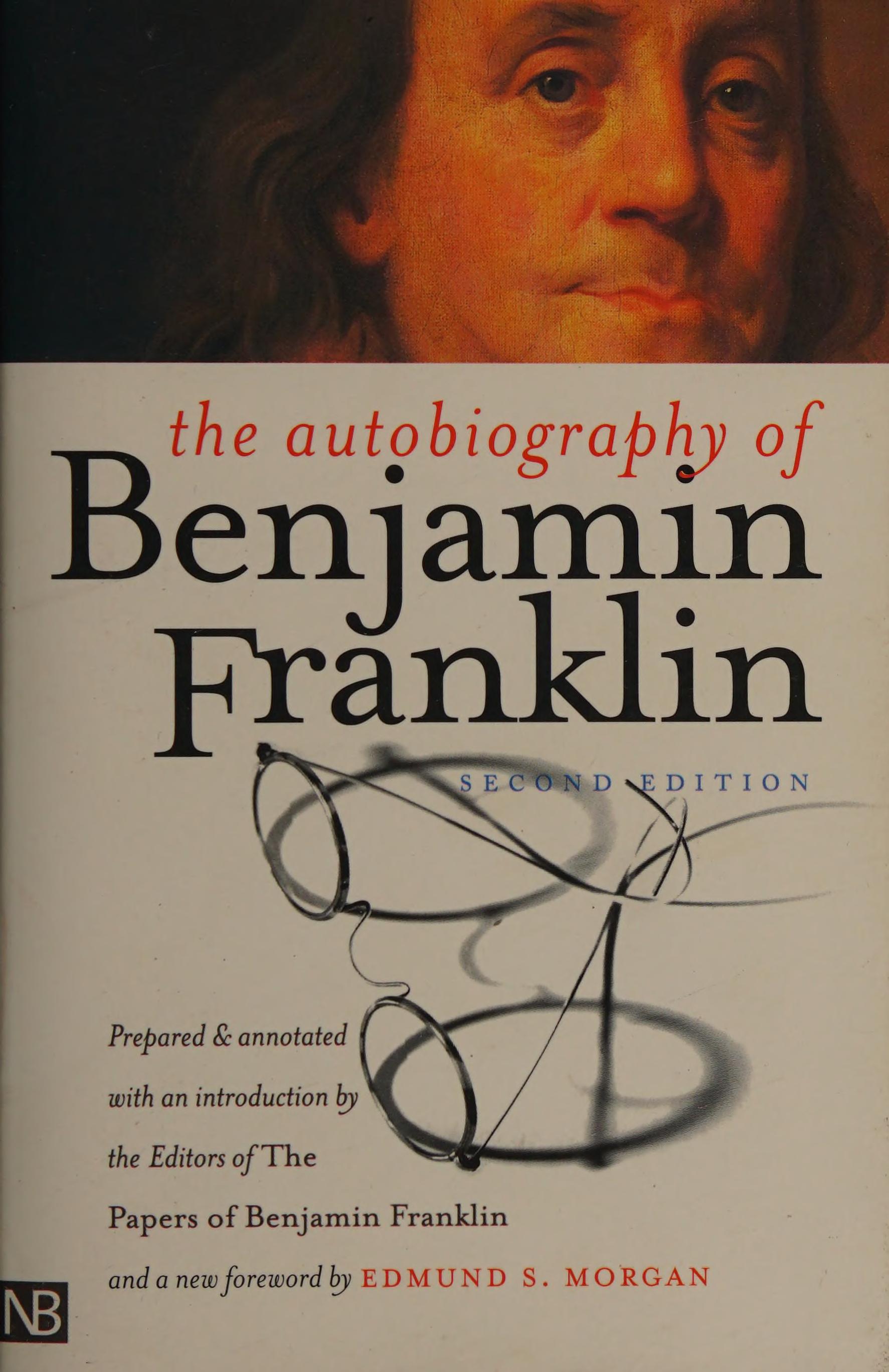
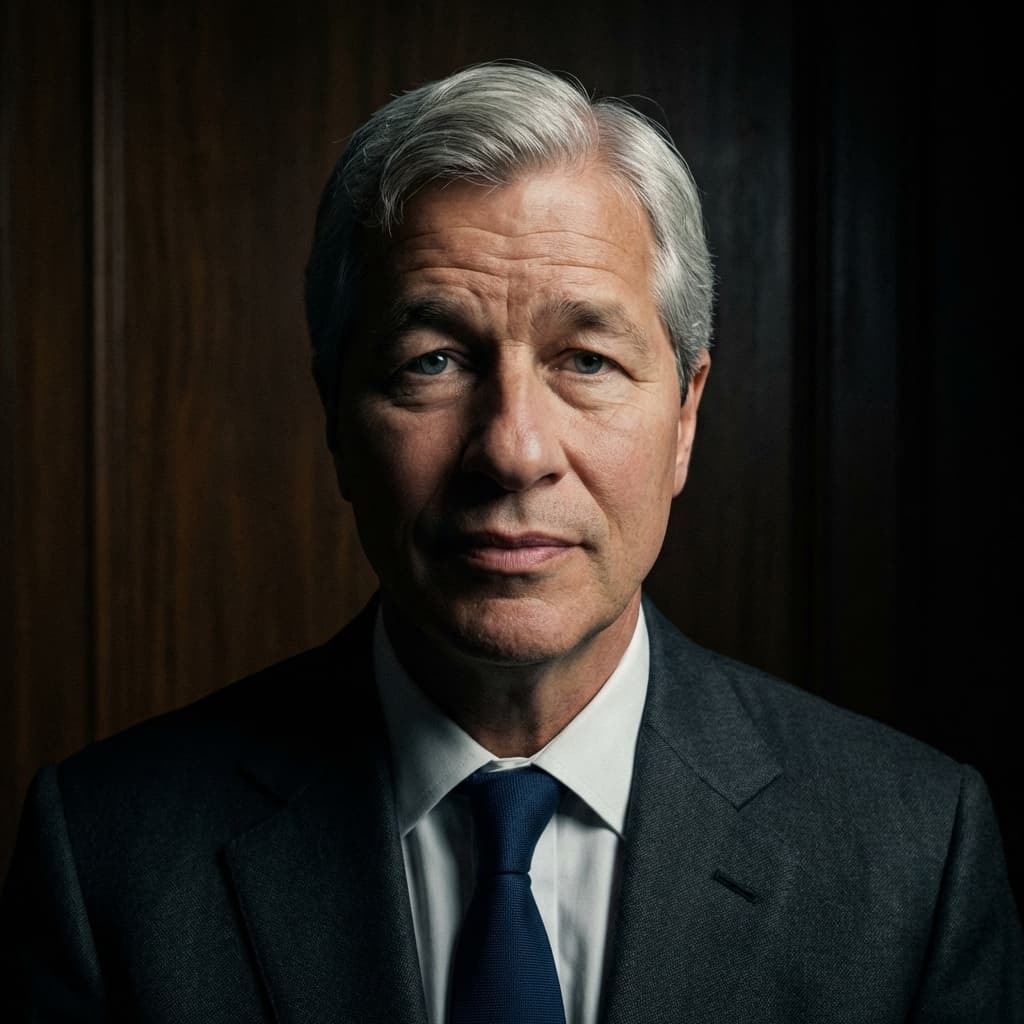
Read by Jamie Dimon, Paul Graham, Jim Rohn and 1 others
“Read the biography of Benjamin Franklin... learn about his 13 virtues.”
— Jim Rohn
Source: Jim Rohn Seminar: Cultivating an Unshakable Character
Also recommends books in
His 14 recommendations include Think and Grow Rich by Napoleon Hill, The Richest Man in Babylon by George Clason, How to Read a Book by Mortimer Adler, As a Man Thinketh by James Allen, and The Lessons of History by Will and Ariel Durant.
Napoleon Hill's Think and Grow Rich, which he called "arguably the best personal development and wealth building book of all time," adding that "it belongs on everyone's bookshelf."
Most come from his official recommended reading list, along with his seminars on success, health, and character, and legacy articles such as "How to Build a Library Worth Having."
Yes, four, including The Five Major Pieces to the Life Puzzle (1991), 7 Strategies for Wealth & Happiness (1985), My Philosophy for Successful Living (2011), and Twelve Pillars (2005).
Yes. He praised Will and Ariel Durant's The Lessons of History as deeply insightful on economics, politics, and society, and recommended The Story of Philosophy because, as he put it, "our philosophy determines how we live and what we achieve."