Read by Grant Cardone, Dave Ramsey, Steve Harvey and 10 others

Bob Proctor spent more than half a century teaching the Law of Attraction and human potential, and his book recommendations trace the lineage of the personal-development tradition he helped popularize through The Secret. These 14 titles come from interviews and the materials of the Proctor Gallagher Institute, and they sit almost entirely within self-improvement, psychology and human behavior, and philosophy. The cornerstone of his reading life is Napoleon Hill's Think and Grow Rich, which he read continuously: "I've been reading Think and Grow Rich for the past 50+ years. I don't go anywhere without it and I've been reading the same copy since the 60s." He carried Price Pritchett's you² in his case as well, and championed James Allen's As a Man Thinketh as a book that is "tiny but will remarkably stretch your mind." Proctor also authored four books of his own, including You Were Born Rich.
Last updated February 2026 · Every recommendation cited to its original source.
Read by Grant Cardone, Dave Ramsey, Steve Harvey and 10 others
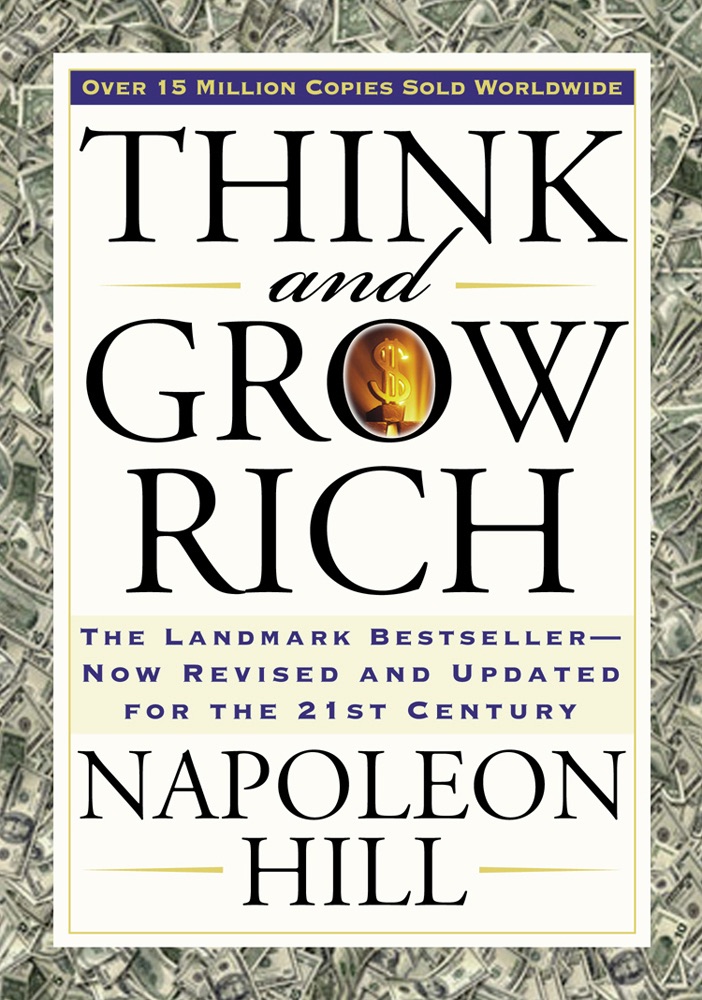
The Landmark Bestseller Now Revised and Updated for the 21st Century
“I've been reading Think and Grow Rich for the past 50+ years. I don't go anywhere without it and I've been reading the same copy since the 60s.”
— Bob Proctor
Source: Natfluence Interview
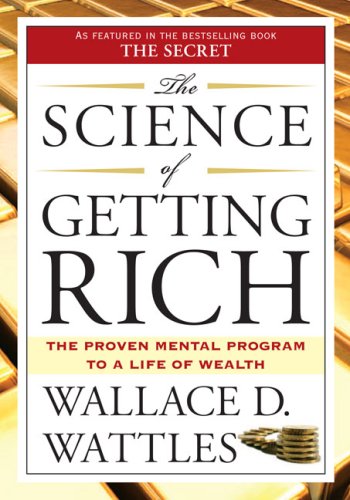
Financial Success Through Creative Thought
Source: Official Seminar Material
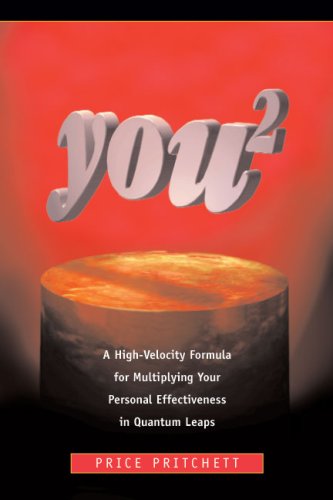
Read by Bob Proctor
A High-Velocity Formula for Multiplying Your Personal Effectiveness in Quantum Leaps
“I fell in love with this book when I first read it, and I've been reading it for years. I carry a copy in my case all the time.”
— Bob Proctor
Source: Proctor Gallagher Institute Blog
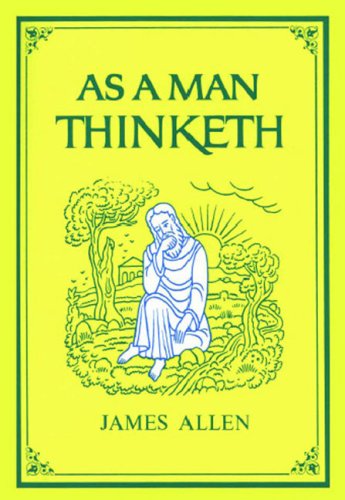
Read by Bob Proctor, Jim Rohn, Tony Robbins and 2 others
“One of my favorite books, As A Man Thinketh, is tiny but will remarkably stretch your mind.”
— Bob Proctor
Source: Proctor Gallagher Institute Blog
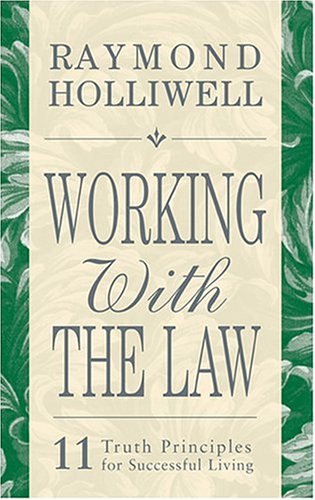
Read by Bob Proctor
11 Truth Principles for Successful Living
Source: Proctor Gallagher Institute Publication
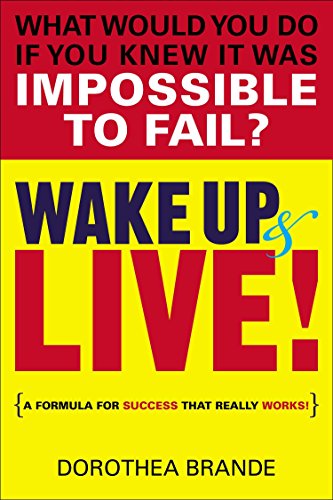
Read by Bob Proctor
A Formula for Success That Really Works!
“Act as if it were impossible to fail.”
— Bob Proctor
Source: Proctor Gallagher Institute Curriculum
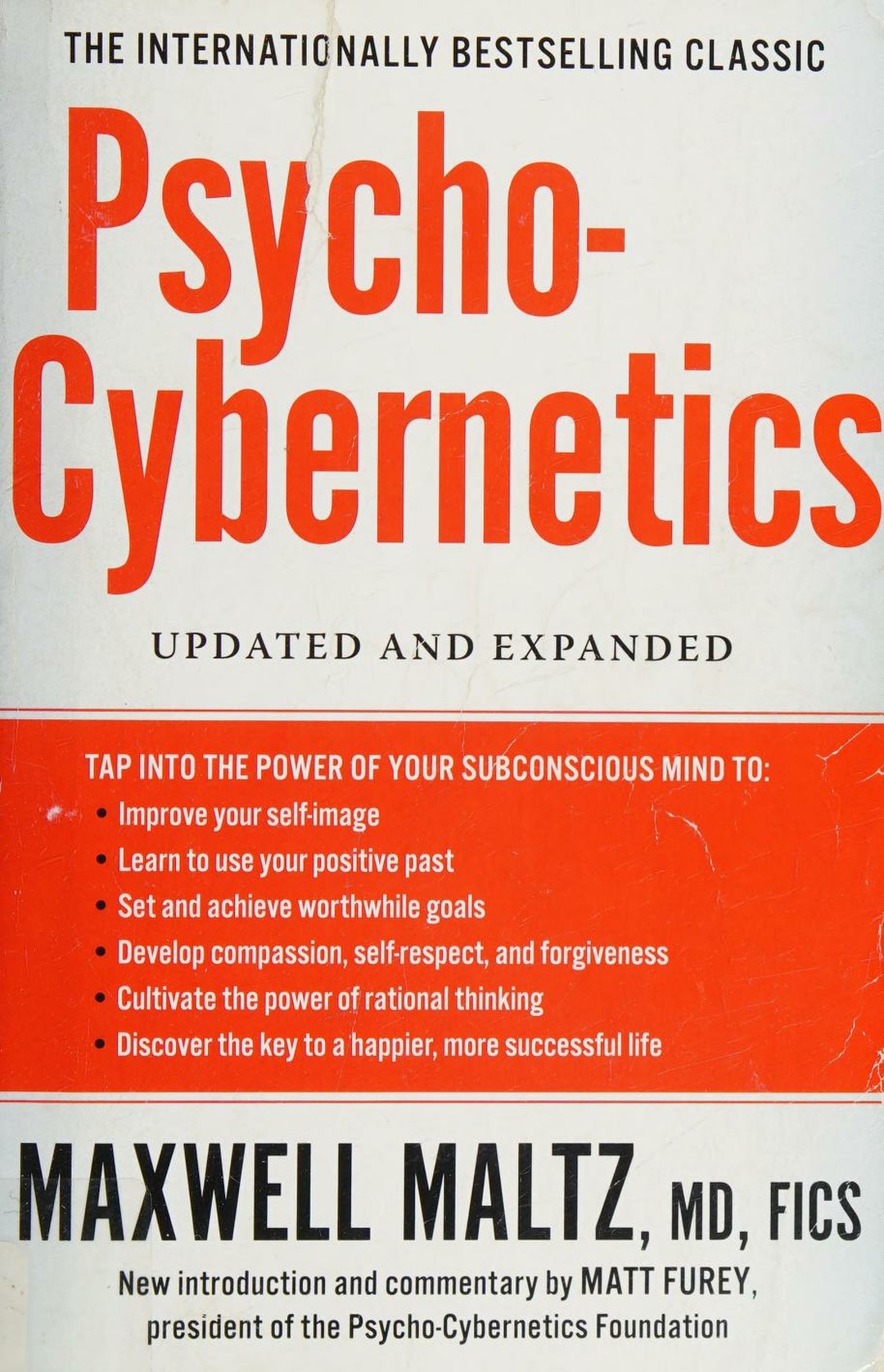
Read by Bob Proctor, Kevin Trudeau, Robin Sharma and 1 others
Updated and Expanded
“Your self-image is probably the most powerful piece that will determine how happy and how well you do in life.”
— Bob Proctor
Source: Proctor Gallagher Institute Tribute
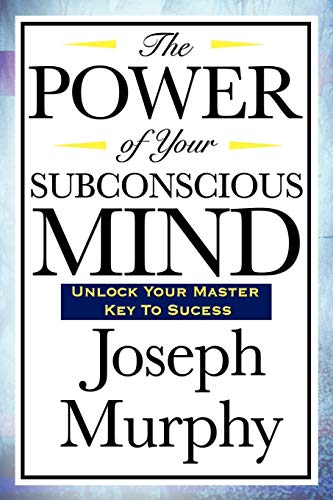
Unlock Your Master Key to Success
Source: Proctor Gallagher Institute Blog
The Hidden Determinants of Human Behavior
Source: The Matrix Coaching Program
Read by Bob Proctor
Source: The Art of Living (Authored Book Reference)
Read by Bob Proctor
An Introduction to the Universal Creative Principle
Source: Proctor Gallagher Institute Materials
Read by Tim Ferriss, Steve Harvey, Bob Proctor and 3 others
Acquire the Secrets of Success... Achieve Everything You've Always Wanted
“A tremendous book.”
— Bob Proctor
Source: The ABCs of Success (Authored Book Reference)
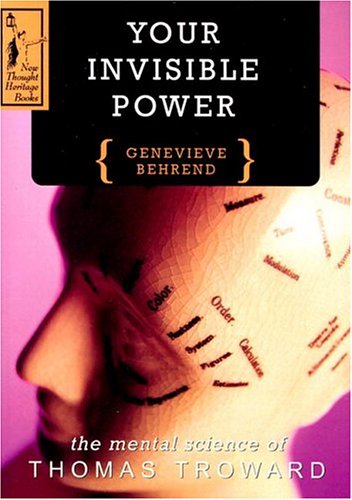
Read by Bob Proctor
A Presentation of the Mental Science of Thomas Troward
Source: Proctor Gallagher Institute Blog
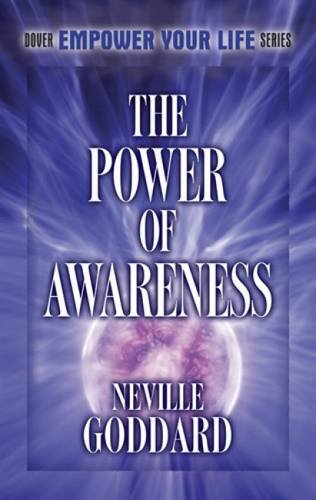
Read by Bob Proctor
Move from Desire to Wishes Fulfilled
Source: Nightingale-Conant Collaboration
Also recommends books in
His 14 recommendations include Think and Grow Rich by Napoleon Hill, The Science of Getting Rich by Wallace Wattles, you² by Price Pritchett, As a Man Thinketh by James Allen, and Psycho-Cybernetics by Maxwell Maltz.
Napoleon Hill's Think and Grow Rich. He said, "I've been reading Think and Grow Rich for the past 50+ years. I don't go anywhere without it and I've been reading the same copy since the 60s."
They come from interviews such as his Natfluence conversation, blog posts and seminar materials from the Proctor Gallagher Institute, and references in his own authored books and coaching programs.
Yes, four, including You Were Born Rich (1984), The ABCs of Success (2015), Thoughts Are Things (2015), and 12 Power Principles for Success (2019). They restate the prosperity and mindset principles he taught for more than fifty years.
His list is dominated by self-improvement, psychology and human behavior, and philosophy, with the classic New Thought and prosperity literature, from James Allen and Wallace Wattles to Neville Goddard and Thomas Troward, recurring throughout.