

Read by Tim Ferriss, Charlie Munger, Sam Altman and 22 others

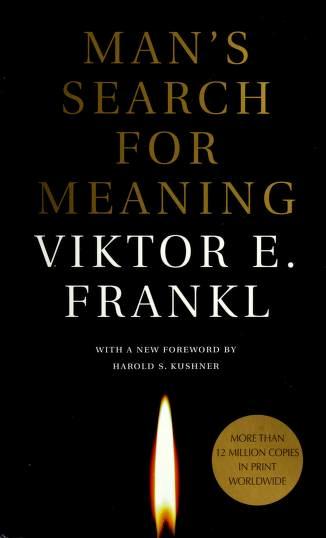
Building a movement around ideas defined Charlie Kirk's career, and his book recommendations reflect that conservative activist's shelf. The founder of Turning Point USA and host of The Charlie Kirk Show flagged 19 titles here, sourced from his show, Turning Point's reading lists, and his own essential-reading list. Society and politics lead, joined by philosophy, psychology, history, and self-improvement. Viktor Frankl's Man's Search for Meaning is a top pick; Kirk calls it "one of the most important books that one can read," praising its message about "finding meaning in all circumstances." He returned often to C.S. Lewis, singling out Mere Christianity, and urged audiences to "read 1984" and Brave New World to understand history's patterns. From Hayek's The Road to Serfdom to Jonathan Haidt's The Anxious Generation, the list pairs political and economic classics with works on faith and modern culture. Kirk authored five books of his own.
Last updated February 2026 · Every recommendation cited to its original source.
Read by Tim Ferriss, Charlie Munger, Sam Altman and 22 others
An Introduction to Logotherapy
“One of the most important books that one can read... It talks about finding meaning in all circumstances regardless of how much depression or darkness that there is.”
— Charlie Kirk
Source: The Charlie Kirk Show, May 2024
Read by Charlie Kirk, Glenn Beck, Michael Knowles and 2 others
“Anything by C.S. Lewis I recommend, but Mere Christianity especially. Probably the best-selling Christian book of the last 100 years.”
— Charlie Kirk
Source: The Charlie Kirk Show
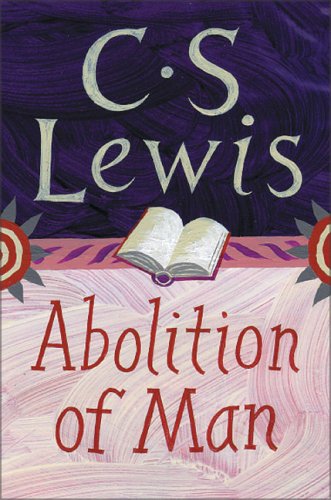
Reflections on education with special reference to the teaching of English in the upper forms of schools
Source: Charlie Kirk's Essential Reading List (All Star Press)
Read by Steve Jobs, Richard Branson, Jordan Peterson and 11 others
“Read 1984. Read Brave New World. Go deeper. The regime hates an informed population. They hate that you guys know what's going on. Because if you know history, you know their next moves.”
— Charlie Kirk
Source: The Charlie Kirk Show, September 2024
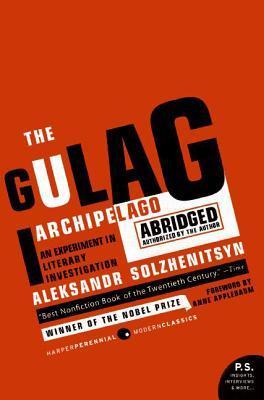
Read by Jordan Peterson, Siddhartha Mukherjee, Ben Shapiro and 4 others
Source: Charlie Kirk's Essential Reading List (All Star Press)
An Experiment in Literary Investigation
“For anyone interested in politics, it's important to be educated on the very predictable outcome when government corruption and totalitarian power take over.”
— Charlie Kirk
Source: Charlie Kirk's Top 5 Books for a Political Mind (TPUSA)
Read by Charlie Kirk
“Using empirical evidence, Sowell deconstructs and debunks the narrative that economic outcomes can be explained simply by discrimination, exploitation, or genetics.”
— Charlie Kirk
Source: Charlie Kirk's Top 5 Books for a Political Mind (TPUSA)
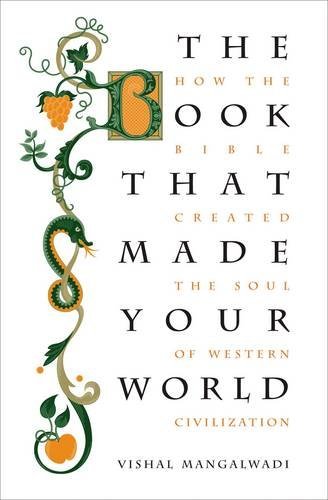
Read by Charlie Kirk
How the Bible Created the Soul of Western Civilization
“An assessment of how the Holy Bible influenced Western culture. It discusses twenty key areas... and it is a clear indication of how the Bible ultimately inspired the Founding Fathers.”
— Charlie Kirk
Source: Charlie Kirk's Top 5 Books for a Political Mind (TPUSA)
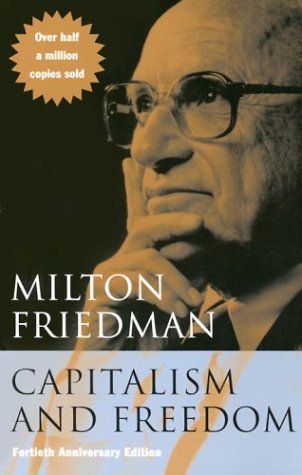
Read by Charlie Kirk
Fortieth Anniversary Edition
“Milton Friedman is arguably one of the most important economists in the Western canon who played an integral role in providing the foundation for millions... to understand the values of freedom.”
— Charlie Kirk
Source: Charlie Kirk's Top 5 Books for a Political Mind (TPUSA)
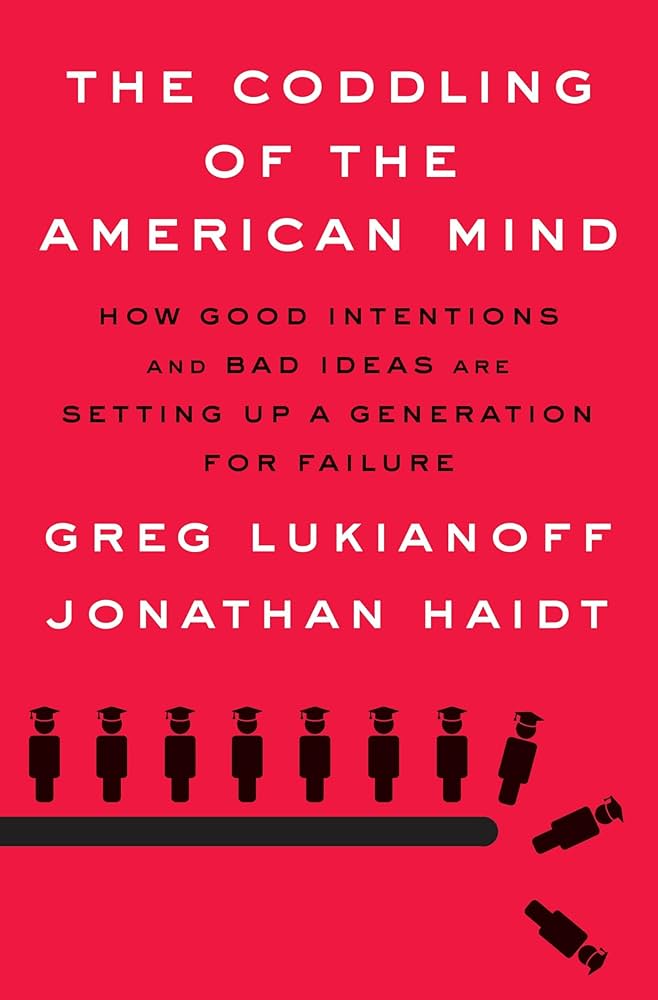
Read by Michael Bloomberg, Bryan Johnson, Charlie Kirk and 4 others
How Good Intentions and Bad Ideas Are Setting Up a Generation for Failure
“A book that has been incredibly influential in my own life... I have found this book very helpful.”
— Charlie Kirk
Source: The Charlie Kirk Show

Read by Barack Obama, Bill Gates, Sam Harris and 6 others
How the Great Rewiring of Childhood Is Causing an Epidemic of Mental Illness
“Anxious Generation is really good... you can literally summarize anxious generation in one big lesson cell phones are awful for kids.”
— Charlie Kirk
Source: The Charlie Kirk Show
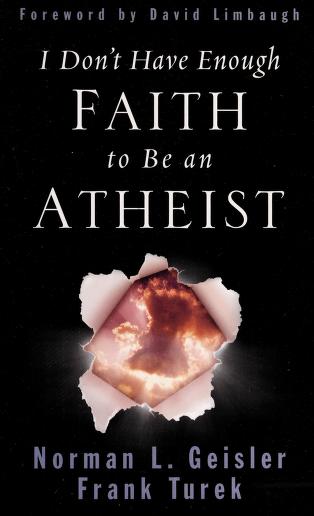
Read by Charlie Kirk
A Comprehensive Case for Christianity
Source: Charlie Kirk's Essential Reading List (All Star Press)
Source: Charlie Kirk's Essential Reading List (All Star Press)
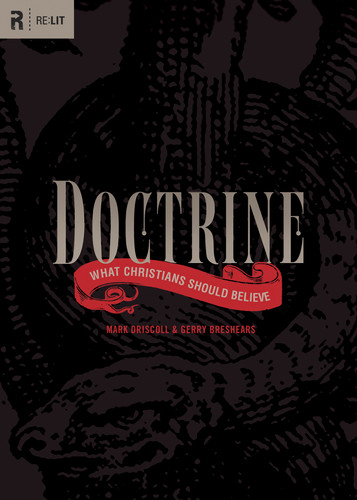
Read by Charlie Kirk
What Christians Should Believe
“That is a serious read I'll tell you what is 345 pages full i mean it is like it is a huge book it's been actually taking me like a couple months.”
— Charlie Kirk
Source: The Charlie Kirk Show
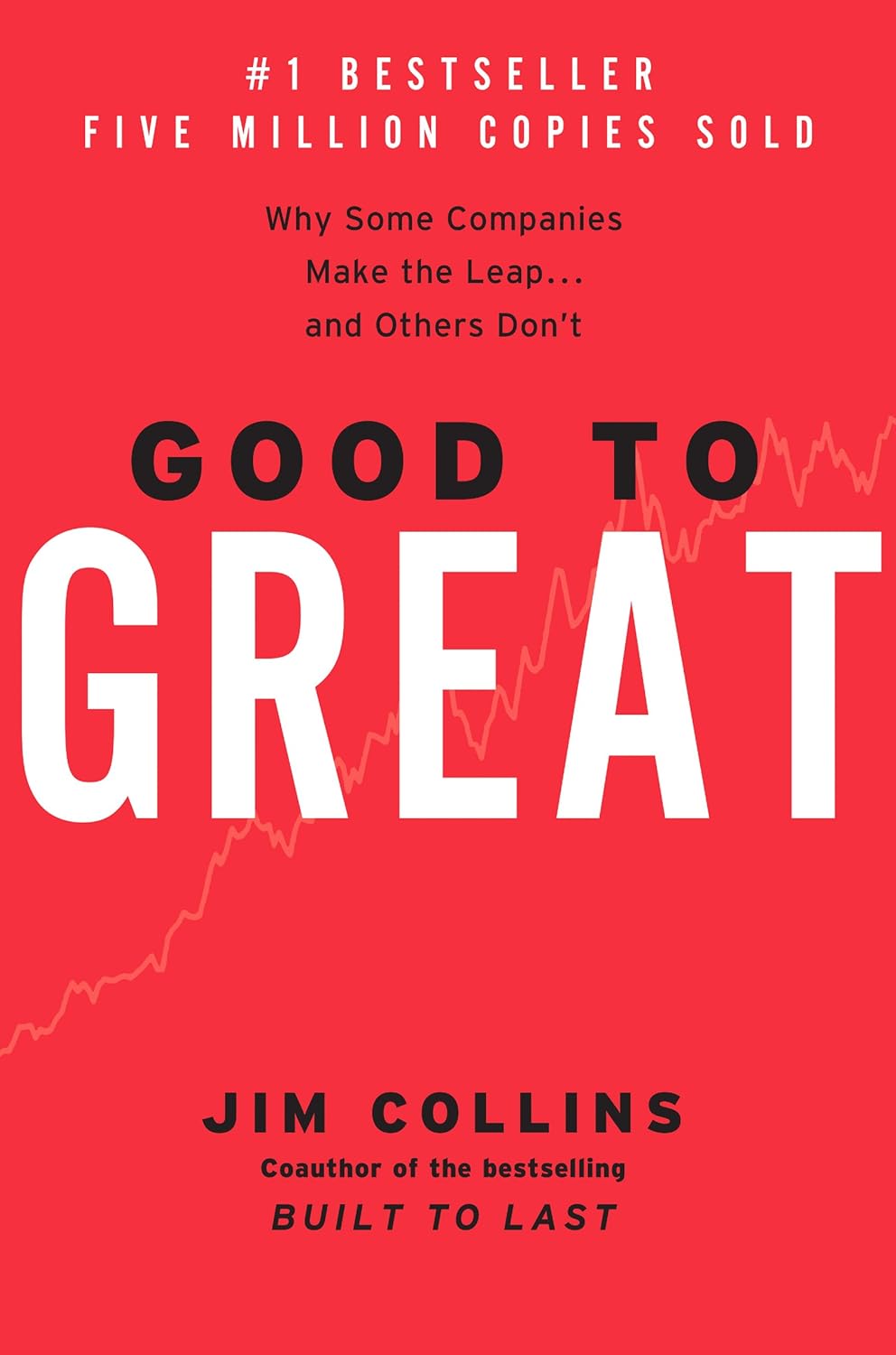
Read by Jeff Bezos, Brian Armstrong, Chip Wilson and 5 others
Why Some Companies Make the Leap... and Others Don't
“I love the book Good to Great. It's very good for business scaling if you have kind of a business mind.”
— Charlie Kirk
Source: The Charlie Kirk Show
Read by Charlie Kirk
From Burke to Eliot
“I really enjoyed The Conservative Mind i read that a couple summers ago... kind of a Conservativism 101 book.”
— Charlie Kirk
Source: The Charlie Kirk Show

Read by Elon Musk, Javier Milei, Charlie Kirk and 2 others
Text and Documents: The Definitive Edition
“Obviously The Road to Serfdom is kind of a no-brainer.”
— Charlie Kirk
Source: The Charlie Kirk Show
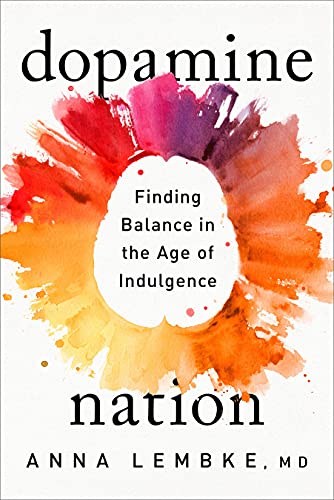
Read by Andrew Huberman, Jonathan Haidt, Charlie Kirk and 1 others
Finding Balance in the Age of Indulgence
“I've also read Dopamine Nation... very very good.”
— Charlie Kirk
Source: The Charlie Kirk Show
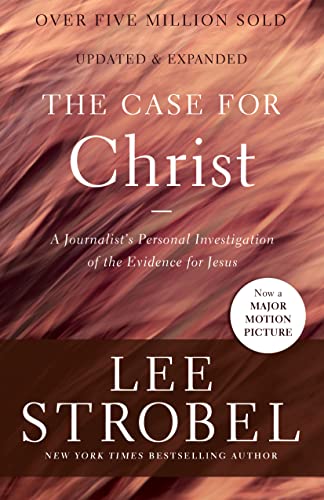
Read by Charlie Kirk
A Journalist's Personal Investigation of the Evidence for Jesus
“The best book to give a high schooler is called The Case for Christ by Lee Strobel. Very, very good.”
— Charlie Kirk
Source: The Charlie Kirk Show
Also recommends books in
His 19 recommendations include Man's Search for Meaning, Mere Christianity, The Abolition of Man, 1984, and Brave New World, spanning political philosophy, economics, faith, and dystopian fiction.
Viktor Frankl's Man's Search for Meaning is a top pick. Kirk calls it "one of the most important books that one can read," praising how it addresses "finding meaning in all circumstances."
They are drawn from The Charlie Kirk Show, Turning Point USA lists such as "Top 5 Books for a Political Mind," and Charlie Kirk's Essential Reading List published with All Star Press.
Yes. He authored five titles noted here: The MAGA Doctrine, The College Scam, Time for a Turning Point, Campus Battlefield, and Right Wing Revolution.
He called Hayek's The Road to Serfdom "a no-brainer," praised Milton Friedman's Capitalism and Freedom for its foundation on "the values of freedom," and recommended Thomas Sowell's Discrimination and Disparities.