


Read by Elon Musk, Neil deGrasse Tyson, Noam Chomsky and 1 others

Thomas Jefferson drafted the Declaration of Independence and amassed a personal library of over 6,000 volumes that seeded the Library of Congress, and his book recommendations survive in the letters he wrote to friends and family. This page assembles 27 titles cited across his correspondence, from advice to his nephew Peter Carr to letters to James Madison and others, spanning philosophy, history, fiction, and political economy. His top pick is Adam Smith's The Wealth of Nations, which he called, in political economy, the best book extant. He rated The Federalist Papers the best commentary on the principles of government which ever was written, praised Don Quixote as a book he read repeatedly, and held Ossian's poems as a source of daily and exalted pleasure. Classical morality, republican political theory, and the great works of literature run through a reading life that was, in every sense, foundational to the American experiment.
Last updated March 2026 · Every recommendation cited to its original source.
Read by Elon Musk, Neil deGrasse Tyson, Noam Chomsky and 1 others
An Inquiry into the Nature and Causes of the Wealth of Nations
“In political economy, I think Smith's Wealth of Nations the best book extant.”
— Thomas Jefferson
Source: Letter to Thomas Mann Randolph, 30 May 1790
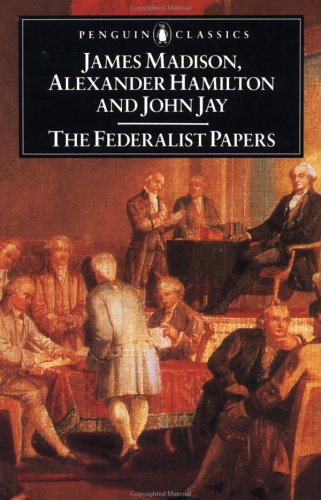
“The best commentary on the principles of government which ever was written.”
— Thomas Jefferson
Source: Letter to James Madison, 18 November 1788
Read by Albert Einstein, Karl Marx, Sigmund Freud and 3 others
The Ingenious Gentleman Don Quixote of La Mancha
“Don Quixote... I read it twice or three times before I can read one of [novels of the present day].”
— Thomas Jefferson
Source: Letter to Peter Carr, 19 August 1785
Read by Thomas Jefferson
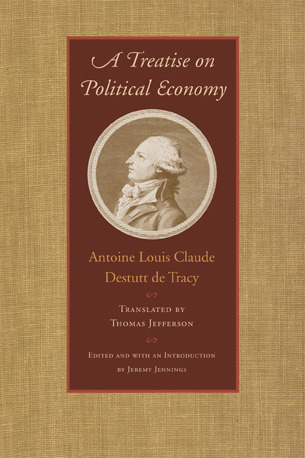
To Which is Prefixed a Supplement to a Preceding Work on the Understanding
“The merit of this work will, I hope, place it in the hands of every reader in our country. By diffusing sound principles of Political Economy, it will protect the public industry from the parasite institutions now consuming it.”
— Thomas Jefferson
Source: Letter to Joseph Milligan, 6 April 1816
Read by Thomas Jefferson
And Related Works
“These pieces have been, and will I think during my life continue to be, to me, the source of daily and exalted pleasure. The tender and the sublime emotions of the mind were never before so wrought up by the human hand. I am not ashamed to own that I think this rude bard of the North the greatest Poet that has ever existed.”
— Thomas Jefferson
Source: Letter to Charles McPherson, 25 February 1773
Read by Thomas Jefferson
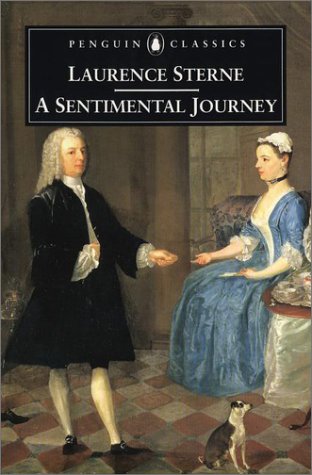
“The writings of Sterne... form the best course of morality that ever was written.”
— Thomas Jefferson
Source: Letter to Peter Carr, 10 August 1787
Read by Thomas Jefferson
“Locke’s little book on government, is perfect as far as it goes.”
— Thomas Jefferson
Source: Letter to Thomas Mann Randolph, 30 May 1790
Read by Thomas Jefferson
From the Most Early Period of Genuine Historical Evidence to the Present Important and Alarming Crisis
“He has taken Hume's work... and wherever he has found him endeavoring to mislead... he has changed the text to what it should be, so that we may properly call it Hume's history republicanised.”
— Thomas Jefferson
Source: Letter to John Norvell, 11 June 1807
Read by Thomas Jefferson
And Selected Writings
“In morality, read Epictetus, Xenophontis Memorabilia, Plato’s Socratic dialogues, Cicero’s philosophies, Antoninus, and Seneca.”
— Thomas Jefferson
Source: Letter to Peter Carr, 19 August 1785
Read by Thomas Jefferson
Recollections of Socrates
“In morality, read... Xenophontis Memorabilia.”
— Thomas Jefferson
Source: Letter to Peter Carr, 19 August 1785

Read by Thomas Jefferson
During the Middle of the Fourth Century Before the Christian Era
“I have just finished reading the Travels of Anacharsis... it is a most excellent work.”
— Thomas Jefferson
Source: Letter to Cornelia J. Randolph, 3 June 1811
Read by Thomas Jefferson
Marmontel's Moral Tales
“Such, I think, are Marmontel's new moral tales, but not his old ones, which are really immoral.”
— Thomas Jefferson
Source: Letter to Nathaniel Burwell, 14 March 1818
Read by Thomas Jefferson
A Tale, Supposed to be Written by Himself
Source: Letter to Robert Skipwith, 3 August 1771
Read by Thomas Jefferson
Source: Letter to Robert Skipwith, 3 August 1771
Travels into Several Remote Nations of the World
Source: Letter to Robert Skipwith, 3 August 1771
Read by Thomas Jefferson
Containing an Account of His Travels Through the Cities of London and Westminster in the Search of a Real Friend
Source: Letter to Robert Skipwith, 3 August 1771
Read by Thomas Jefferson
A rational science of taste
Source: Letter to Robert Skipwith, 3 August 1771
Read by Naval Ravikant, Arianna Huffington, Tobias Lütke and 12 others
A New Translation
“In morality, read... Antoninus.”
— Thomas Jefferson
Source: Letter to Peter Carr, 19 August 1785
“Thus a lively and lasting sense of filial duty is more effectually impressed on the mind of a son or daughter by reading King Lear, than by all the dry volumes of ethics, and divinity that ever were written.”
— Thomas Jefferson
Source: Letter to Robert Skipwith, 3 August 1771
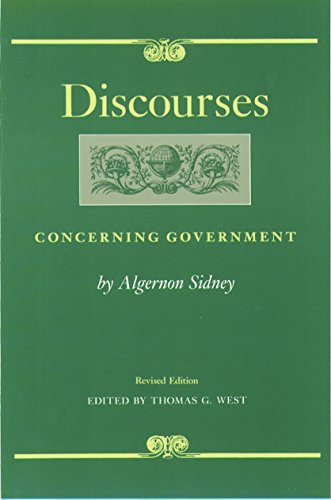
Read by Thomas Jefferson
Source: Letter to Robert Skipwith, 3 August 1771
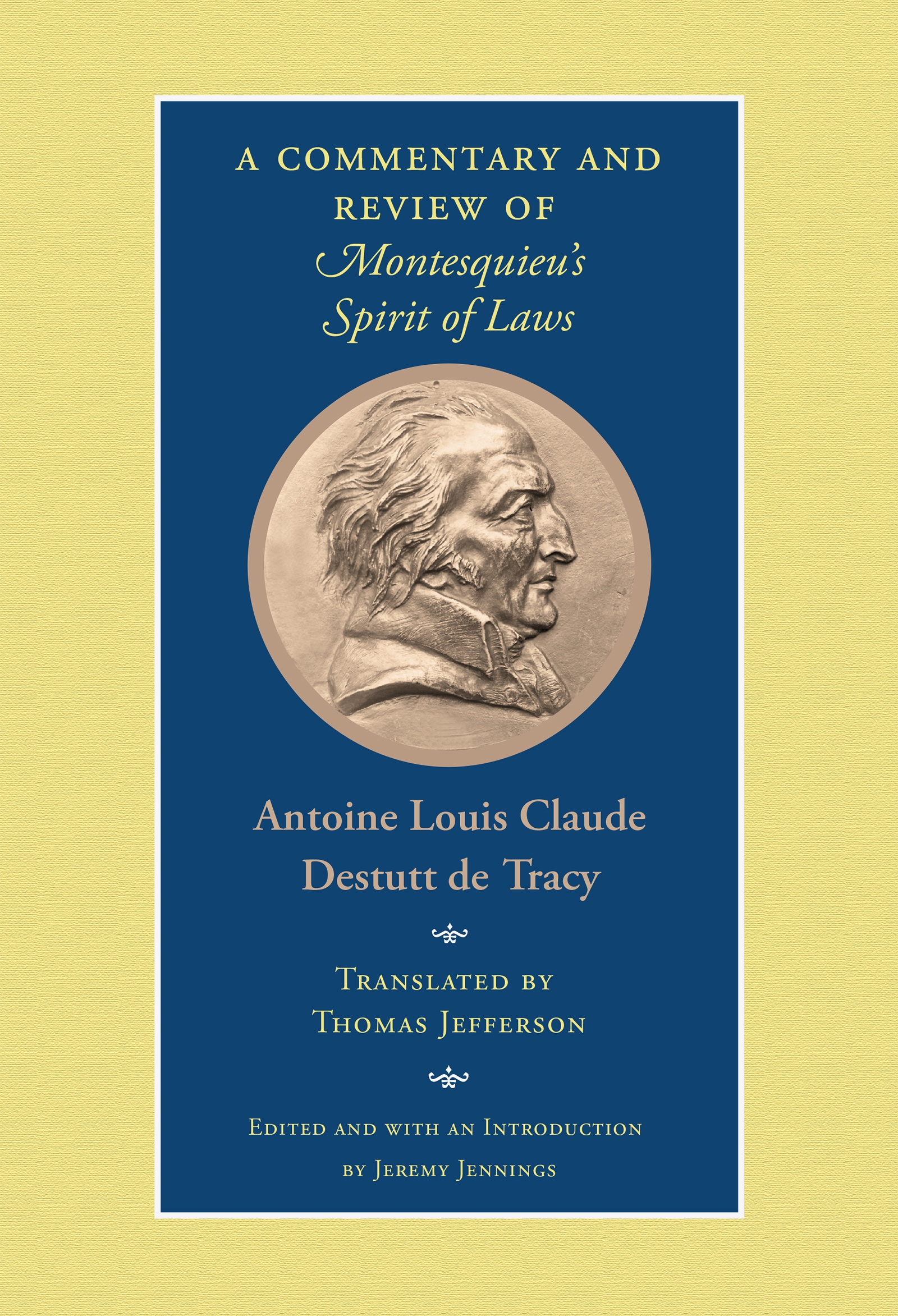
Read by Thomas Jefferson
To Which Are Annexed Observations on the Thirty-First Book by the Late M. Condorcet
“I cannot express to you the satisfaction which I received from its perusal... I had found [Montesquieu's] book to be but a collection of heresies... The Review of Montesquieu... is the element of that science which I have always so much wished for.”
— Thomas Jefferson
Source: Letter to Antoine Destutt de Tracy, 26 January 1811
Source: Letter to Robert Skipwith, 3 August 1771
Source: Letter to Peter Carr, 19 August 1785
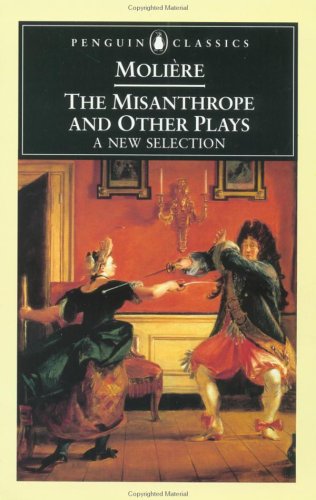
Read by Thomas Jefferson
or, The Cantankerous Lover
Source: Letter to Robert Skipwith, 3 August 1771
Also recommends books in
His 27 recommendations include The Wealth of Nations by Adam Smith, The Federalist Papers by Hamilton, Madison, and Jay, Don Quixote by Miguel de Cervantes, A Treatise on Political Economy by Destutt de Tracy, and The Poems of Ossian by James Macpherson.
His top pick is The Wealth of Nations by Adam Smith, which he singled out in a 1790 letter, writing, "In political economy, I think Smith's Wealth of Nations the best book extant."
They are drawn from his letters, including his famous reading advice to his nephew Peter Carr, correspondence with James Madison and Robert Skipwith, and other letters where he named the books he valued.
Yes. He authored two works listed here: Notes on the State of Virginia, his only full-length book, and The Jefferson Bible, his edited account of the life and morals of Jesus.
His recommendations span philosophy and history, with heavy fiction and society and politics threads, reflecting his interests in classical morality, republican political theory, and the great works of world literature.