Read by Javier Milei

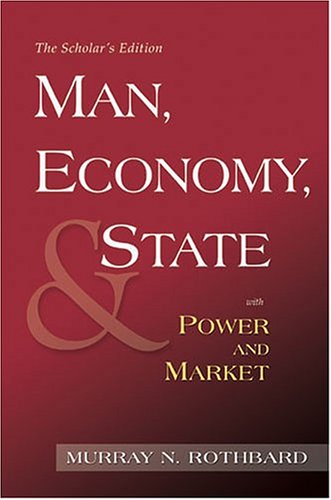
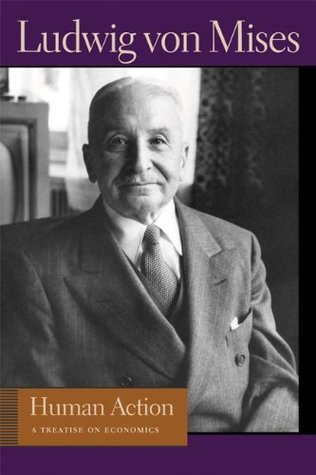
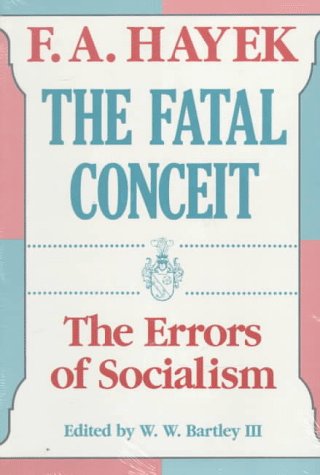
An Austrian-School shelf almost entirely defines Javier Milei's book recommendations, fitting for the President of Argentina and a self-described anarcho-capitalist economist. These 14 titles, drawn largely from his marathon appearance on the Lex Fridman Podcast along with prologues he has written, a gift to Pope Francis, and official publisher lists, form a coherent ideological library. Economics and finance lead, inseparable here from philosophy and society and politics. The pivotal book is Murray Rothbard's Man, Economy, and State, which he says forced a reckoning: "after reading it carefully I said: everything I've taught about market structure in the last 20 years is wrong." He describes Ludwig von Mises's Human Action as "a true revolution in my head," and recounts gifting Hayek's The Fatal Conceit to the Pope. Milei has also authored four books of his own on economics and Argentine politics.
Last updated January 2026 · Every recommendation cited to its original source.
Read by Javier Milei
A Treatise on Economic Principles
“I remember reading it like it was today, and after reading it carefully I said: everything I've taught about market structure in the last 20 years is wrong. This caused a very strong internal commotion in me.”
— Javier Milei
Source: Lex Fridman Podcast #453
Read by Javier Milei
A Treatise on Economics
“I started to read this book right from the first page, and I didn't stop until I finished it, and that was a true revolution in my head.”
— Javier Milei
Source: Lex Fridman Podcast #453
Read by Javier Milei
The Errors of Socialism
“I gave the Pope... 'The Fatal Conceit' [which explains] why socialism, by attempting to wipe the slate clean of all that institutional tradition... condemns society to failure.”
— Javier Milei
Source: Gift to Pope Francis
Read by Javier Milei
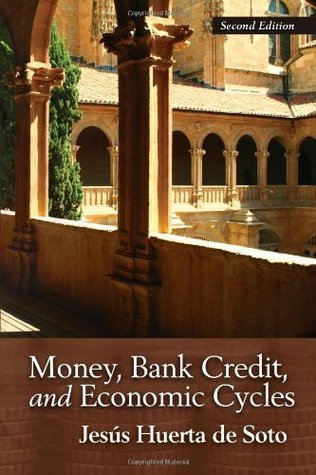
Source: Union Editorial Official List
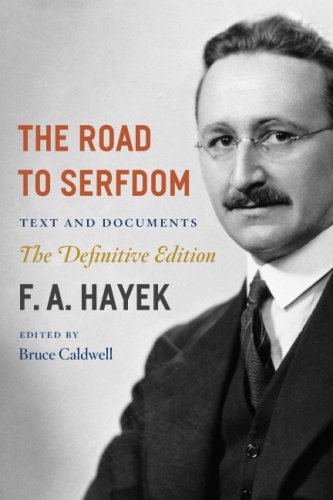
Read by Elon Musk, Javier Milei, Charlie Kirk and 2 others
Text and Documents: The Definitive Edition
“I am a person who follows the ideas of Friedrich Hayek.”
— Javier Milei
Source: Lex Fridman Podcast #453
Source: Union Editorial Official List
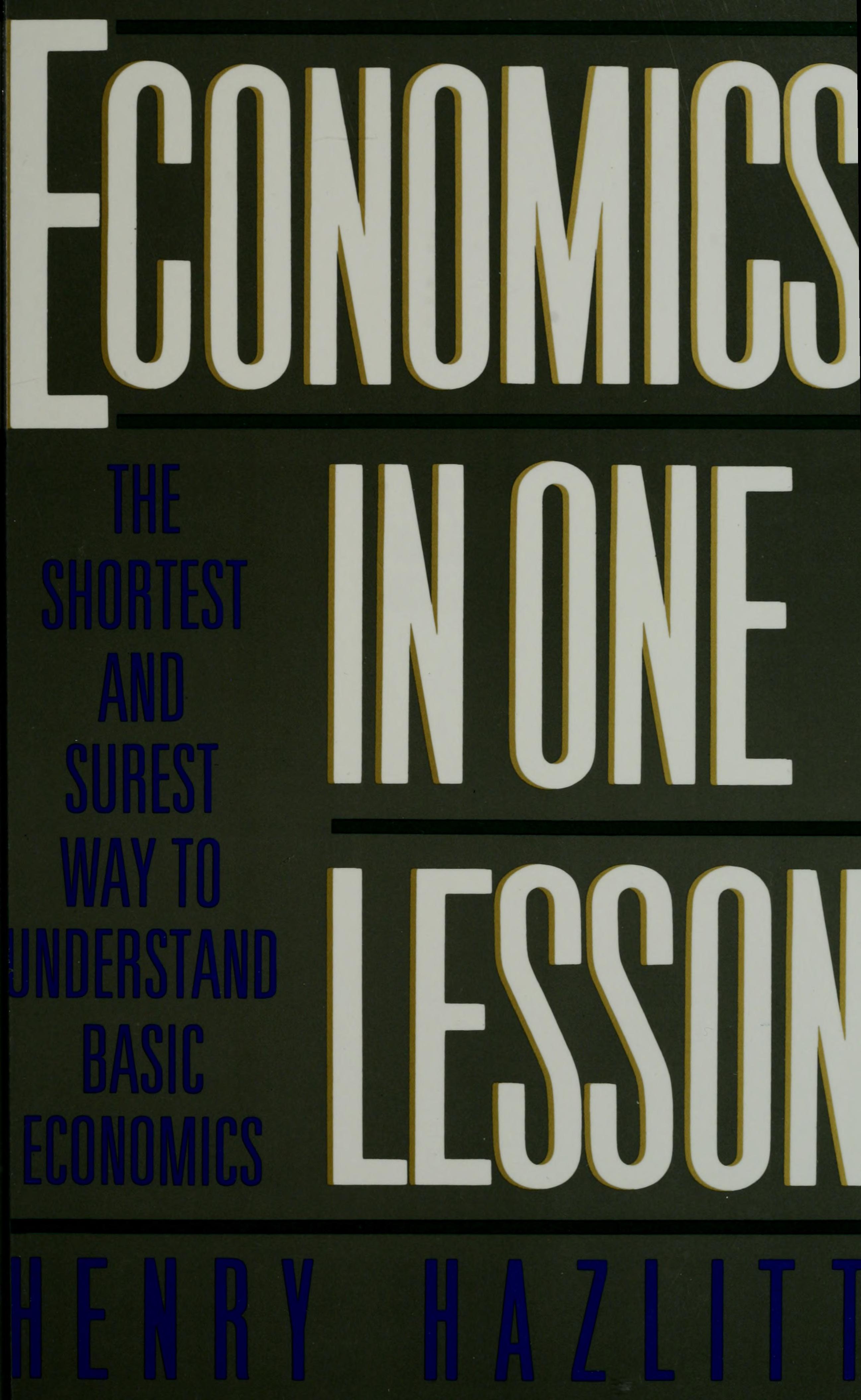
The Shortest and Surest Way to Understand Basic Economics
Source: Prologue by Javier Milei (Spanish Edition)
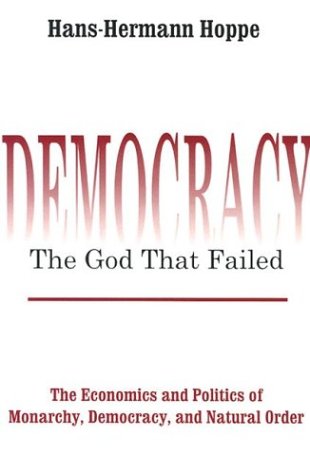
The Economics and Politics of Monarchy, Democracy, and Natural Order
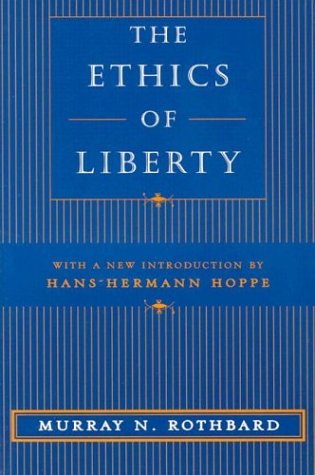
“I am an anarcho-capitalist in theory... and the best discussion on this is in the works of Hoppe and Rothbard.”
— Javier Milei
Source: Lex Fridman Podcast #453
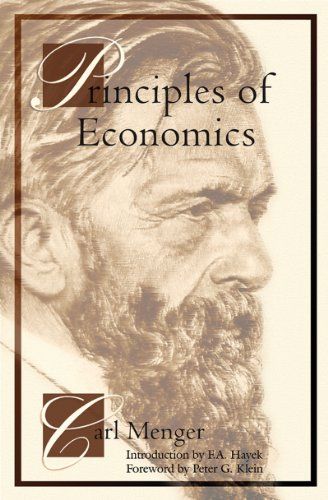
Read by Javier Milei
“Another book that was a very significant influence and impact on me was the Principles of Economics by Menger. It was truly eye-opening.”
— Javier Milei
Source: Lex Fridman Podcast #453
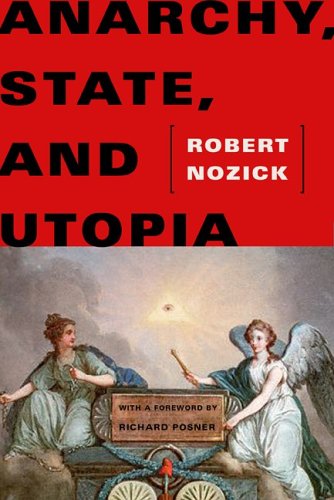
Read by Javier Milei
Source: Fin.Guru Analysis
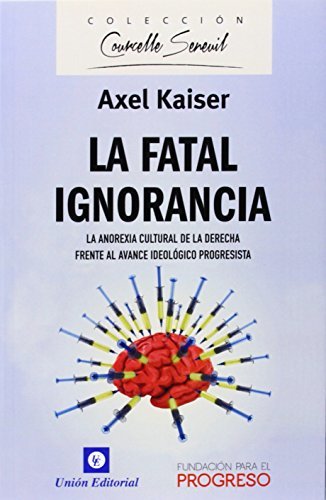
Read by Javier Milei
The cultural anorexia of the right facing the progressive ideological advance
“Axel has a wonderful book called 'La fatal ignorancia'.”
— Javier Milei
Source: Fundación Faro Speech
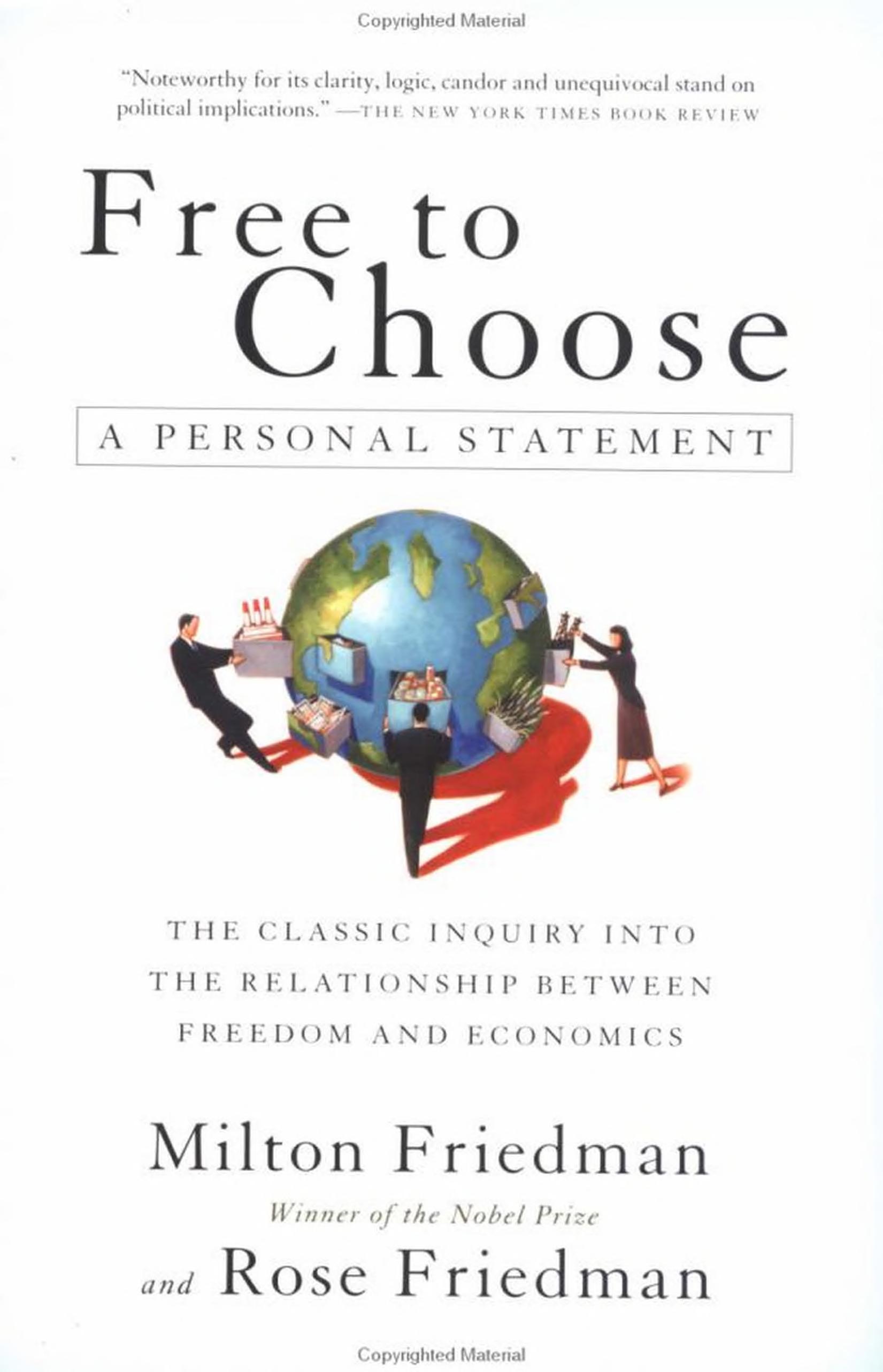
Read by Javier Milei
A Personal Statement
Source: Hoover Institution Profile
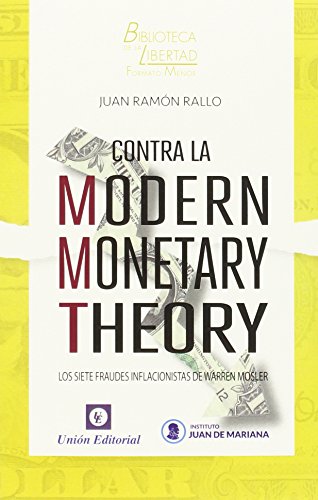
Read by Javier Milei
Warren Mosler's Seven Inflationary Frauds
Source: Union Editorial Official List
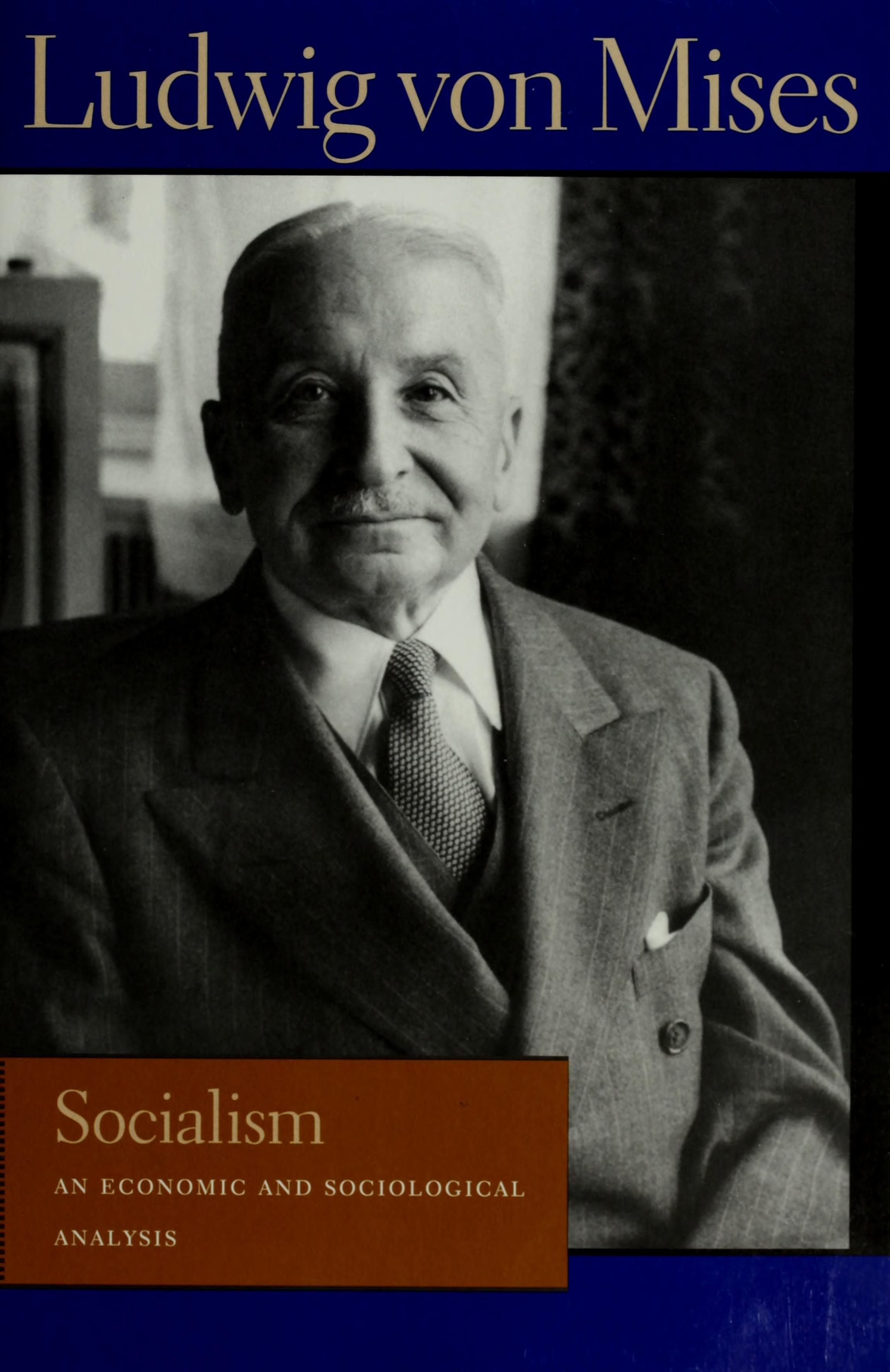
“When I found Mises and I read Human Action and then I read Socialism... that was my conversion.”
— Javier Milei
Source: Lex Fridman Podcast #453
Also recommends books in
His 14 recommendations include Man, Economy, and State by Murray Rothbard, Human Action by Ludwig von Mises, The Fatal Conceit and The Road to Serfdom by Friedrich Hayek, Principles of Economics by Carl Menger, and Free to Choose by Milton Friedman.
Rothbard's Man, Economy, and State is his top pick. He says that after reading it, "everything I've taught about market structure in the last 20 years is wrong," a realization that caused "a very strong internal commotion" in him.
Many were named during his long conversation on the Lex Fridman Podcast (episode 453). Others come from prologues and forewords he has written, official Union Editorial reading lists, a speech at Fundación Faro, and a book he gifted to Pope Francis.
Yes, four, including Libertad, libertad, libertad (2019), Pandenomics (2020), and Capitalism, Socialism, and the Neoclassical Trap (2024). Most extend the free-market and Austrian economic arguments that define his reading.
He credits the Austrian economists with his intellectual conversion. Describing his discovery of Mises, he says that reading Human Action and then Socialism "was my conversion," and he names Hayek, Rothbard, and Hoppe as the thinkers whose ideas he follows most closely.