Read by Dave Smith

Dave Smith is a stand-up comedian who doubles as one of the most consistent libertarian voices in commentary, and his book recommendations form a focused primer on the ideas he argues from on Part of the Problem and The Joe Rogan Experience. His 14 recommendations, drawn from his podcast, a Mises Institute interview, and a Reason Magazine profile, sit squarely in society and politics, economics and finance, and philosophy. His entry-point pick is Murray Rothbard's Anatomy of the State, which he reaches for first when recommending Rothbard to newcomers. He is even more emphatic about Hans-Hermann Hoppe's Democracy: The God That Failed, calling it "one of the best books I've ever read in my life. It's a masterpiece." The list also reflects his focus on foreign policy, with Scott Horton's antiwar trilogy, and his path into the movement through Ron Paul's The Revolution: A Manifesto.
Last updated March 2026 · Every recommendation cited to its original source.
Read by Dave Smith
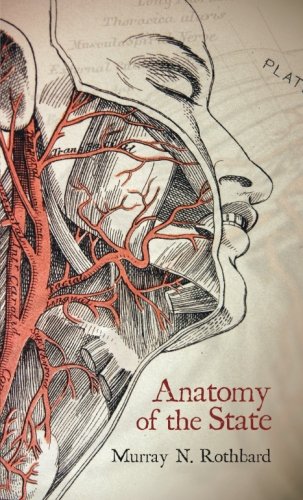
“When I'm recommending Rothbard to people, I usually start with Anatomy of the State... There's my book recommendation.”
— Dave Smith
Source: Mises Institute Interview
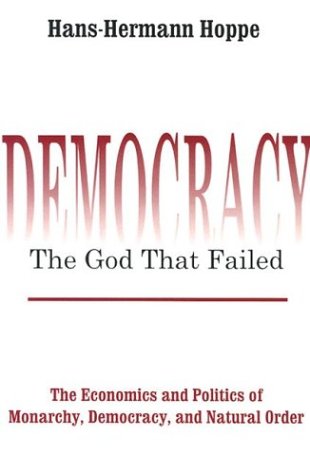
The Economics and Politics of Monarchy, Democracy, and Natural Order
“The book Democracy: The God that Failed is unbelievable. I highly recommend it. I think it's one of the best books I've ever read in my life. It's a masterpiece.”
— Dave Smith
Source: Part of the Problem Podcast #316
Read by Dave Smith
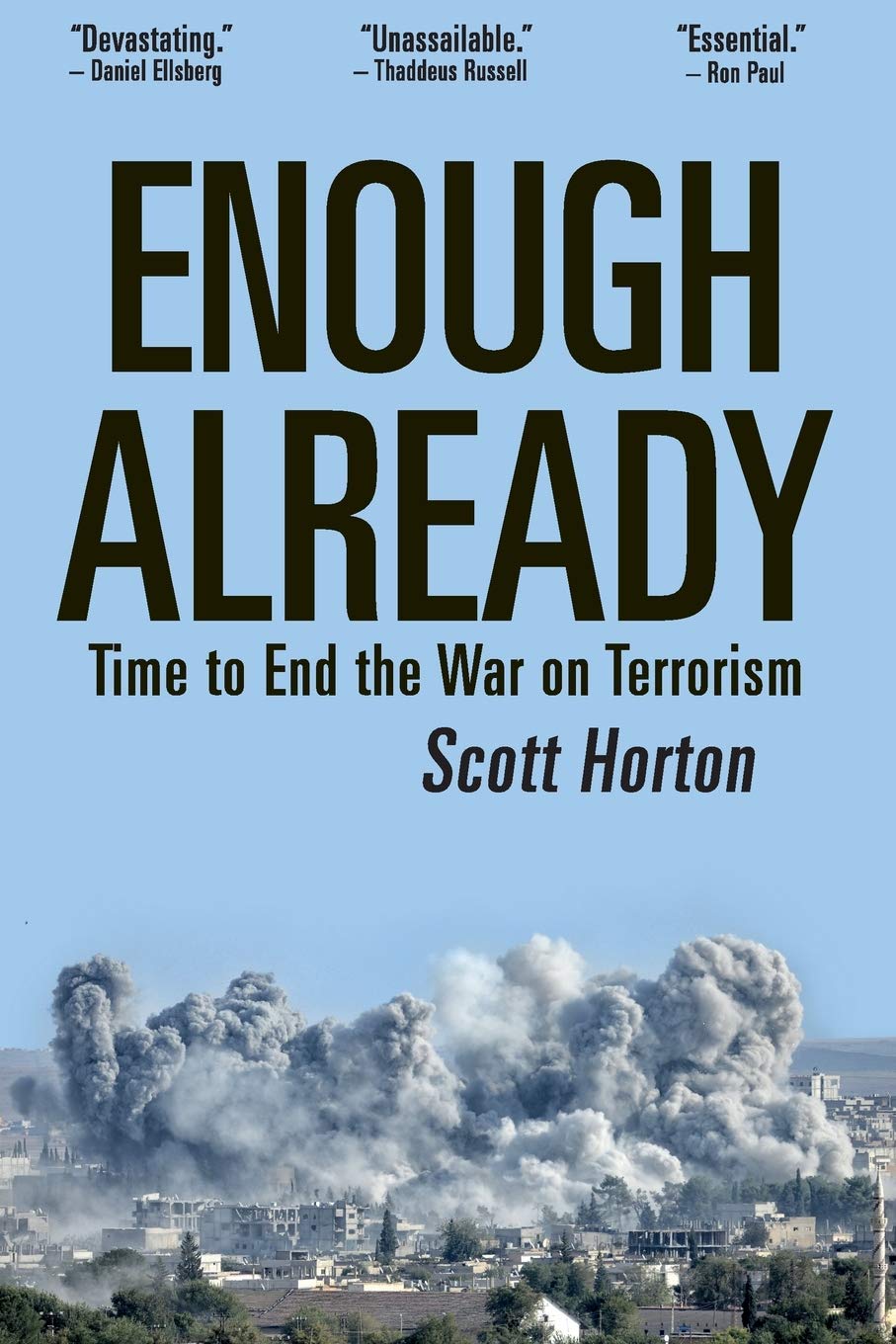
Time to End the War on Terrorism
“The absolute best book that's been written about the terror wars... I highly recommend everybody if you haven't read Enough Already make sure to to buy it and read it.”
— Dave Smith
Source: Part of the Problem Podcast

Read by Dave Smith
Time to End the War in Afghanistan
“Phenomenal book about the war in Afghanistan.”
— Dave Smith
Source: Part of the Problem Podcast
Read by Peter Thiel, Quentin Tarantino, Joe Rogan and 2 others
Charles Manson, the CIA, and the Secret History of the Sixties
“This is a book I can wholeheartedly recommend... it's fucking amazing. I just want to tell you, this shit goes deep and it's fascinating.”
— Dave Smith
Source: The Joe Rogan Experience #1459
Read by Dave Smith
“He challenged all of my preconceived notions about what government was [and] inspired me to read all of these people, like Rothbard, Mises, and Friedman.”
— Dave Smith
Source: Reason Magazine Interview
Read by Dave Smith
“You've read a few books if you're chanting end the Fed.”
— Dave Smith
Source: Reason Magazine Interview
Read by Dave Smith
How Washington Started the New Cold War with Russia and the Catastrophe in Ukraine
“The absolute best book that's been written about the war in Ukraine or really the book is the story of the leadup to the war in Ukraine.”
— Dave Smith
Source: Part of the Problem Podcast #1322
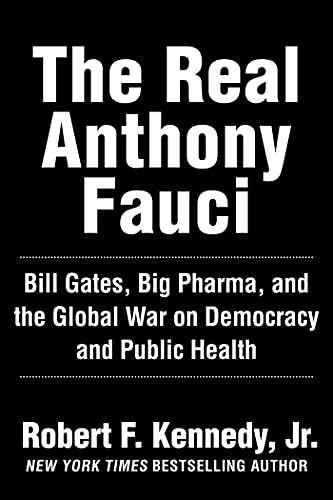
Bill Gates, Big Pharma, and the Global War on Democracy and Public Health
“The Real Anthony Fauci is a must read.”
— Dave Smith
Source: Official Twitter Account
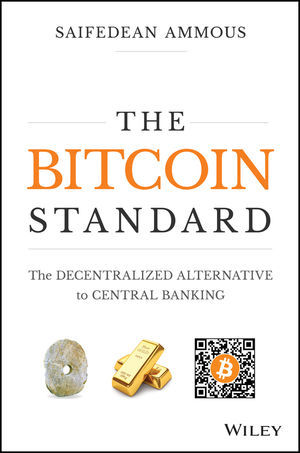
Read by Dave Smith
The Decentralized Alternative to Central Banking
“Internationally best-selling book... I've had so many people for years who've wanted me and you to have a conversation about Bitcoin.”
— Dave Smith
Source: Part of the Problem Podcast
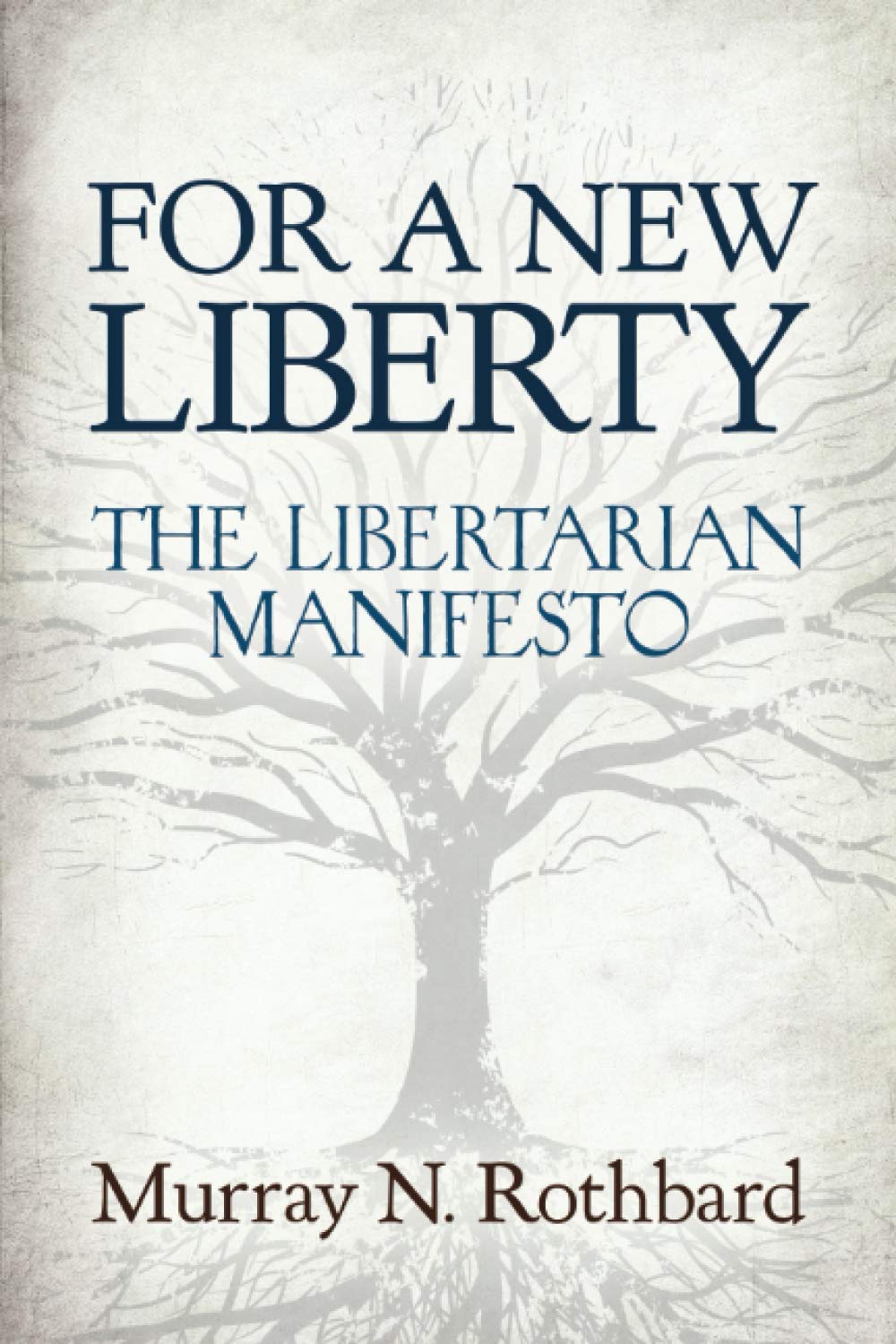
Read by Dave Smith
The Libertarian Manifesto
“But For a New Liberty [is also essential].”
— Dave Smith
Source: Mises Institute Interview
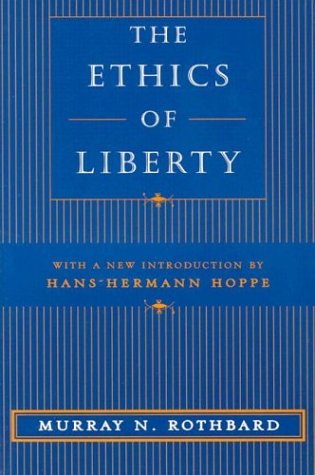
“The Ethics of Liberty gives you the most compelling argument.”
— Dave Smith
Source: Mises Institute Interview
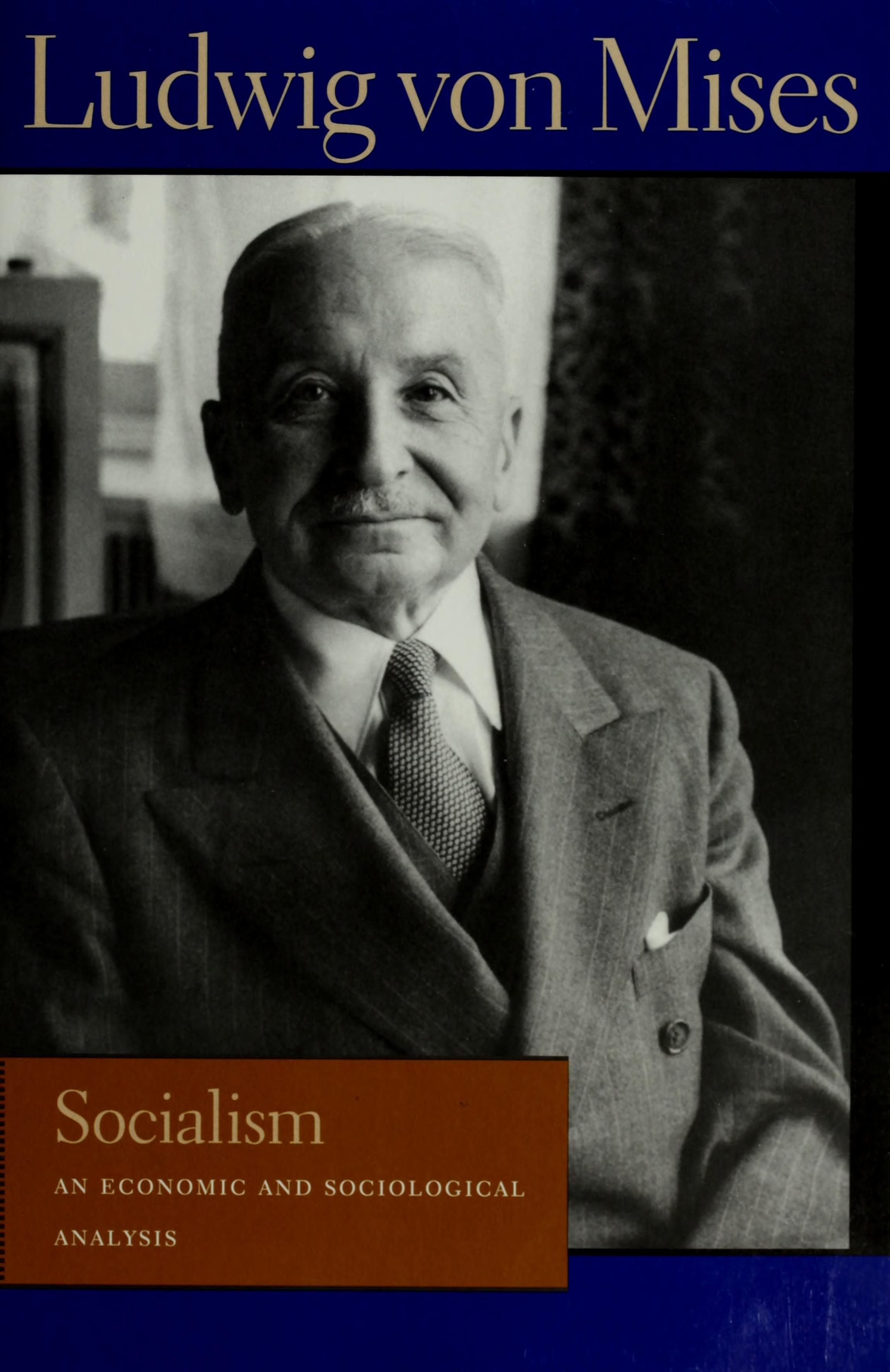
“I've read Human Action and I've read Socialism...”
— Dave Smith
Source: Mises Institute Interview
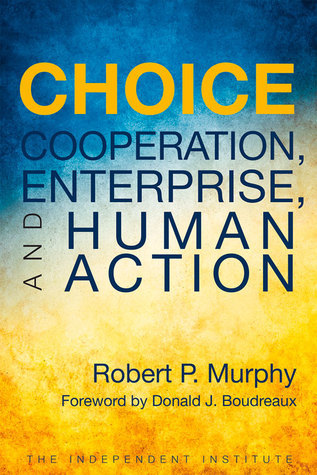
Read by Dave Smith
A Modern Restatement of Ludwig von Mises' Human Action
“I've also read Bob Murphy's Choice, so I've absorbed a lot of Mises through other people too.”
— Dave Smith
Source: Mises Institute Interview
Also recommends books in
His 14 recommendations include Anatomy of the State by Murray Rothbard, Democracy: The God That Failed by Hans-Hermann Hoppe, Enough Already and Fool's Errand by Scott Horton, and The Revolution: A Manifesto by Ron Paul.
He starts newcomers with Rothbard's Anatomy of the State, but reserves his highest praise for Hoppe's Democracy: The God That Failed, calling it "unbelievable" and "one of the best books I've ever read in my life. It's a masterpiece."
They are drawn from his podcast Part of the Problem, an interview with the Mises Institute, a Reason Magazine profile, his official Twitter account, and an appearance on The Joe Rogan Experience (episode 1459).
He champions Scott Horton's antiwar books, calling Enough Already "the absolute best book that's been written about the terror wars," praising Fool's Errand on Afghanistan as "phenomenal," and pointing to Provoked on the lead-up to the war in Ukraine.
Society and politics leads his list, closely followed by economics and finance and philosophy, with a strand of history. Nearly all his picks are libertarian and Austrian-economics texts or antiwar histories that inform his commentary.