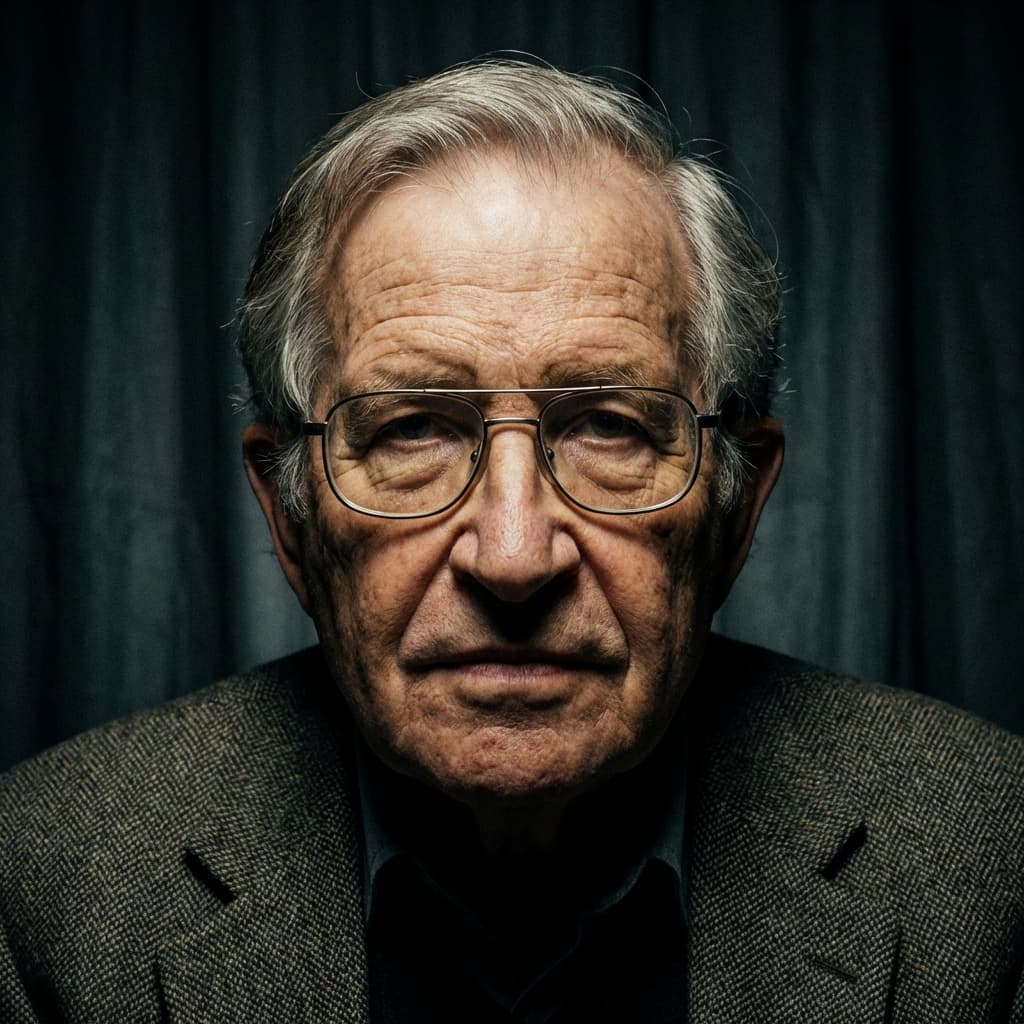
Noam Chomsky
Father of Modern Linguistics & Social Critic
A laureate professor at the University of Arizona and institute professor emeritus at MIT, he is widely credited with revolutionizing modern linguistics with his theory of generative grammar. As one of the world's most cited scholars, he has authored over 150 books on topics ranging from syntax to w…
7 books authored

Syntactic Structures
A foundational work in linguistics that introduced the theory of transformational-generative grammar. It argues that language is governed by a formal, innate system of rules rather than learned habits, a premise that helped spark the cognitive revolution.
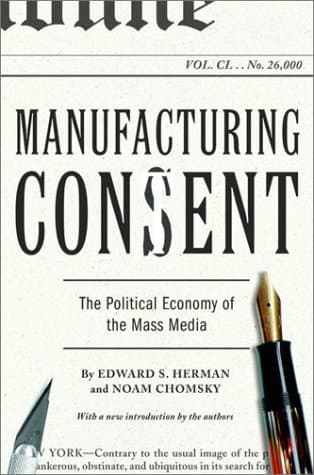
Manufacturing Consent
The Political Economy of the Mass Media
A seminal analysis of the 'propaganda model' of the American news media. The authors argue that mass communication serves elite interests through structural filters like ownership and advertising, effectively shaping public perception to support state and corporate policies.
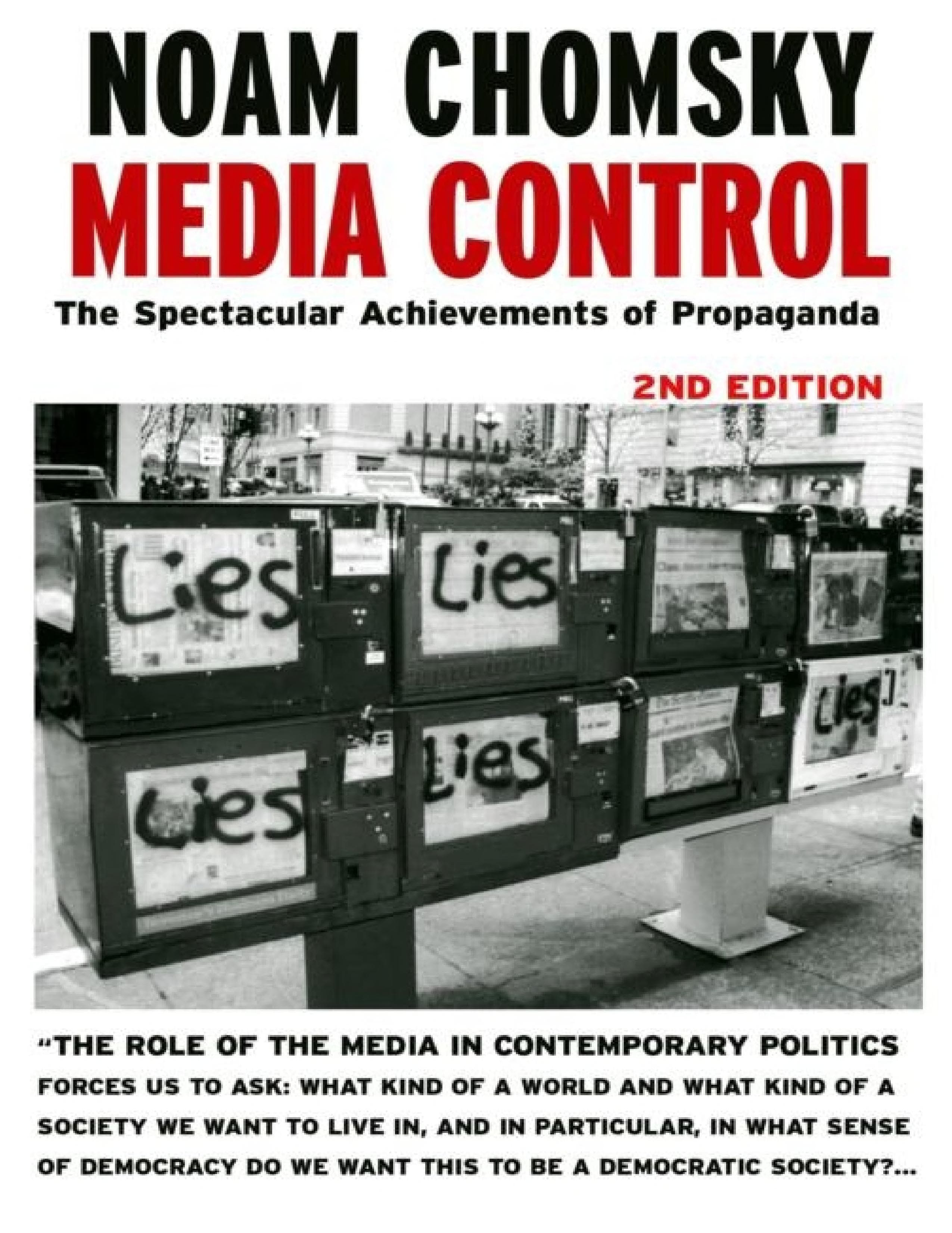
Media Control: The Spectacular Achievements of Propaganda
The Spectacular Achievements of Propaganda
Media Control explores the techniques and history of state propaganda in democratic societies. Chomsky examines how media and public relations industries are used to manage public opinion and marginalize dissent, citing examples from the Creel Commission to the Gulf War.

Understanding Power: The Indispensable Chomsky
A collection of previously unpublished transcripts from seminars and question-and-answer sessions conducted by Noam Chomsky between 1989 and 1999. The book offers a comprehensive introduction to his critiques of media, foreign policy, and domestic power structures. Chomsky explains the mechanisms of modern political control and provides a framework for understanding and challenging concentrated power.
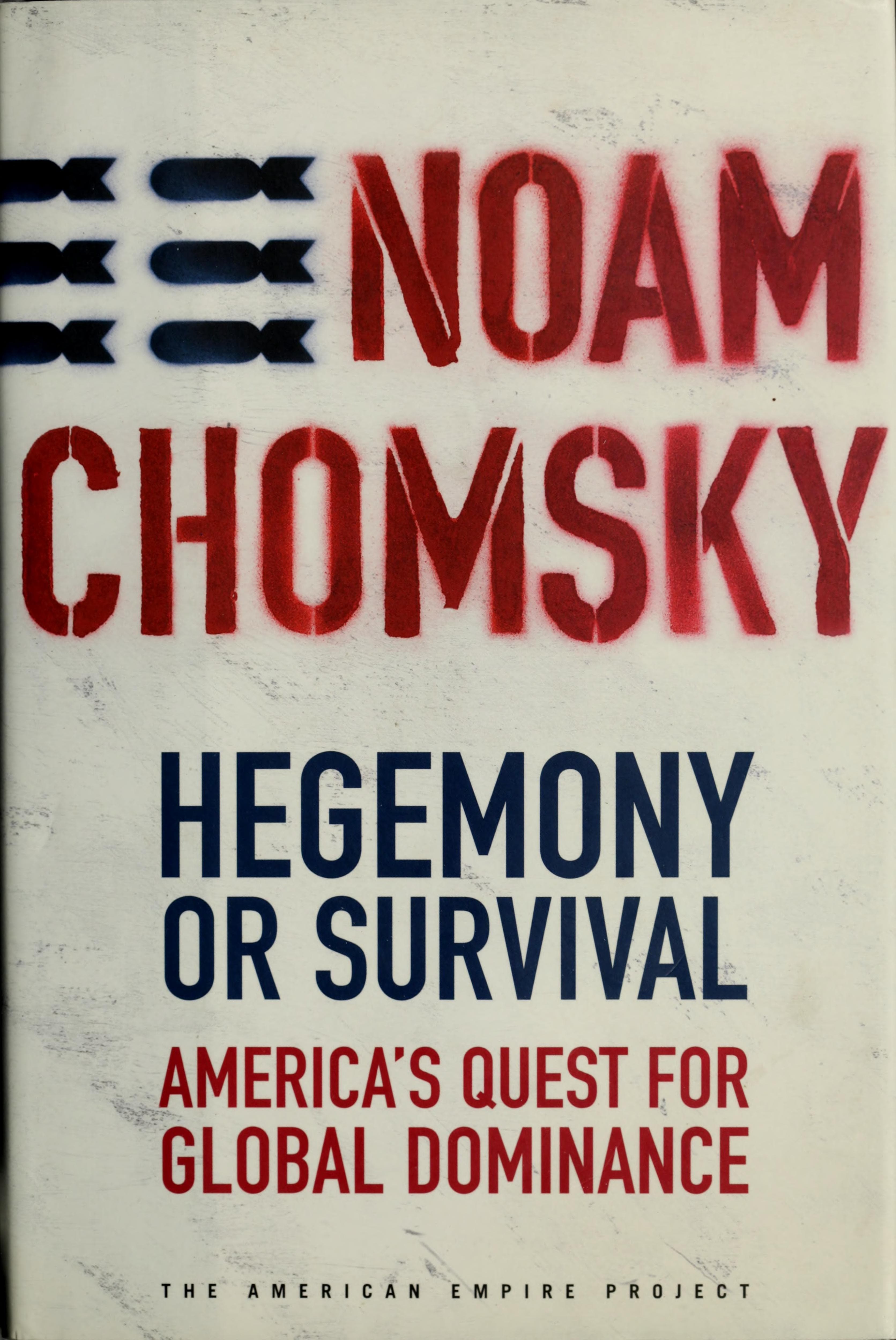
Hegemony or Survival
America's Quest for Global Dominance
An analysis of the United States' 'Imperial Grand Strategy' and its pursuit of global hegemony since World War II. Chomsky examines how American foreign policy, militarization, and unilateralism threaten international law and the survival of the species.
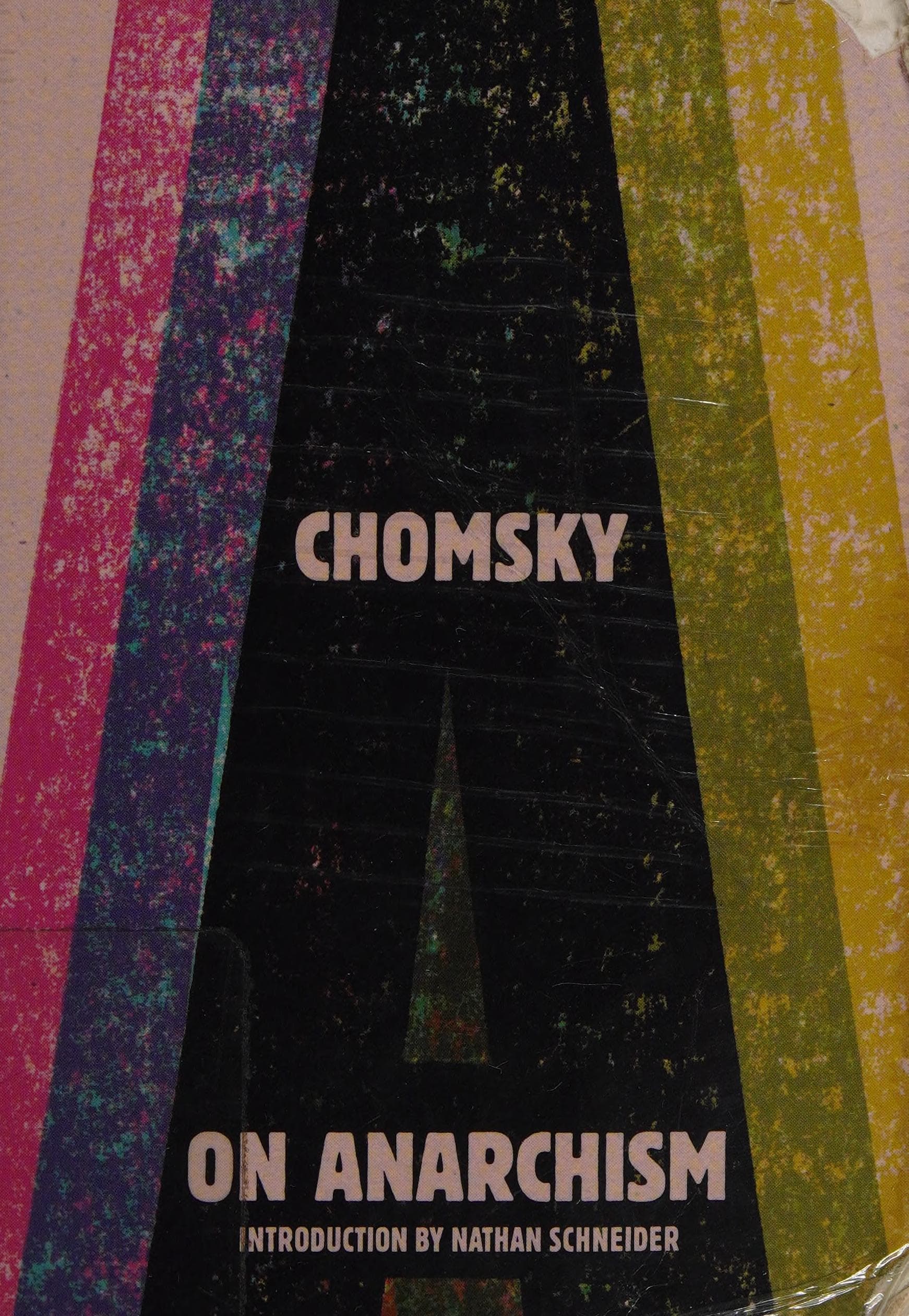
On Anarchism
Notes on Anarchism, the Spanish Civil War, and the Future of Freedom
A collection of essays and interviews exploring the principles of anarchist thought and its application to contemporary power structures. Chomsky critiques the legitimacy of entrenched authority and advocates for a society based on voluntary cooperation and decentralized control.
Requiem for the American Dream
The 10 Principles of Concentration of Wealth & Power
Noam Chomsky analyzes the deliberate concentration of wealth and power in the United States over the past half-century. He outlines ten principles that have led to the erosion of the middle class and the undermining of democratic institutions.