
Stephen Wolfram
Creator of Mathematica, Wolfram|Alpha & Wolfram Language
Stephen Wolfram is a British-American computer scientist, physicist, and businessman known for his work in computer science, mathematics, and theoretical physics. He is the founder and CEO of Wolfram Research and the creator of Mathematica, Wolfram|Alpha, and the Wolfram Language. He is also the aut…
8 books authored

An Elementary Introduction to the Wolfram Language
An introduction to the Wolfram Language and modern computational thinking for readers with no prior programming knowledge. The book covers core concepts through interactive examples, ranging from basic arithmetic and lists to graphics, data analysis, and machine learning. It explores how to use built-in knowledge and automation to express and solve problems computationally.
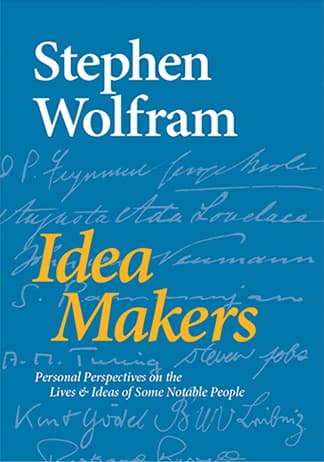
Idea Makers: Personal Perspectives on the Lives & Ideas of Some Notable People
Personal Perspectives on the Lives & Ideas of Some Notable People
Stephen Wolfram provides a personal look into the lives and intellectual contributions of some of history's most influential thinkers. The collection of biographical essays explores figures such as Steve Jobs, Richard Feynman, Ada Lovelace, and Alan Turing, weaving their life stories with insights into science and technology.
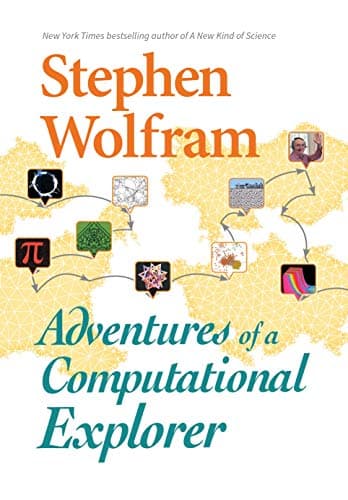
Adventures of a Computational Explorer
A collection of autobiographical essays and blog posts exploring the application of the computational paradigm to diverse fields. The author details his experiences in technology design, science consulting for film, AI ethics, and the pursuit of a fundamental theory of physics.
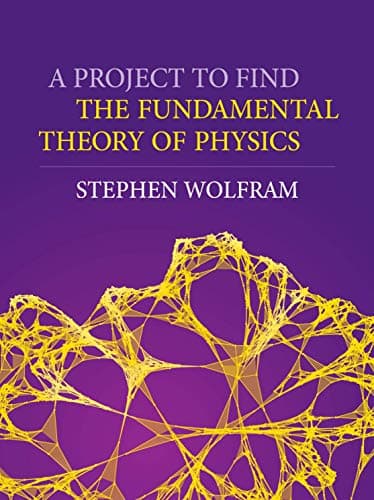
A Project to Find the Fundamental Theory of Physics
This book documents the Wolfram Physics Project, which aims to model the fundamental laws of physics through a computational framework of hypergraphs and simple rewriting rules. It details how complex physical phenomena like relativity and quantum mechanics can emerge from these discrete systems. The volume contains technical exposition, rich visualizations, and historical background on the project's development.
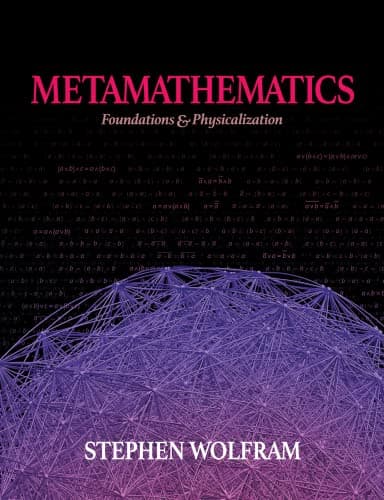
Metamathematics
Foundations & Physicalization
This work proposes that mathematics and physics emerge from a common underlying computational structure known as the ruliad. Wolfram explores the physicalization of metamathematics, suggesting that the laws of mathematics are analogous to physical laws and can be understood through the behavior of mathematical observers. The text integrates historical analysis of formal systems, such as Euclid's Elements, with modern algorithmic diagrams.
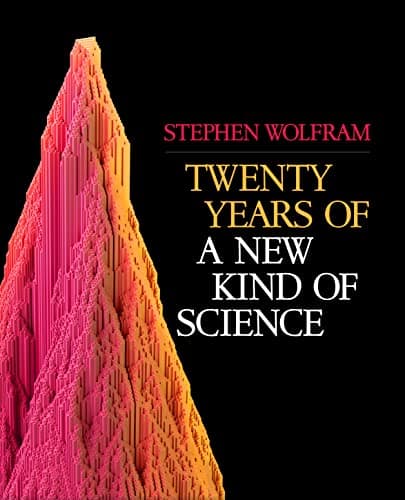
Twenty Years of A New Kind of Science
Stephen Wolfram reflects on the twenty-year legacy and impact of his work A New Kind of Science, detailing the evolution of computational thinking and the Wolfram Physics Project. The book explores how simple programs can model complex natural phenomena and includes a gallery of artistic works inspired by cellular automata.

What Is ChatGPT Doing ... and Why Does It Work?
Stephen Wolfram provides a technical overview of the internal mechanisms of ChatGPT, explaining how it uses neural networks to generate text through probabilistic word prediction. The book explores the relationship between large language models, the structure of human language, and the principles of computation.
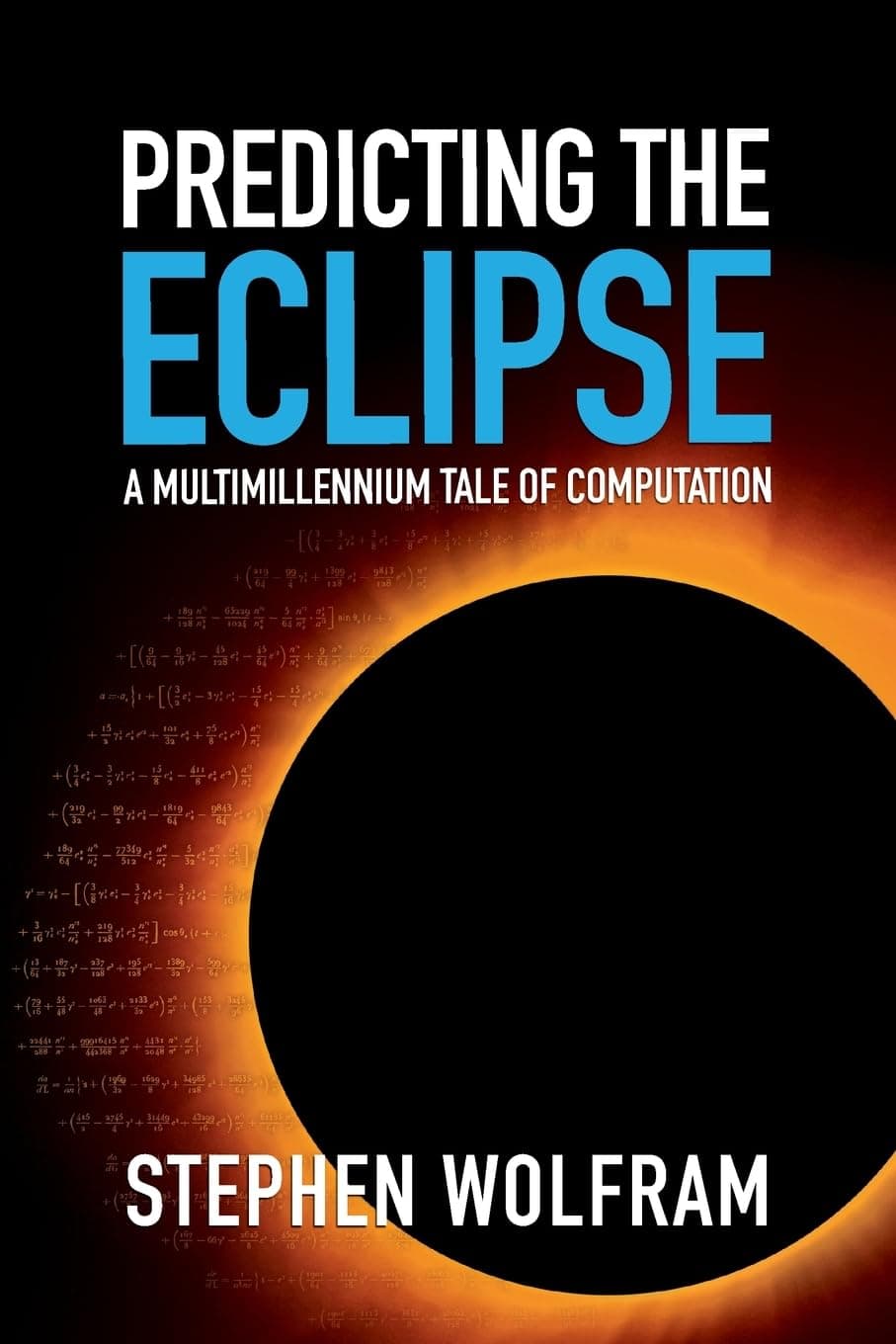
Predicting the Eclipse: A Multimillennium Tale of Computation
A Multimillennium Tale of Computation
Stephen Wolfram traces the two-thousand-year history of eclipse prediction, from ancient mechanical devices like the Antikythera mechanism to modern computational models. The book explores how the quest to calculate solar eclipses precisely has driven major advancements in mathematics, physics, and computer science.