
Steven Pinker
Johnstone Family Professor of Psychology at Harvard
Steven Pinker is the Johnstone Family Professor of Psychology at Harvard University and a leading expert on visual cognition and psycholinguistics. He is the author of numerous influential books, including The Language Instinct, The Better Angels of Our Nature, and Enlightenment Now, which explore t…
9 books authored
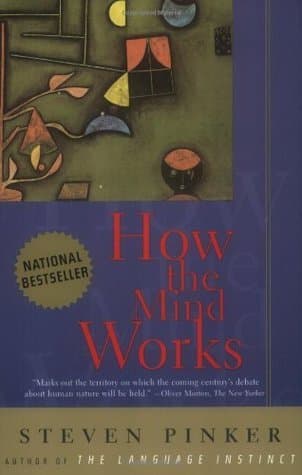
How the Mind Works
A comprehensive exploration of the human mind through the lenses of cognitive science and evolutionary psychology. Pinker explains how mental faculties like vision, emotion, and social relations evolved as computational organs designed by natural selection. The book challenges traditional views of human nature by framing the mind as a system of specialized modules optimized for survival and reproduction.
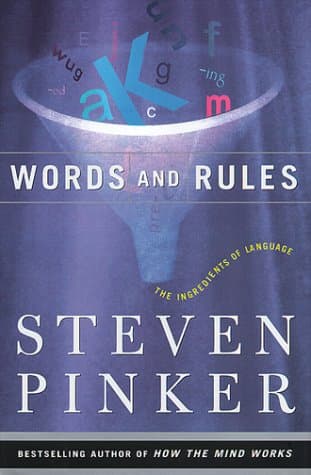
Words and Rules: The Ingredients of Language
The Ingredients of Language
Steven Pinker examines the dual mechanism of human language: a mental dictionary of memorized words and a mental grammar of creative rules. By focusing on regular and irregular verbs, he illustrates how the mind processes information and learns from linguistic errors. The work bridges linguistics, neuroscience, and philosophy to reveal the underlying architecture of human thought.
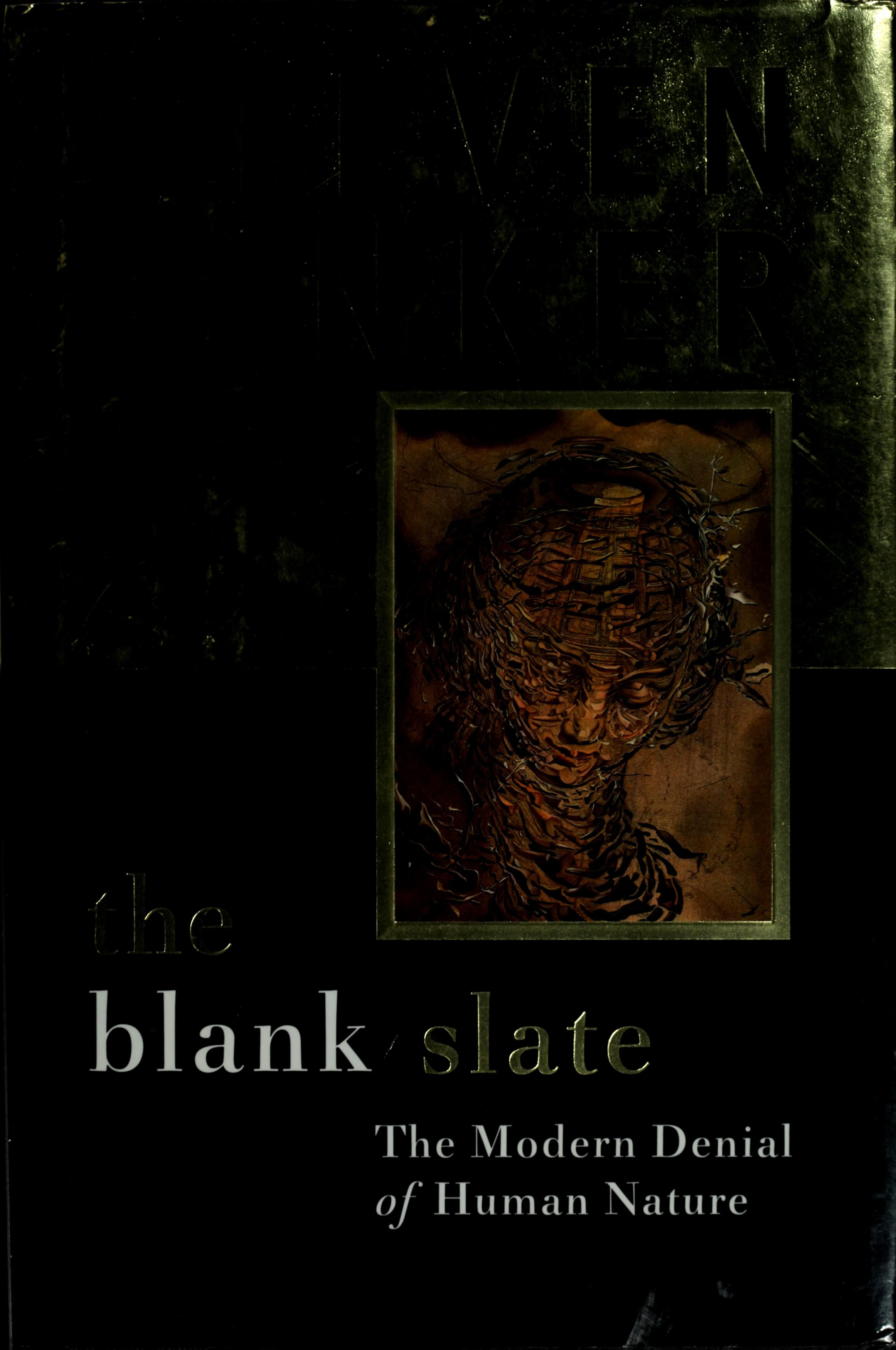
The Blank Slate
The Modern Denial of Human Nature
Steven Pinker challenges the dogma that the human mind is a blank slate shaped entirely by environment and culture. Drawing on cognitive science and evolutionary biology, he argues for an innate human nature that informs our morality, politics, and social behavior. The text examines the origins of human traits and the societal implications of denying our biological heritage.
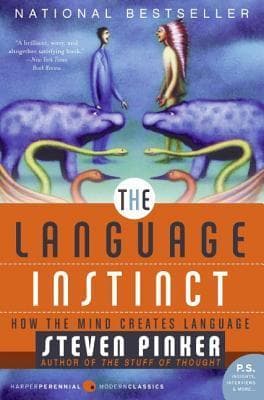
The Language Instinct
How the Mind Creates Language
Steven Pinker argues that language is an innate human biological instinct rather than a cultural invention. Drawing on cognitive science and linguistics, the book explains how children acquire language and how linguistic abilities evolved through natural selection.
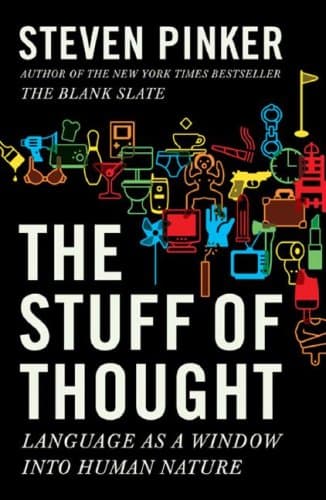
The Stuff of Thought
Language as a Window into Human Nature
Steven Pinker examines how our language provides a window into human nature, revealing the underlying structure of our thoughts and social relationships. By analyzing our use of verbs, prepositions, swearing, and innuendo, he demonstrates how words relate to our innate concepts of space, time, matter, and causality.
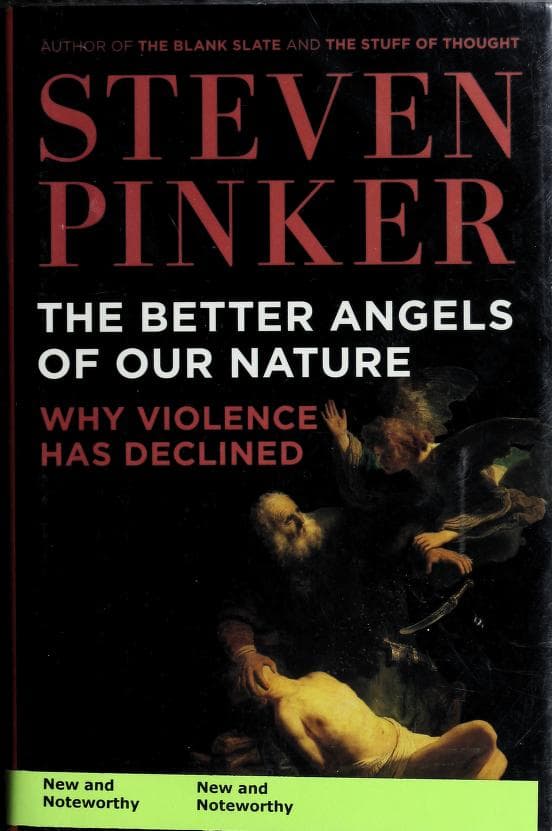
The Better Angels of Our Nature
Why Violence Has Declined
Steven Pinker argues that human violence has significantly declined throughout history. He explores the psychological and societal factors—such as the rise of government, commerce, and reason—that have fostered this transition toward a more peaceful world.
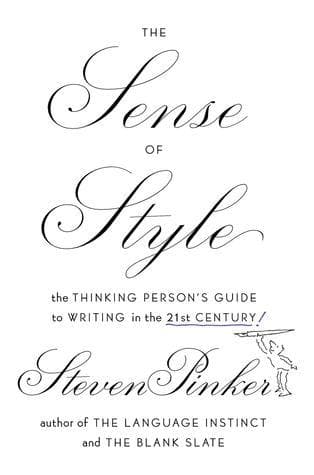
The Sense of Style
The Thinking Person's Guide to Writing in the 21st Century
A modern writing guide that applies insights from cognitive science and linguistics to the craft of prose. Pinker replaces traditional prescriptive rules with an evidence-based approach to clarity, coherence, and elegance. The book explores the psychology of communication and how to overcome the curse of knowledge.

Enlightenment Now
The Case for Reason, Science, Humanism, and Progress
Steven Pinker argues that the ideals of the Enlightenment—reason, science, and humanism—have led to unprecedented global progress. Using data and graphs, he demonstrates how life, health, prosperity, and safety have improved worldwide while defending these values against modern anti-Enlightenment movements.
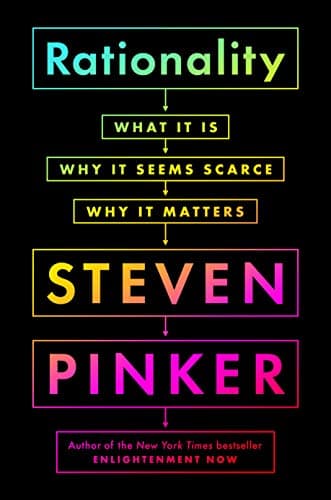
Rationality
What It Is, Why It Seems Scarce, Why It Matters
This book explores the cognitive tools of reason, including logic, probability, and decision-making under uncertainty. Steven Pinker argues that rationality is a set of tools for achieving goals and explains why humans often appear irrational while possessing the capacity for great intellectual and moral progress.