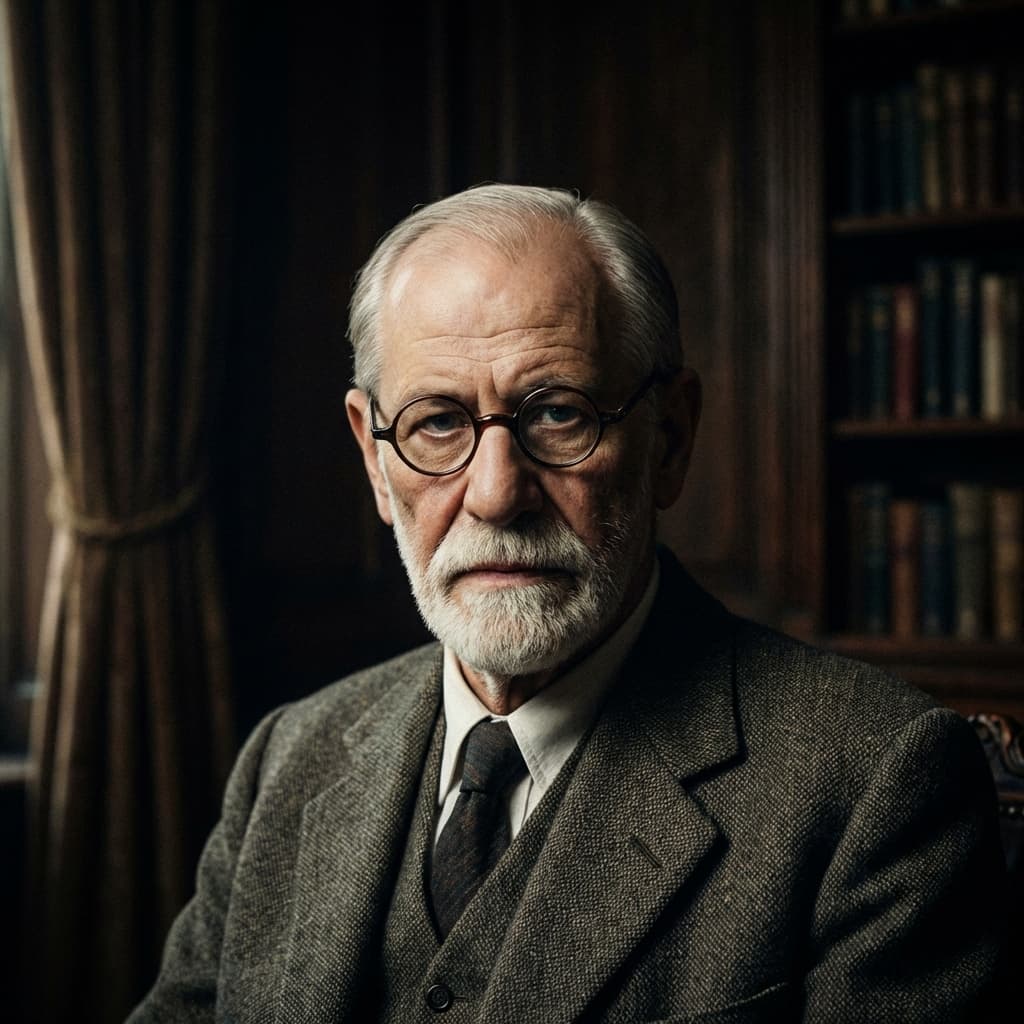
Sigmund Freud
Father of Psychoanalysis
Sigmund Freud was an Austrian neurologist and the founder of psychoanalysis, a clinical method for treating psychopathology through dialogue between a patient and a psychoanalyst. He developed therapeutic techniques such as the use of free association and discovered transference, establishing its ce…
12 books authored

Studies on Hysteria
A foundational text of psychoanalysis containing five case histories, including the famous case of Anna O. The work explores the psychological causes of hysterical symptoms, proposing they are linked to repressed traumatic memories, and introduces the cathartic method.
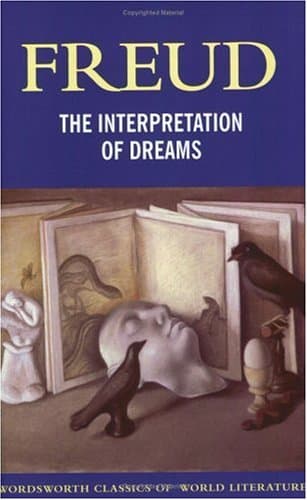
The Interpretation of Dreams
Sigmund Freud introduces the theory of the unconscious mind and identifies dream analysis as the royal road to understanding psychic activities. The text outlines the mechanisms of dream-work, including condensation and displacement, while arguing that dreams are primarily forms of wish-fulfillment.
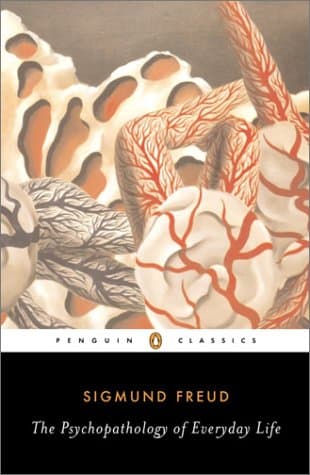
The Psychopathology of Everyday Life
Freud examines the psychological reasons behind common errors like slips of the tongue and memory lapses, arguing they reveal the unconscious mind's hidden motives. This work introduced the concept of the Freudian slip to a general audience, bridging the gap between normal and abnormal behavior.

Three Essays on the Theory of Sexuality
Sigmund Freud outlines his revolutionary theories on the development of human sexuality, introducing concepts such as infantile sexuality and the libido. He explores how early childhood experiences and psychosexual stages shape adult personality and behavior. The work challenges contemporary norms by positing that sexual drives are present from birth.
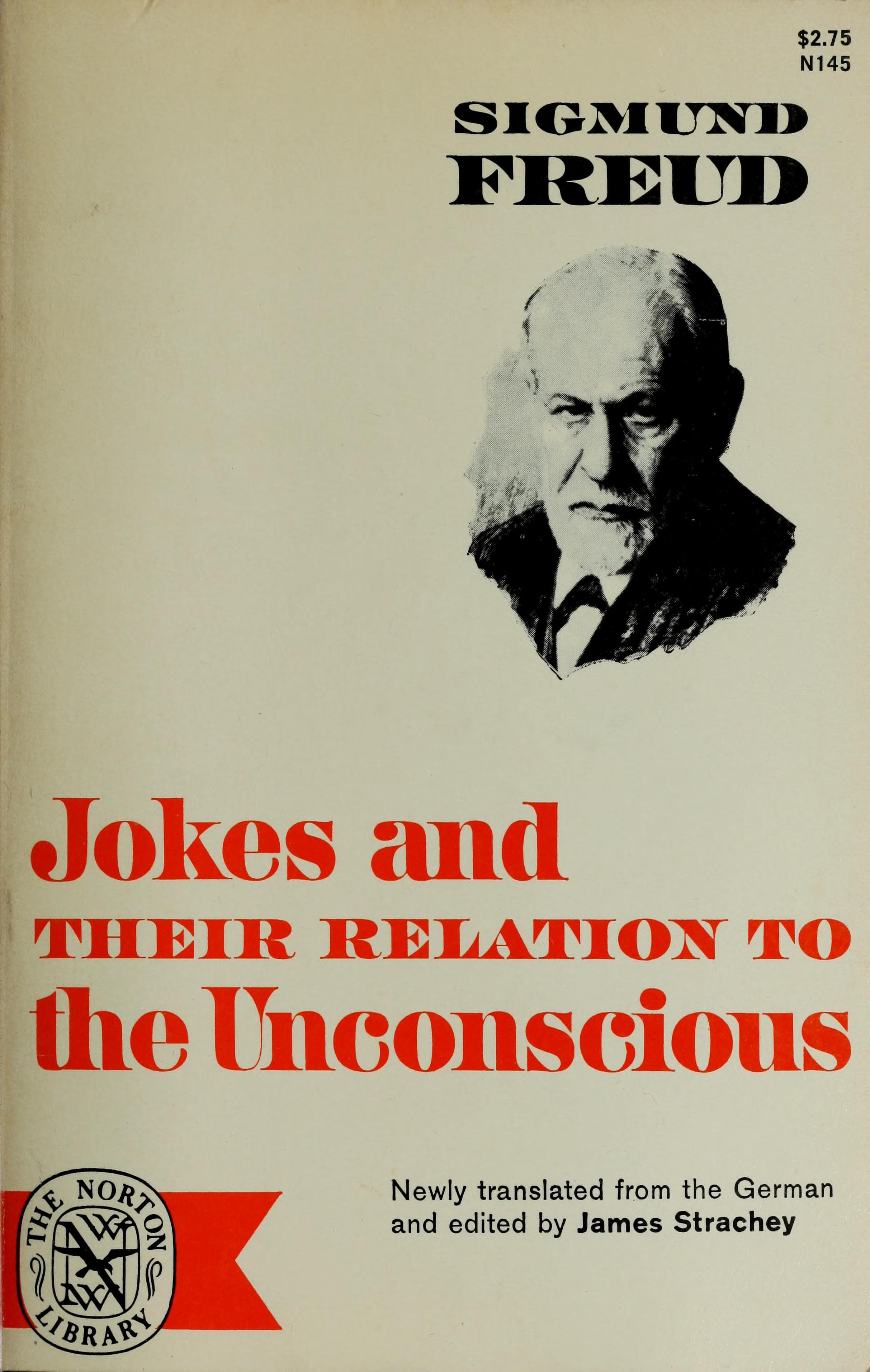
Jokes and Their Relation to the Unconscious
Sigmund Freud explores the psychological mechanisms behind humor, drawing parallels between the techniques of joke-making and the processes of dreaming. He argues that jokes function as a sophisticated outlet for repressed sexual and aggressive impulses, allowing for a sudden discharge of psychic energy.

Totem and Taboo
Resemblances Between the Mental Lives of Savages and Neurotics
A collection of four essays applying psychoanalysis to archaeology, anthropology, and religion. Freud explores the origins of social institutions and moral restrictions through concepts such as the Oedipus complex and totemism.

Introductory Lectures on Psychoanalysis
A series of twenty-eight lectures delivered at the University of Vienna
A foundational series of lectures exploring the core principles of psychoanalysis, delivered by Freud during World War I. The work examines the psychology of errors, dream interpretation, and the general theory of neuroses. It serves as an accessible entry point to the unconscious and its profound influence on human behavior.

Beyond the Pleasure Principle
The Standard Edition
Sigmund Freud introduces the controversial concept of the death drive (Thanatos), a fundamental impulse toward self-destruction and inertia. He explores the phenomenon of repetition compulsion, analyzing why individuals often relive traumatic experiences. The text serves as a major turning point in psychoanalytic theory, contrasting the drive for death with the life-affirming creative force of Eros.
The Ego and the Id
Freud introduces his structural model of the human psyche, dividing the personality into three interacting components: the id, ego, and super-ego. The text explores the dynamics between these systems and how their internal conflicts shape human behavior and psychological conditions.
Civilization and Its Discontents
A seminal psychological work exploring the fundamental tension between the individual's pursuit of instinctual freedom and the demands of society for conformity. Freud argues that the development of civilization requires the repression of primal drives, leading to a persistent sense of guilt and discontent.
Moses and Monotheism
null
Sigmund Freud's final work applies psychoanalytic principles to historical and religious origins, proposing that Moses was an Egyptian noble. The book explores the psychological development of monotheism and the impact of collective guilt on the formation of Jewish identity.
The Future of an Illusion
Freud analyzes the origins and development of religion through a psychoanalytic lens, characterizing religious belief as a collective illusion rooted in human wish-fulfillment. He explores the psychological need for a protective father figure and argues that civilization should transition toward a foundation of rational scientific inquiry.