
Adam Grant
Organizational Psychologist & Bestselling Author
Adam Grant is an organizational psychologist and the top-rated professor at the Wharton School of the University of Pennsylvania. He is the #1 New York Times bestselling author of multiple books, including Think Again and Hidden Potential, which have sold millions of copies worldwide. As a leading e…
5 books authored
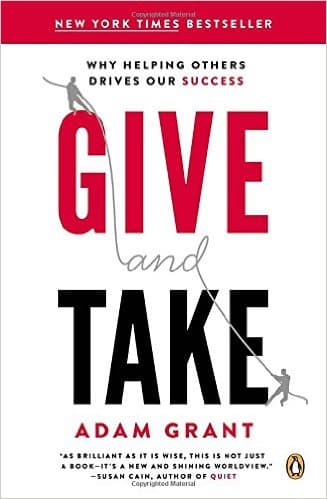
Give and Take
A Revolutionary Approach to Success
Organizational psychologist Adam Grant examines how different reciprocity styles—giving, taking, and matching—impact individual and organizational success. The book presents research indicating that givers, who prioritize others' interests, often achieve the highest performance outcomes by building strong networks and collaborative environments.

Originals: How Non-Conformists Move the World
How Non-Conformists Move the World
Adam Grant examines how individuals can champion new ideas and challenge the status quo without risking everything. The book explores the habits of original thinkers, the importance of strategic timing, and how to build organizational cultures that welcome dissent.
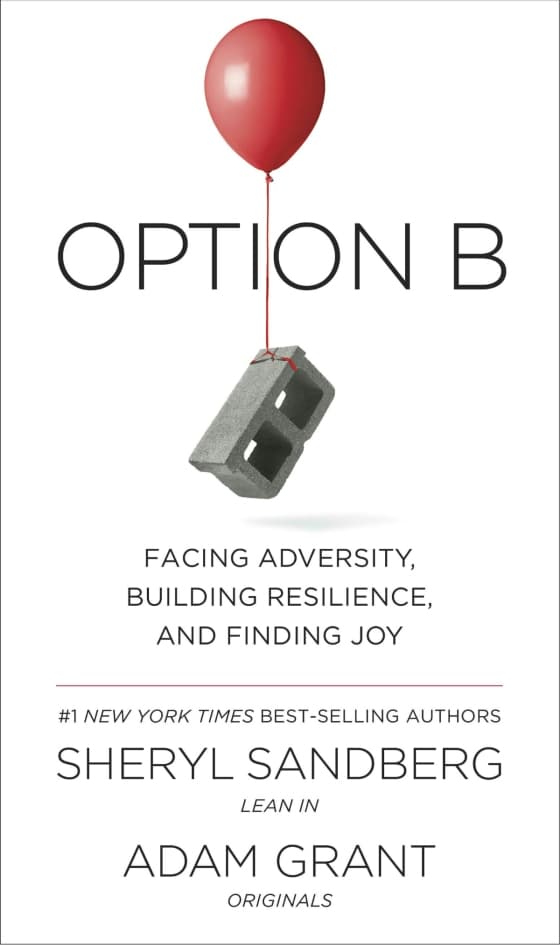
Option B
Facing Adversity, Building Resilience, and Finding Joy
Following the sudden death of her husband, Facebook COO Sheryl Sandberg explores the process of grieving and the science of building resilience. Co-authored with psychologist Adam Grant, the book combines personal narrative with research to offer strategies for overcoming adversity and finding joy.
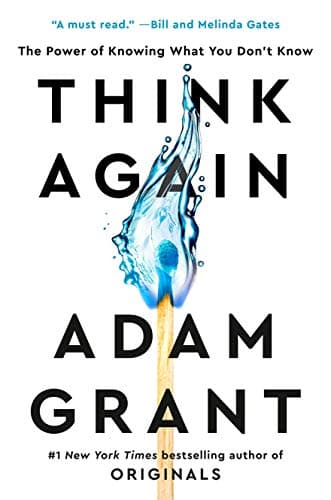
Think Again: The Power of Knowing What You Don't Know
The Power of Knowing What You Don't Know
Think Again investigates the science of mental flexibility and the art of rethinking. Adam Grant examines how to develop the capacity to question personal beliefs, embrace the joy of being wrong, and foster a culture of lifelong learning.
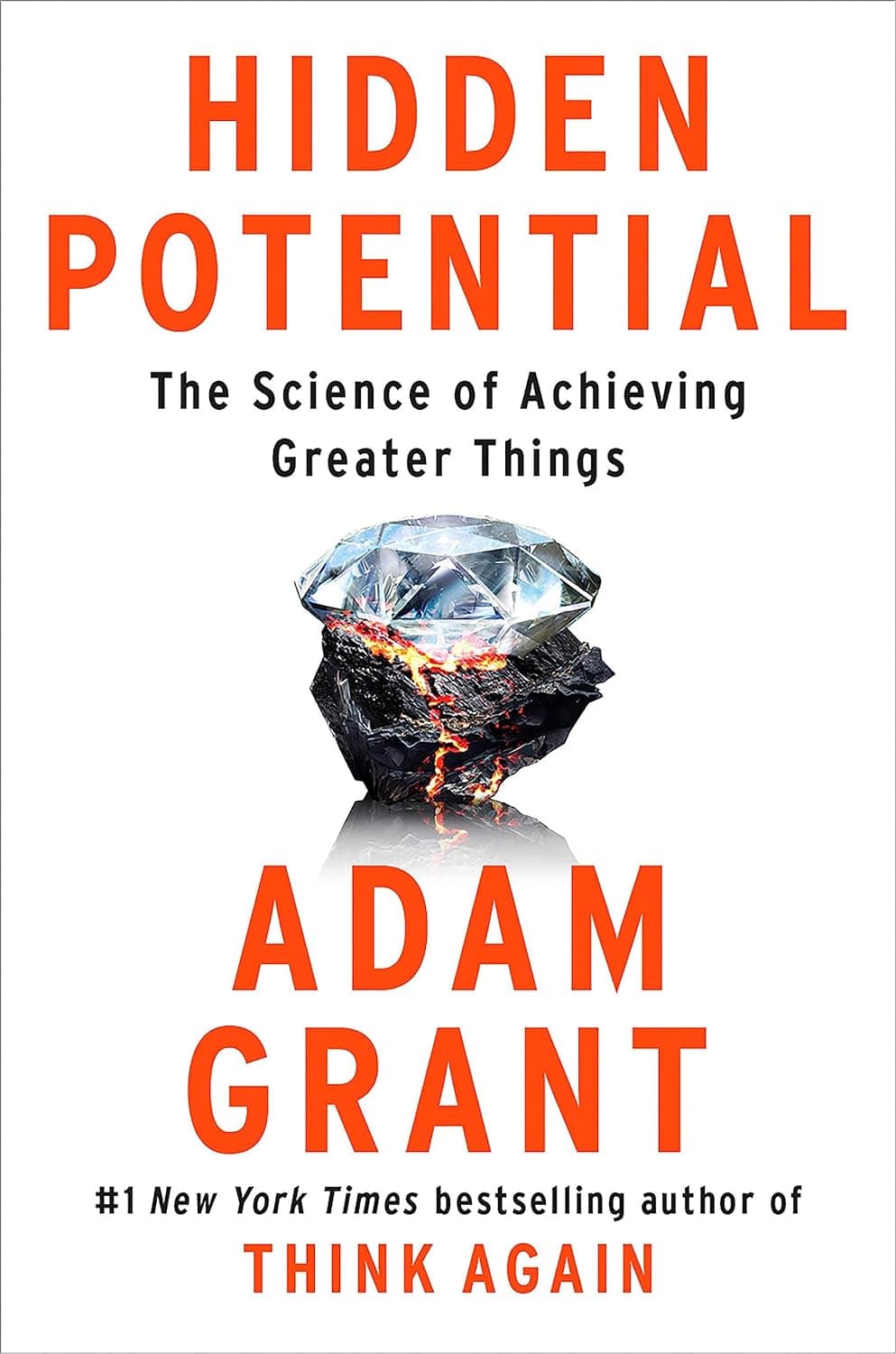
Hidden Potential
The Science of Achieving Greater Things
Adam Grant examines how individuals can unlock latent abilities by prioritizing character development over innate talent. He explores the science of growth, the role of deliberate discomfort, and the creation of systems that broaden opportunities for the overlooked. The book argues that true potential is defined by the distance one travels from their starting point.