
Richard Dawkins
Evolutionary Biologist & Author
Richard Dawkins is an evolutionary biologist and ethologist who rose to prominence with his 1976 book *The Selfish Gene*, which introduced the gene-centered view of evolution and the concept of the meme. He was the inaugural Charles Simonyi Professor for the Public Understanding of Science at Oxford…
17 books authored

The Extended Phenotype
The Long Reach of the Gene
Richard Dawkins expands his gene-centered view of evolution, arguing that a gene's influence extends beyond the individual organism to encompass its environment and other species. He introduces the concept of the extended phenotype through examples such as beaver dams, spider webs, and parasite-host interactions.

River Out of Eden: A Darwinian View of Life
A Darwinian View of Life
This work explores evolutionary biology through the metaphor of a digital river of DNA flowing through time. It explains how genetic information persists across generations and outlines the mechanisms of natural selection and common ancestry.

Unweaving the Rainbow
Science, Delusion and the Appetite for Wonder
Richard Dawkins argues that a scientific understanding of the world does not diminish its beauty but rather enhances its poetic nature. He examines how modern science, from genetics to astronomy, provides a deep sense of wonder that rivals the arts. The book also serves as a critique of pseudoscience and superstition, advocating for a rational and awe-filled appreciation of reality.

A Devil's Chaplain
Reflections on Hope, Lies, Science, and Love
A collection of essays and articles by Richard Dawkins exploring evolutionary biology, pseudoscience, religion, and ethics. The book features reflections on the power of scientific inquiry and tributes to colleagues such as Stephen Jay Gould and Douglas Adams.
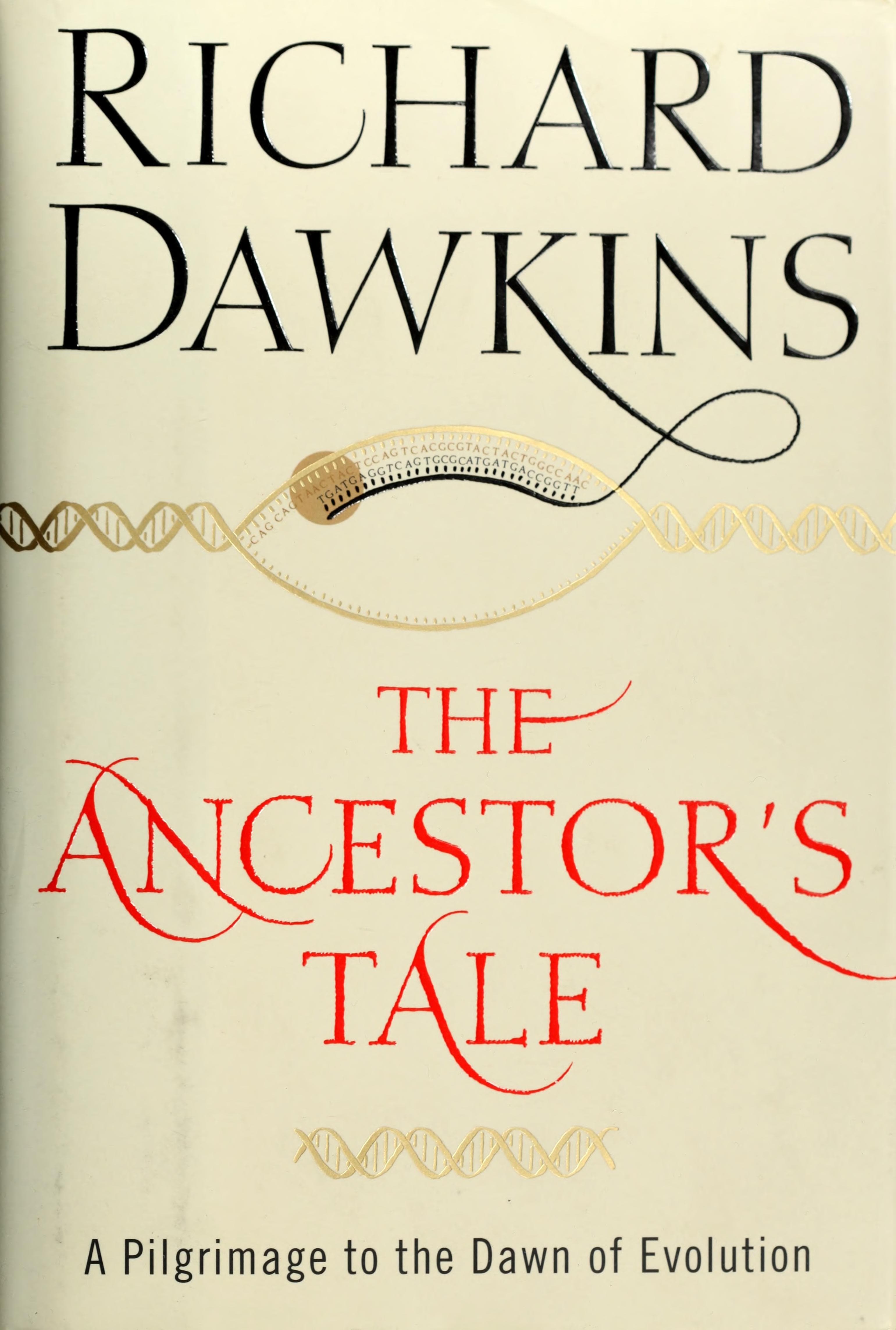
The Ancestor's Tale
A Pilgrimage to the Dawn of Evolution
A comprehensive reverse pilgrimage through four billion years of evolutionary history, tracing humankind back to the origins of life. Structured after the Canterbury Tales, the narrative meets forty 'rendezvous points' where different species join the human lineage at their common ancestors. The work synthesizes molecular biology and paleontology to explain the mechanisms of speciation and genetic inheritance.

The God Delusion
Richard Dawkins argues that a supernatural creator does not exist and that belief in a personal god is a delusion. He examines the irrationality of faith, explores the possibility of morality without religion, and critiques the harm caused by religious dogma throughout history.
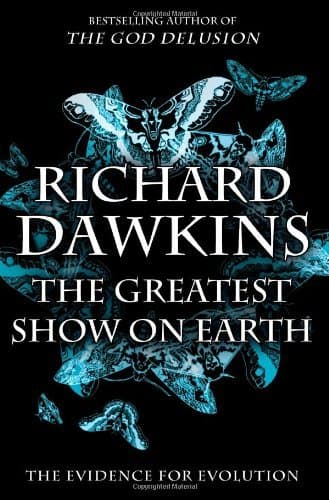
The Greatest Show on Earth
The Evidence for Evolution
Richard Dawkins presents a comprehensive summary of the scientific evidence supporting the theory of evolution. Drawing on paleontology, genetics, and molecular biology, he demonstrates how natural selection explains the complexity and diversity of life on Earth while rebutting creationist arguments.
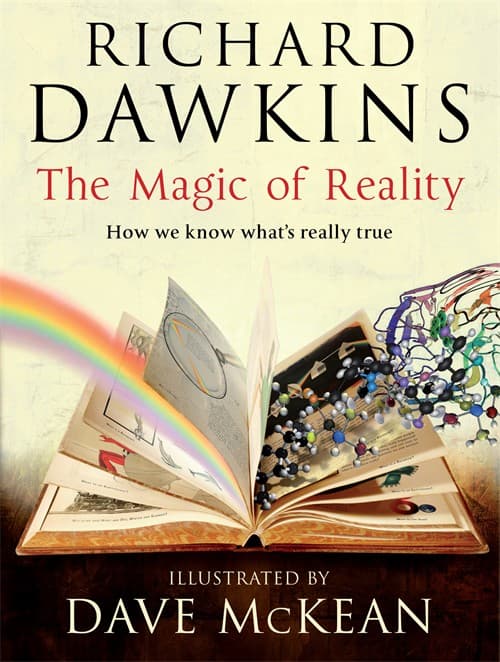
The Magic of Reality
How We Know What's Really True
Richard Dawkins explores scientific explanations for natural phenomena like evolution, rainbows, and the origins of the universe. The book contrasts ancient mythological stories with the evidence-based discoveries of the scientific method. It serves as an introductory guide to rationalism and the wonders of the physical world.
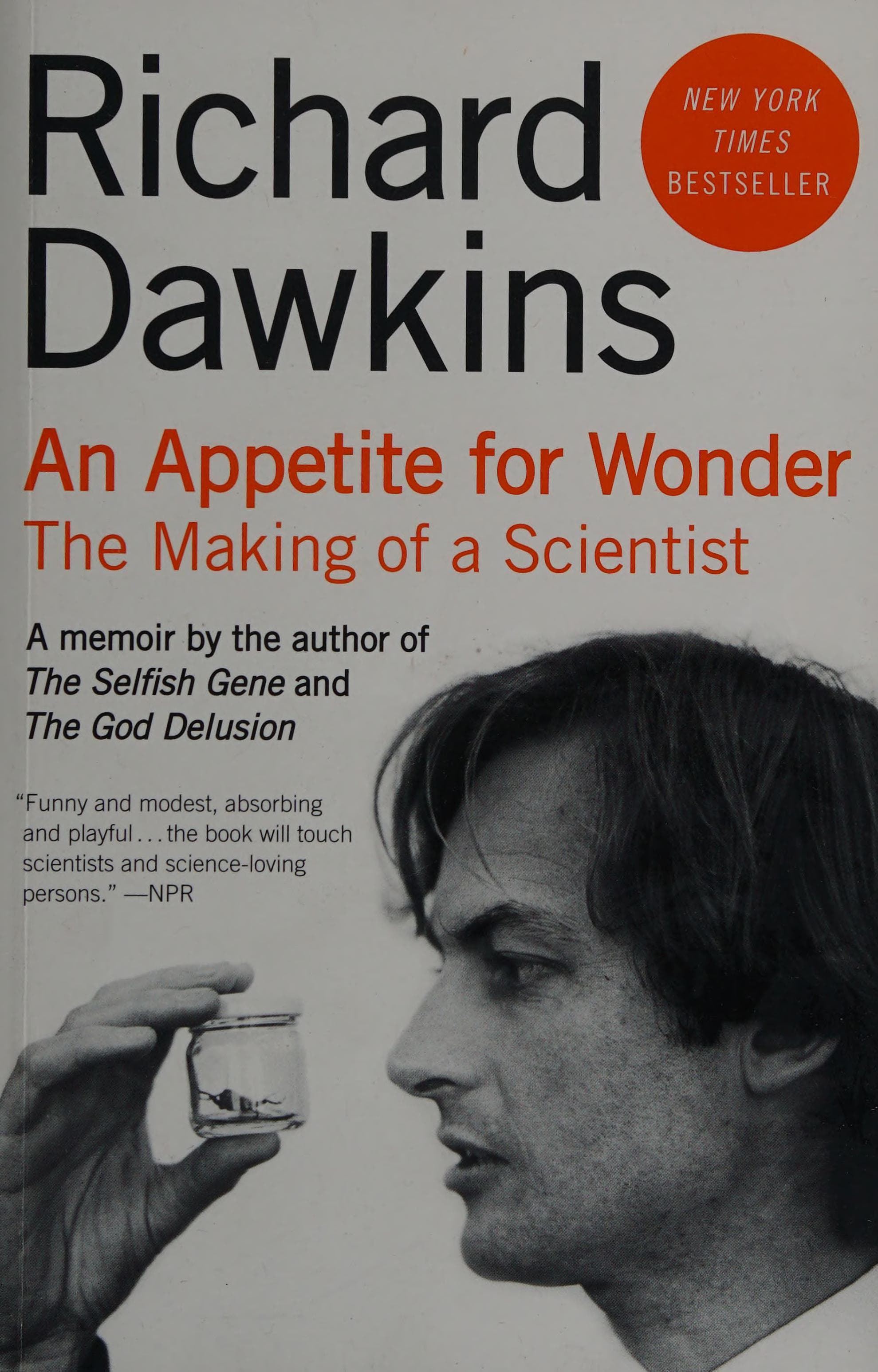
An Appetite for Wonder
The Making of a Scientist
The first volume of Richard Dawkins's autobiography chronicles his childhood in colonial Africa and his intellectual awakening at the University of Oxford. The memoir explores the personal and scientific influences that shaped his development as an evolutionary biologist prior to the publication of The Selfish Gene.

The Blind Watchmaker
Why the Evidence of Evolution Reveals a Universe Without Design
Richard Dawkins explains the theory of evolution by natural selection as a 'blind watchmaker' that generates biological complexity without a conscious designer. He systematically addresses arguments for creationism and demonstrates how gradual adaptation over geological timescales accounts for the diversity of life.

Brief Candle in the Dark
My Life in Science
The second volume of Richard Dawkins's autobiography, chronicling his career from the publication of The Selfish Gene in 1976. The memoir explores his life as a research scientist, his years as an Oxford professor, and his emergence as a prominent public intellectual and critic of religion.

The Selfish Gene
40th Anniversary Edition
Richard Dawkins presents a gene-centered view of evolution, proposing that genes are the fundamental units of selection. The work explores how genetic self-interest drives biological processes and introduces the concept of the meme as a unit of cultural transmission.
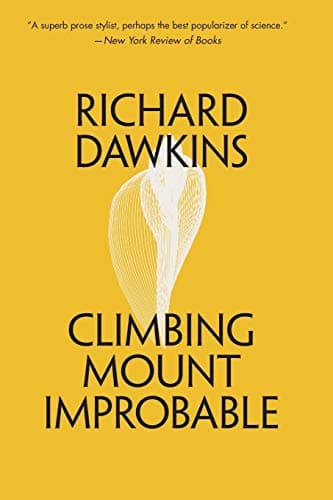
Climbing Mount Improbable
Richard Dawkins explores the intricate complexity of living organisms, explaining how evolutionary adaptation through natural selection creates the illusion of design. Using the metaphor of Mount Improbable, he illustrates how life ascends peaks of immense complexity through gradual, cumulative steps rather than sudden leaps of chance.
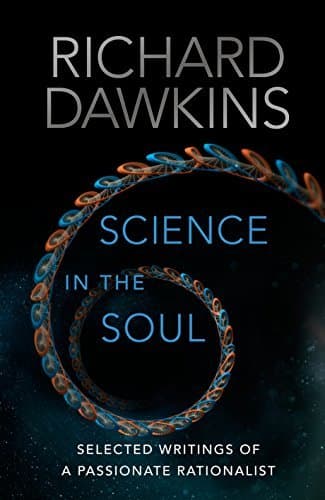
Science in the Soul
Selected Writings of a Passionate Rationalist
A career-spanning collection of forty-two essays, lectures, and articles defending science and rational thought. Dawkins explores evolutionary biology, the necessity of evidence-based reasoning, and the intersection of science and society. The pieces are newly annotated by the author and range from critiques of superstition to celebrations of the natural world's complexities.
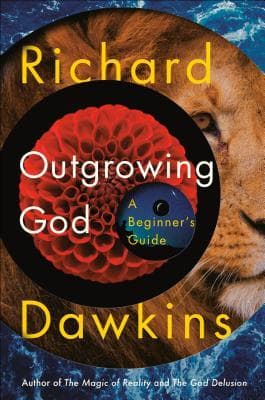
Outgrowing God
A Beginner's Guide
Richard Dawkins provides a concise introduction to atheism, examining why people believe in gods and how science offers a superior explanation for the world's complexity. He critiques the historical and moral claims of religious texts while illustrating how evolution by natural selection accounts for biological design without a creator.
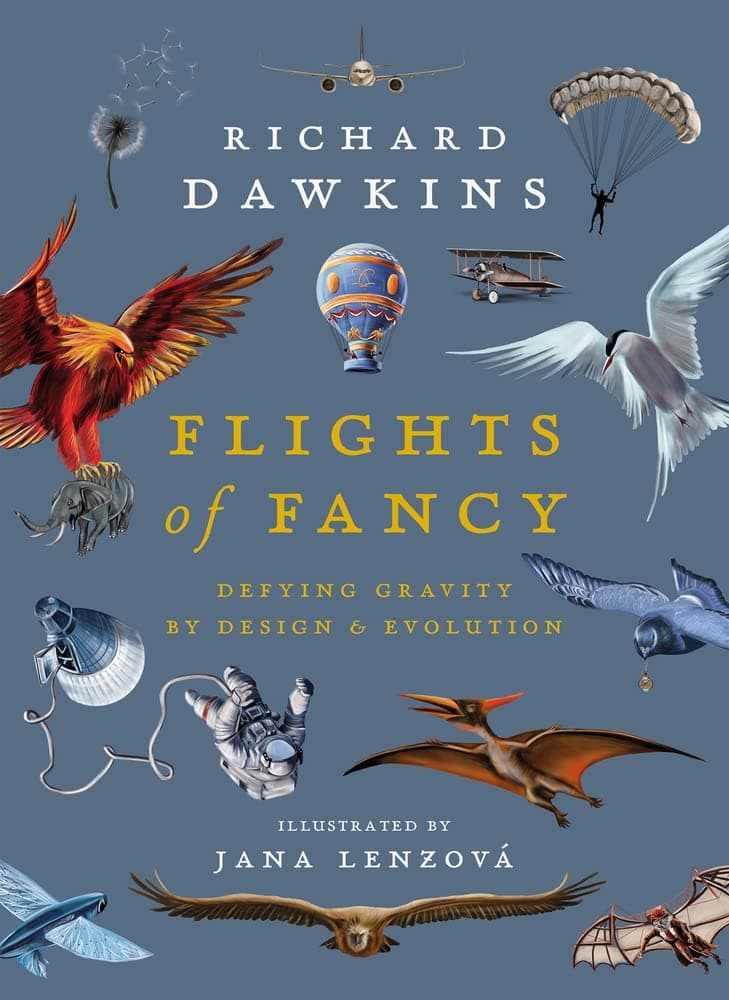
Flights of Fancy
Defying Gravity by Design and Evolution
A comprehensive exploration of flight, examining both biological evolution and human aeronautical engineering. Richard Dawkins investigates how various organisms and machines have mastered the art of defying gravity, from tiny insects to modern jet planes. The narrative bridges the gap between natural selection and intentional design, offering insights into the mechanics of flight and the power of scientific imagination.

Books Do Furnish a Life
Reading and Writing Science
A collection of Richard Dawkins' forewords, afterwords, and introductions to scientific works by leading thinkers like Carl Sagan and Neil deGrasse Tyson. The book celebrates the art of science writing and the clear communication of complex ideas. It explores the intersection of rational thought, literature, and the beauty of the natural world through essays and dialogues.