
Yuval Noah Harari
Historian & Author of Sapiens
Yuval Noah Harari is a historian, philosopher, and professor at the Hebrew University of Jerusalem. He is the author of the international bestsellers Sapiens: A Brief History of Humankind, Homo Deus: A Brief History of Tomorrow, and Nexus. His work explores macro-historical processes and the future …
12 books authored

Renaissance Military Memoirs: War, History and Identity, 1450-1600
War, History and Identity, 1450-1600
A study of soldier's autobiographical writings from the 15th and 16th centuries. It explores how these personal accounts reflect Renaissance cultural and political consciousness, specifically regarding contemporary views of war, history, and identity. The work highlights the evolution of military mentality and the development of the modern state.
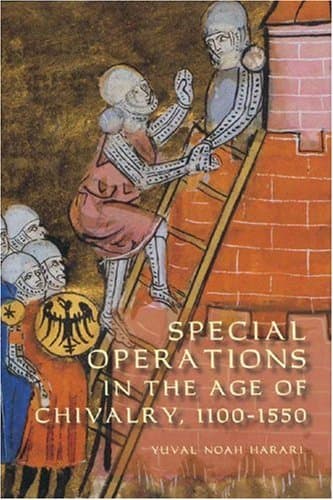
Special Operations in the Age of Chivalry, 1100-1550
Warfare in History
An exploration of unconventional warfare in the Middle Ages and Renaissance, focusing on case studies like assassinations, abductions, and sabotage. Harari analyzes how small-scale tactical operations influenced broader strategic and political outcomes.
The Ultimate Experience
Battlefield Revelations and the Making of Modern War Culture, 1450-2000
Yuval Noah Harari traces the cultural history of war experience from 1450 to 2000, focusing on how combat became viewed as a form of secular revelation. The study examines military memoirs to show how Enlightenment and Romantic ideals transformed the perception of the battlefield into a source of personal truth and identity.
Sapiens: A Brief History of Humankind
A survey of human history from the evolution of archaic human species in the Stone Age to the modern 21st century. It examines the Cognitive, Agricultural, and Scientific Revolutions and how they shaped the development of modern society, religion, and capitalism.
Homo Deus: A Brief History of Tomorrow
A Brief History of Tomorrow
Yuval Noah Harari explores the future of humanity and our quest to upgrade humans into gods. The book examines how technologies like artificial intelligence and genetic engineering could reshape our species. It investigates the shift from overcoming historical struggles like famine and war to seeking immortality and divinity.
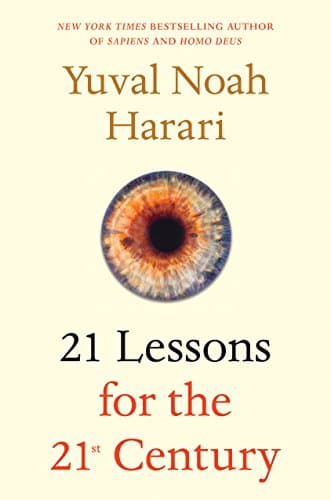
21 Lessons for the 21st Century
null
Yuval Noah Harari examines the most pressing issues of the current era, from technological disruption and ecological collapse to fake news and meditation. The book provides a framework for understanding complex global challenges and the importance of maintaining focus in a world of information overload.
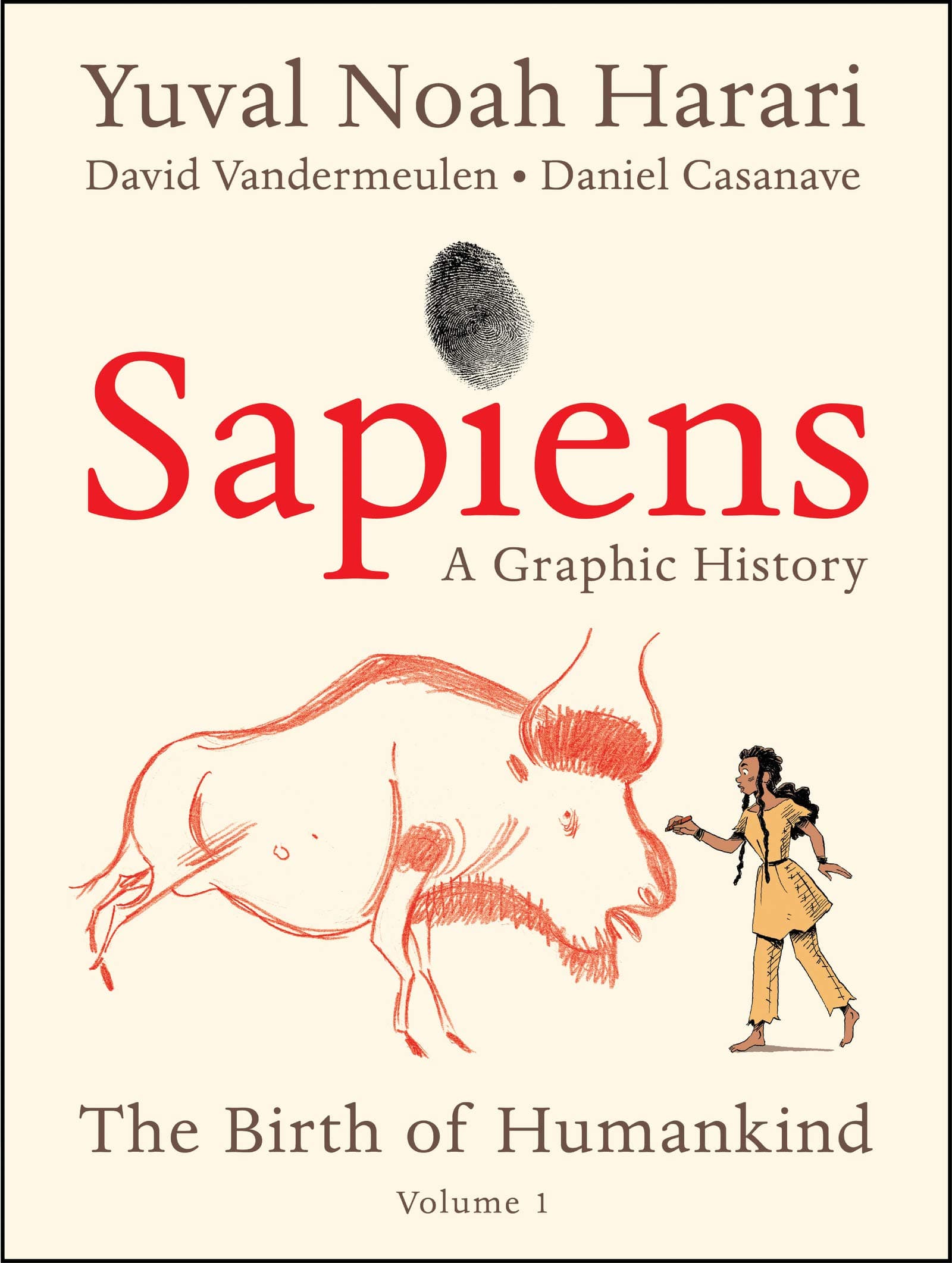
Sapiens: A Graphic History, Volume 1: The Birth of Humankind
A Graphic History
A graphic adaptation of the global bestseller, retelling the history of humankind through visual storytelling. This volume explores the Cognitive Revolution and how Homo sapiens became the dominant species on Earth. It examines the role of biology and imagination in shaping human evolution and society.
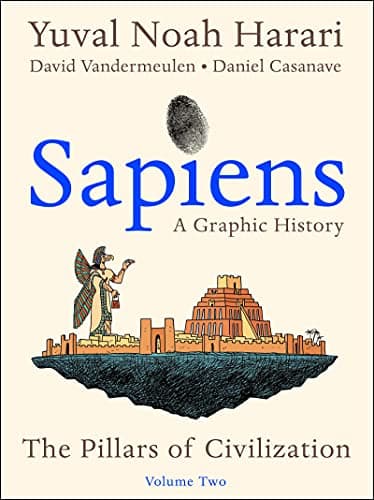
Sapiens: A Graphic History, Volume 2
The Pillars of Civilization
This second volume of the graphic adaptation of Yuval Noah Harari's Sapiens focuses on the Agricultural Revolution. It explores how Homo sapiens transitioned from nomadic hunter-gatherers to settled farmers, leading to the rise of private property, social hierarchies, and complex bureaucracies.
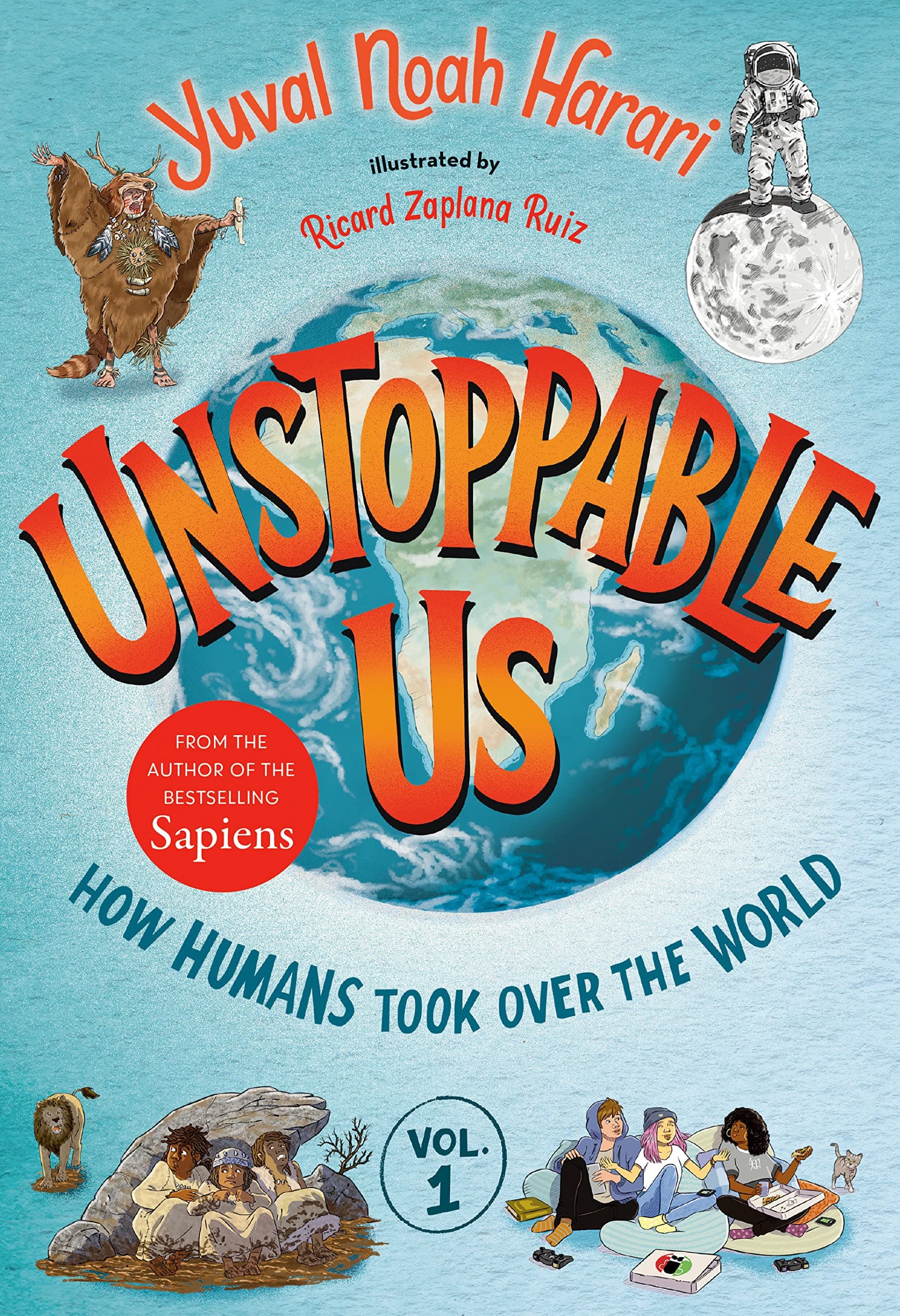
Unstoppable Us, Volume 1
How Humans Took Over the World
A factual account of human history adapted for young readers. It explores how Homo sapiens used the unique ability to create and believe in stories to cooperate and eventually dominate the planet. The book covers early evolution, the discovery of fire, and the spread of humans across the globe.
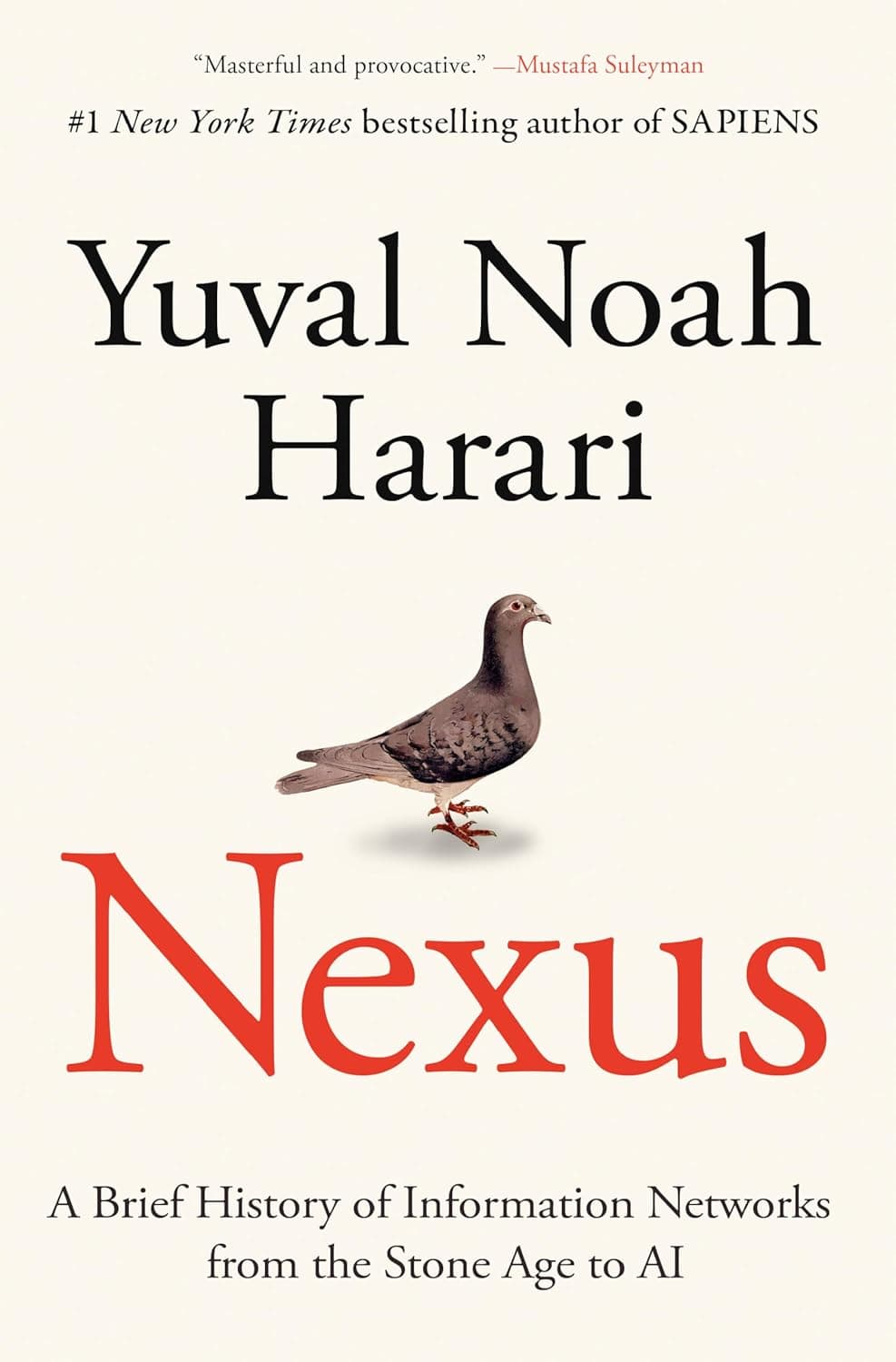
Nexus
A Brief History of Information Networks from the Stone Age to AI
A historical analysis of information networks and their influence on human societies from oral traditions to the rise of artificial intelligence. It examines the relationship between information systems, truth, and power, and how bureaucracy and mythology drive human cooperation. The text addresses the urgent societal and existential choices posed by the rapid development of non-human intelligence.
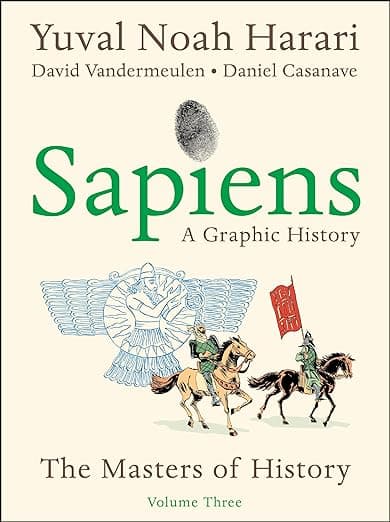
Sapiens: A Graphic History, Volume 3: The Masters of History
The Masters of History
This graphic adaptation explores the major forces that unified human societies: money, religion, and empire. Through a humorous game-show format and time-traveling characters, it examines how shared myths allowed strangers to cooperate on a global scale. The book tracks the rise of historical institutions and the collective beliefs that continue to shape modern civilizations.
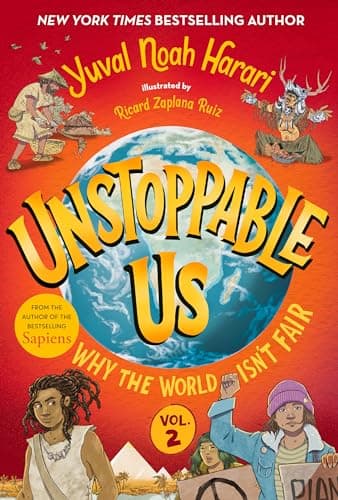
Unstoppable Us, Volume 2: Why the World Isn't Fair
Explores human development from the Agricultural Revolution to Prehistoric Egypt, focusing on why early societies transitioned to farming. It examines the origins of kings, laws, and social inequality, explaining how shared stories allowed large groups of humans to cooperate and establish civilizations.