
Read by Elon Musk, Sam Altman, Jensen Huang and 9 others
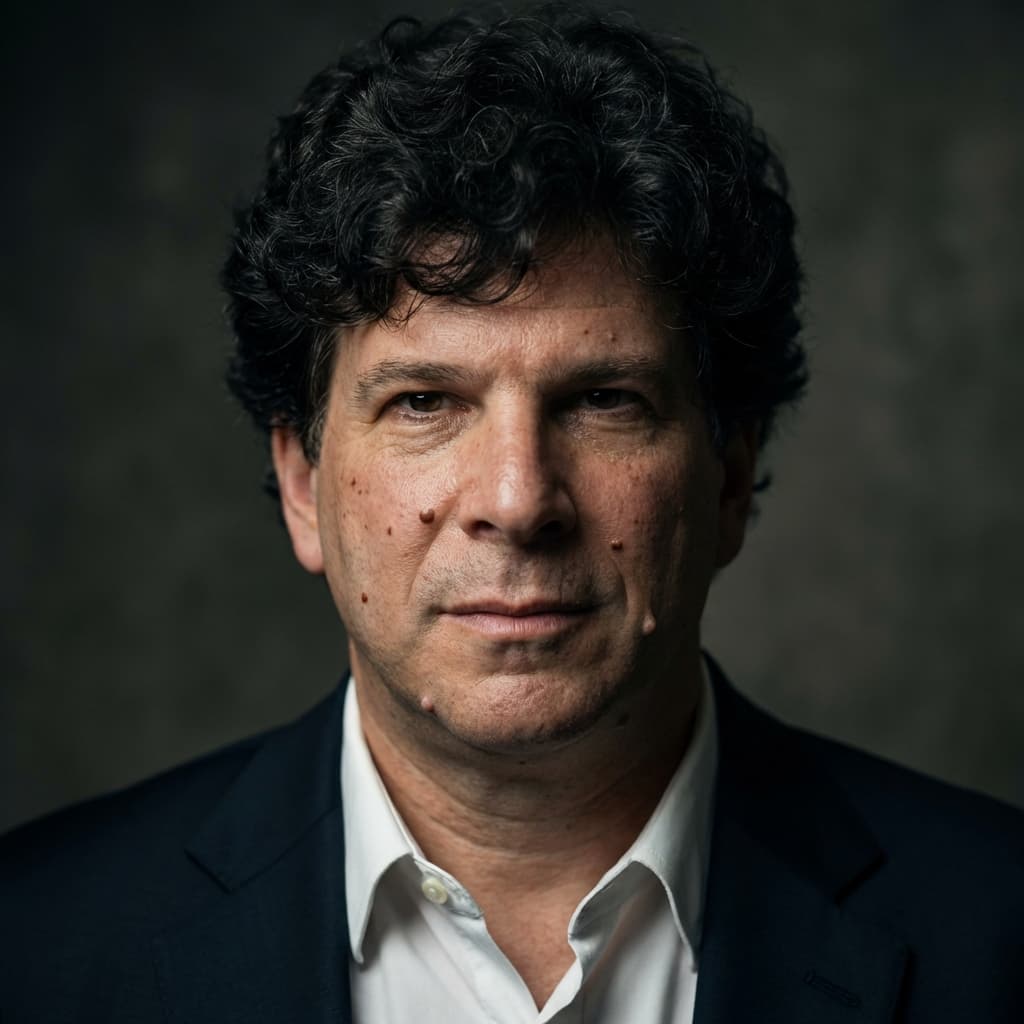
Eric Weinstein, the mathematical physicist and host of The Portal, is famously reluctant to hand out book recommendations, which makes the 13 he has offered feel deliberate. Drawn from his podcast, his Twitter feed, and interviews on shows like The Tim Ferriss Show and Lex Fridman's podcast, the list gravitates toward philosophy, science and technology, and society and politics, with an interest in dissident and marginalized ideas. His top pick is Peter Thiel's Zero to One, which he frames as a guide for anyone who "really understand[s] something that the rest of the world is confused about." More personal still is Norton Juster's The Phantom Tollbooth, "the fictional character that changed my life" and the inspiration for his podcast's name, since "Portal = Tollbooth." The list runs from Roger Penrose's physics to René Girard's philosophy and Erwin Chargaff's memoir of scientific dissent. Weinstein has not authored any books.
Last updated February 2026 · Every recommendation cited to its original source.
Read by Elon Musk, Sam Altman, Jensen Huang and 9 others
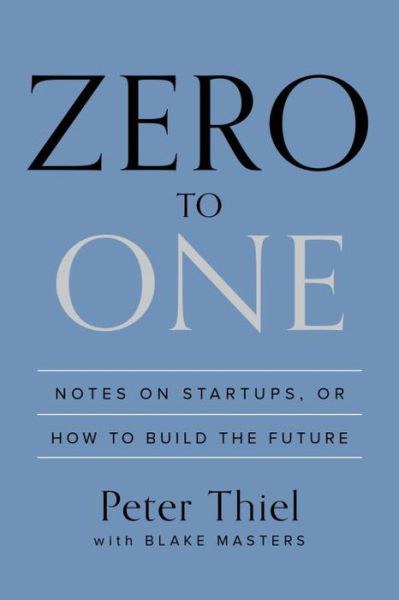
Notes on Startups, or How to Build the Future
“If you really understand something that the rest of the world is confused about, and it's an important truth, Zero to One says here are all the ways you might want to make that work.”
— Eric Weinstein
Source: The Portal Podcast
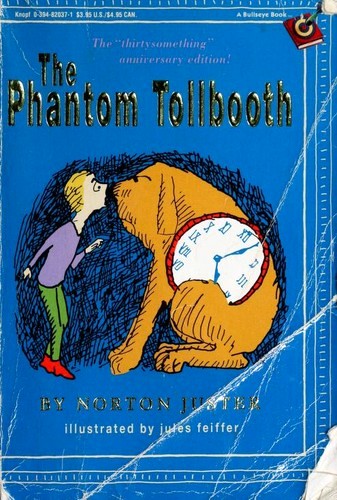
Read by Eric Weinstein
“The fictional character that changed my life... I can't tell you what that book meant to me. It was, in fact, the main inspiration for the title of my podcast. Portal = Tollbooth.”
— Eric Weinstein
Source: Twitter
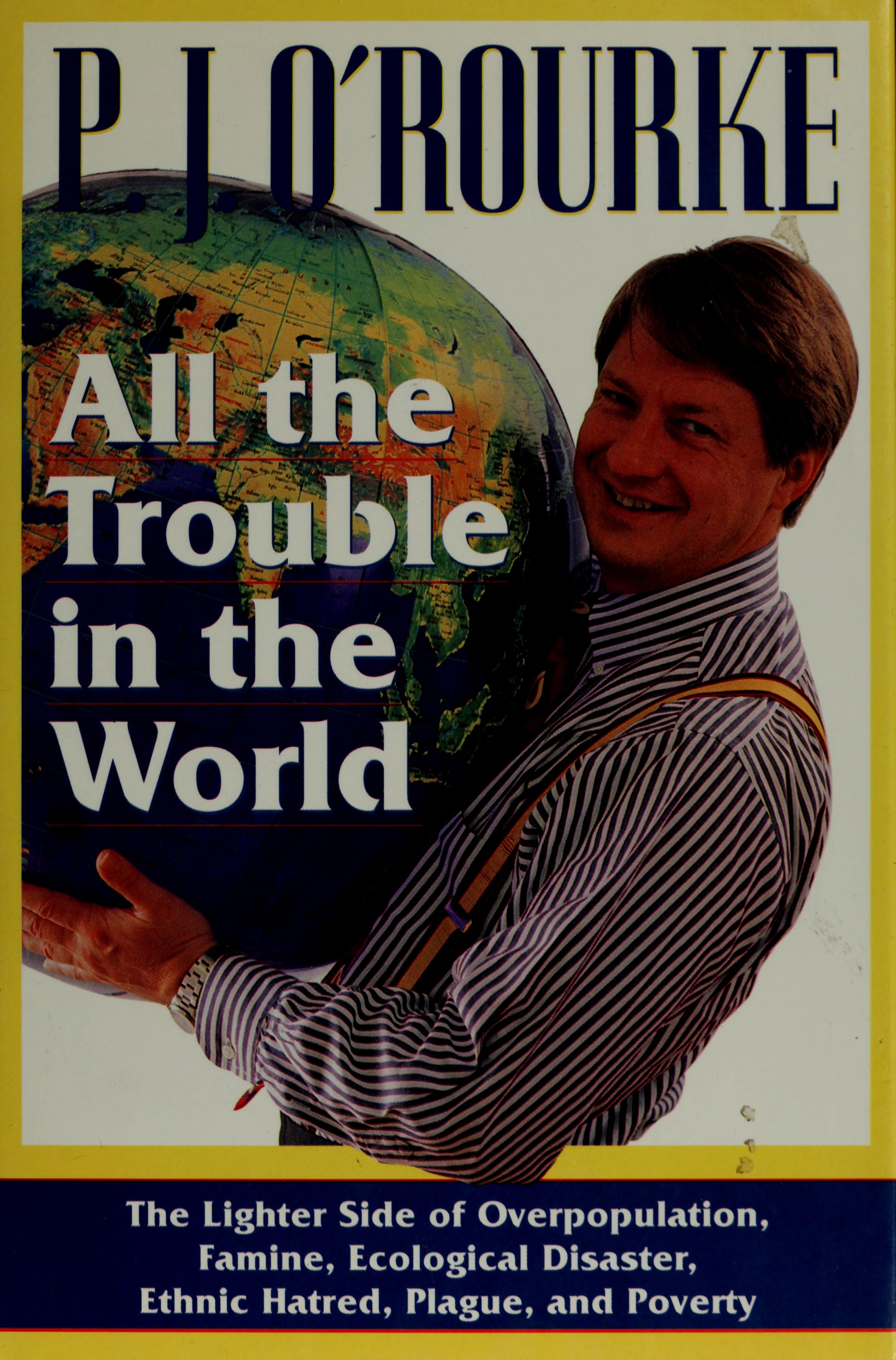
Read by Eric Weinstein
The Lighter Side of Overpopulation, Famine, Ecological Disaster, Ethnic Hatred, Plague, and Poverty
“I'm always asked for book recommendations but am reluctant to give them. 'All the Trouble in the World' was an amazing book by @PJORourke. He's also a master stylist of distinctly American English.”
— Eric Weinstein
Source: Twitter
Read by Eric Weinstein
Sketches from a Life Before Nature
“It talks about a renegade scientist being stymied by the journal Nature... It's just a wonderful introduction to how the dissident voice is marginalized.”
— Eric Weinstein
Source: The Tim Ferriss Show #131

Read by Eric Weinstein
The Last Book on Screenwriting You'll Ever Need
“And it said a movie is basically 40 beats... once somebody shows you that you start to understand the maker vocabulary.”
— Eric Weinstein
Source: The Art of Charm Podcast #773
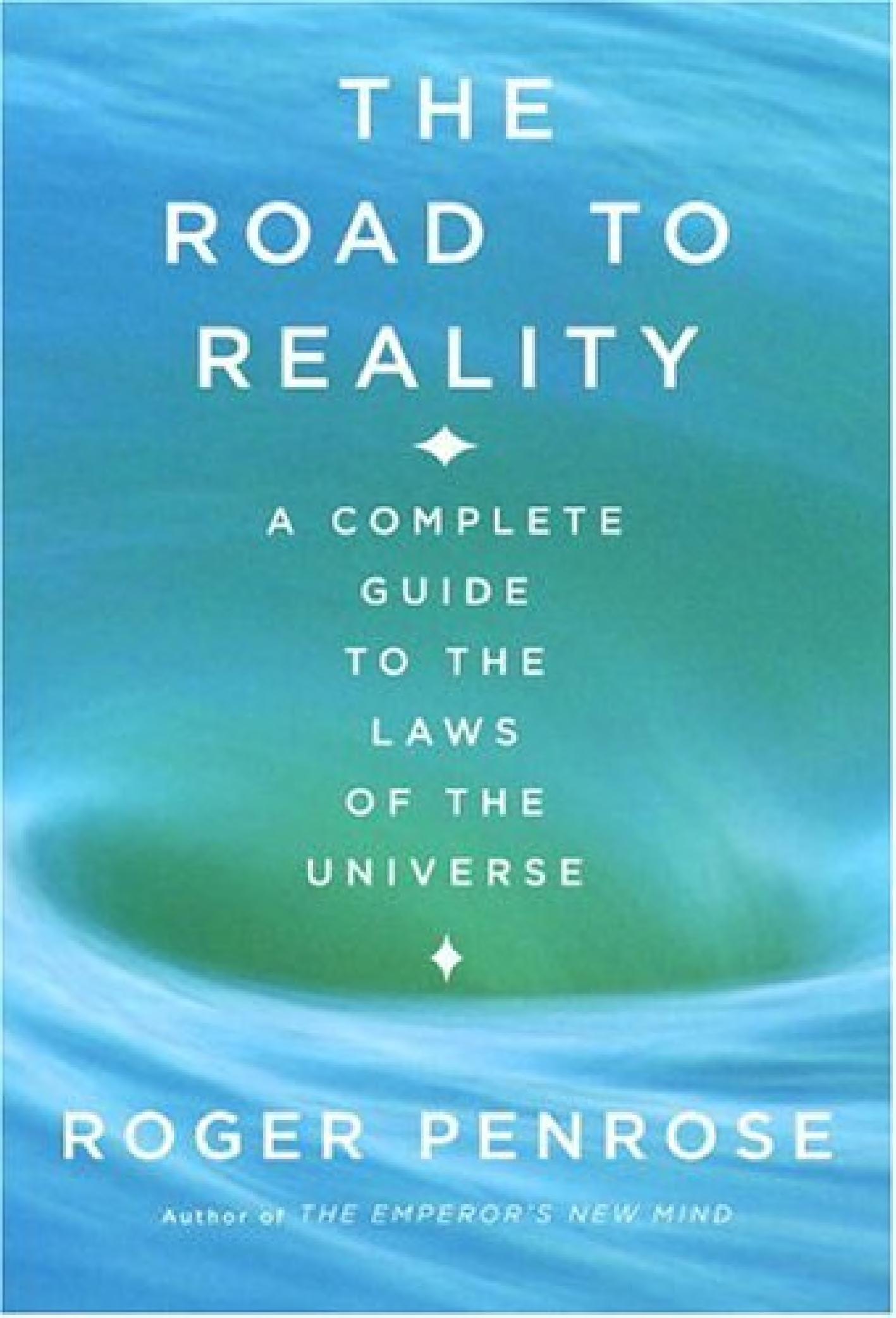
A Complete Guide to the Laws of the Universe
Source: Lex Fridman Podcast #88
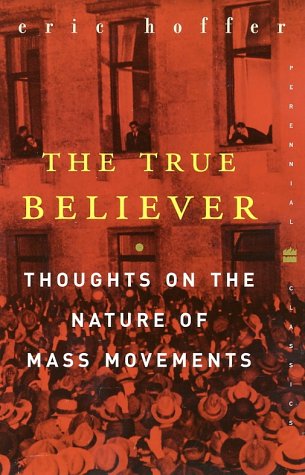
Thoughts on the Nature of Mass Movements
“Folks frequently ask 'What are the books that changed your life?' ... I just cleared out of an office, and these are 4 shelves of spines of books that mattered enough to me to bring home.”
— Eric Weinstein
Source: Twitter
Source: Twitter
Read by Eric Weinstein
A Brief History of Predicting the Unpredictable
“You can read all about this attempt to disintermediate legacy economics in the final chapter and epilogue of this best selling book.”
— Eric Weinstein
Source: Twitter
Read by Eric Weinstein
A True Story of Perfume and Obsession
“A wonderful introduction to how the dissident voice is marginalized. Because Luca [Turin] is such a genius of olfaction and chemistry.”
— Eric Weinstein
Source: The Tim Ferriss Show #131
Read by Mark Manson, Eric Weinstein, Tai Lopez and 2 others
“Folks frequently ask 'What are the books that changed your life?' ... I just cleared out of an office, and these are 4 shelves of spines of books that mattered enough to me to bring home.”
— Eric Weinstein
Source: Twitter
Read by Charlie Munger, Eric Weinstein, Siddhartha Mukherjee and 3 others
40th Anniversary Edition
“Folks frequently ask 'What are the books that changed your life?' ... I just cleared out of an office, and these are 4 shelves of spines of books that mattered enough to me to bring home.”
— Eric Weinstein
Source: Twitter
Read by Eric Weinstein
“Folks frequently ask 'What are the books that changed your life?' ... I just cleared out of an office, and these are 4 shelves of spines of books that mattered enough to me to bring home.”
— Eric Weinstein
Source: Twitter
Also recommends books in
His 13 recommendations include Zero to One by Peter Thiel, The Phantom Tollbooth by Norton Juster, All the Trouble in the World by P.J. O'Rourke, The True Believer by Eric Hoffer, and The Road to Reality by Roger Penrose.
He calls Norton Juster's The Phantom Tollbooth "the fictional character that changed my life" and the inspiration for his podcast's title, explaining, "Portal = Tollbooth." Among nonfiction, he points to Peter Thiel's Zero to One first.
They come from his podcast The Portal, his Twitter feed, where he has shared "books that mattered enough to me to bring home," and interviews on The Tim Ferriss Show, the Lex Fridman Podcast, and The Art of Charm.
He says as much directly: "I'm always asked for book recommendations but am reluctant to give them." He made an exception for P.J. O'Rourke's All the Trouble in the World, praising O'Rourke as "a master stylist of distinctly American English."
Philosophy leads his list, followed by science and technology, society and politics, and psychology and human behavior. He is especially drawn to books about how, in his words, "the dissident voice is marginalized," such as Erwin Chargaff's Heraclitean Fire.