
Read by Peter Thiel, Elon Musk, Steve Jobs and 8 others
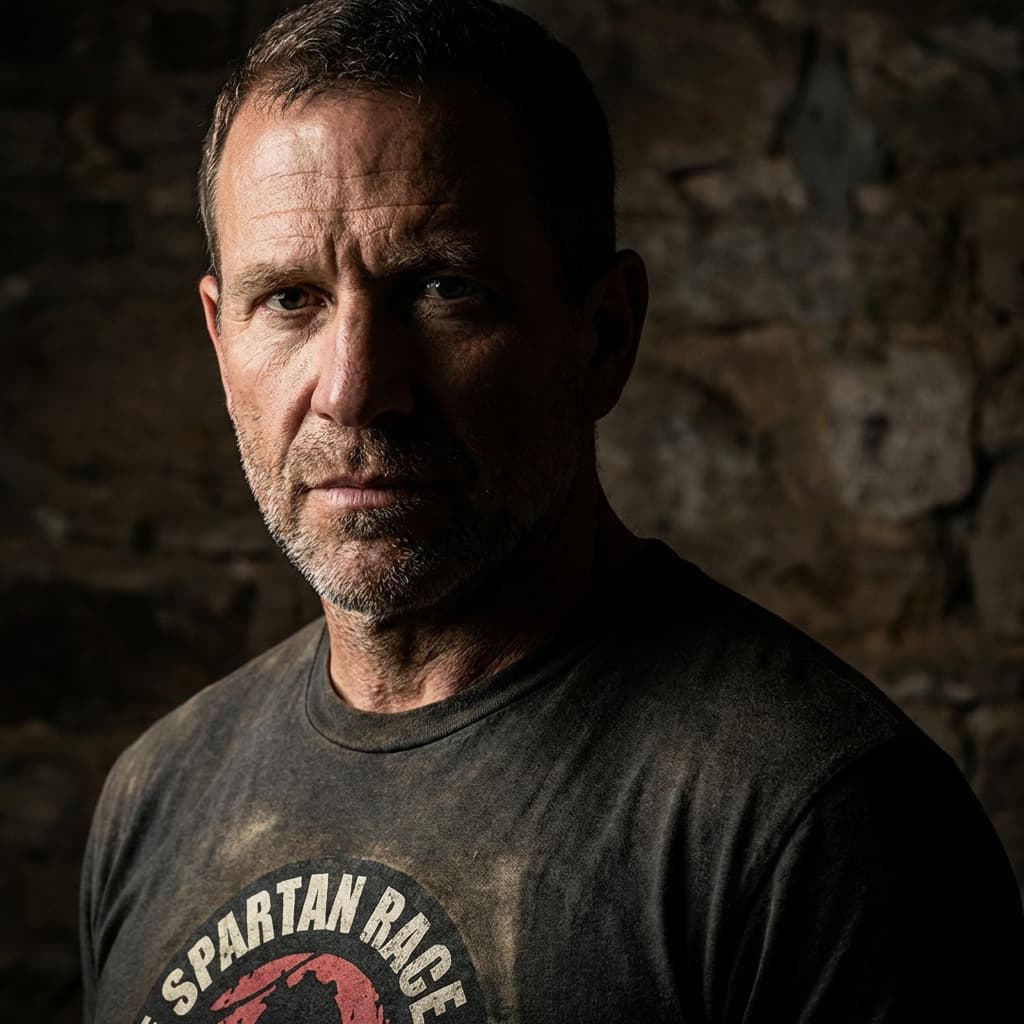
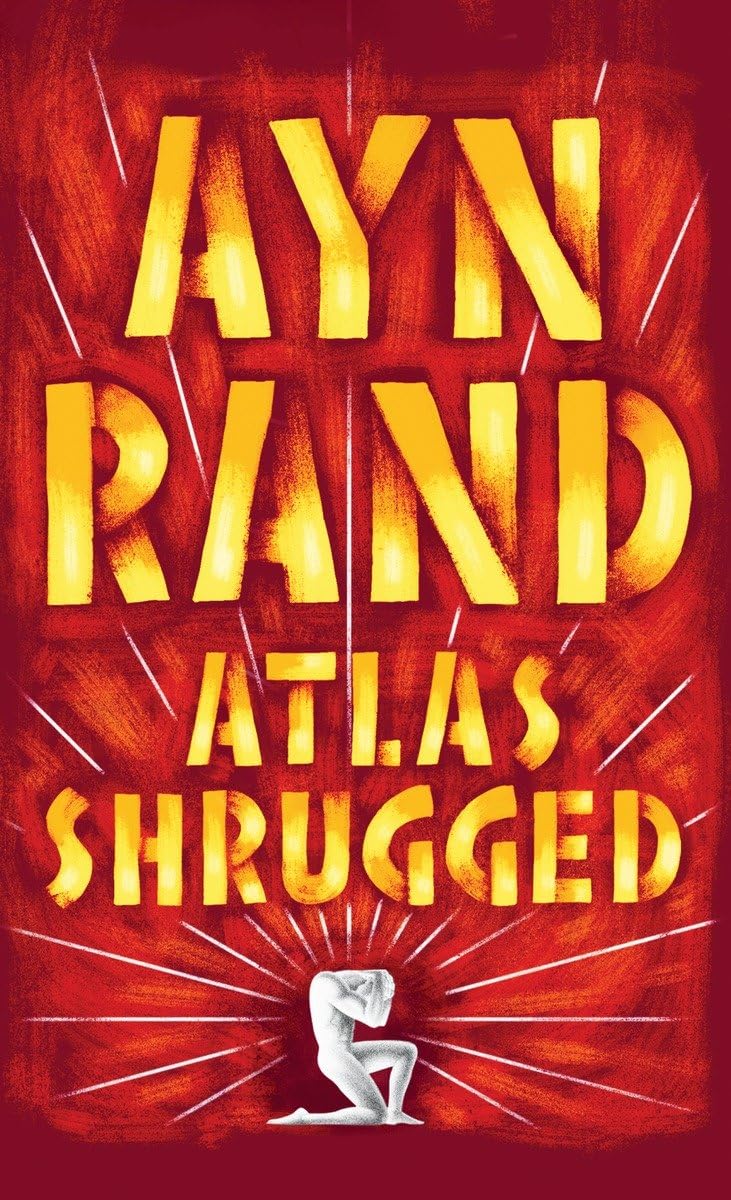
Grit is the connective tissue in Joe De Sena's book recommendations. The founder and CEO of Spartan, who built a Wall Street trading firm before creating the notorious Death Race and the world's largest obstacle race series, reads the way he trains: for resilience, perspective, and leverage. This collection of 9 titles is sourced from his appearance on the Tim Ferriss Show, his Twitter, the Spartan blog and podcast, and book endorsements he has written. The dominant subjects are leadership and management, self-improvement, and philosophy. He returns most often to Ayn Rand's Atlas Shrugged, which he says he has "read probably three times," and to James Clavell's Shogun, a thousand-page epic that, in his words, "puts your day in perspective." Alfred Lansing's Endurance, his account of Shackleton's survival, he simply calls "one of my favorite books of all time."
Last updated February 2026 · Every recommendation cited to its original source.
Read by Peter Thiel, Elon Musk, Steve Jobs and 8 others
“I'm a big believer in capitalism... Atlas Shrugged, I’ve read probably three times.”
— Joe De Sena
Source: Tim Ferriss Show, Episode 16
Read by Joe De Sena
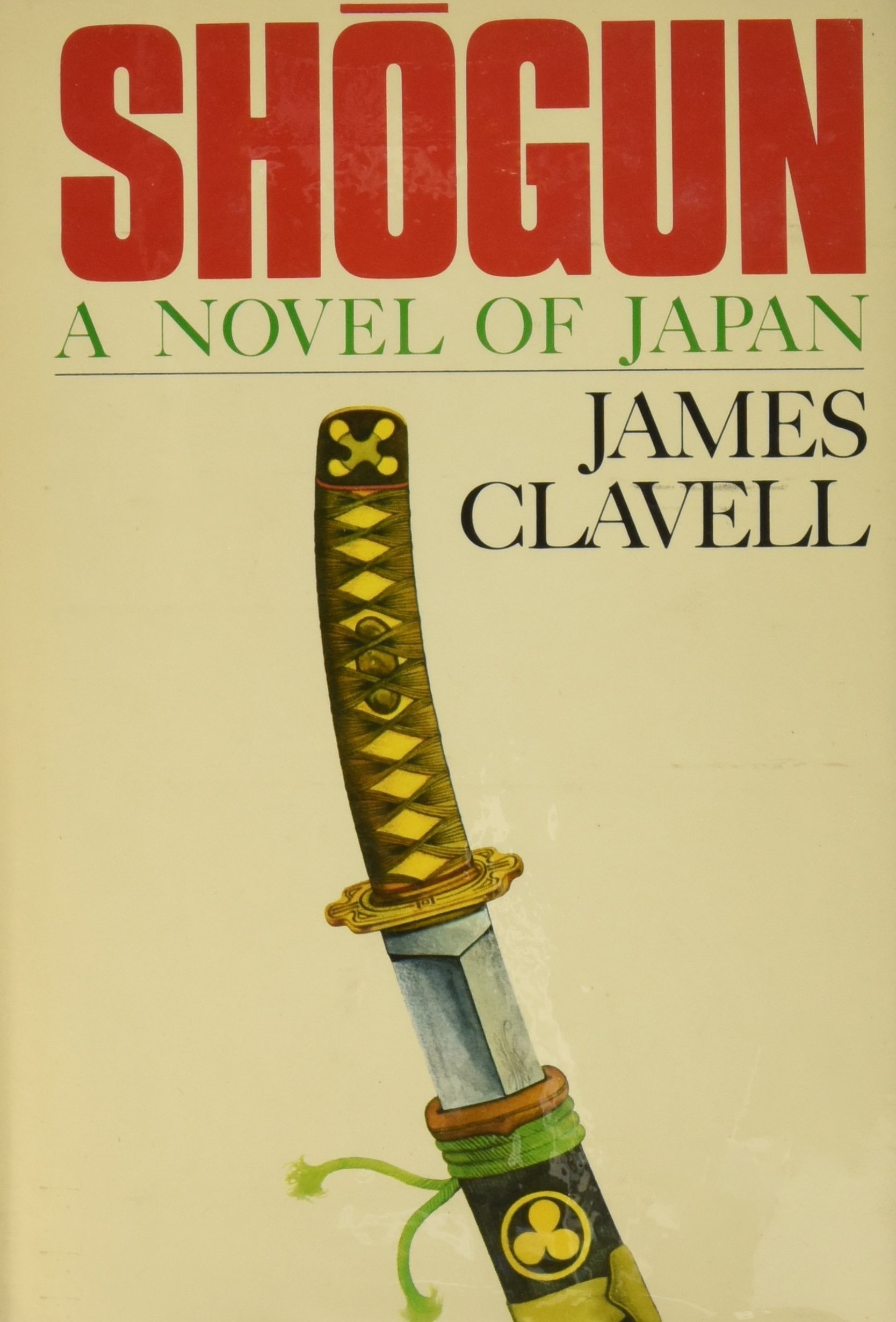
A Novel of Japan
“Shogun... it's a thousand-page book... it puts everything in a proper frame of reference for me... what that guy is going through... it puts your day in perspective.”
— Joe De Sena
Source: Tim Ferriss Show, Episode 16

Read by Sam Altman, Ray Dalio, Ryan Holiday and 4 others
“Endurance is one of my favorite books of all time.”
— Joe De Sena
Source: Joe De Sena Official Twitter
Read by Joe De Sena
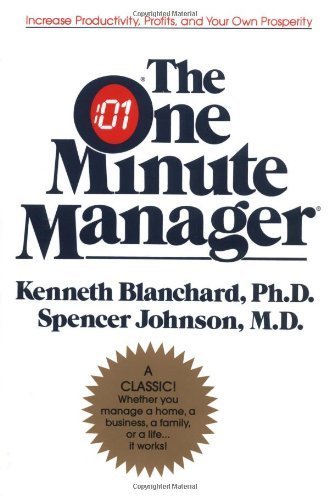
The World's Most Popular Management Method
“The One Minute Manager... that changed my life in business.”
— Joe De Sena
Source: Tim Ferriss Show, Episode 16
Read by Tim Ferriss, Marc Andreessen, Joe De Sena and 4 others
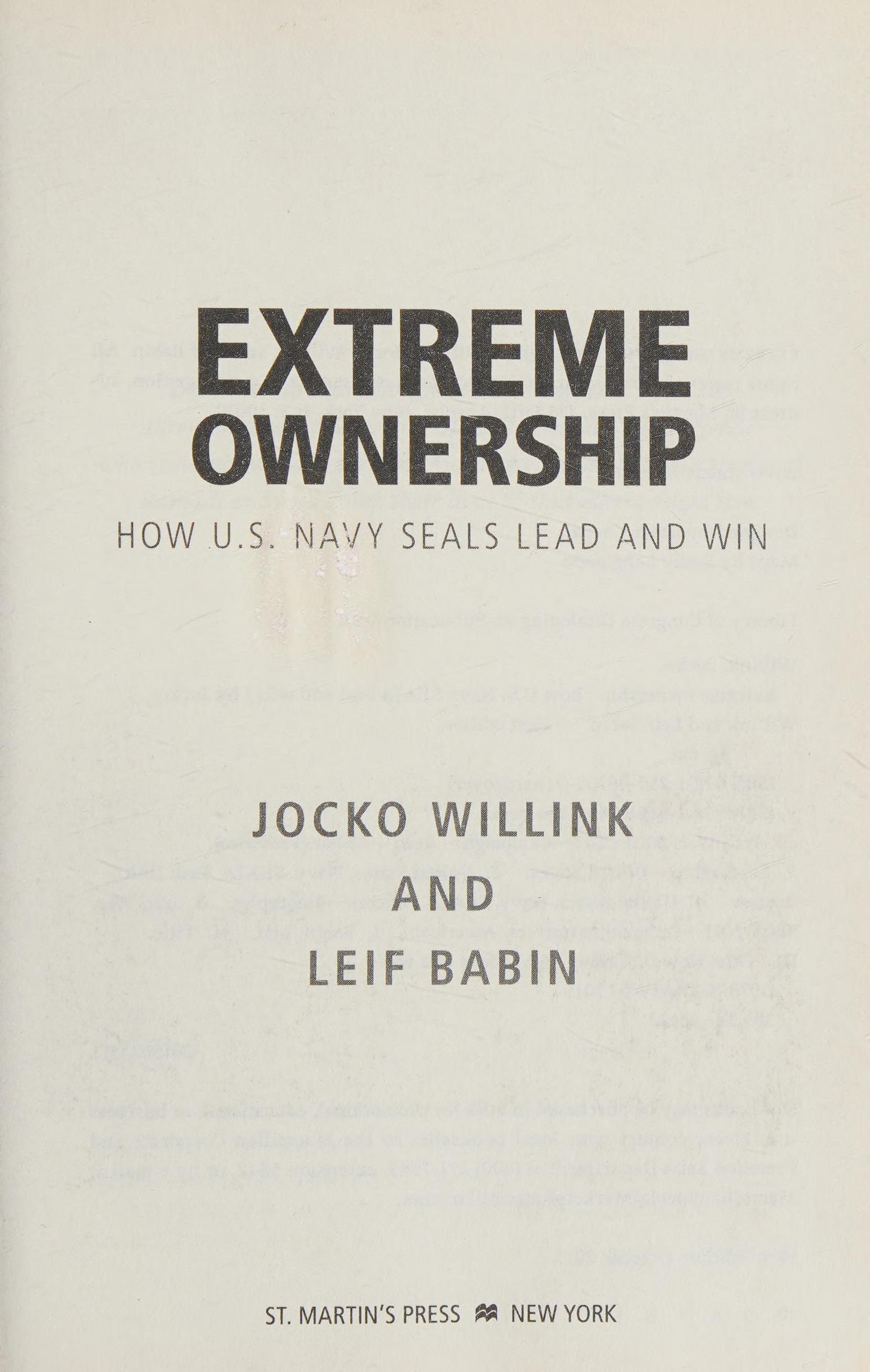
How U.S. Navy SEALs Lead and Win
“I highly recommend Extreme Ownership by Jocko Willink. It's one of the most direct and powerful books I've read on personal accountability and leadership.”
— Joe De Sena
Source: Spartan Official Blog
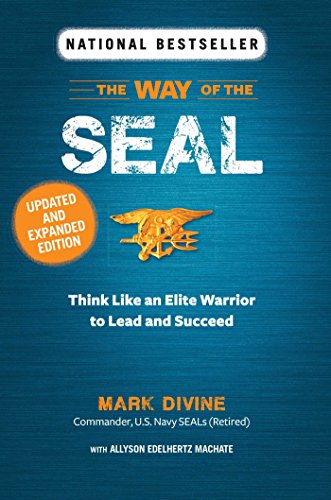
Read by Joe De Sena
Think Like an Elite Warrior to Lead and Succeed
“Mark is more than a Navy SEAL, he has the ability to teach all of us how to be one in everyday life.”
— Joe De Sena
Source: Official Book Endorsement
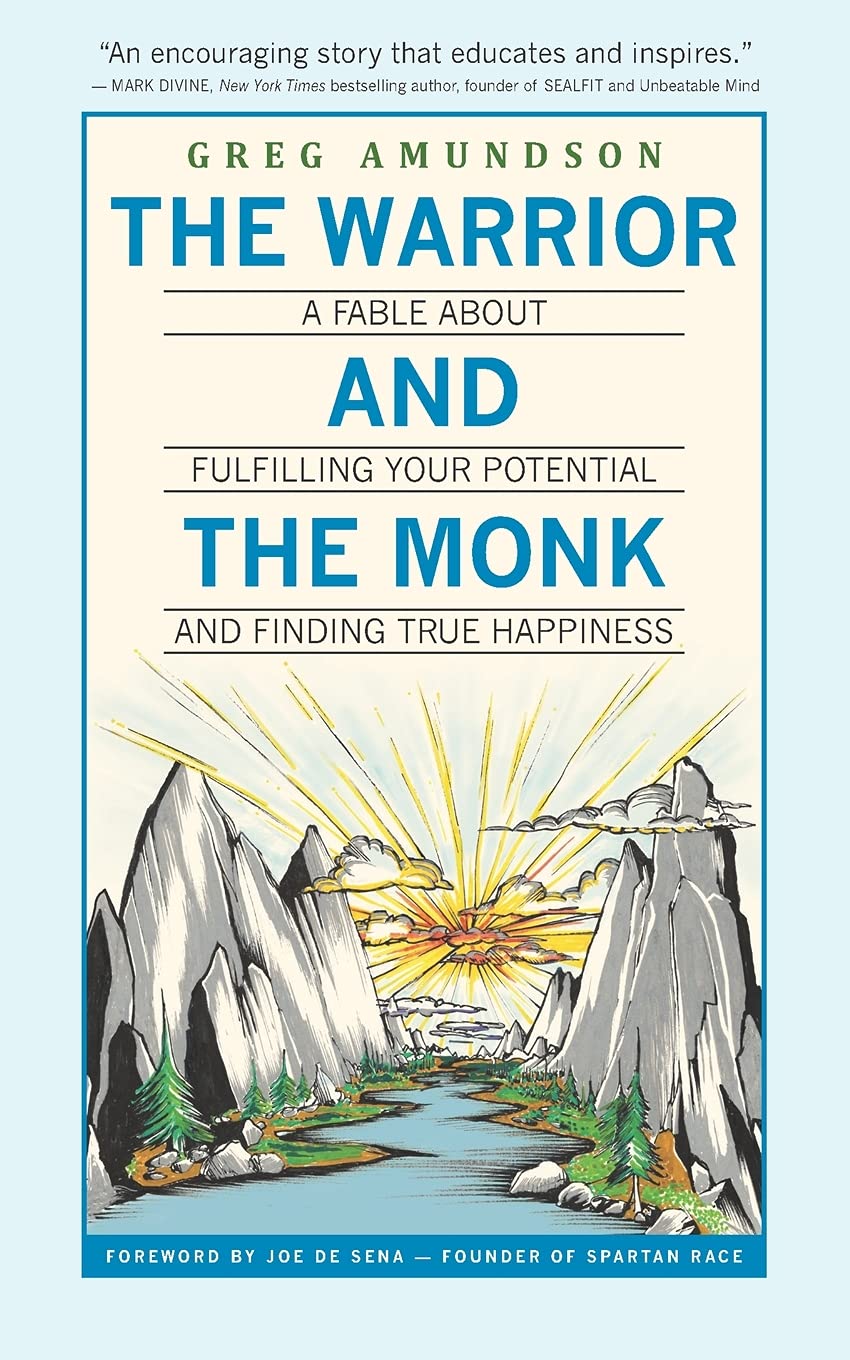
Read by Joe De Sena
A Fable About Fulfilling Your Potential And Finding True Happiness
“The first step to self-mastery is reading The Warrior and The Monk and considering the 'Way of the Warrior' as Greg Amundson is now teaching it.”
— Joe De Sena
Source: Official Book Foreword
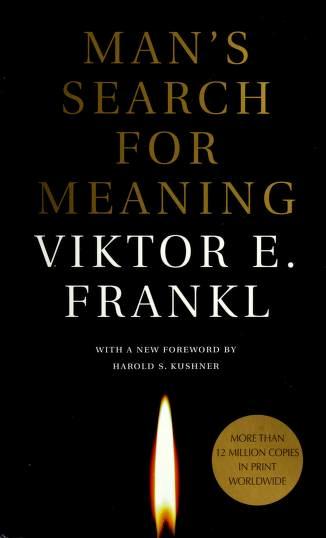
Read by Tim Ferriss, Charlie Munger, Sam Altman and 22 others
An Introduction to Logotherapy
“Viktor Frankl’s Man’s Search for Meaning is a must-read.”
— Joe De Sena
Source: Spartan Official Blog
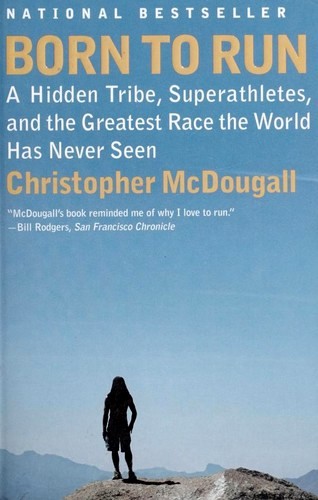
Read by Joe De Sena, Rich Roll
A Hidden Tribe, Superathletes, and the Greatest Race the World Has Never Seen
“An absolute classic in the endurance world.”
— Joe De Sena
Source: Spartan Up! Podcast
Also recommends books in
His 9 recommendations include Atlas Shrugged by Ayn Rand, Shogun by James Clavell, Endurance by Alfred Lansing, The One Minute Manager, and Extreme Ownership by Jocko Willink, spanning leadership, endurance, and personal accountability.
He repeatedly returns to Atlas Shrugged, which he says he has "read probably three times," and calls Alfred Lansing's Endurance "one of my favorite books of all time," fitting his focus on capitalism, will, and survival.
They come from the Tim Ferriss Show Episode 16, his official Twitter, the Spartan blog and Spartan Up! podcast, and forewords and endorsements he has written for titles like The Way of the Seal and The Warrior and The Monk.
Yes, three: Spartan Up!, Spartan Fit!, and The Spartan Way, all built around endurance, mental toughness, and applying obstacle-race discipline to everyday life.
He describes it as "a thousand-page book" that "puts everything in a proper frame of reference" and "puts your day in perspective," using the hardships of its protagonist as a way to reframe modern struggles.