Read by Stephen Wolfram
Like the reference shelf of a working scientist, Stephen Wolfram's book recommendations lean toward the classics of physics, mathematics, and the history of ideas, fitting for the physicist and computer scientist behind Mathematica and Wolfram|Alpha. These 14 titles come largely from his own detailed writings, a 2012 Reddit AMA, and podcast interviews, and they concentrate on science and technology, philosophy, and history. The book he returns to with the most affection is The Feynman Lectures on Physics, which he first encountered at 14 and still calls his favorite. He keeps "classics" nearby as benchmarks and companions, from Euclid and Newton to Boole's The Laws of Thought, and praises D'Arcy Wentworth Thompson's On Growth and Form as "full of interesting questions." Wolfram has also authored eight books of his own, including work on the Wolfram Language, computation, and the foundations of physics.
Last updated February 2026 · Every recommendation cited to its original source.
Read by Stephen Wolfram
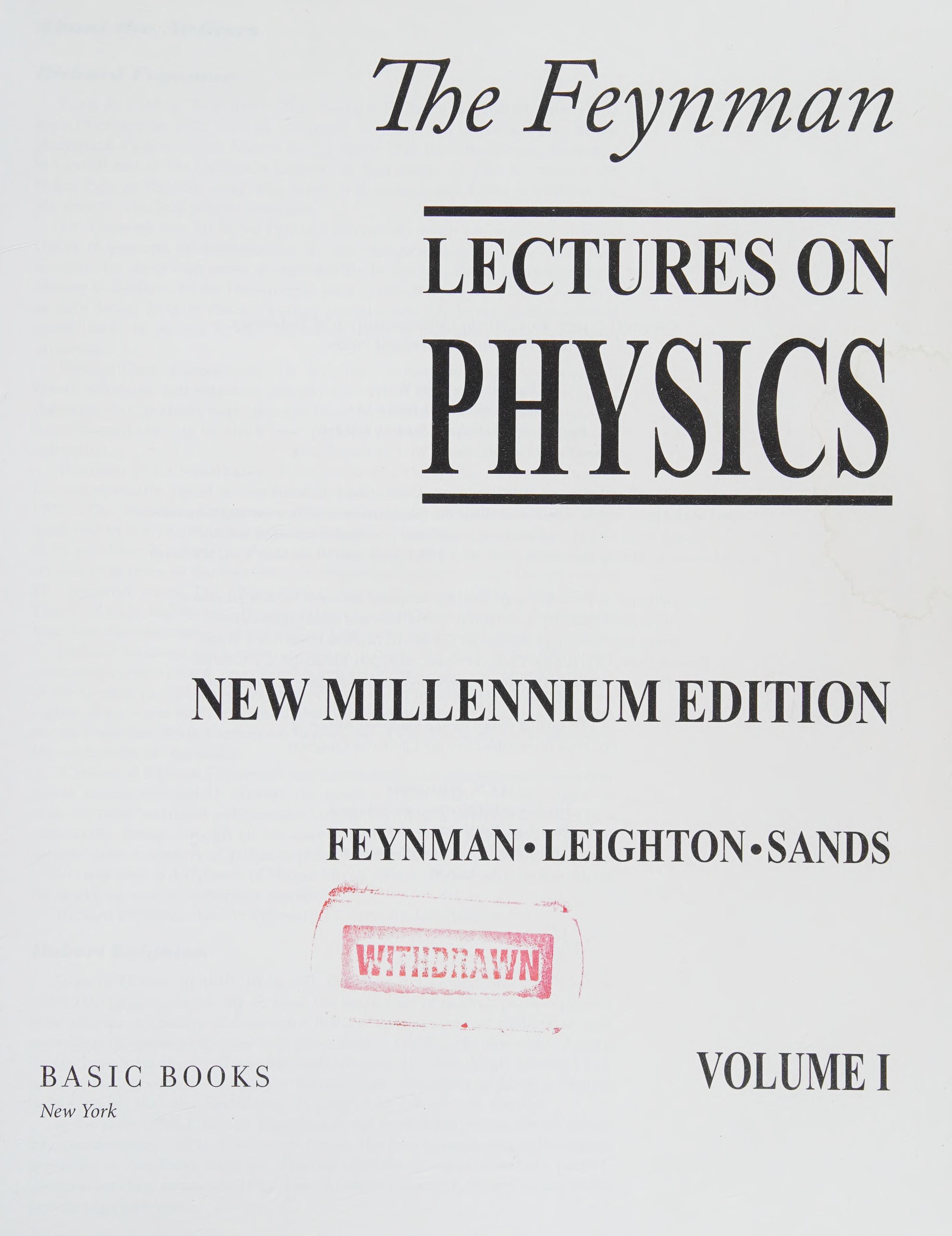
The New Millennium Edition
“Back from when I first saw it at the age of 14 it was always my favorite page in The Feynman Lectures on Physics.”
— Stephen Wolfram
Source: Stephen Wolfram Writings, 'A 50-Year Quest'
Read by Stephen Wolfram
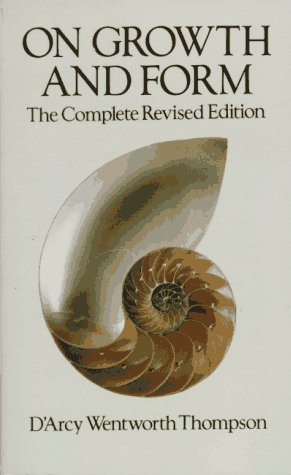
“Just to ask the question is interesting, and On Growth and Form is full of interesting questions—together with all manner of curious and interesting answers.”
— Stephen Wolfram
Source: Stephen Wolfram Writings, 'Are All Fish the Same Shape...'
Read by Stephen Wolfram
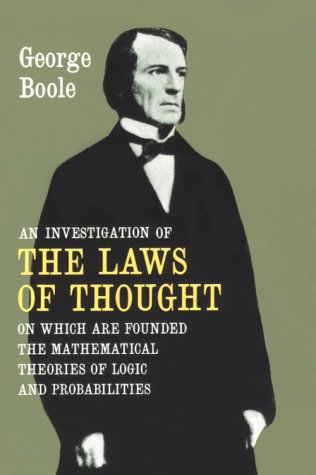
An Investigation of the Laws of Thought on Which are Founded the Mathematical Theories of Logic and Probabilities
“I have a bunch of reference books that I've been using as benchmarks for Wolfram|Alpha… as well as a few 'classics' that I just feel I should have nearby... there's Boole.”
— Stephen Wolfram
Source: Stephen Wolfram Reddit AMA, 2012
Read by Stephen Wolfram
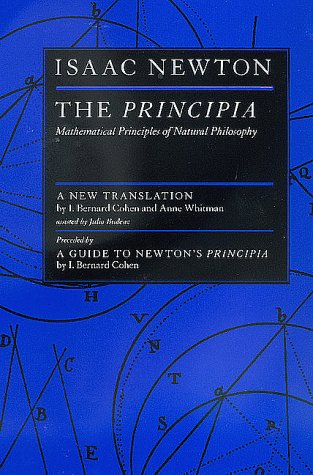
The Mathematical Principles of Natural Philosophy
“I have a bunch of reference books that I've been using as benchmarks for Wolfram|Alpha… as well as a few 'classics' that I just feel I should have nearby... there's Newton.”
— Stephen Wolfram
Source: Stephen Wolfram Reddit AMA, 2012
Read by Stephen Wolfram
To Which is Prefix'd, A Short Chronicle from the First Memory of Things in Europe, to the Conquest of Persia by Alexander the Great
“In addition to the famous books by these folk, I see I also have... Newton's chronology of ancient kingdoms...”
— Stephen Wolfram
Source: Stephen Wolfram Reddit AMA, 2012
Read by Stephen Wolfram
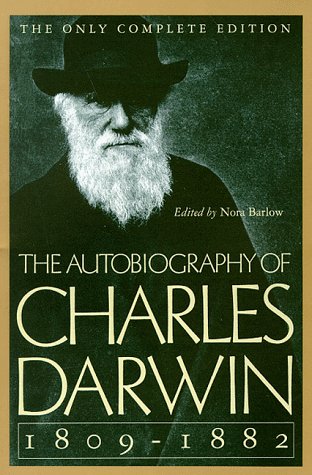
1809–1882
“In addition to the famous books by these folk, I see I also have e.g. Darwin's autobiography...”
— Stephen Wolfram
Source: Stephen Wolfram Reddit AMA, 2012
Read by Stephen Wolfram
A Monograph on the Sub-class Cirripedia, with Figures of all the Species
“In addition to the famous books by these folk, I see I also have... Darwin on barnacles...”
— Stephen Wolfram
Source: Stephen Wolfram Reddit AMA, 2012
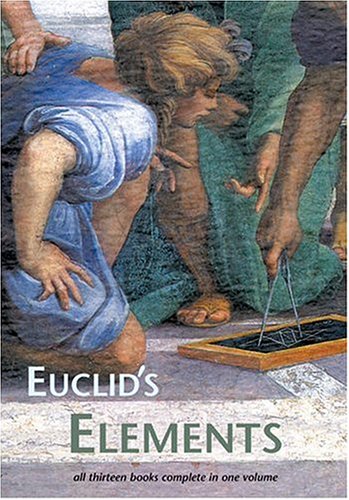
Read by Stephen Wolfram
Books I–XIII Complete in One Volume
“I have a bunch of reference books... as well as a few 'classics' that I just feel I should have nearby... there's Euclid.”
— Stephen Wolfram
Source: Stephen Wolfram Reddit AMA, 2012
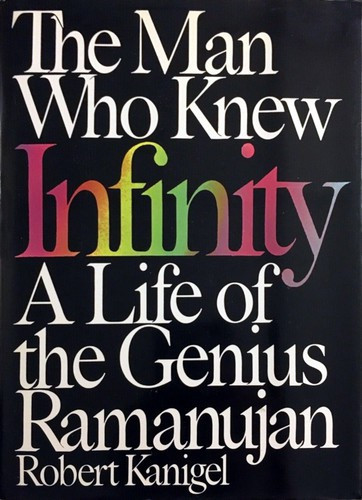
A Life of the Genius Ramanujan
“I found Kanigel's book a very enjoyable read.”
— Stephen Wolfram
Source: Stephen Wolfram Writings, 'Who Was Ramanujan?'
Read by Stephen Wolfram
Selected Writings of Benjamin Lee Whorf
Source: People Behind the Science Podcast, Episode 283
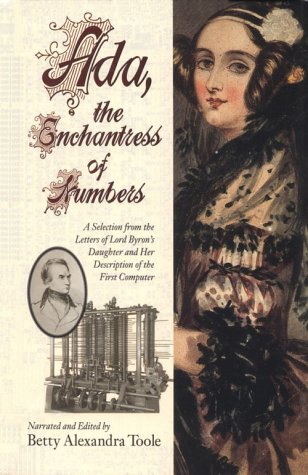
Read by Stephen Wolfram
A Selection from the Letters of Lord Byron's Daughter and Her Description of the First Computer
“There’s a good book by Betty Toole called Ada, the Enchantress of Numbers, that collects many of Ada’s letters...”
— Stephen Wolfram
Source: Stephen Wolfram Writings, 'Untangling the Tale of Ada Lovelace'
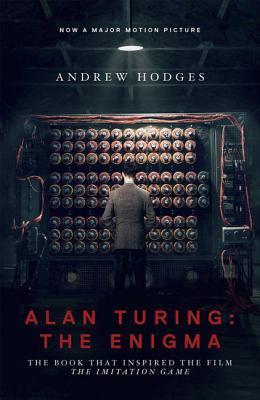
Read by Stephen Wolfram
The Book That Inspired the Film The Imitation Game
Source: Wolfram Science Bibliography
Read by Stephen Wolfram
Source: Wolfram Science Bibliography
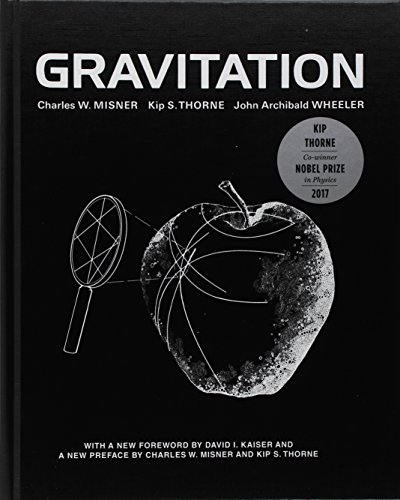
Read by Stephen Wolfram
“I picked up the classic Misner, Thorne & Wheeler Gravitation... and learned about general relativity.”
— Stephen Wolfram
Source: Stephen Wolfram Writings, 'How We Got Here'
Also recommends books in
His 14 recommendations include The Feynman Lectures on Physics, On Growth and Form by D'Arcy Wentworth Thompson, The Laws of Thought by George Boole, Newton's Principia Mathematica, and Euclid's Elements.
The Feynman Lectures on Physics, which he first saw at age 14. He recalls one page as "always my favorite page" in the Lectures, and the work looms large in his account of his own path into physics.
They are drawn mainly from his own long-form writings and essays, a 2012 Reddit AMA in which he described the reference books he keeps nearby, podcast interviews, and the bibliography of his Wolfram Science project.
Yes, eight, including Adventures of a Computational Explorer (2019), A Project to Find the Fundamental Theory of Physics (2020), and What Is ChatGPT Doing ... and Why Does It Work? (2023), alongside An Elementary Introduction to the Wolfram Language.
Beyond the Feynman Lectures, he points to Robert Kanigel's The Man Who Knew Infinity, which he found "a very enjoyable read," the Misner, Thorne, and Wheeler textbook Gravitation, and Betty Toole's Ada, the Enchantress of Numbers on Ada Lovelace's letters.