
Read by Steve Jobs, Richard Branson, Jordan Peterson and 11 others

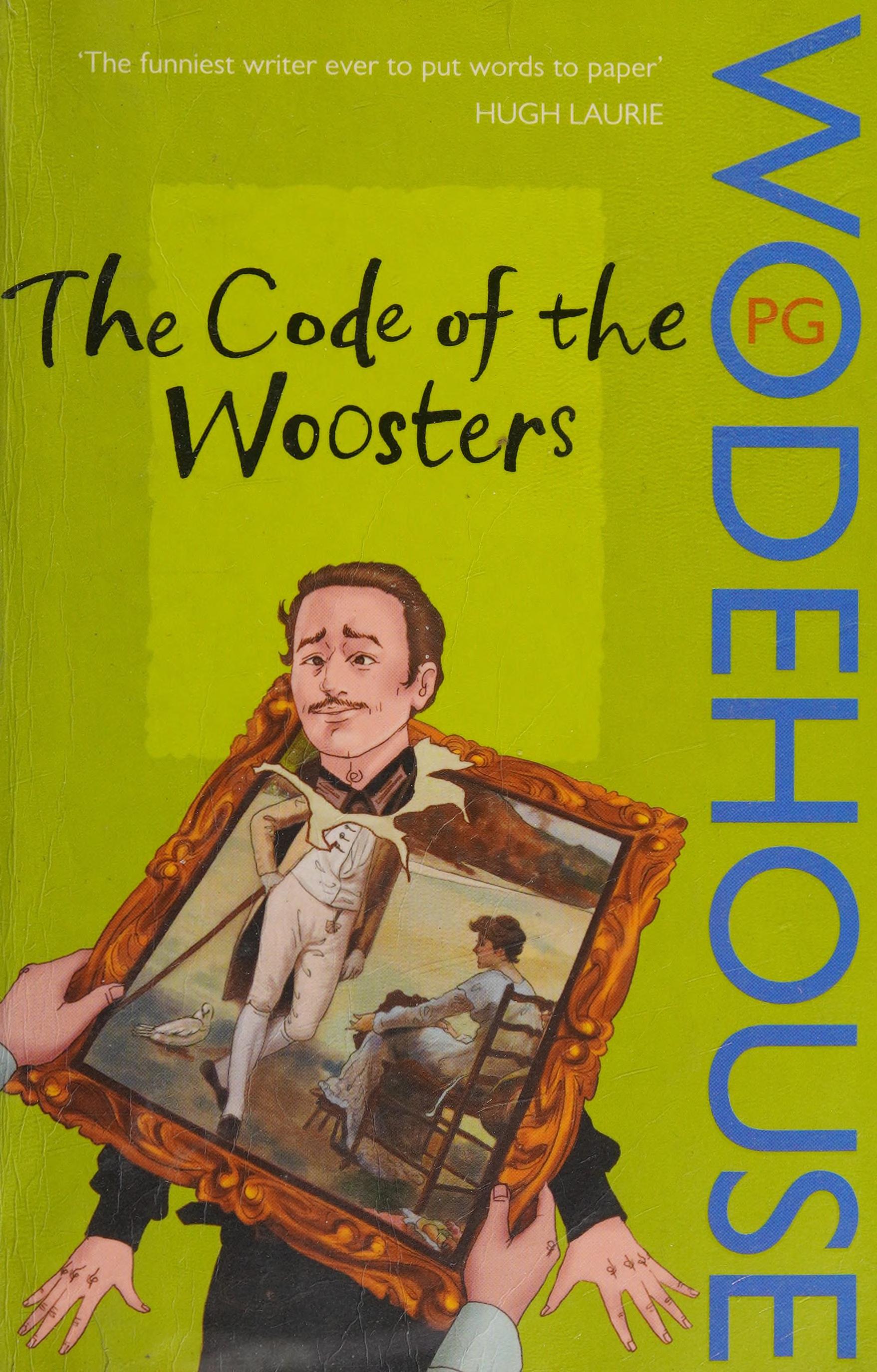
The Christopher Hitchens book recommendations here belong to the British-American author, polemicist and Vanity Fair editor who was a fearless contrarian, championing reason and literature with biting wit. Sixteen titles are drawn from his own books, his essay collections such as Arguably, a Week roundup of influential books, introductions he wrote for classic editions, and direct blurbs. Society and politics, fiction and history dominate. His defining pick is George Orwell's 1984, which he calls independent of time and place, not just about twentieth-century totalitarianism, a conviction that also shaped his book Why Orwell Matters. He praises P.G. Wodehouse's The Code of the Woosters, calling Wodehouse the author of the most imperishable double act in fictional history, and names Martin Amis's Money the Great English Novel of the 1980s. Hitchens also authored ten books here, including God Is Not Great and Hitch-22.
Last updated February 2026 · Every recommendation cited to its original source.
Read by Steve Jobs, Richard Branson, Jordan Peterson and 11 others
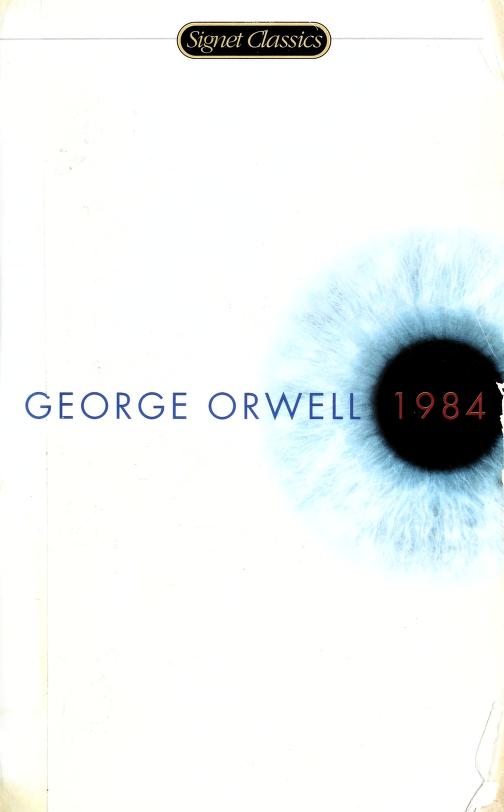
“It is independent of time and place. It is not just about 20th-century totalitarianism.”
— Christopher Hitchens
Source: Why Orwell Matters (Book)
“It formed part of the essential bookshelf of those intellectuals who repudiated their early illusions about the Soviet Union.”
— Christopher Hitchens
Source: The Week '6 Influential Books'
“P.G. Wodehouse is the author of the most imperishable double act in fictional history.”
— Christopher Hitchens
Source: Arguably: Essays (The Master)
A Suicide Note
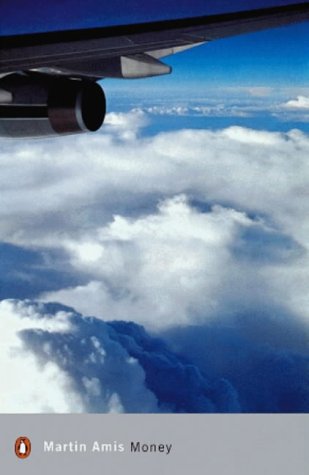
“There are many, many reasons why Money is the Great English Novel of the 1980s.”
— Christopher Hitchens
Source: The Week '6 Influential Books'
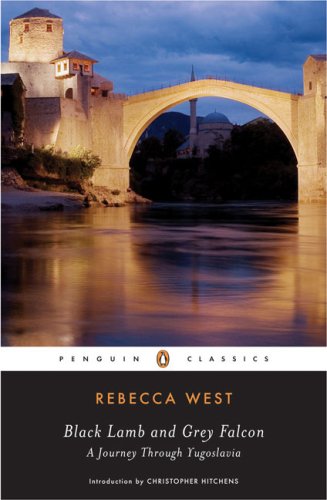
A Journey Through Yugoslavia
“One of the great writers/critics on totalitarianism in the 20th century... A towering staggering achievement.”
— Christopher Hitchens
Source: Introduction to Penguin Classics Edition
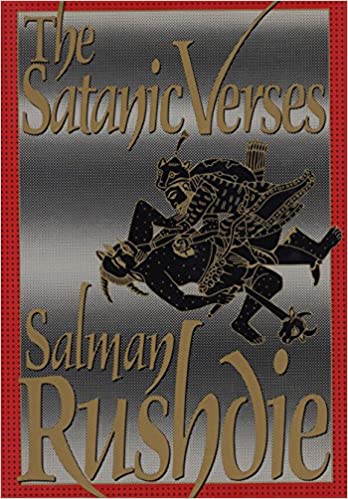
“This brilliant novel, with its deft and sinuous discussions of Koranic text (and its satire on British society), answers yes [to whether holy writ can be used for literary purposes].”
— Christopher Hitchens
Source: The Week '6 Influential Books'
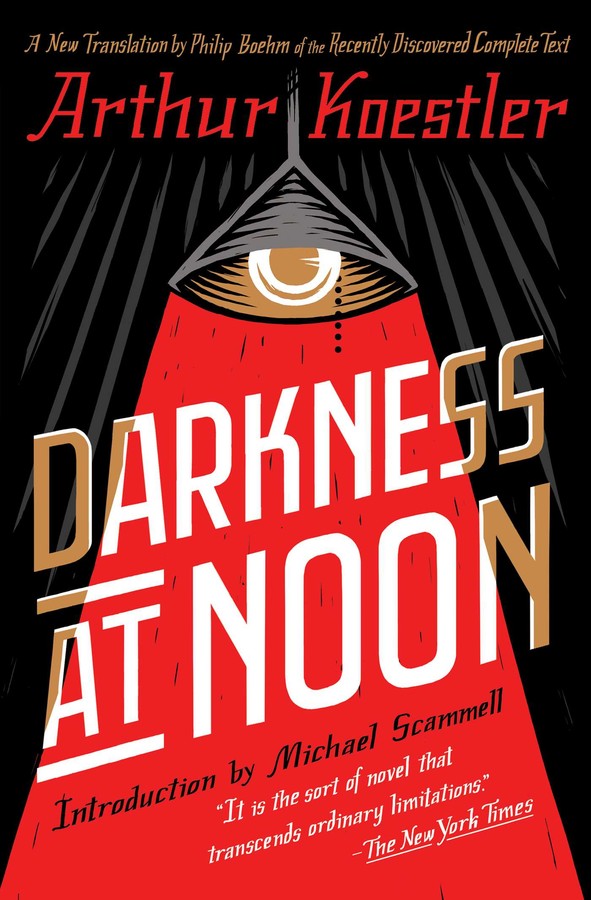
“Certainly the best jail book since Victor Serge's Men in Prison and almost as influential in combating Stalinism as Nineteen Eighty-four.”
— Christopher Hitchens
Source: The Week '6 Influential Books'
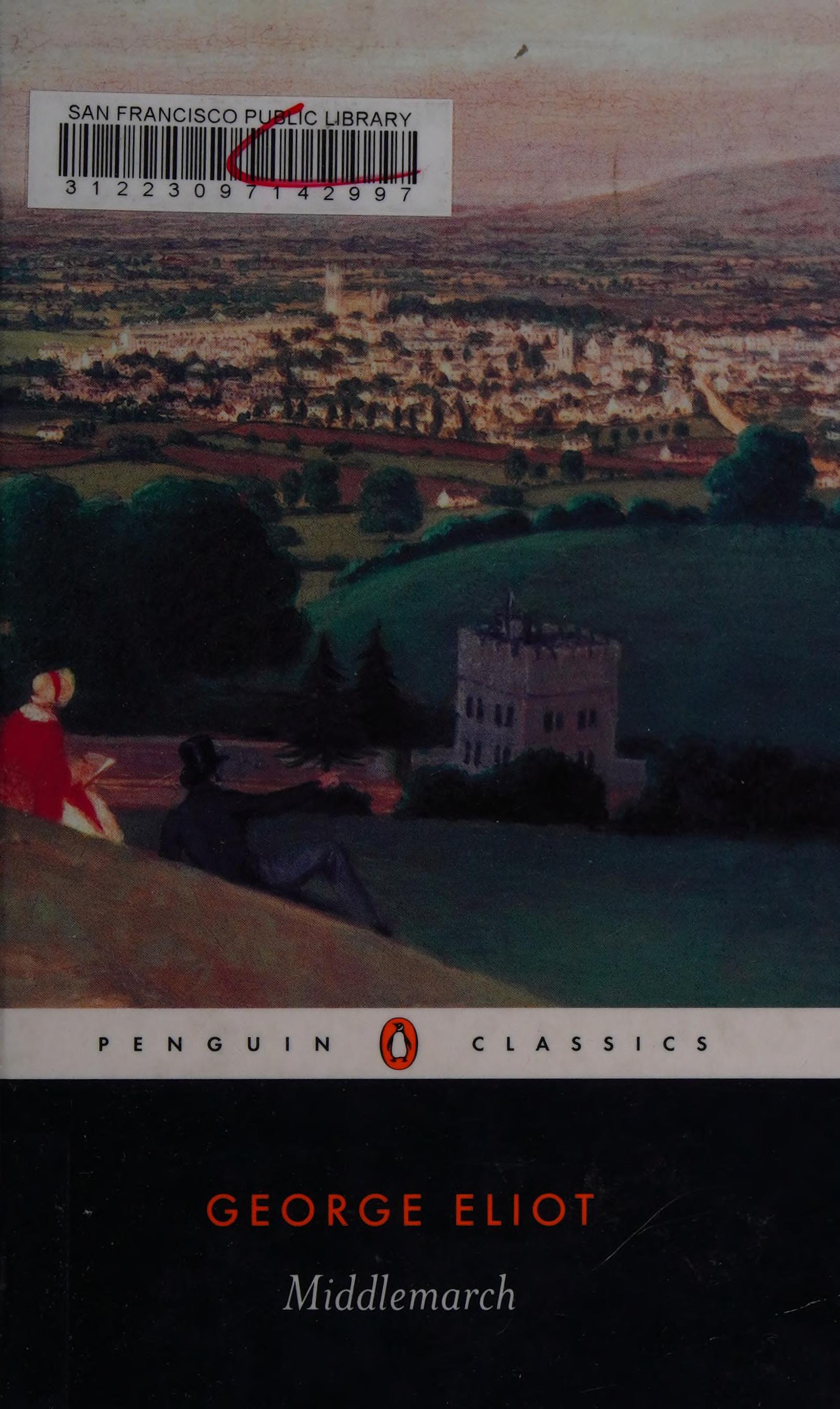
A Study of Provincial Life
“She never raised her voice... and in general was one of those people, of the sort whose memorial is in Middlemarch.”
— Christopher Hitchens
Source: God Is Not Great (Book)
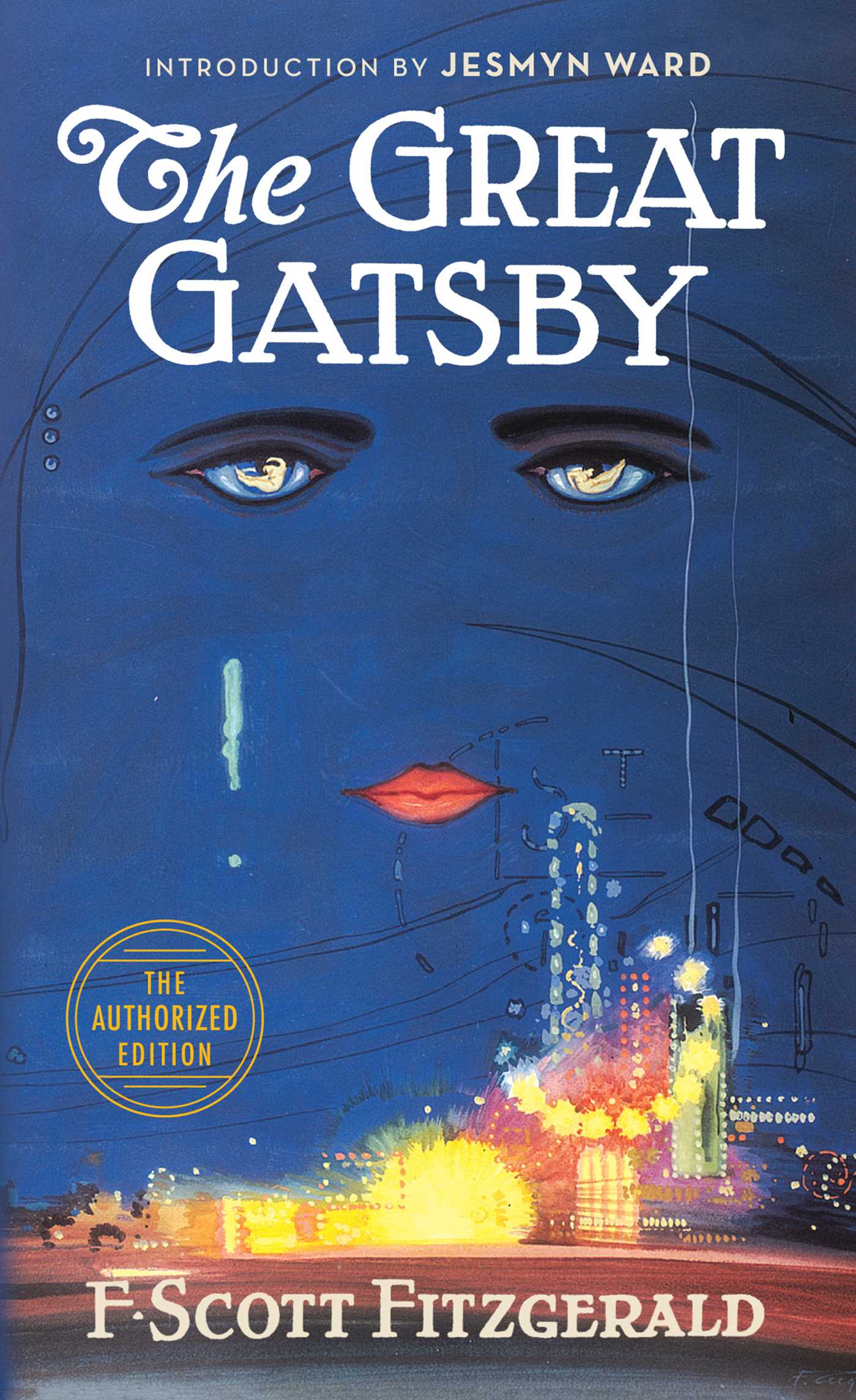
Read by Wong Kar Wai, Neil deGrasse Tyson, Ralph Lauren and 5 others
“[The author] found he'd taken on all the great American themes, from the original 'dream' itself to the corresponding loss of innocence.”
— Christopher Hitchens
Source: Vanity Fair: 'The Road to West Egg'
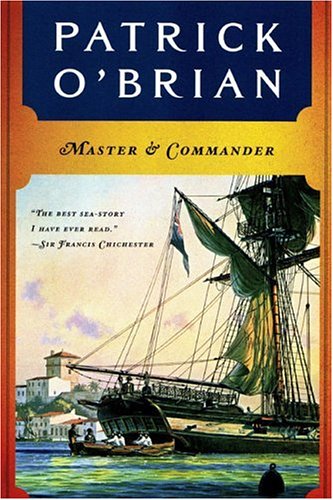
“I devoured Patrick O'Brian's 20-volume masterpiece as if it had been so many tots of Jamaica grog... It will outlive most of today's putative literary gems.”
— Christopher Hitchens
Source: Slate Review
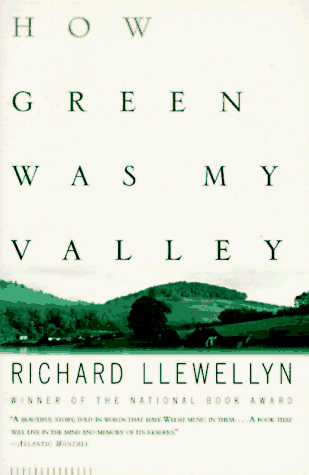
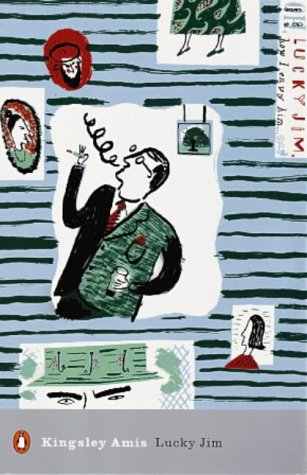
“This novel had a seismic effect on me when I was young, showing as it did the existence of another class of people.”
— Christopher Hitchens
Source: The Week '6 Influential Books'
Source: Introduction to NYRB Classics Edition
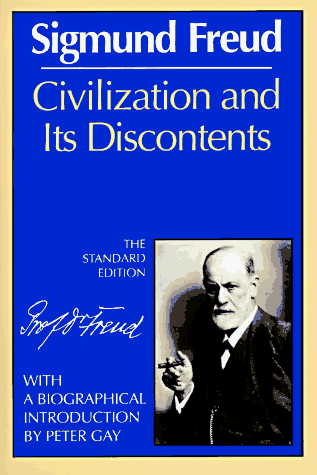
Source: Introduction to W. W. Norton Edition
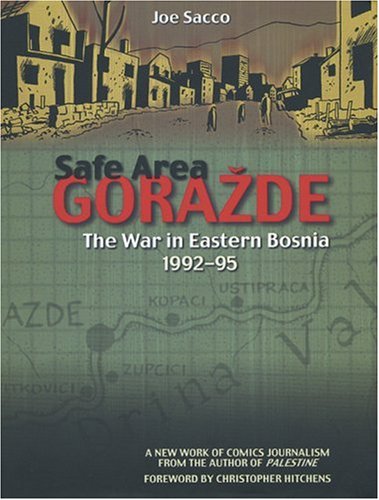
The War in Eastern Bosnia 1992–1995
Source: Foreword to the Edition
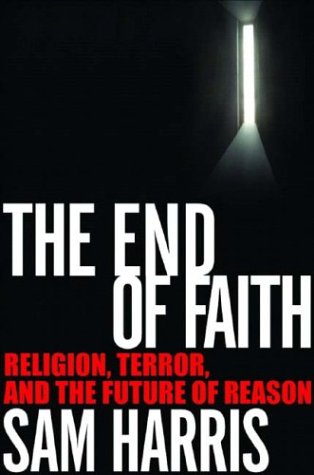
Religion, Terror, and the Future of Reason
“This book will provide a relief to everyone who is tired of the mindless deference that religion requires.”
— Christopher Hitchens
Source: Direct Book Blurb
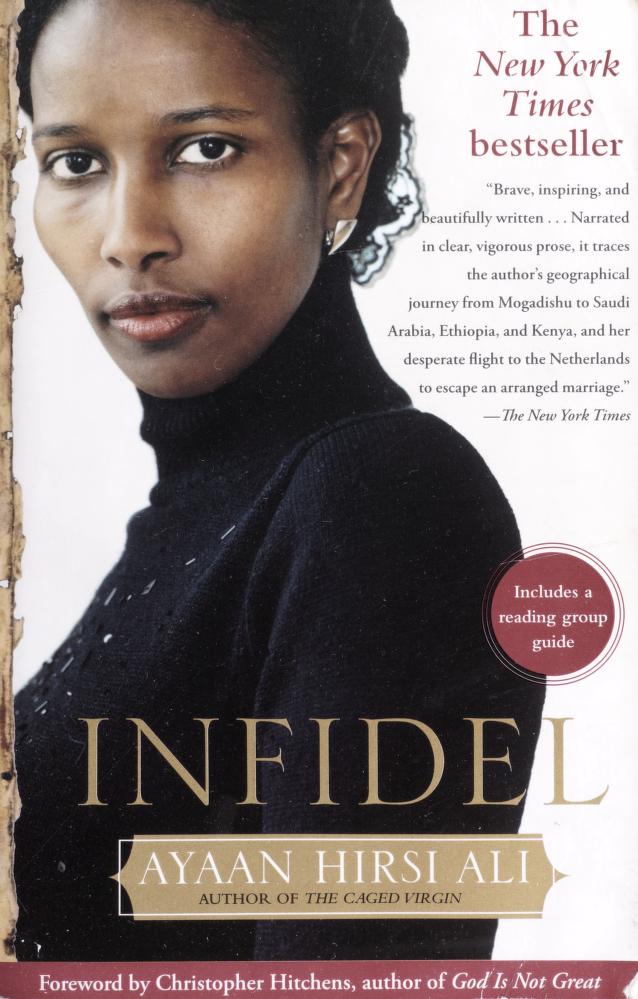
My Life
“A great self-portrait of a great woman... she has the courage to be herself and the even greater courage to think for herself.”
— Christopher Hitchens
Source: Direct Book Blurb
Also recommends books in
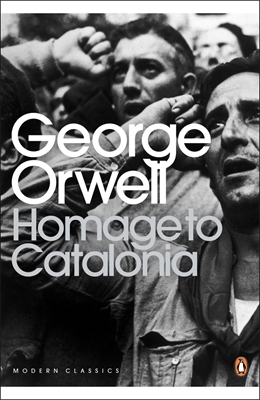
His 16 recommendations include 1984 by George Orwell, Orwell's Homage to Catalonia, P.G. Wodehouse's The Code of the Woosters, Martin Amis's Money, and Rebecca West's Black Lamb and Grey Falcon.
Hitchens returned repeatedly to George Orwell's 1984, saying it is independent of time and place and not just about twentieth-century totalitarianism, an admiration for Orwell that runs through his own book Why Orwell Matters.
They come from his own books such as God Is Not Great and Why Orwell Matters, his essay collection Arguably, a Week feature on the six books that influenced him, introductions he wrote for classic editions, and various book blurbs.
Yes. Ten of his own titles appear here, including God Is Not Great, Hitch-22, Arguably, Why Orwell Matters, Mortality, and The Trial of Henry Kissinger.
His list favors society and politics, fiction and literature, and history, with additional threads of philosophy and biography, reflecting his interests in totalitarianism, literary craft and reason.