

Read by Tim Ferriss, John Collison, James Clear and 2 others

Trying to understand how systems, companies, and technologies actually work is the impulse behind John Collison's book recommendations, fitting for the co-founder and president of Stripe. These 14 titles are drawn mostly from his own Twitter feed, an Invest Like the Best podcast appearance, and forewords he has written, and they cluster around business strategy, economics and finance, and the history of technology. His top pick is Charles Munger's Poor Charlie's Almanack, which he urged followers to buy "just in time for his centenary." From there the list ranges across cautionary business tales like Bad Blood and American Kingpin, deep technical explainers like Charles Petzold's Code, and the occasional swerve into P.G. Wodehouse, whom he calls "one of the English language's funniest writers." It is a curious, wide-ranging shelf that treats trade history, chip design, and comic novels as equally worth an evening.
Last updated February 2026 · Every recommendation cited to its original source.
Read by Tim Ferriss, John Collison, James Clear and 2 others
The Wit and Wisdom of Charles T. Munger
“Get your copy of [this book], just in time for his centenary!”
— John Collison
Source: John Collison's Twitter
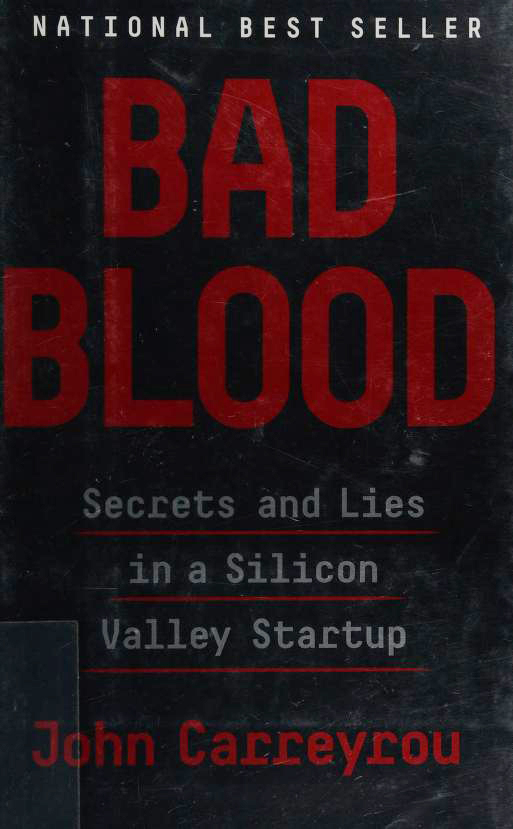
Secrets and Lies in a Silicon Valley Startup
“Favorite reads of 2018: ... Bad Blood (John Carreyrou)”
— John Collison
Source: John Collison's Twitter
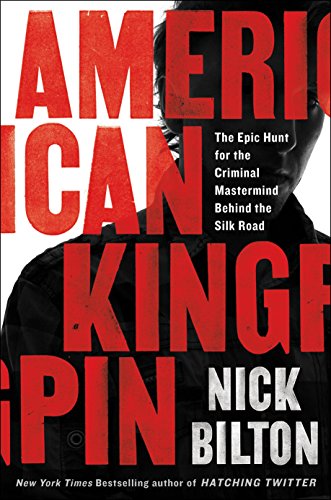
The Epic Hunt for the Criminal Mastermind Behind the Silk Road
“American Kingpin is an incredible tale. Ross Ulbricht started Silk Road while watching Breaking Bad and became Walter White.”
— John Collison
Source: John Collison's Twitter

Read by John Collison
A Vision for a Society of Free, Prosperous, and Responsible Individuals
Source: Stubborn Attachments (Foreword)
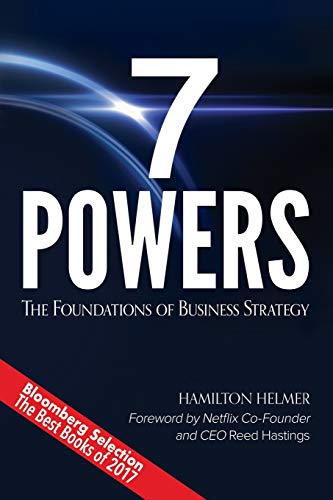
The Foundations of Business Strategy
“I really enjoyed 7 Powers by Hamilton Helmer. It’s a very clear-headed look at business strategy.”
— John Collison
Source: John Collison's Twitter
Read by John Collison
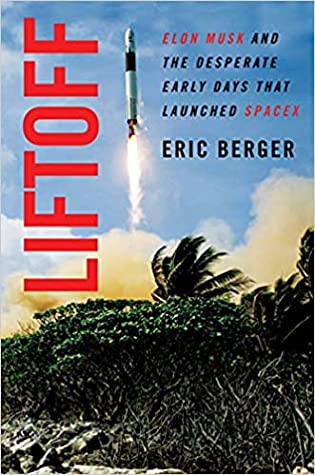
Elon Musk and the Desperate Early Days That Launched SpaceX
“I enjoyed @SciGuySpace's new book on the swashbuckling early days of SpaceX.”
— John Collison
Source: John Collison's Twitter
Read by John Collison
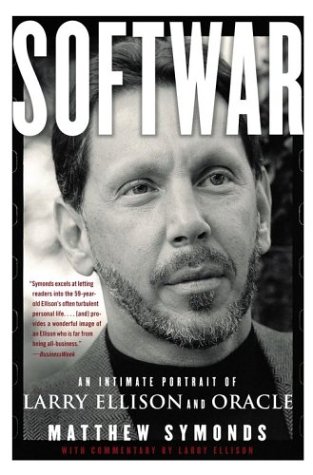
An Intimate Portrait of Larry Ellison and Oracle
“I think Softwar is great.”
— John Collison
Source: Invest Like the Best Podcast #178
Read by John Collison
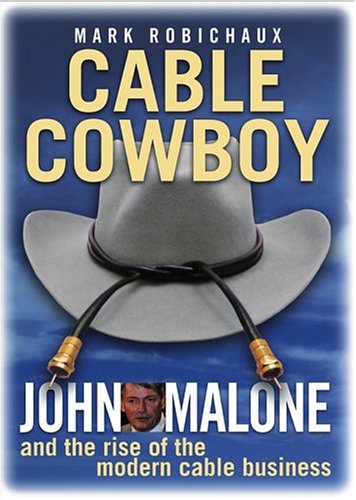
John Malone and the Rise of the Modern Cable Business
“Cable Cowboy is another one that I think is really good.”
— John Collison
Source: Invest Like the Best Podcast #178
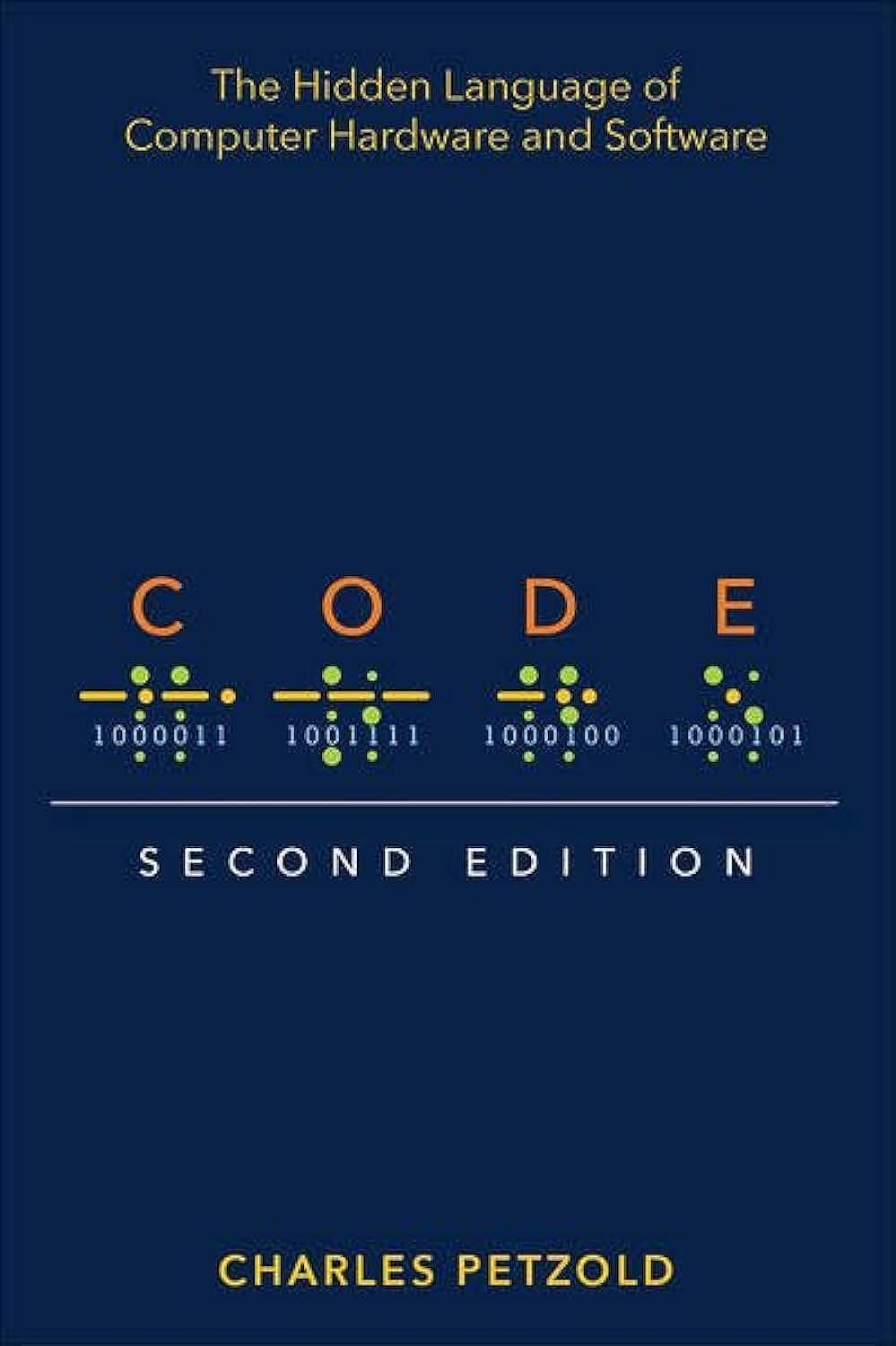
Read by John Collison
“Code (Charles Petzold) — an explanation from transistors to the OS of how computers work.”
— John Collison
Source: John Collison's Twitter
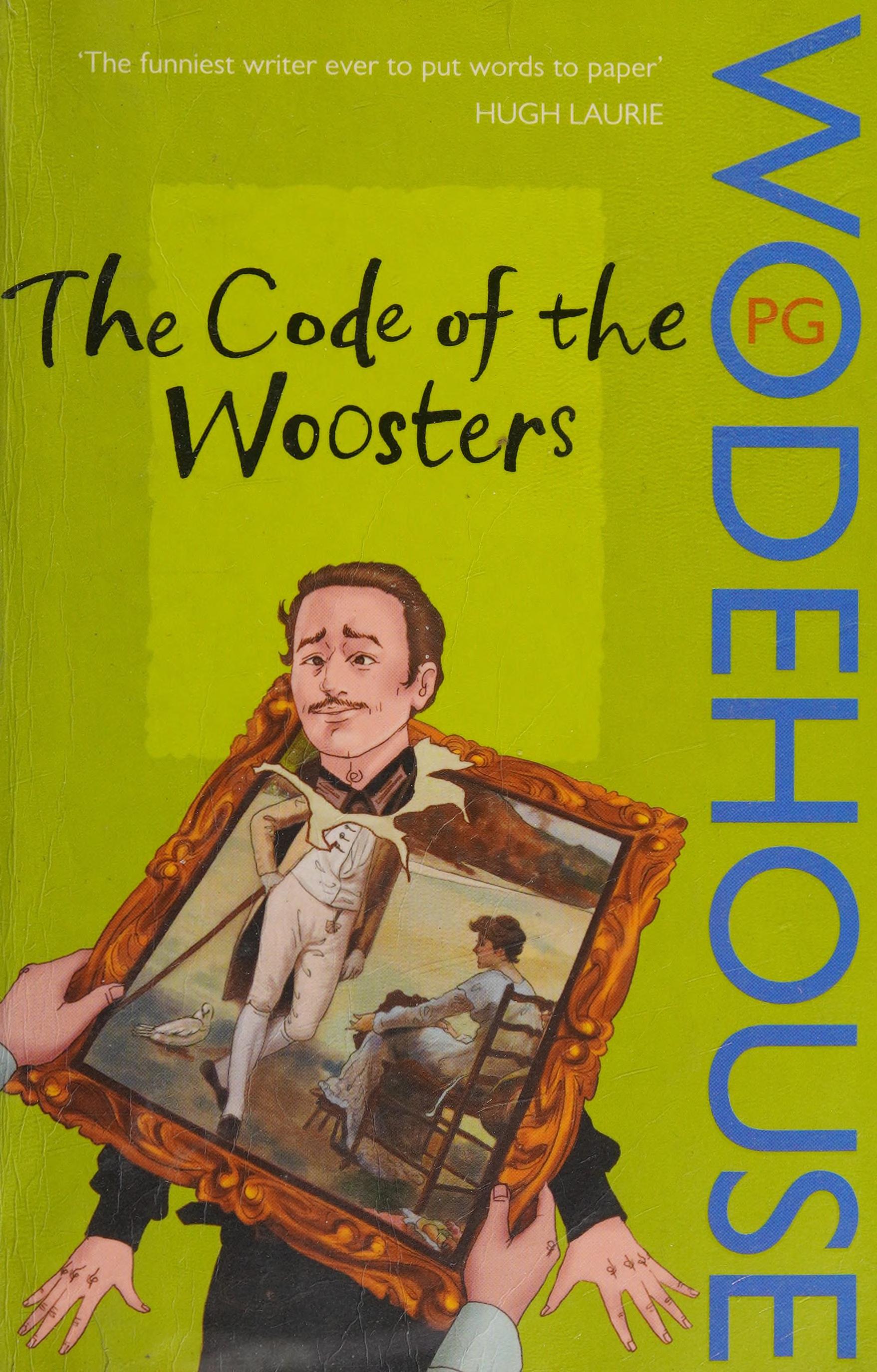
“P. G. Wodehouse is one of the English language's funniest writers.”
— John Collison
Source: John Collison's Twitter
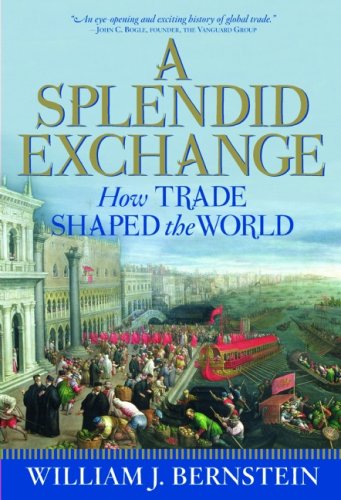
Read by John Collison
How Trade Shaped the World
“Hefty and wandering but consistently interesting.”
— John Collison
Source: John Collison's Twitter
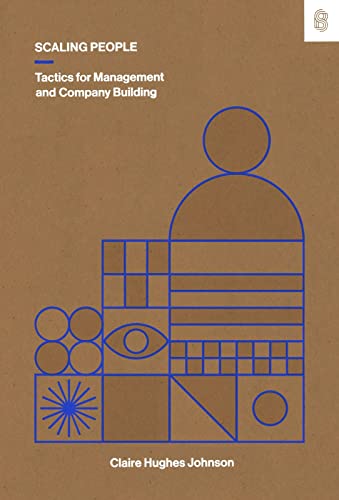
Tactics for Management and Company Building
Source: Scaling People (Foreword)
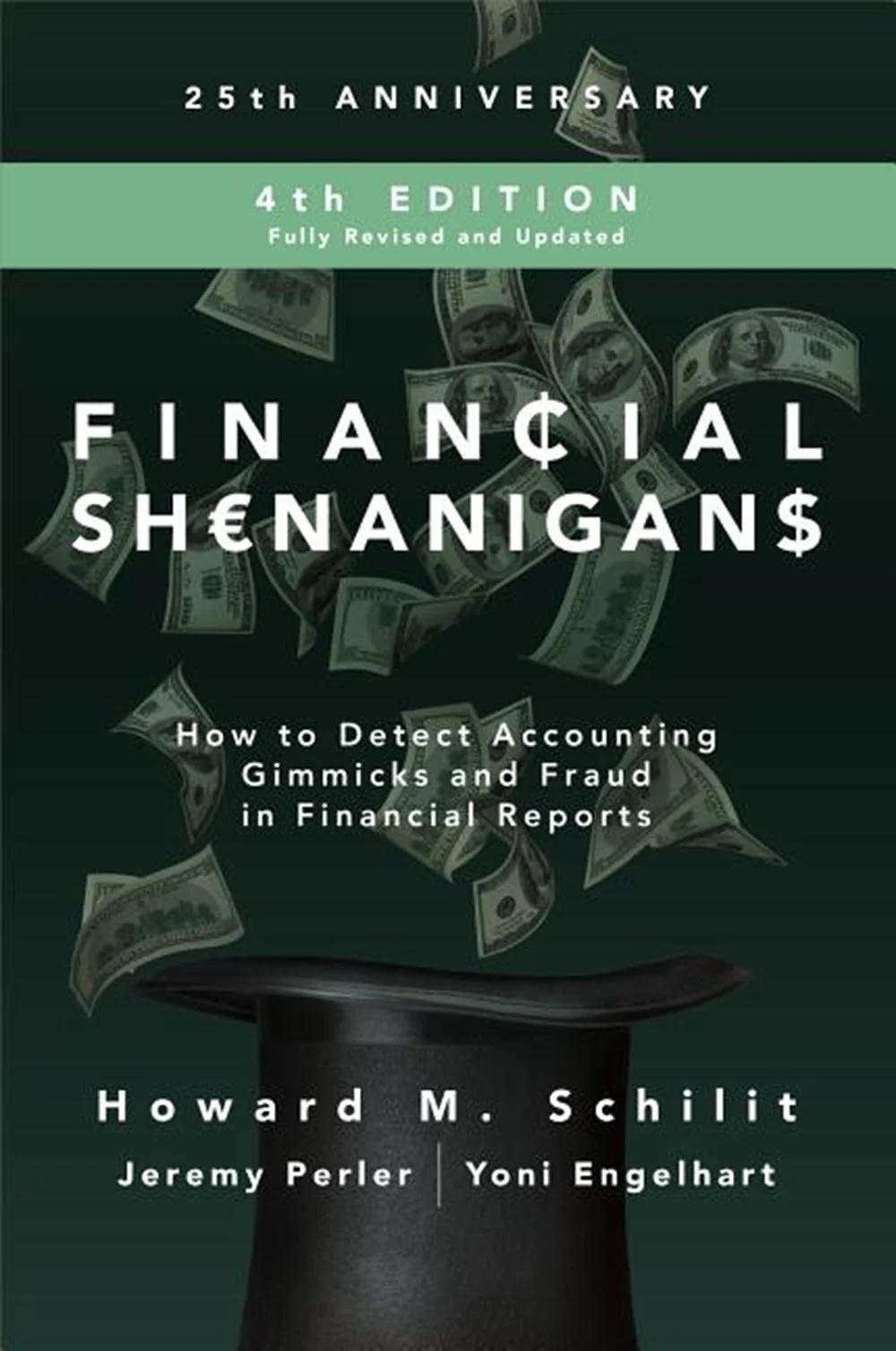
Read by John Collison
How to Detect Accounting Gimmicks & Fraud in Financial Reports
“Financial Shenanigans is a great book.”
— John Collison
Source: John Collison's Twitter
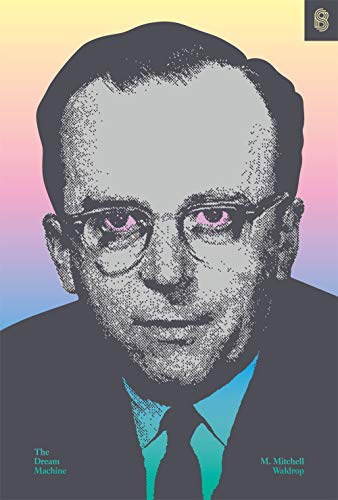
Read by John Collison
J.C.R. Licklider and the Revolution That Made Computing Personal
“The Dream Machine... is finally back in print.”
— John Collison
Source: John Collison's Twitter
Also recommends books in
His 14 recommendations include Poor Charlie's Almanack by Charles Munger, Bad Blood by John Carreyrou, American Kingpin by Nick Bilton, 7 Powers by Hamilton Helmer, and Code by Charles Petzold.
Charles Munger's Poor Charlie's Almanack, which he encouraged people to pick up "just in time for his centenary." He also praises Hamilton Helmer's 7 Powers as "a very clear-headed look at business strategy."
Most come from his own Twitter feed, where he shares favorite reads, along with an appearance on the Invest Like the Best podcast (episode 178) and forewords he wrote for books including Tyler Cowen's Stubborn Attachments and Claire Hughes Johnson's Scaling People.
Yes, though sparingly. He singles out P.G. Wodehouse's The Code of the Woosters, calling Wodehouse "one of the English language's funniest writers." Most of his list, however, leans toward business, technology, and economic history.
Business and strategy and economics and finance lead, followed by science and technology, biography and memoir, and society and politics. His picks favor books that explain how companies scale, how markets work, and how technologies came to be.