
Read by Naval Ravikant, Arianna Huffington, Tobias Lütke and 12 others
As the author of Atomic Habits, James Clear has read widely on habits, decision-making, and the slow work of continuous improvement, and his book recommendations distill that study. This collection brings together 29 titles from the extensive book guides on JamesClear.com, his popular 3-2-1 newsletter, and forewords and summaries he has written, concentrating on psychology, self-improvement, business, and philosophy. The book he reaches for first is Marcus Aurelius's Meditations: if someone wants to be pointed toward a book that will genuinely change their life, he says, the first book he would hand them is Meditations. Close behind are Steven Pressfield's The War of Art, Greg McKeown's Essentialism, and Viktor Frankl's Man's Search for Meaning. Stoic philosophy, deep work, and evidence-backed self-improvement recur throughout, the same practical wisdom that fills his weekly writing.
Last updated February 2026 · Every recommendation cited to its original source.
Read by Naval Ravikant, Arianna Huffington, Tobias Lütke and 12 others
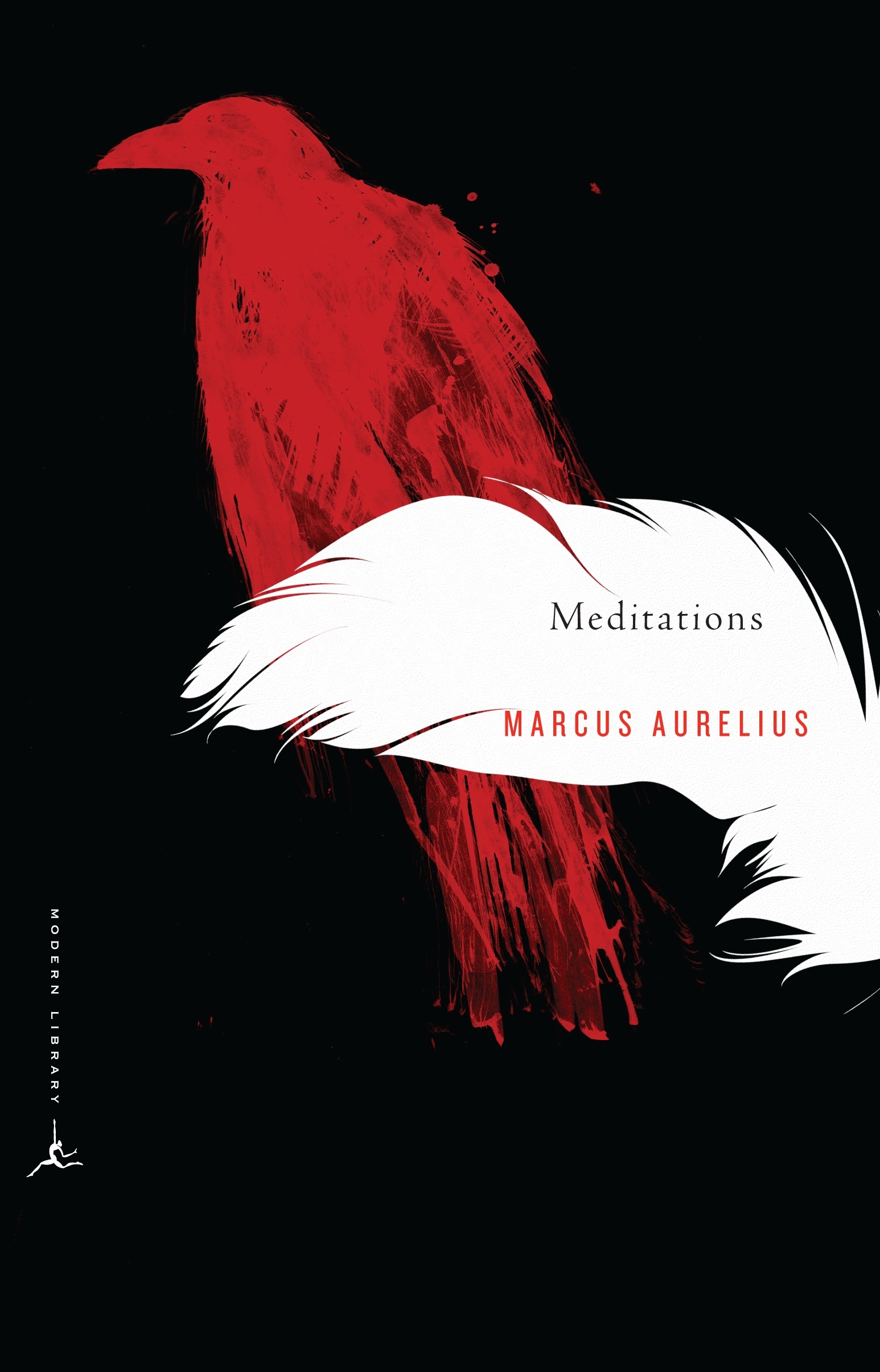
A New Translation
“If someone is wanting to be pointed towards a book that will genuinely change their life, the first book I'd hand them is Meditations.”
— James Clear
Source: JamesClear.com Best Philosophy Books
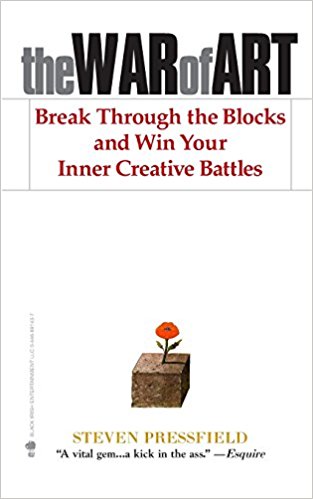
Read by Ryan Holiday, Rick Rubin, Rich Roll and 5 others
Break Through the Blocks and Win Your Inner Creative Battles
“Fear is good. Like self-doubt, fear is an indicator. Fear tells us what we have to do. Remember our rule of thumb: The more scared we are of a work or calling, the more sure we can be that we have to do it.”
— James Clear
Source: JamesClear.com Book Summary
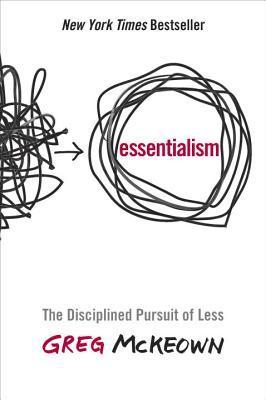
Read by Changpeng Zhao, Chris Williamson, Steven Bartlett and 4 others
The Disciplined Pursuit of Less
Source: JamesClear.com Best Business Books
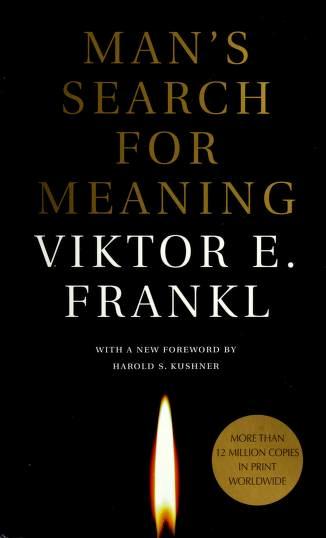
Read by Tim Ferriss, Charlie Munger, Sam Altman and 22 others
An Introduction to Logotherapy
“Everything can be taken from a person but one thing: the last of the human freedoms—to choose one's attitude in any given set of circumstances, to choose one's own way.”
— James Clear
Source: JamesClear.com 3-2-1 Newsletter
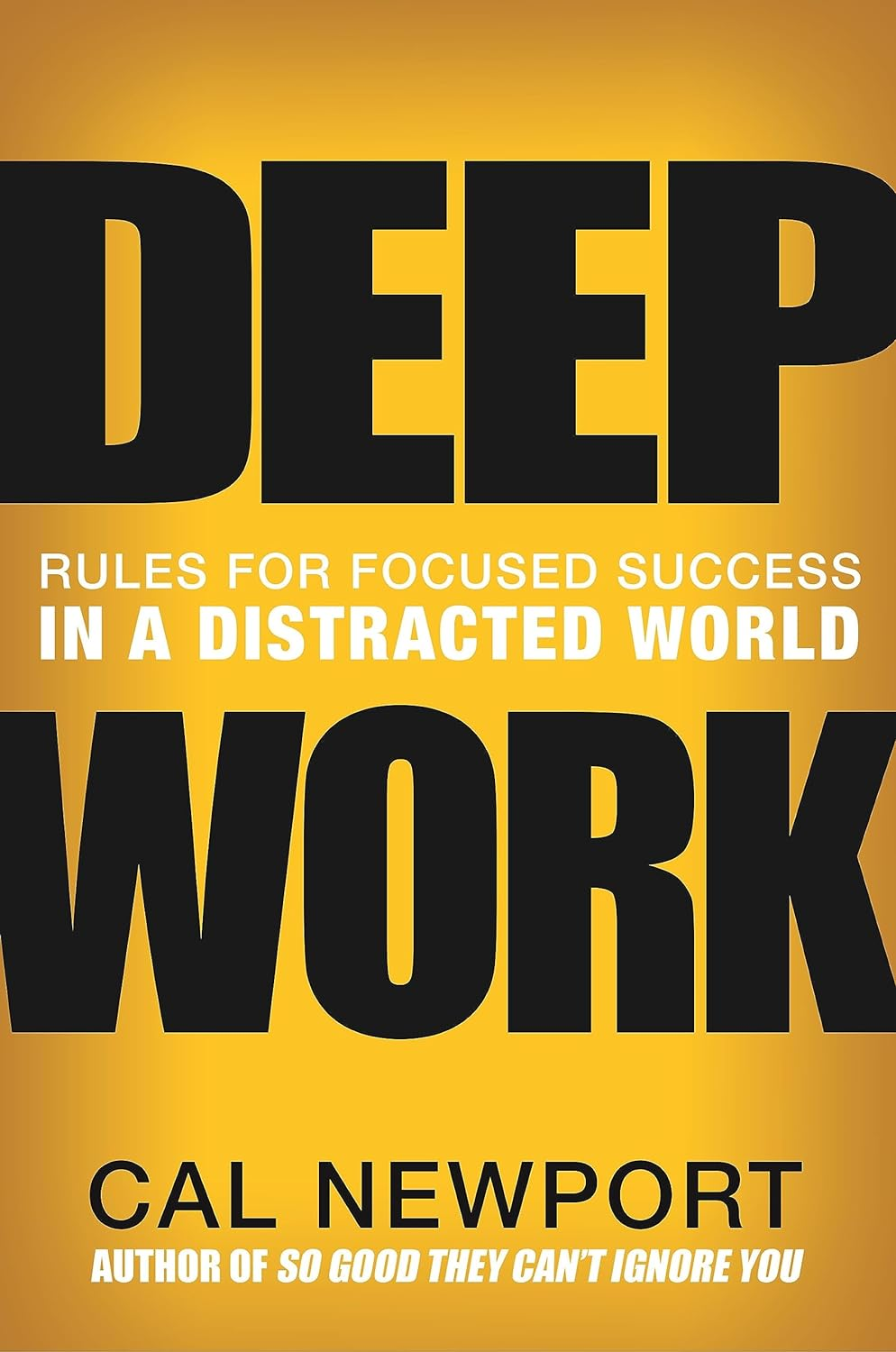
Rules for Focused Success in a Distracted World
“Deep work is the ability to focus without distraction on a cognitively demanding task. It's a superpower in our increasingly competitive economy.”
— James Clear
Source: JamesClear.com Best Self-Help Books
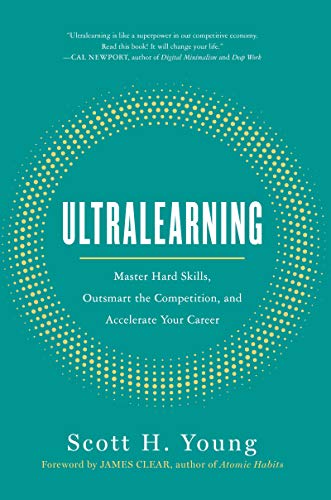
Master Hard Skills, Outsmart the Competition, and Accelerate Your Career
“Scott Young has written a gold mine for anyone who wants to build a new skill or master a craft.”
— James Clear
Source: Foreword by James Clear
Read by Ray Dalio, Naval Ravikant, Mark Manson and 6 others
“A concise survey of the culture and civilization of mankind... The Durants reveal the towering themes of history and give meaning to our own.”
— James Clear
Source: JamesClear.com Book Summary
Read by Tim Ferriss, Barack Obama, Ray Dalio and 21 others
Source: JamesClear.com Book Summary
Read by James Clear
The Keys to Success and Long-Term Fulfillment
“Mastery is a path, not a destination. It is a process, a journey. The master is the one who stays on the path day after day, year after year.”
— James Clear
Source: JamesClear.com Book Summary
Read by Tim Ferriss, John Collison, James Clear and 2 others
The Wit and Wisdom of Charles T. Munger
“80 or 90 important models will carry about 90% of the freight in making you a worldly-wise person.”
— James Clear
Source: JamesClear.com Best Business Books
Read by Barack Obama, Sam Altman, Ray Dalio and 14 others
Source: JamesClear.com Best Psychology Books
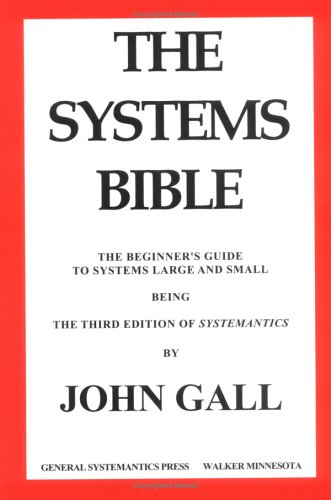
Read by James Clear
The Beginner's Guide to Systems Large and Small
“The fundamental problem does not lie in any particular System but rather in Systems as Such.”
— James Clear
Source: JamesClear.com 3-2-1 Newsletter
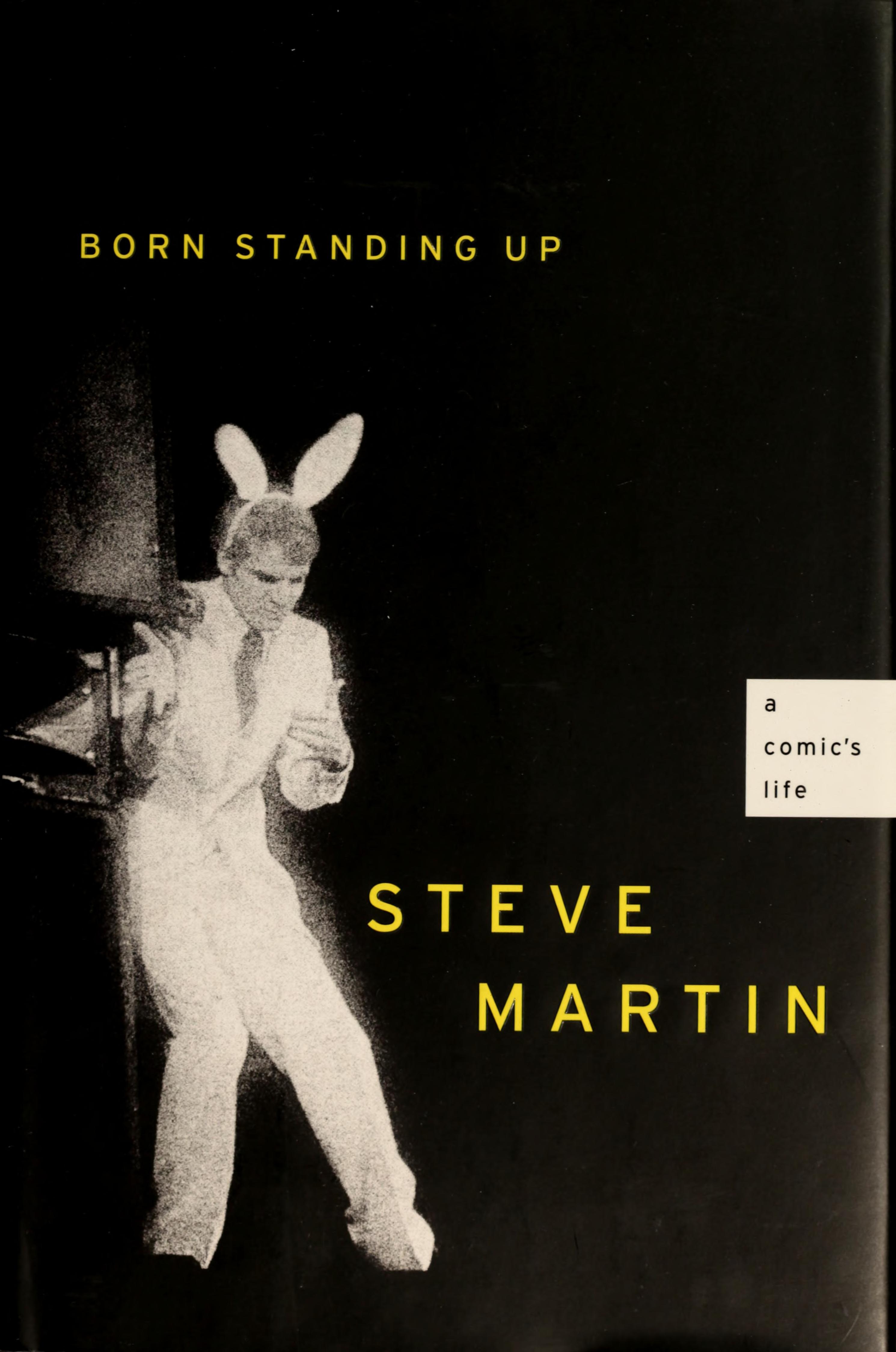
Read by Marc Andreessen, Rick Rubin, James Clear and 1 others
A Comic's Life
“This fantastic book provided beautiful insights not only into the details of his comedy act, but also into his early life and career development.”
— James Clear
Source: JamesClear.com Book Summary
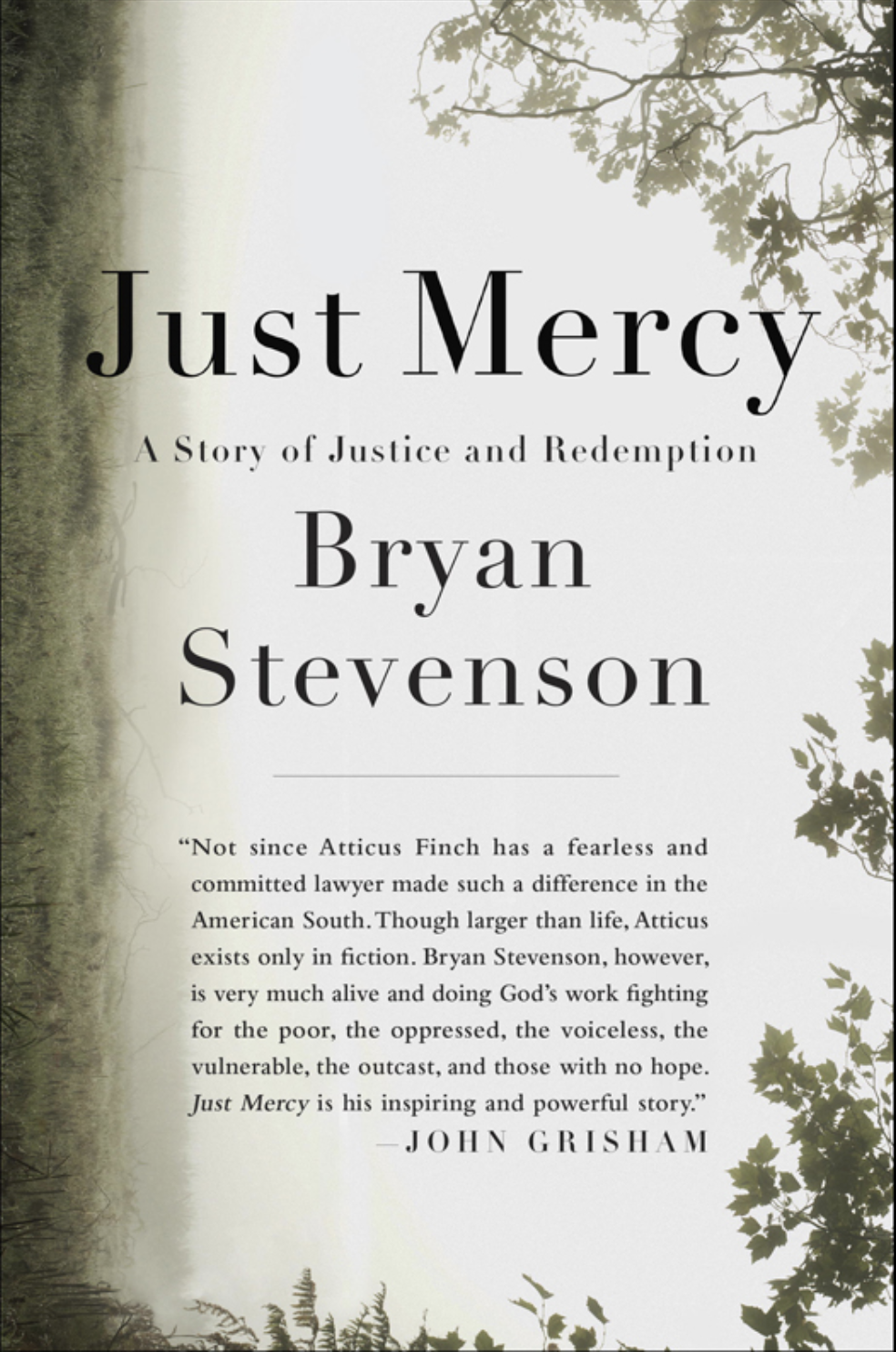
A Story of Justice and Redemption
“The true measure of our character is how we treat the poor, the disfavored, the accused, the incarcerated, and the condemned.”
— James Clear
Source: JamesClear.com Book Summary
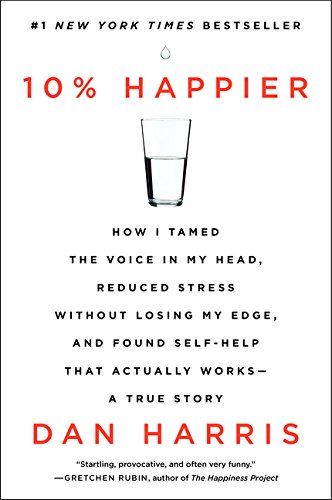
How I Tamed the Voice in My Head, Reduced Stress Without Losing My Edge, and Found Self-Help That Actually Works—A True Story
Source: JamesClear.com Book Summary
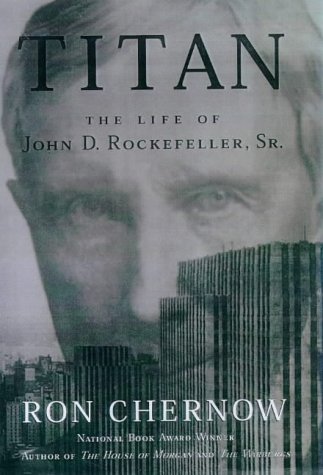
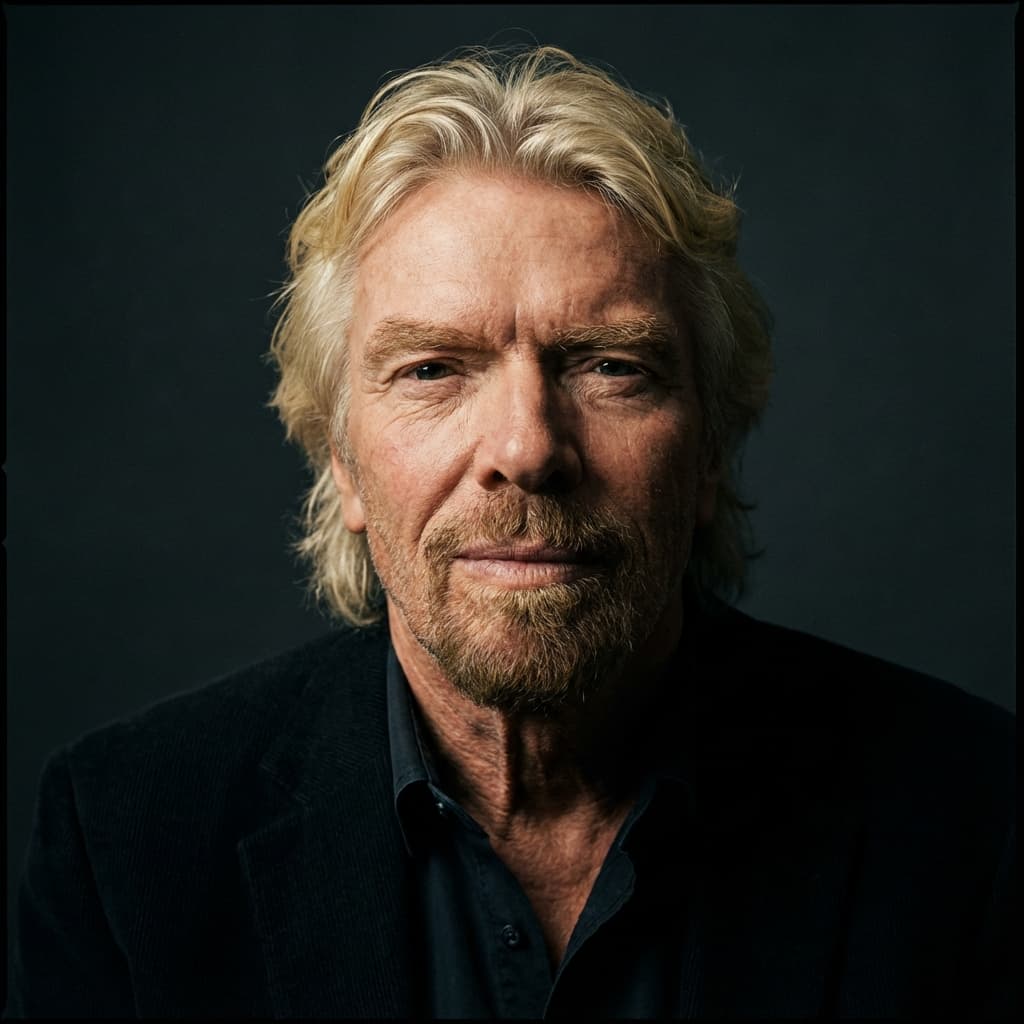
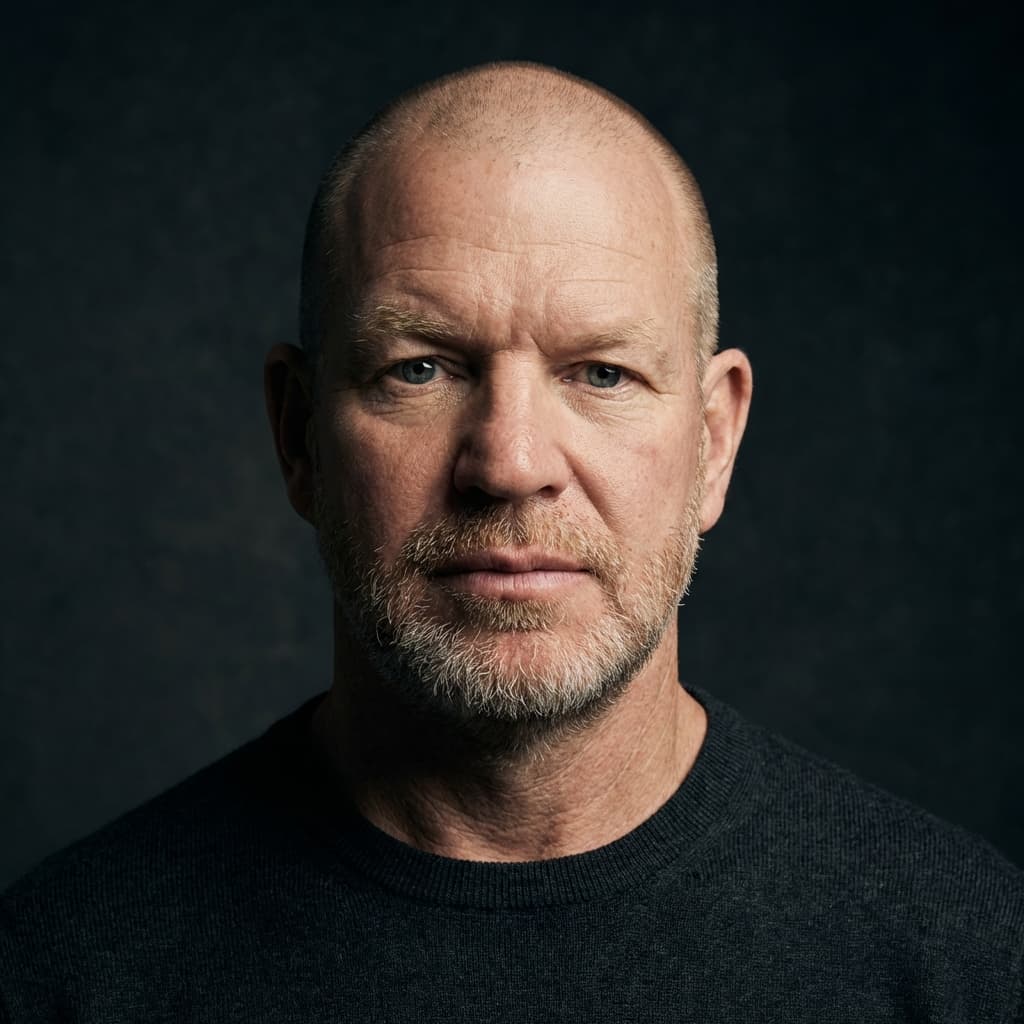
Read by Charlie Munger, Ryan Holiday, Chip Wilson and 2 others
Source: JamesClear.com Best Biography Books
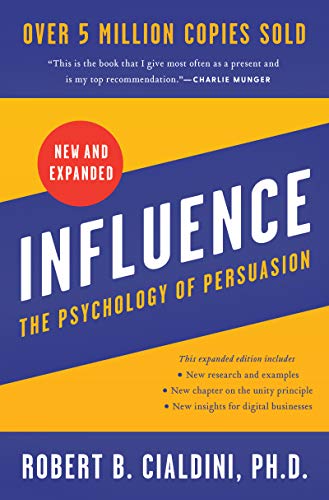
Read by Naval Ravikant, Mark Manson, Tobias Lütke and 8 others
New and Expanded
Source: JamesClear.com Best Business Books
Read by Satya Nadella, Tobias Lütke, Chip Wilson and 5 others
How We Can Learn to Fulfill Our Potential
Source: JamesClear.com Best Self-Help Books
Master the Art of Business
Source: JamesClear.com Best Business Books
Read by Charlie Munger, Jamie Dimon, Daniel Ek and 6 others
The Fates of Human Societies
Source: JamesClear.com Best History Books
Read by Chip Wilson, James Clear, Dave Ramsey and 2 others
Powerful Lessons in Personal Change
Source: JamesClear.com Best Self-Help Books
Read by Warren Buffett, Alex Hormozi, Chip Wilson and 11 others
Source: JamesClear.com Best Self-Help Books
Read by Rich Roll, James Clear
Choosing a Focused Life in a Noisy World
“It means using technology with more intention and purpose.”
— James Clear
Source: JamesClear.com 3-2-1 Newsletter
Read by Jeff Bezos, Mark Cuban, James Clear and 1 others
Change the Way You Work Forever
Source: JamesClear.com Best Business Books
Also recommends books in
His 29 recommendations include Meditations by Marcus Aurelius, The War of Art by Steven Pressfield, Essentialism by Greg McKeown, Man's Search for Meaning by Viktor Frankl, and Deep Work by Cal Newport.
His top pick is Meditations by Marcus Aurelius. Clear says, "If someone is wanting to be pointed towards a book that will genuinely change their life, the first book I'd hand them is Meditations."
They are sourced from the book guides on JamesClear.com, which span philosophy, business, psychology, history, and self-help, plus his widely read 3-2-1 newsletter and forewords and book summaries he has written for other authors.
Yes. He is the author of the #1 New York Times bestseller Atomic Habits, which has sold over 20 million copies worldwide and is built around getting one percent better every day.
His recommendations center on psychology, self-improvement, and business strategy, with a strong philosophy thread, especially Stoic works like Meditations and Seneca, plus history. Nearly all tie back to his focus on habits and decision-making.