Read by Steven Bartlett

As the entrepreneur and host of The Diary of a CEO, Steven Bartlett shapes his book recommendations around titles that rewire how people think about the mind, the body, and money. These 14 titles come from an Audible curation, episodes of his podcast, and his own book, and they concentrate on psychology and human behavior, self-improvement, business, and health and wellness. The book he singles out first is Steve Peters's The Chimp Paradox, which he says "completely changed my life, from my romantic relationships to my relationship with myself." The rest reflect the concerns of a podcaster who interviews scientists and founders for a living: James Clear's Atomic Habits, which he notes "has shaped tens and tens and tens of millions of lives," Morgan Housel's The Psychology of Money, "the best finance book I've ever read," and Johann Hari's Lost Connections on depression. Bartlett has also authored two books of his own.
Last updated February 2026 · Every recommendation cited to its original source.
Read by Steven Bartlett
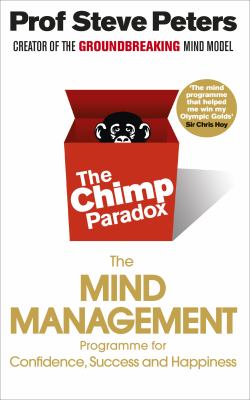
The Mind Management Programme to Help You Achieve Success, Confidence and Happiness
“This book completely changed my life - from my romantic relationships to my relationship with myself. There's a reason it's sold millions of copies worldwide.”
— Steven Bartlett
Source: Audible Official Curation
Read by Steven Bartlett
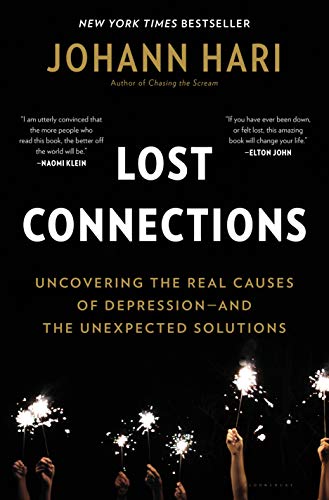
Uncovering the Real Causes of Depression – and the Unexpected Solutions
“Profound and transformative impact... changed my perspective on how I viewed depression and addiction.”
— Steven Bartlett
Source: Audible Official Curation
Read by Steven Bartlett
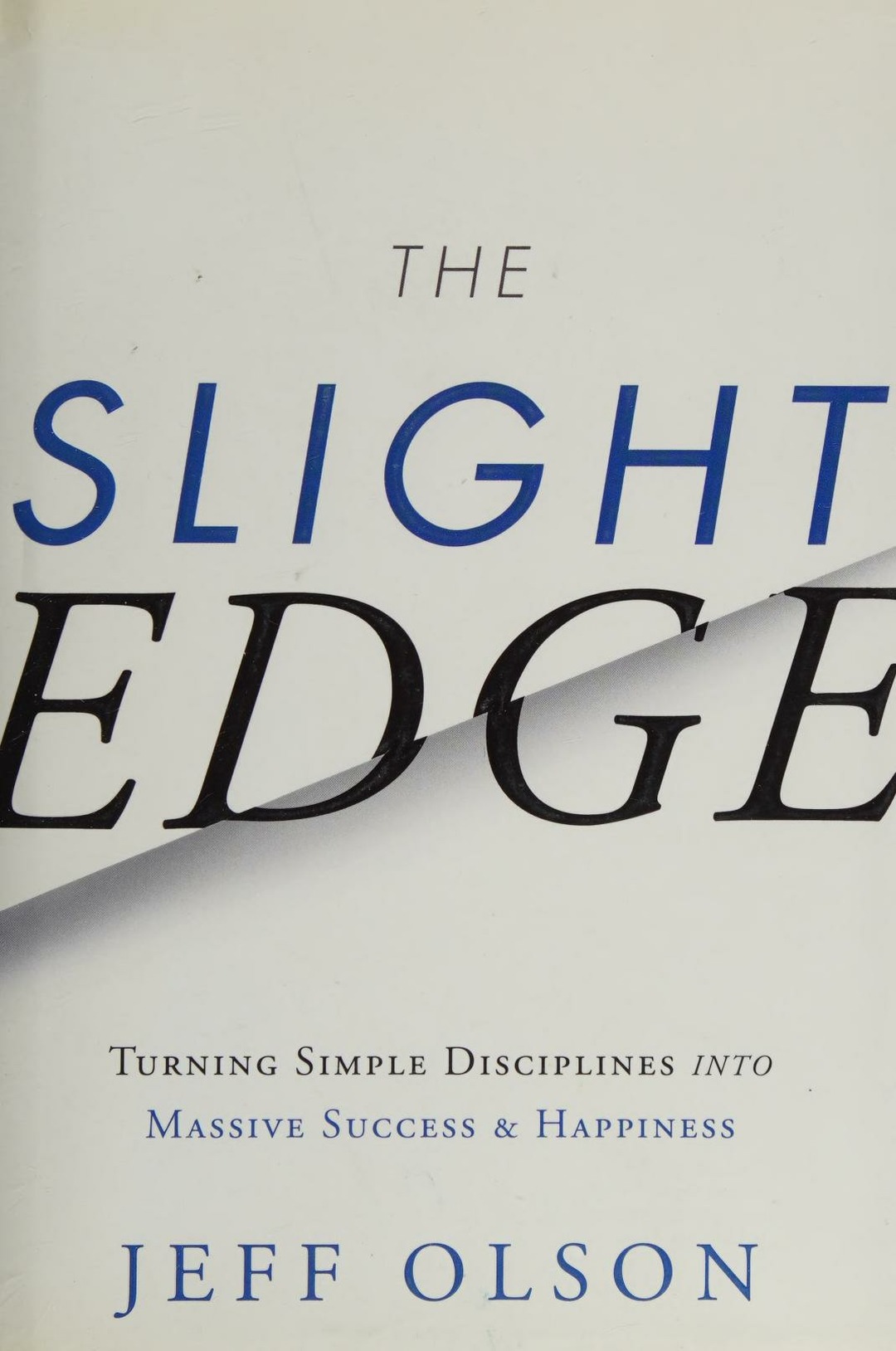
Turning Simple Disciplines into Massive Success and Happiness
“Reading The Slight Edge was a transformative experience... The book's concept — that small, consistent actions can lead to long-term success — [was] both inspiring and practical.”
— Steven Bartlett
Source: Audible Official Curation
Read by Mark Manson, Ryan Holiday, Rich Roll and 9 others
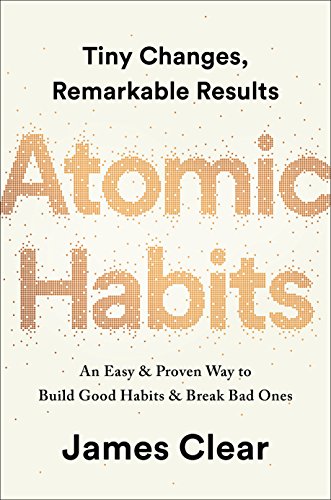
An Easy & Proven Way to Build Good Habits & Break Bad Ones
“One of the best selling books in history... it has shaped tens and tens and tens of millions of lives.”
— Steven Bartlett
Source: The Diary of a CEO Podcast
Read by Peter Attia, Changpeng Zhao, Chris Williamson and 4 others
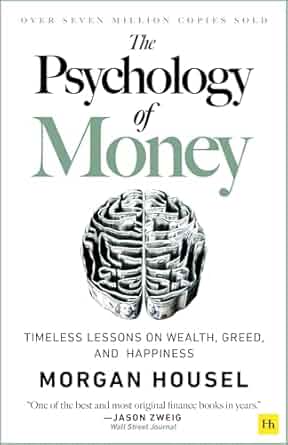
Timeless lessons on wealth, greed, and happiness
“The best finance book I've ever read.”
— Steven Bartlett
Source: Audible Official Curation
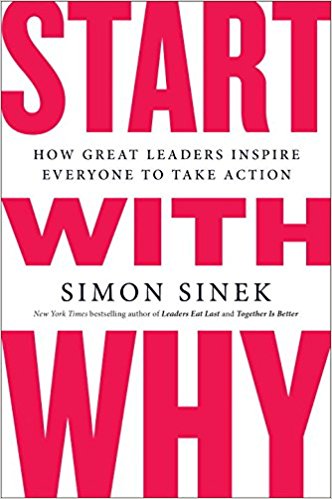
Read by Richard Branson, Mark Manson, Steven Bartlett and 4 others
How Great Leaders Inspire Everyone to Take Action
“One of the most incredible thinkers of our time; someone who has influenced the way I think and act every day.”
— Steven Bartlett
Source: Audible Official Curation
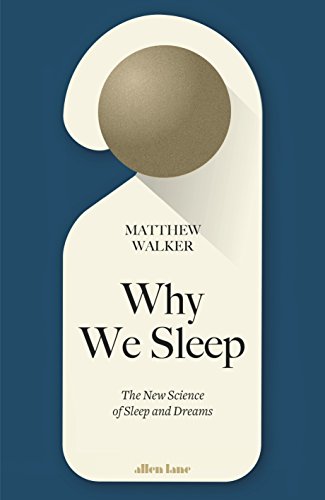
Read by Tobias Lütke, Rhonda Patrick, Peter Attia and 5 others
Unlocking the Power of Sleep and Dreams
“I agree with everything you've said about how foundational sleep is in my life... I didn't know this at the start of my career.”
— Steven Bartlett
Source: The Diary of a CEO Podcast
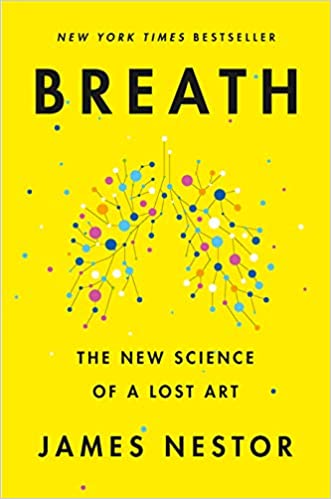
Read by Arianna Huffington, Rich Roll, Joe Rogan and 5 others
The New Science of a Lost Art
“Who would have thought something as simple as changing the way we breathe could be so revolutionary for our health?”
— Steven Bartlett
Source: The Diary of a CEO Podcast
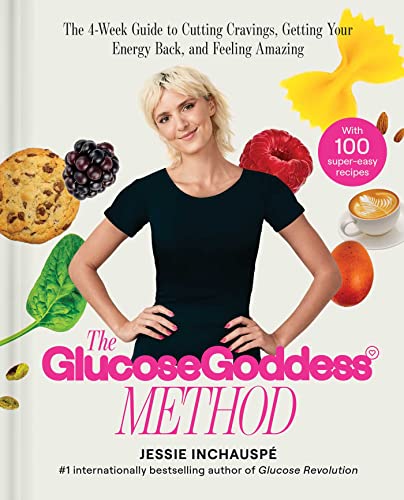
Read by Steven Bartlett
The 4-Week Guide to Cutting Cravings, Getting Your Energy Back, and Feeling Amazing
“She completely altered the way I look at sugar, energy and our health - for the better.”
— Steven Bartlett
Source: Audible Official Curation
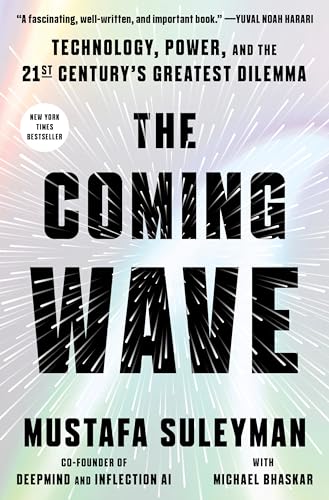
Read by Bill Gates, Reid Hoffman, Eric Topol and 4 others
Technology, Power, and the Twenty-first Century's Greatest Dilemma
“An incredible mind to delve into.”
— Steven Bartlett
Source: Audible Official Curation
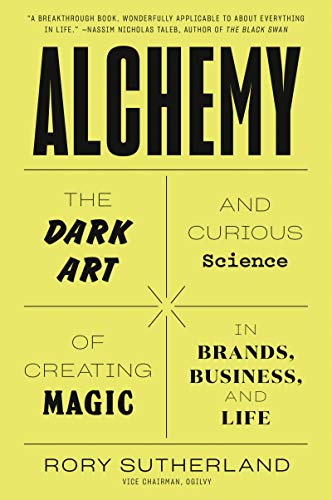
The Dark Art and Curious Science of Creating Magic in Brands, Business, and Life
Source: Audible Official Curation
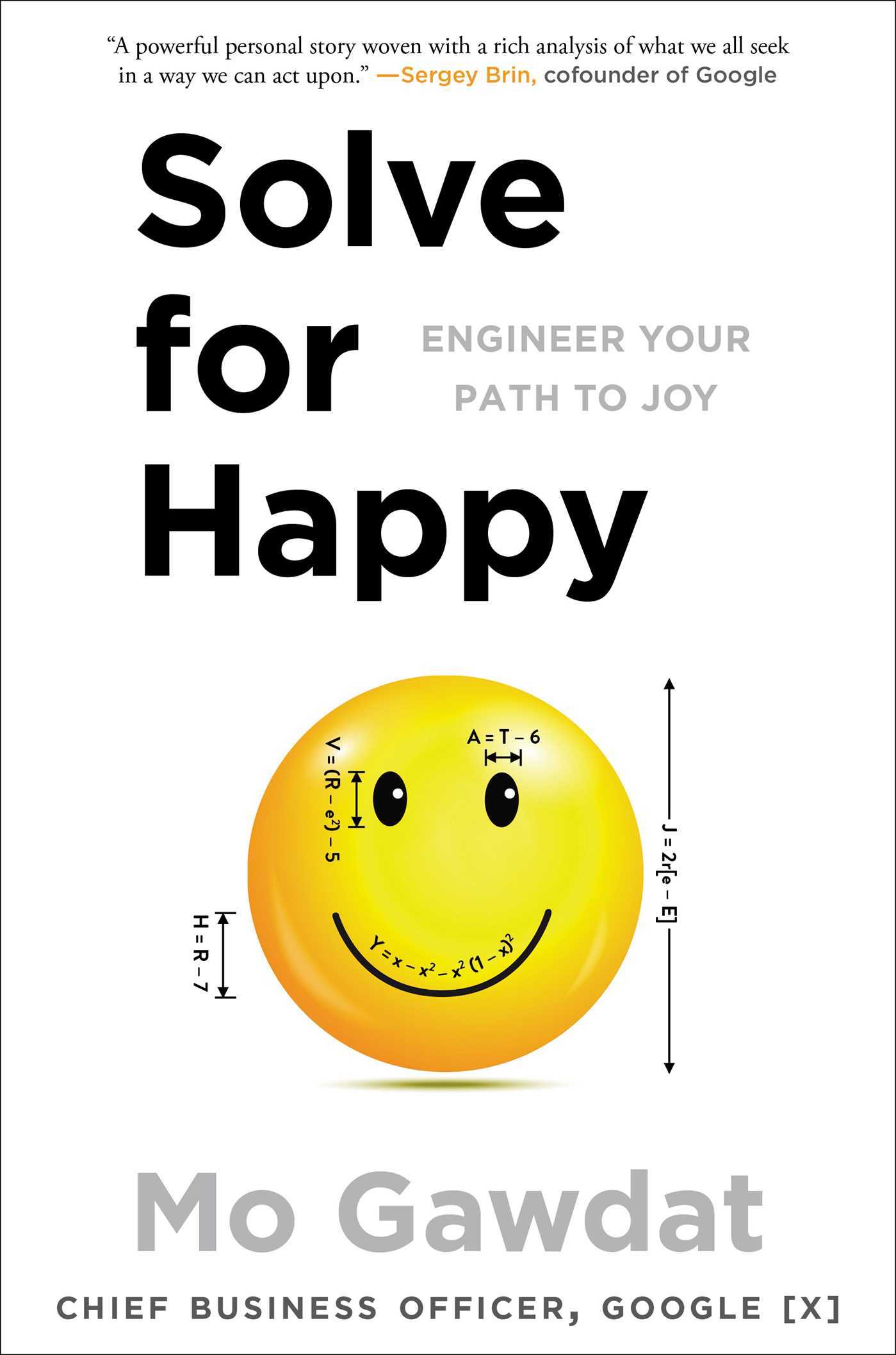
Engineer Your Path to Joy
“Mo explains to me his influential equation for happiness... Firm favourite.”
— Steven Bartlett
Source: The Diary of a CEO Podcast
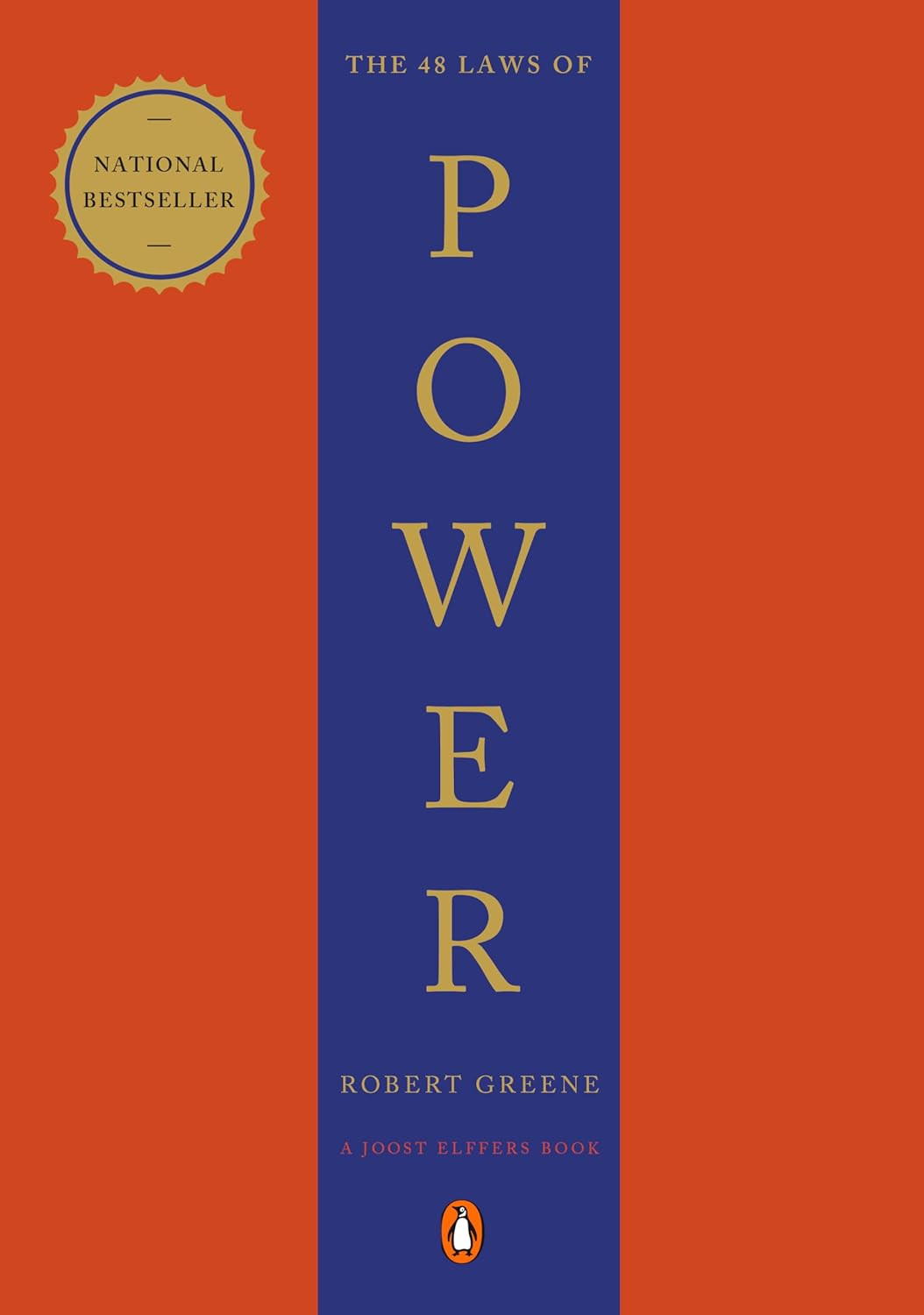
Read by Jay-Z, Ryan Holiday, Steven Bartlett and 4 others
“Understanding these laws—and putting them into practice—will increase your power.”
— Steven Bartlett
Source: The Diary of a CEO: The 33 Laws of Business and Life
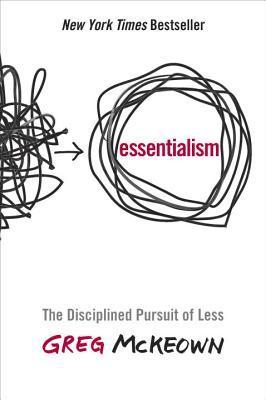
Read by Changpeng Zhao, Chris Williamson, Steven Bartlett and 4 others
The Disciplined Pursuit of Less
“One standout book that truly resonated with me.”
— Steven Bartlett
Source: Audible Official Curation
Also recommends books in
His 14 recommendations include The Chimp Paradox by Steve Peters, Lost Connections by Johann Hari, The Slight Edge by Jeff Olson, Atomic Habits by James Clear, and The Psychology of Money by Morgan Housel.
Steve Peters's The Chimp Paradox, which he says "completely changed my life, from my romantic relationships to my relationship with myself." He also calls Morgan Housel's The Psychology of Money "the best finance book I've ever read."
They come from an official Audible curation he assembled, episodes of his podcast The Diary of a CEO, and his own book The Diary of a CEO: The 33 Laws of Business and Life.
Yes, two of his own: The Diary of a CEO: The 33 Laws of Business and Life (2023), which grew out of his podcast, and the earlier Happy Sexy Millionaire (2021), a reflection on ambition and fulfilment.
Yes. He points to Matthew Walker's Why We Sleep on the foundations of sleep, James Nestor's Breath, and Jessie Inchauspé's The Glucose Goddess Method, which he says "completely altered the way I look at sugar, energy and our health."