Read by Wong Kar Wai
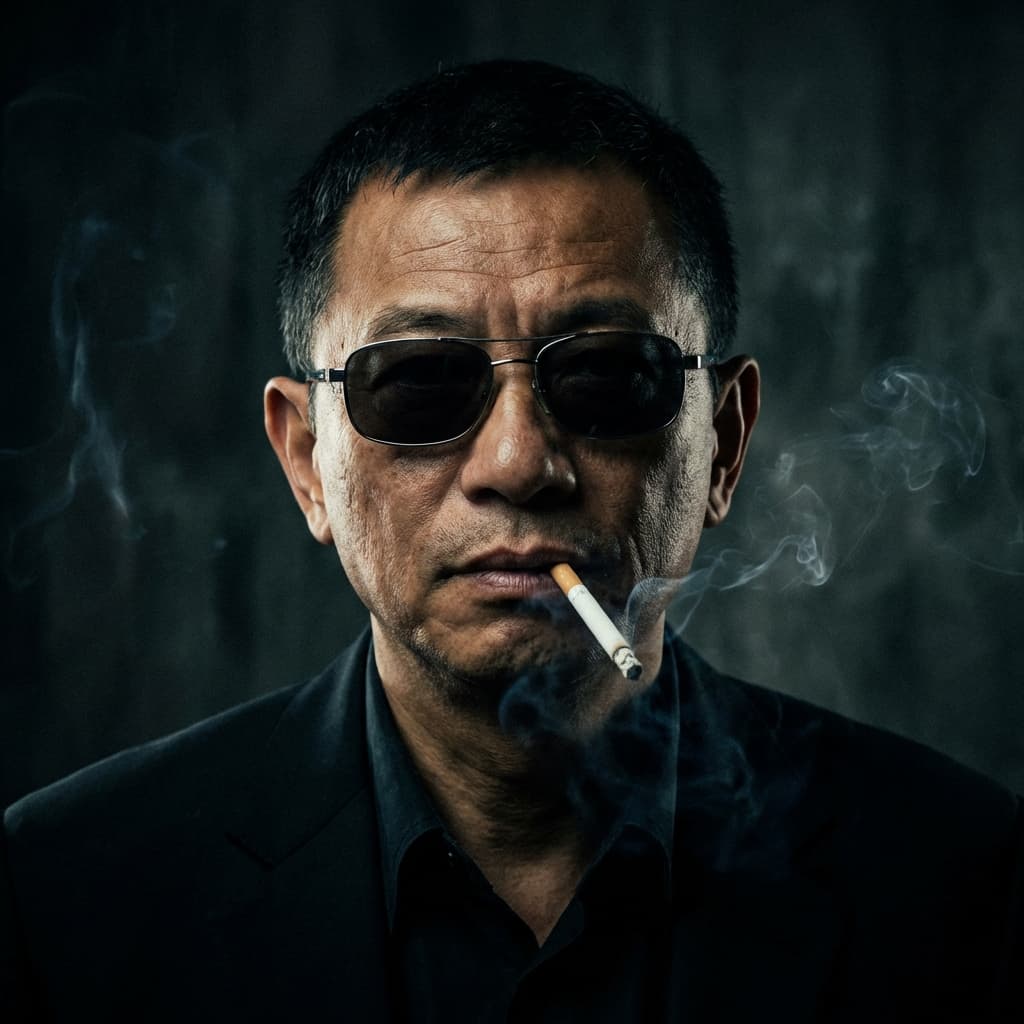
The Wong Kar Wai book recommendations here belong to the Cannes-winning Hong Kong filmmaker behind In the Mood for Love, whose atmospheric cinema and fragmented narratives often echo the novels he loves. Sixteen titles are drawn from interview collections such as WKW: The Cinema of Wong Kar Wai and Wong Kar Wai: Interviews, plus conversations tied to specific films. Fiction and literature dominate, with strands of psychology, philosophy and history. His signature pick is Manuel Puig's Heartbreak Tango, whose non-chronological structure he compares to pieces of a jigsaw puzzle, a technique that shaped his own storytelling. He credits Julio Cortázar's Hopscotch as the source of a structural technique in In the Mood for Love, and calls Yasunari Kawabata his favorite Japanese writer. Wong also authored one book here, the interview-and-image volume WKW: The Cinema of Wong Kar Wai.
Last updated January 2026 · Every recommendation cited to its original source.
Read by Wong Kar Wai
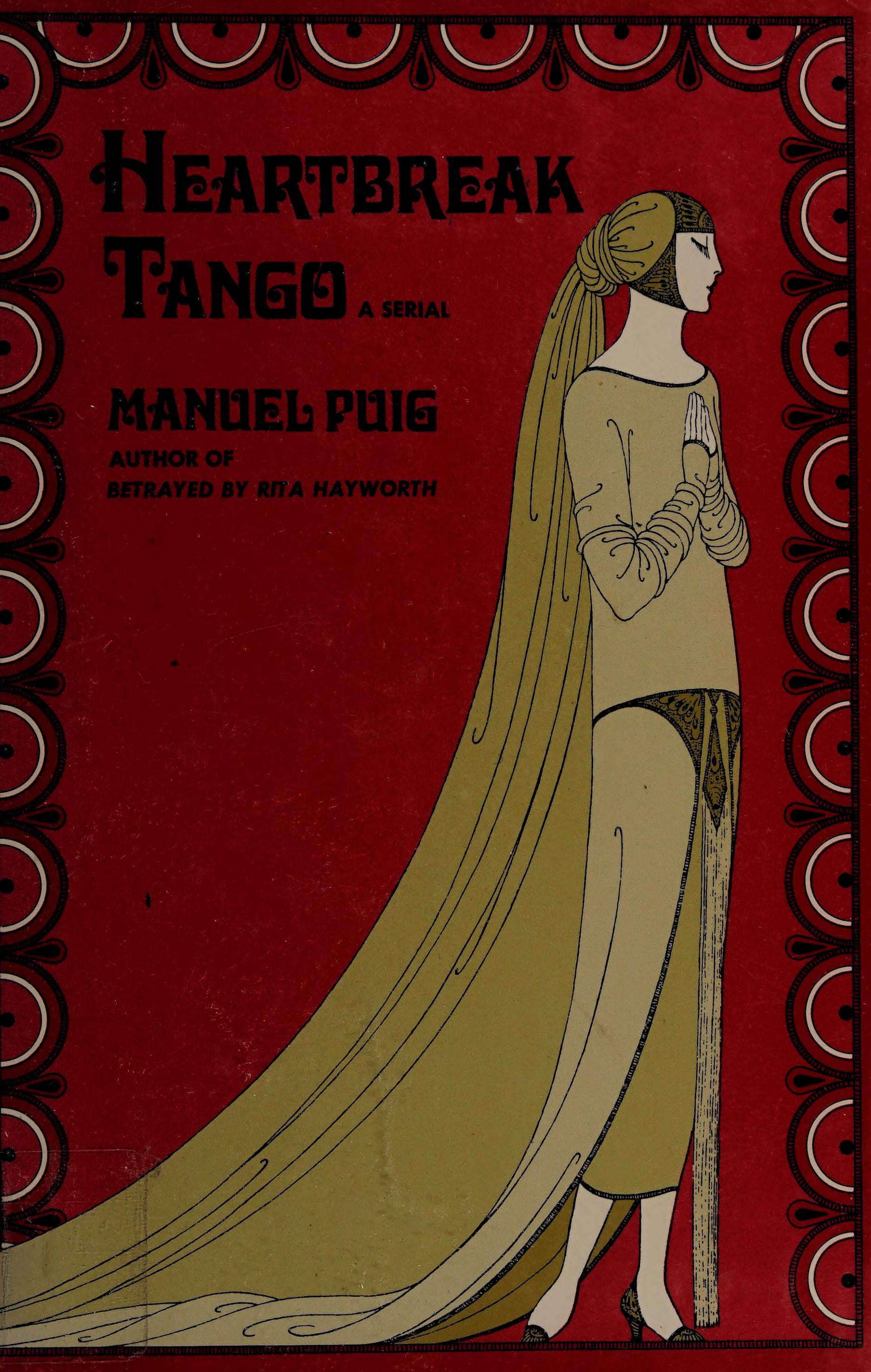
A Serial
“In Heartbreak Tango, Puig tells the stories through different characters' point of view, and it's not in chronological order. They may seem random, but they're like pieces of a jigsaw puzzle.”
— Wong Kar Wai
Source: WKW: The Cinema of Wong Kar Wai (Interview with John Powers)
Read by Wong Kar Wai
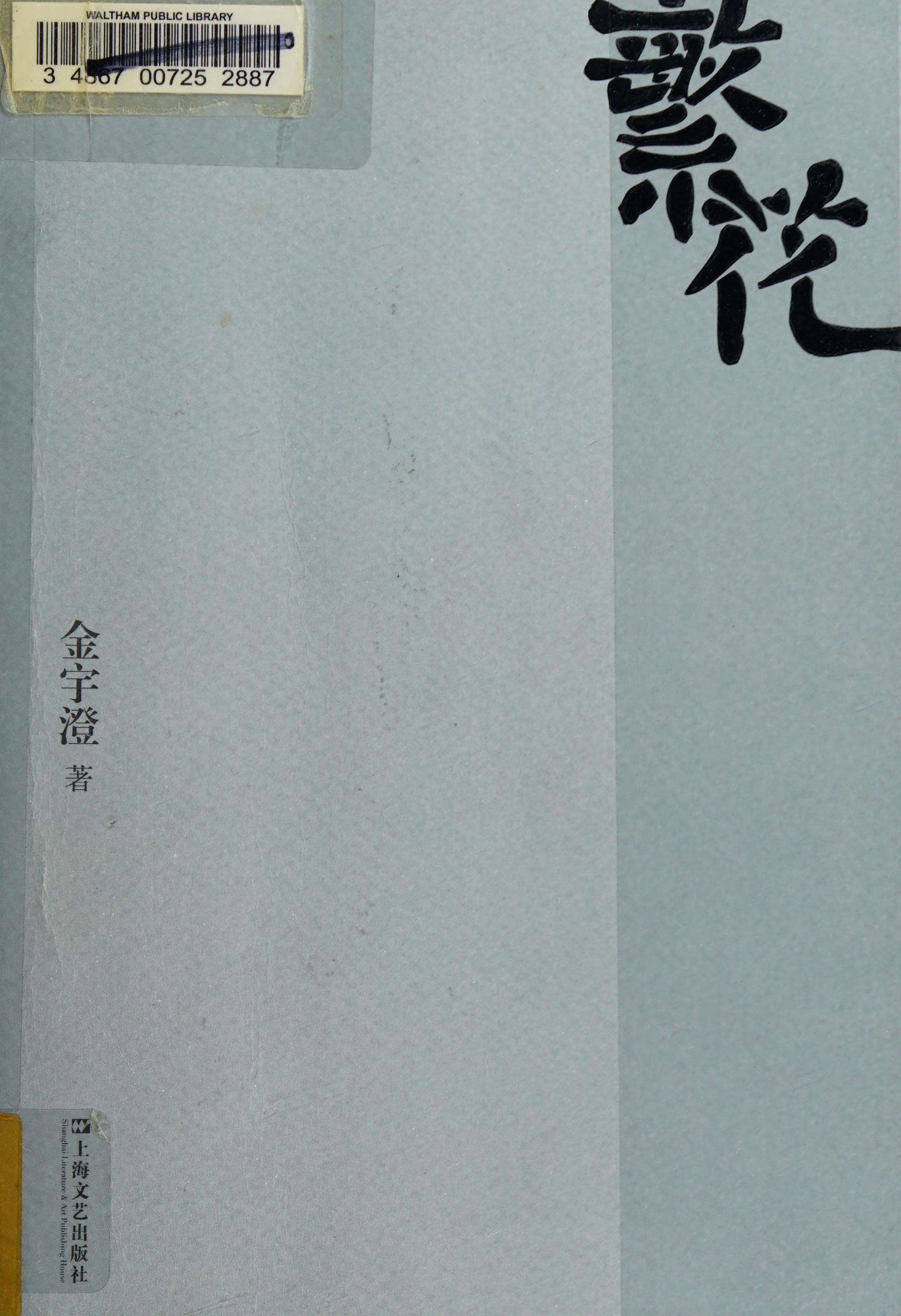
Fan Hua
“This book is the story of my brother and sister.”
— Wong Kar Wai
Source: Sixth Tone / Interview regarding the adaptation of 'Blossoms Shanghai'
Read by Wong Kar Wai
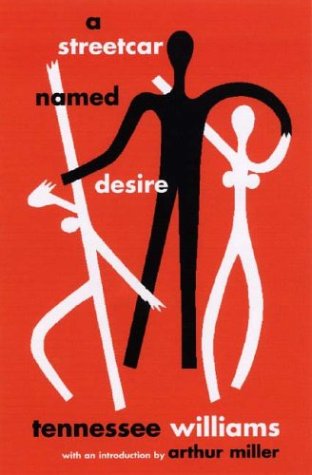
“What I like about Williams is that he is raw. His works can be angry, desperate, but they are never cold. You can feel the heat, the pain, the wisdom. I don't like things crystal clear.”
— Wong Kar Wai
Source: WKW: The Cinema of Wong Kar Wai (Interview with John Powers)
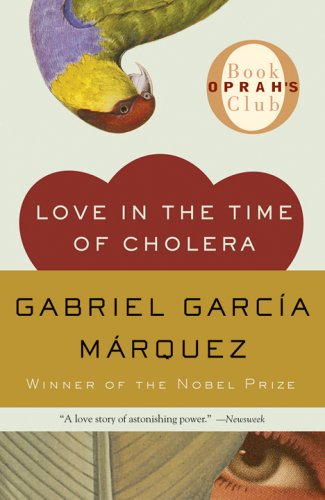
“This book resonates with me immensely. In fact, in real life, I feel like I'm living through many scenes in the book.”
— Wong Kar Wai
Source: Wong Kar Wai: Interviews (edited by Silver Wai-ming Lee)
“The character Yuddy [in Days of Being Wild] was like the cholera—the epidemic that changes the course of the two women's lives.”
— Wong Kar Wai
Source: Moving Image Pinewood Dialogues
Read by Wong Kar Wai
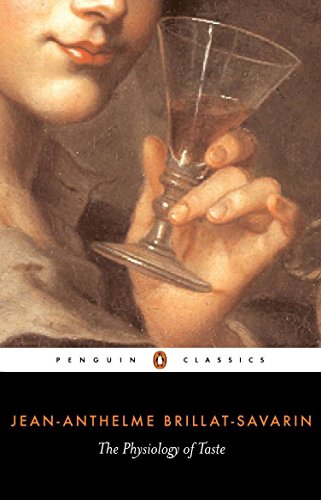
Or, Meditations on Transcendental Gastronomy
“I proposed a triptych as I'd been reading Brillat-Savarin's The Physiology of Taste – 'Tell me what you eat, I'll tell you who you are.'”
— Wong Kar Wai
Source: BFI Sight & Sound interview, May 2025 (Reflecting on In the Mood for Love)
Read by Wong Kar Wai
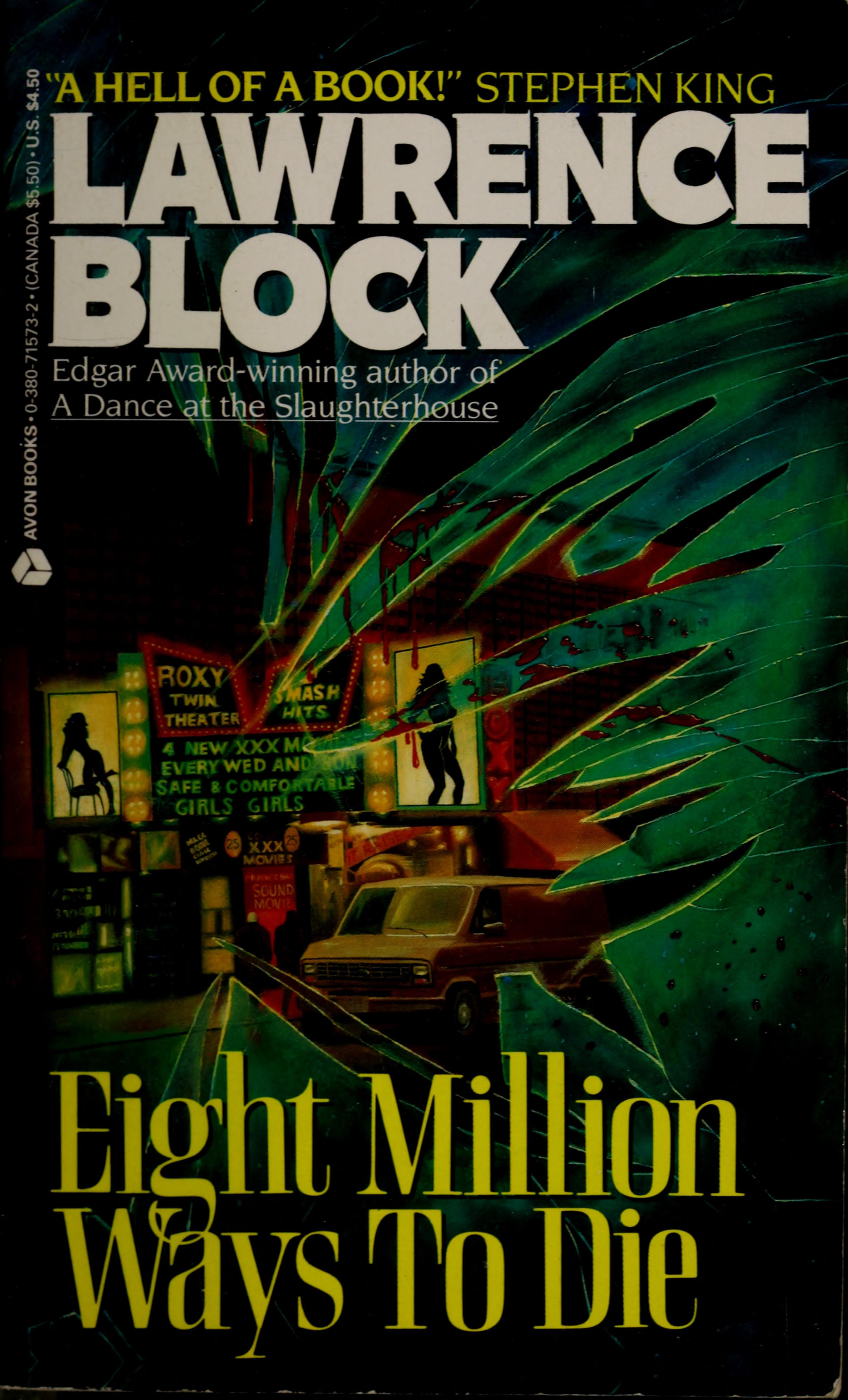
“Tony Leung and the character [Matthew Scudder] possess great similarities.”
— Wong Kar Wai
Source: Interview with Lawrence Block regarding My Blueberry Nights collaboration
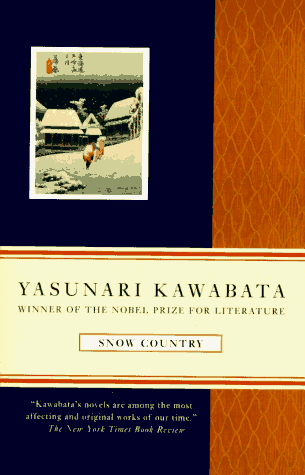
Read by Wong Kar Wai
“Kawabata is my favorite Japanese writer. I want to read specifically 'Snow Country' and 'The House of Sleeping Beauties'...”
— Wong Kar Wai
Source: Wong Kar Wai: Interviews (edited by Silver Wai-ming Lee)
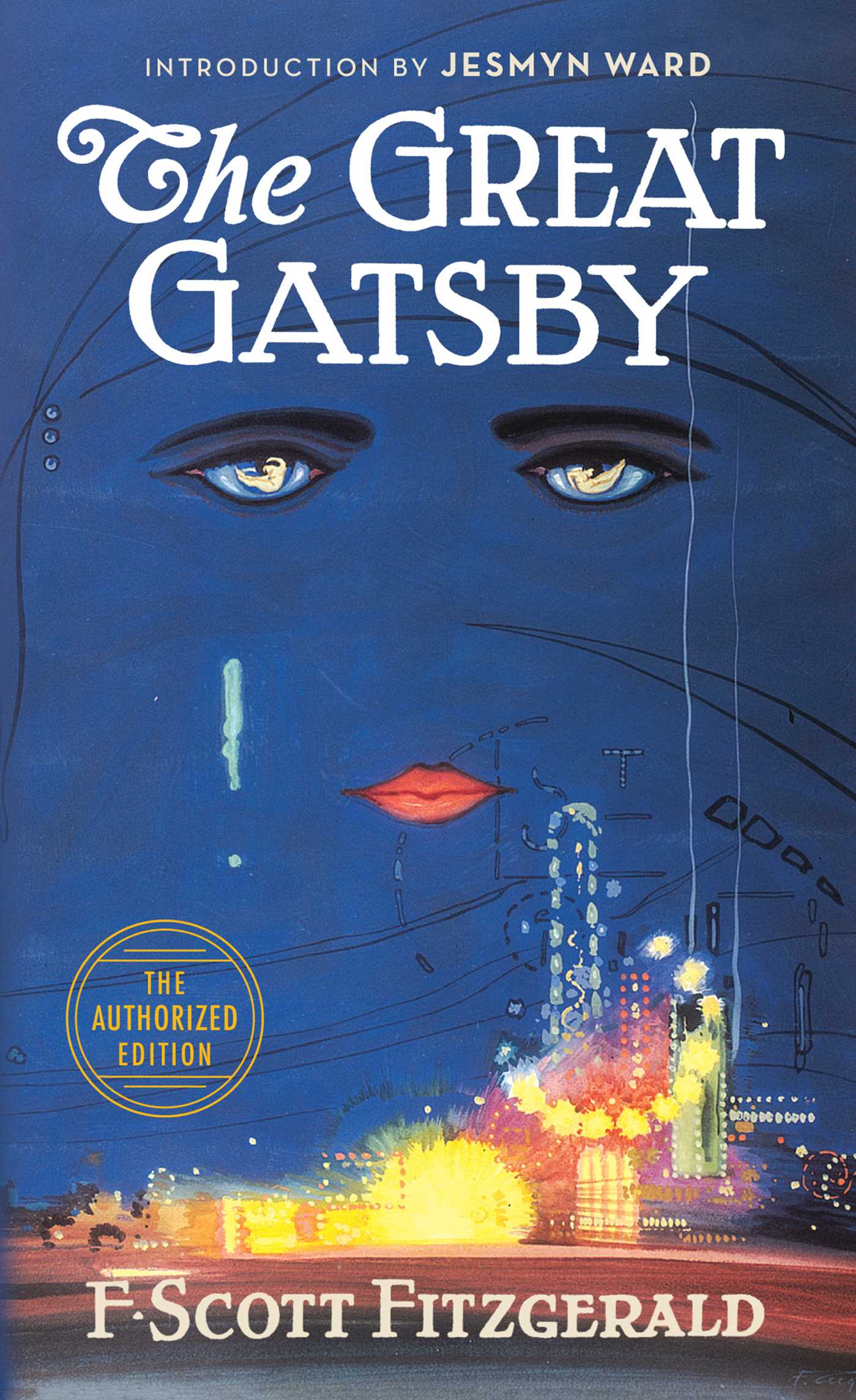
Read by Wong Kar Wai, Neil deGrasse Tyson, Ralph Lauren and 5 others
Source: Cited as a major influence and structural reference for his films by John Powers and critics
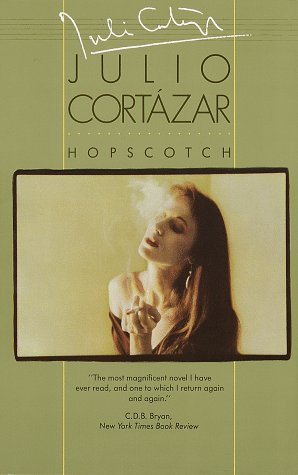
Read by Wong Kar Wai
A Novel
“It's a technique I learned from Julio Cortazar, who always has this kind of structure.”
— Wong Kar Wai
Source: Interview regarding the structure of 'In the Mood for Love'
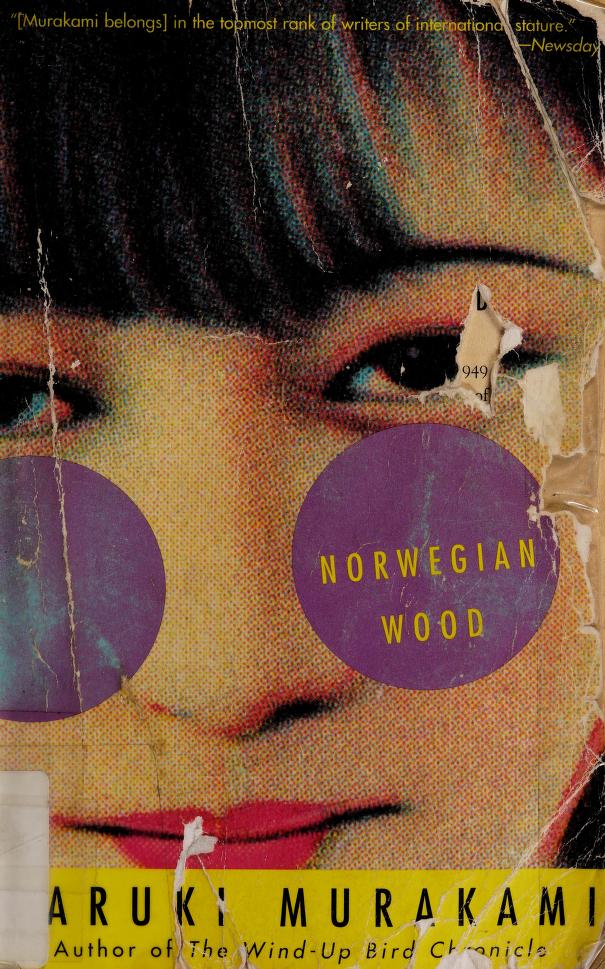
“Haruki Murakami was very popular in Hong Kong then... I thought it would be funny to have voice-overs written in Murakami style.”
— Wong Kar Wai
Source: Wong Kar Wai: Interviews
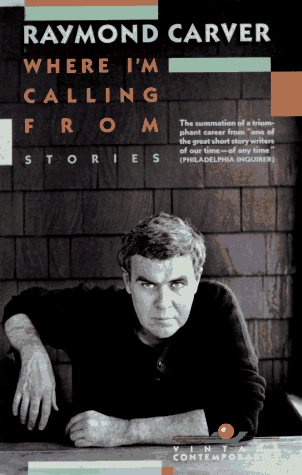
Read by Wong Kar Wai
New and Selected Stories
“Now I'm quite interested in Raymond Carver.”
— Wong Kar Wai
Source: Wong Kar Wai: Interviews
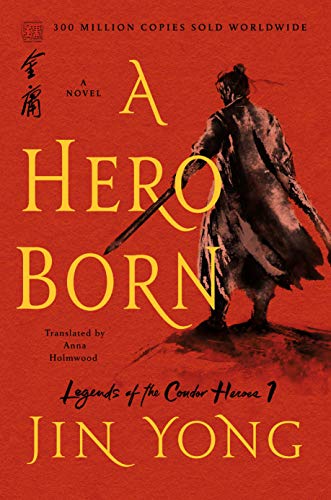
Read by Wong Kar Wai
A Hero Born
“I wanted to take the characters of Jin Yong and imagine their lives before the events of the novel.”
— Wong Kar Wai
Source: Press materials for 'Ashes of Time' (an adaptation/prequel to the novel)
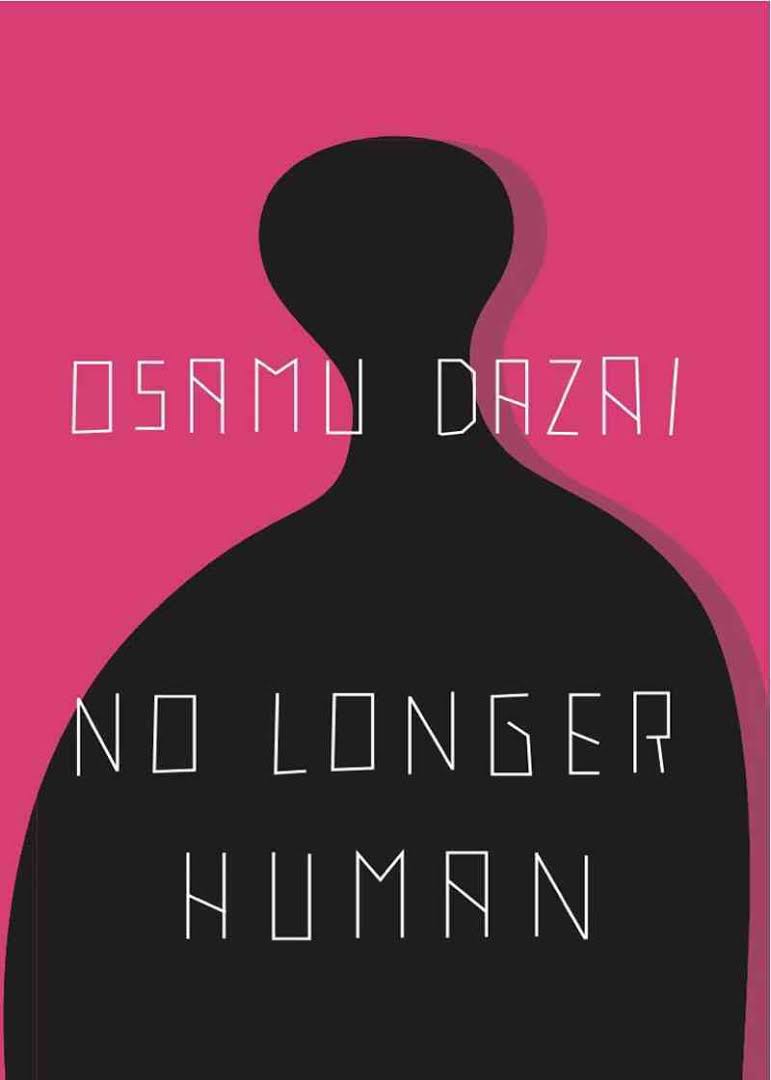
Read by Wong Kar Wai
“I like Dazai a lot.”
— Wong Kar Wai
Source: Wong Kar Wai: Interviews

Read by Wong Kar Wai, Chip Wilson, Steven Spielberg and 1 others
“Beginning with John Steinbeck – 'The Grapes of Wrath', 'Of Mice and Men' – to F. Scott Fitzgerald...”
— Wong Kar Wai
Source: Interview (The Vibes/Paris Film Awards) mentioning study of Steinbeck
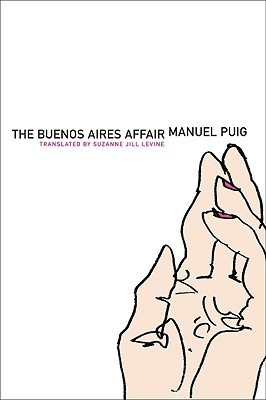
Read by Wong Kar Wai
A Detective Novel
“The film Happy Together's Chinese title shares its name with this Puig novel; it was my tribute to Latin American writers.”
— Wong Kar Wai
Source: Interview explaining the Chinese title of 'Happy Together'
Also recommends books in
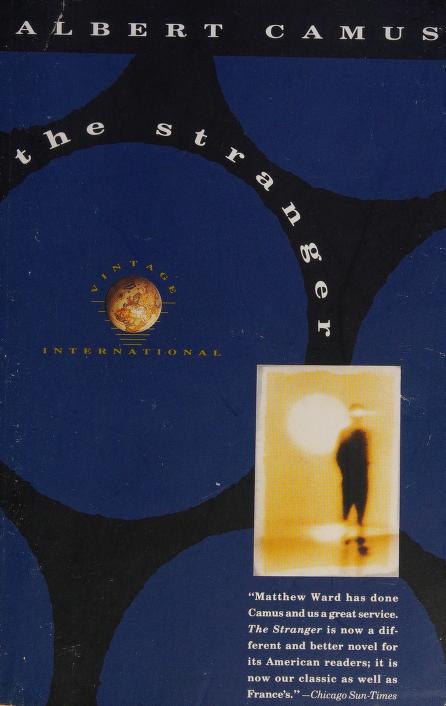
His 16 recommendations include Heartbreak Tango by Manuel Puig, Jin Yucheng's Blossoms, Tennessee Williams's A Streetcar Named Desire, Camus's The Stranger, and Kawabata's Snow Country, drawing on Latin American, European and Japanese fiction that shaped his cinema.
Wong points to Manuel Puig's Heartbreak Tango, praising how Puig tells stories through different characters' points of view and out of chronological order, like pieces of a jigsaw puzzle, an approach that influenced his films.
He credits Julio Cortázar's Hopscotch with a structural technique used in In the Mood for Love, adapted Jin Yong's The Legend of the Condor Heroes into Ashes of Time, and named Happy Together after Puig's The Buenos Aires Affair as a tribute to Latin American writers.
They come from interview collections including WKW: The Cinema of Wong Kar Wai and Wong Kar Wai: Interviews, plus interviews with outlets such as Sixth Tone and BFI Sight & Sound tied to individual films.
Yes. He is credited with WKW: The Cinema of Wong Kar Wai, a 2016 volume built around interviews and imagery that documents his filmmaking, his literary influences, and the atmosphere behind films like In the Mood for Love.