Read by Morgan Housel
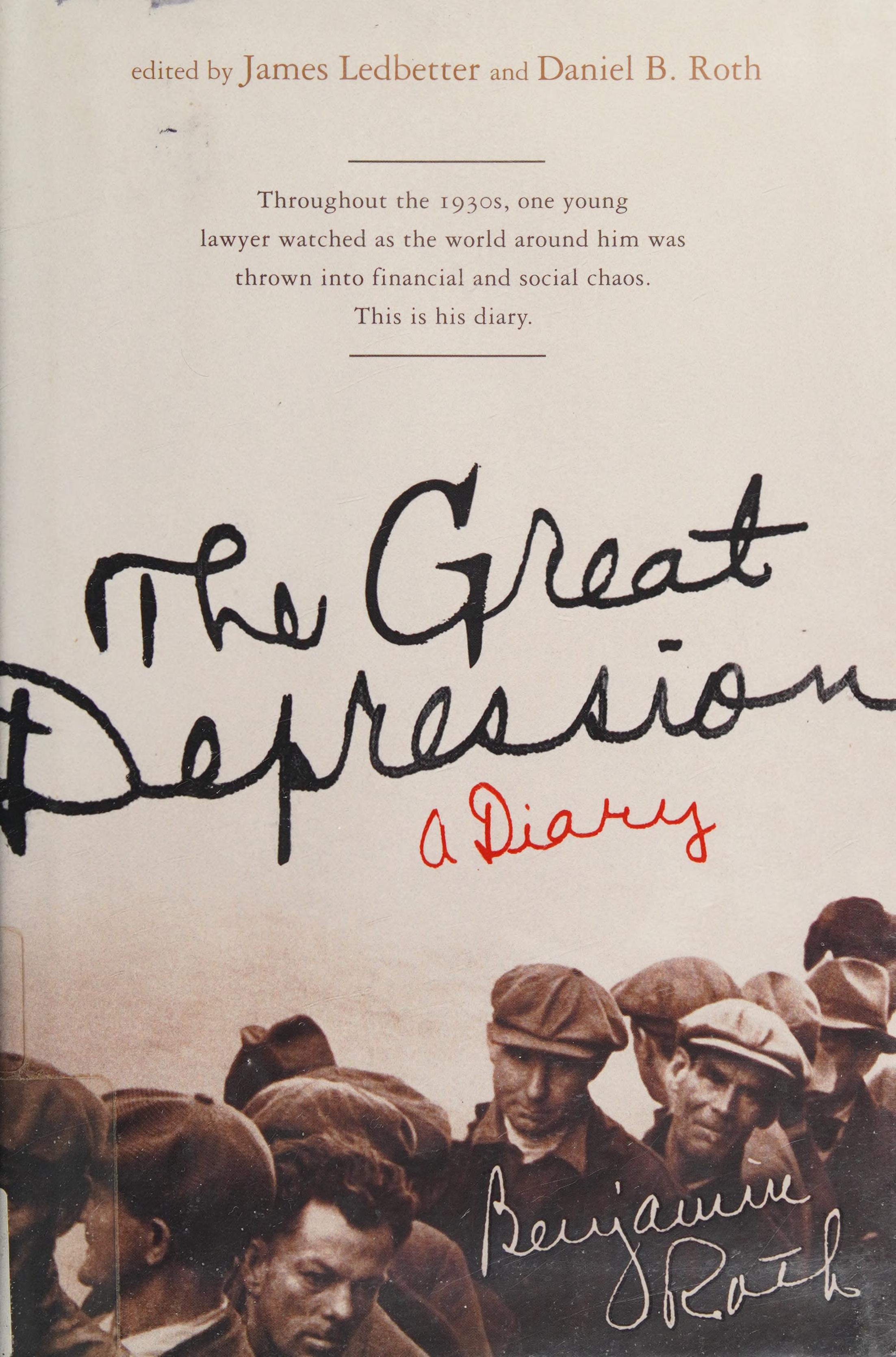
Few writers connect money to behavior as plainly as Morgan Housel, and the book recommendations from the Collaborative Fund partner behind The Psychology of Money read like a case for behavior over intelligence. His picks, 30 in all, are curated from his own reading essays for the Collaborative Fund, including the widely shared list of 23 Books That Changed My Life. The selections lean into history, biography and memoir, and psychology, prizing narrative accounts of human behavior over conventional finance texts. His top pick is Benjamin Roth's The Great Depression: A Diary, which Housel calls the best economics book he has read, written by a person who didn't know he was writing one. The list gathers other overlooked treasures too, from William Dawson's 1907 The Quest of the Simple Life, which he says totally changed how he thinks about personal finance and life goals, to Steven Pressfield's Nobody Wants to Read Your Sh*t, which he credits with the biggest influence on how he writes.
Last updated March 2026 · Every recommendation cited to its original source.
Read by Morgan Housel
Notes from the 1930s
“The best economics book I've read, written by a person who didn't know he was writing one.”
— Morgan Housel
Source: Collaborative Fund, '23 Books That Changed My Life'
Read by Morgan Housel
“Written in 1907, totally changed how I think about personal finance and life goals.”
— Morgan Housel
Source: Collaborative Fund, '23 Books That Changed My Life'
Read by Morgan Housel
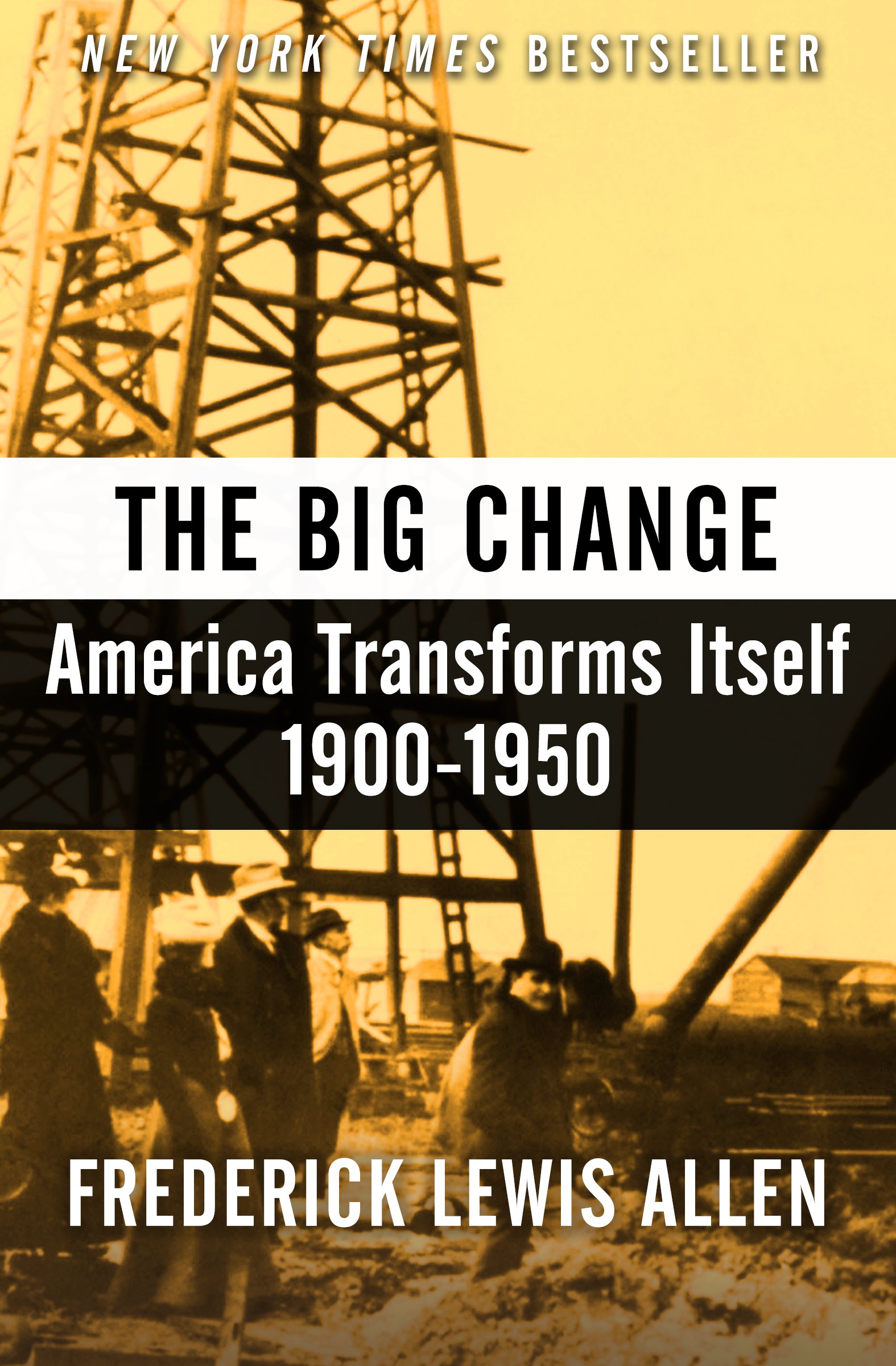
America Transforms Itself, 1900–1950
“A look at how life in America changed from 1900-1950, got me interested in the social and cultural part of economic growth.”
— Morgan Housel
Source: Collaborative Fund, '23 Books That Changed My Life'
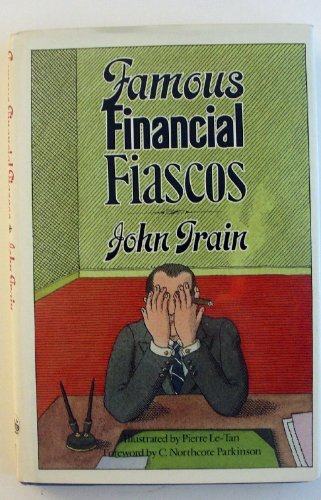
Read by Morgan Housel
“One of the best investing history books that few people have heard of.”
— Morgan Housel
Source: Collaborative Fund, '23 Books That Changed My Life'
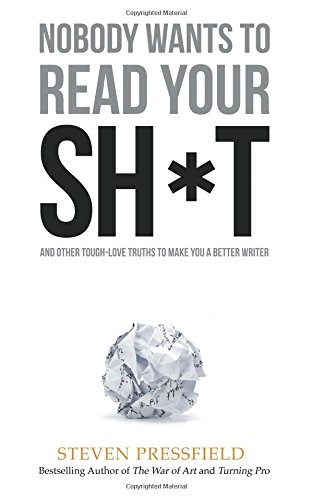
Read by Morgan Housel
Why That Is And What You Can Do About It
“Had the biggest influence on how I write.”
— Morgan Housel
Source: Collaborative Fund, '23 Books That Changed My Life'
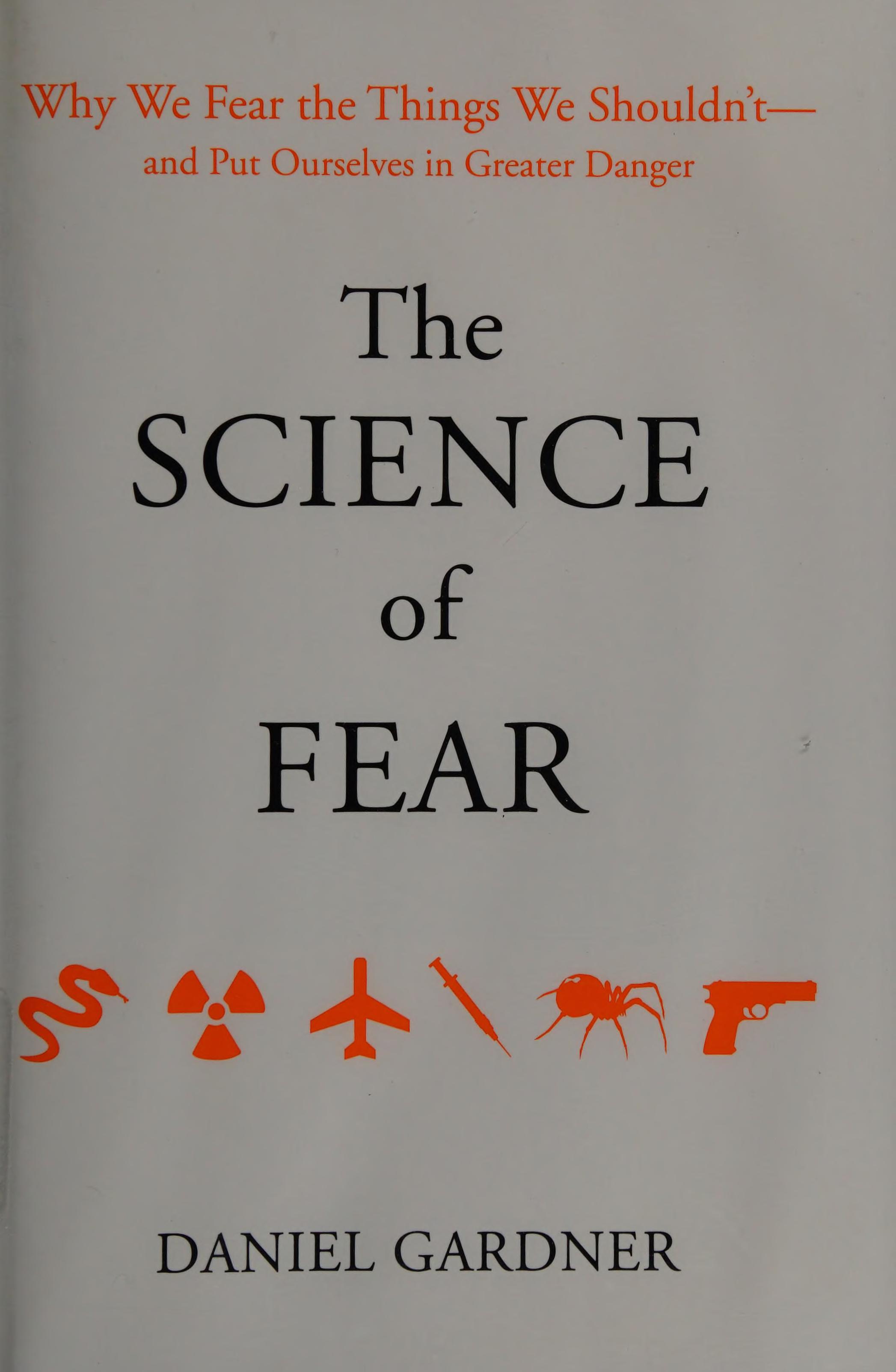
Read by Morgan Housel
Why We Fear the Things We Shouldn't--and Put Ourselves in Greater Danger
“The first book that opened my eyes to how poor we are at interpreting risk.”
— Morgan Housel
Source: Collaborative Fund, '23 Books That Changed My Life'
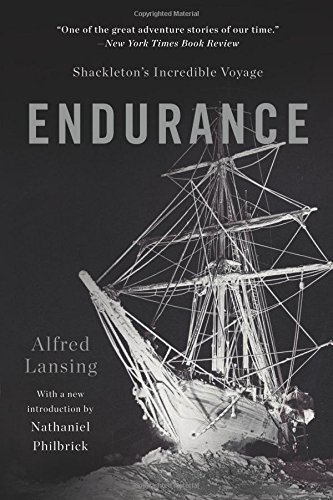
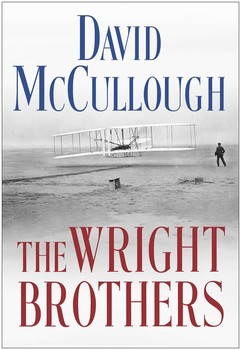
Read by Sam Altman, Ray Dalio, Ryan Holiday and 4 others
“The best example of how far people can be pushed when the stakes are high.”
— Morgan Housel
Source: Collaborative Fund, '23 Books That Changed My Life'
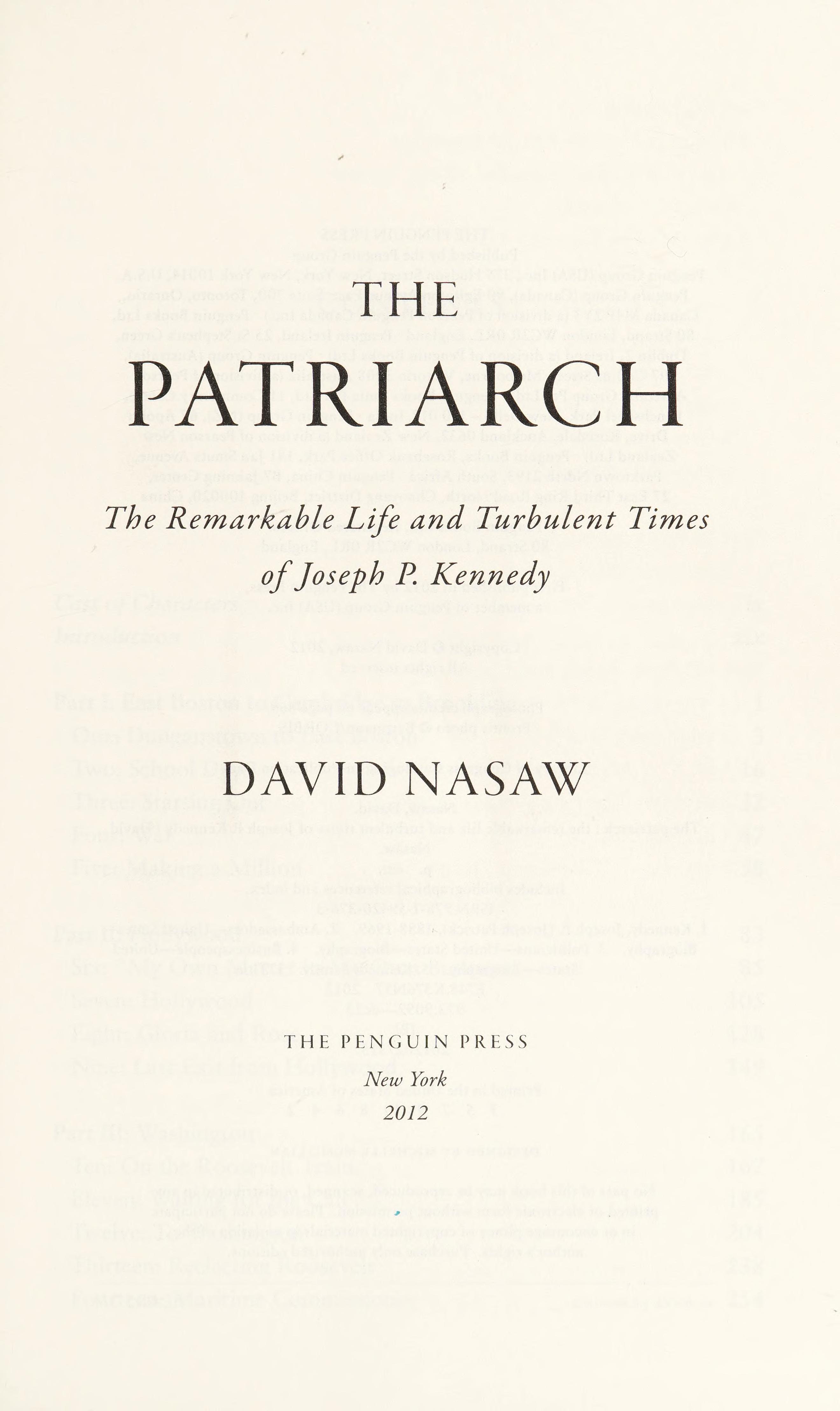
Read by Morgan Housel
The Remarkable Life and Turbulent Times of Joseph P. Kennedy
“A biography of Joseph Kennedy, shows Kennedy to be one of the most fascinating people in American history even if his son had never became president.”
— Morgan Housel
Source: Collaborative Fund, '23 Books That Changed My Life'
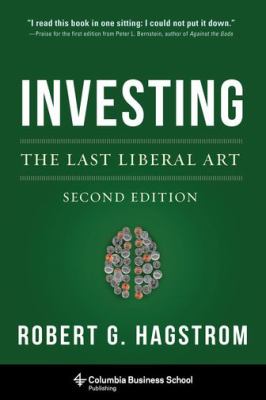
Read by Morgan Housel
“The most underappreciated investment book.”
— Morgan Housel
Source: Collaborative Fund, '23 Books That Changed My Life'
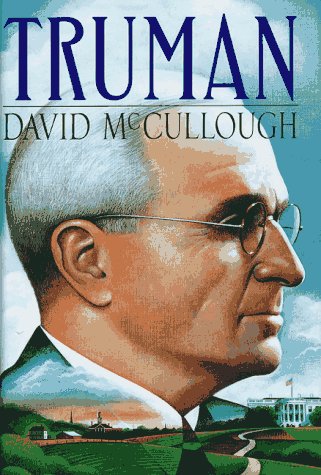
Read by Morgan Housel
“A biography of the 33rd president, is an incredible story of the world's biggest problems falling into the lap of someone who never thought he'd face them.”
— Morgan Housel
Source: Collaborative Fund, '23 Books That Changed My Life'
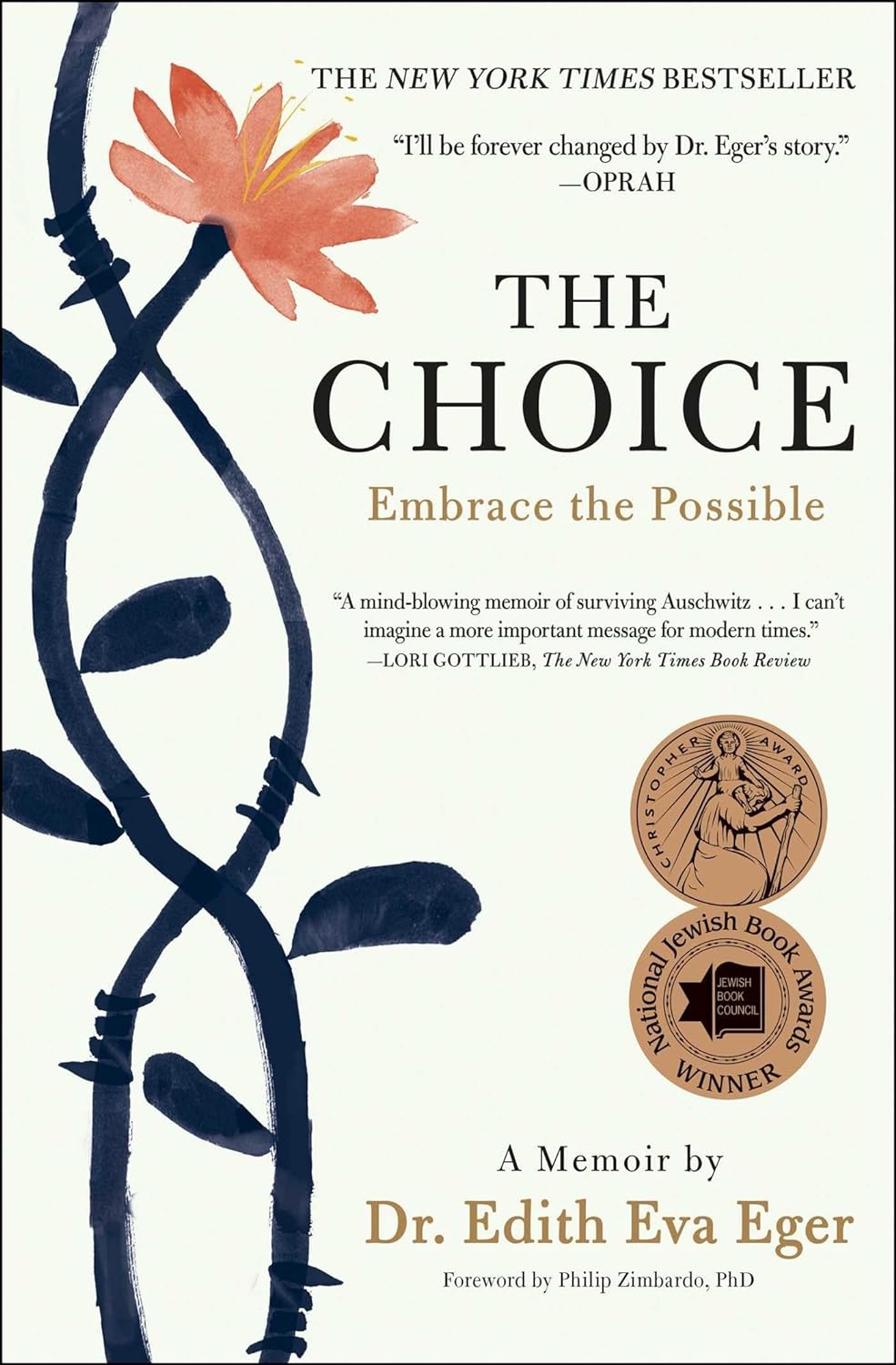
Escaping the Past and Embracing the Possible
“Maybe the best book I've read in years. Just epic writing and storytelling, hard to put down.”
— Morgan Housel
Source: Collaborative Fund, 'A Few Good Books'
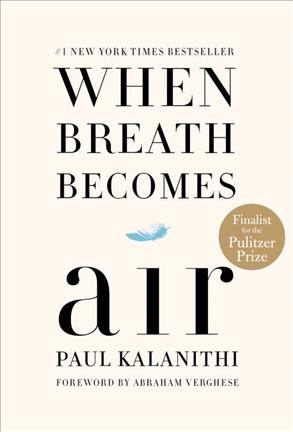
Read by Tim Cook, Eric Topol, Fei-Fei Li and 2 others
“Will make you reexamine what's important in life and make you appreciate each day you're here.”
— Morgan Housel
Source: Collaborative Fund, '23 Books That Changed My Life'
Read by Morgan Housel
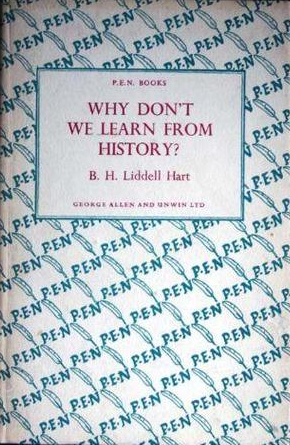
“Shows why people keep screwing up after others before them did the same thing.”
— Morgan Housel
Source: Collaborative Fund, '23 Books That Changed My Life'
“One of the best business and innovation stories of all time.”
— Morgan Housel
Source: Collaborative Fund, '23 Books That Changed My Life'
“An excellent story on brute-force learning, focus, and bureaucracy.”
— Morgan Housel
Source: Collaborative Fund, '23 Books That Changed My Life'
Read by Morgan Housel
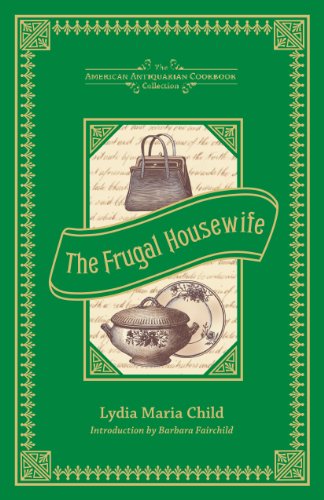
Dedicated to those who are not ashamed of economy
“Written in 1833, shows how primitive everyday life was not that long ago.”
— Morgan Housel
Source: Collaborative Fund, '23 Books That Changed My Life'
Read by Morgan Housel
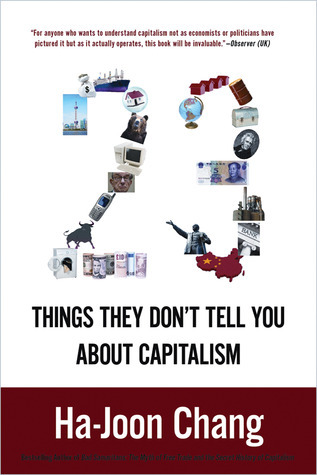
“Will make half of readers angry, but the other half will be better able to realize that no system for organizing an economy is perfect.”
— Morgan Housel
Source: Collaborative Fund, '23 Books That Changed My Life'
Read by Morgan Housel
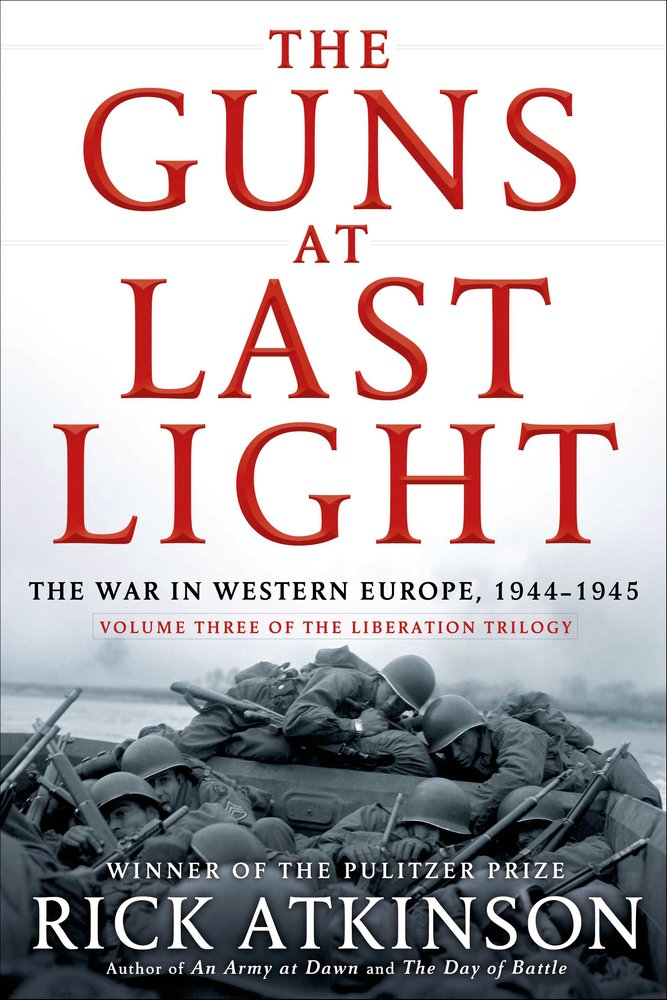
The War in Western Europe, 1944-1945
“The best World War II book I've read, and explains the most important event in modern history through human stories rather than bland statistics.”
— Morgan Housel
Source: Collaborative Fund, '23 Books That Changed My Life'
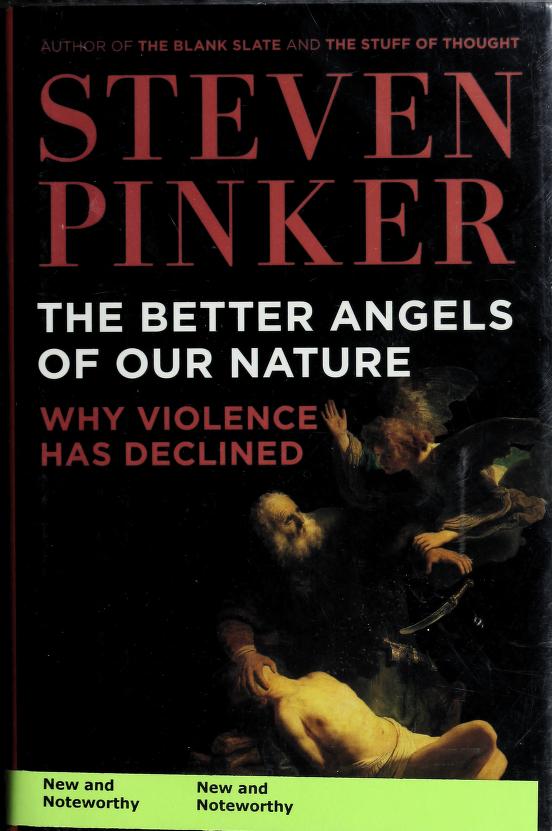
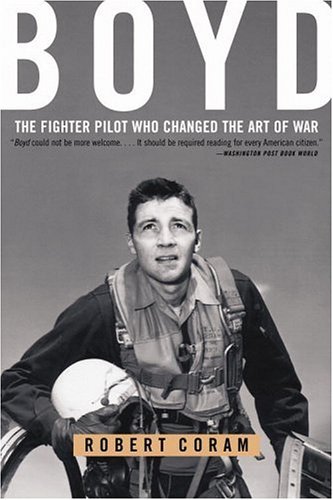
Read by Bill Gates, Mark Zuckerberg, Mark Manson and 4 others
Why Violence Has Declined
“Taught me that you can be a long-term optimist even when things around you look pretty bad.”
— Morgan Housel
Source: Collaborative Fund, '23 Books That Changed My Life'
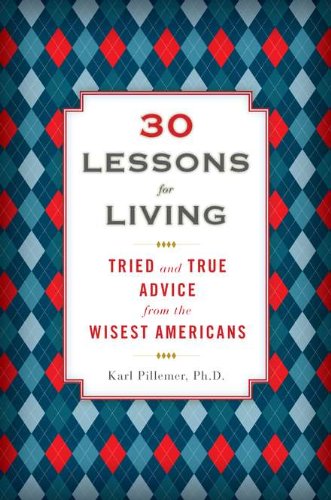
Read by Morgan Housel
Tried and True Advice from the Wisest Americans
“A collection of life advice from very old people who have seen it all.”
— Morgan Housel
Source: Collaborative Fund, '23 Books That Changed My Life'
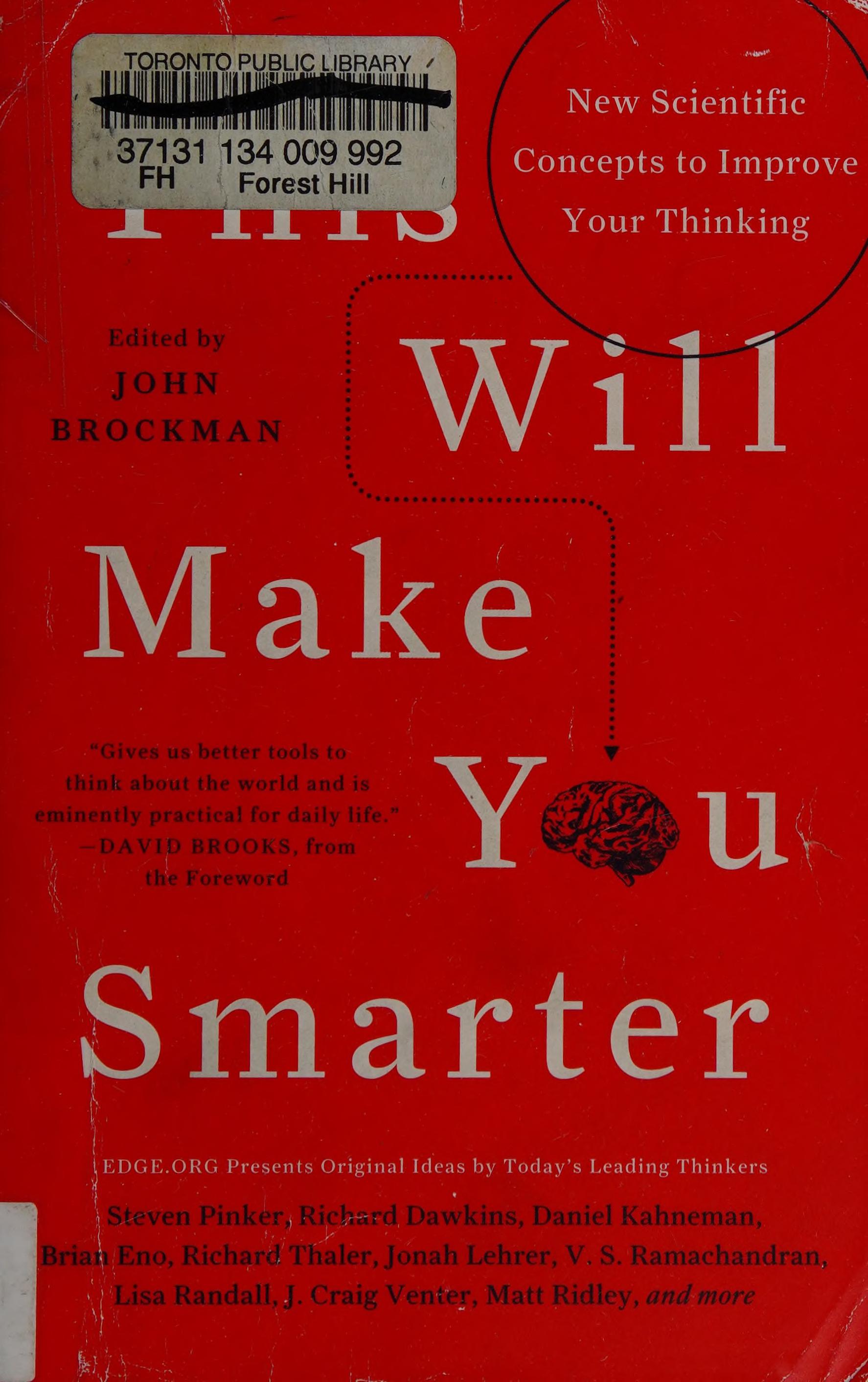
Read by Morgan Housel
New Scientific Concepts to Improve Your Thinking
“A series of short essays by brilliant people in a book that lives up to its title.”
— Morgan Housel
Source: Collaborative Fund, '23 Books That Changed My Life'
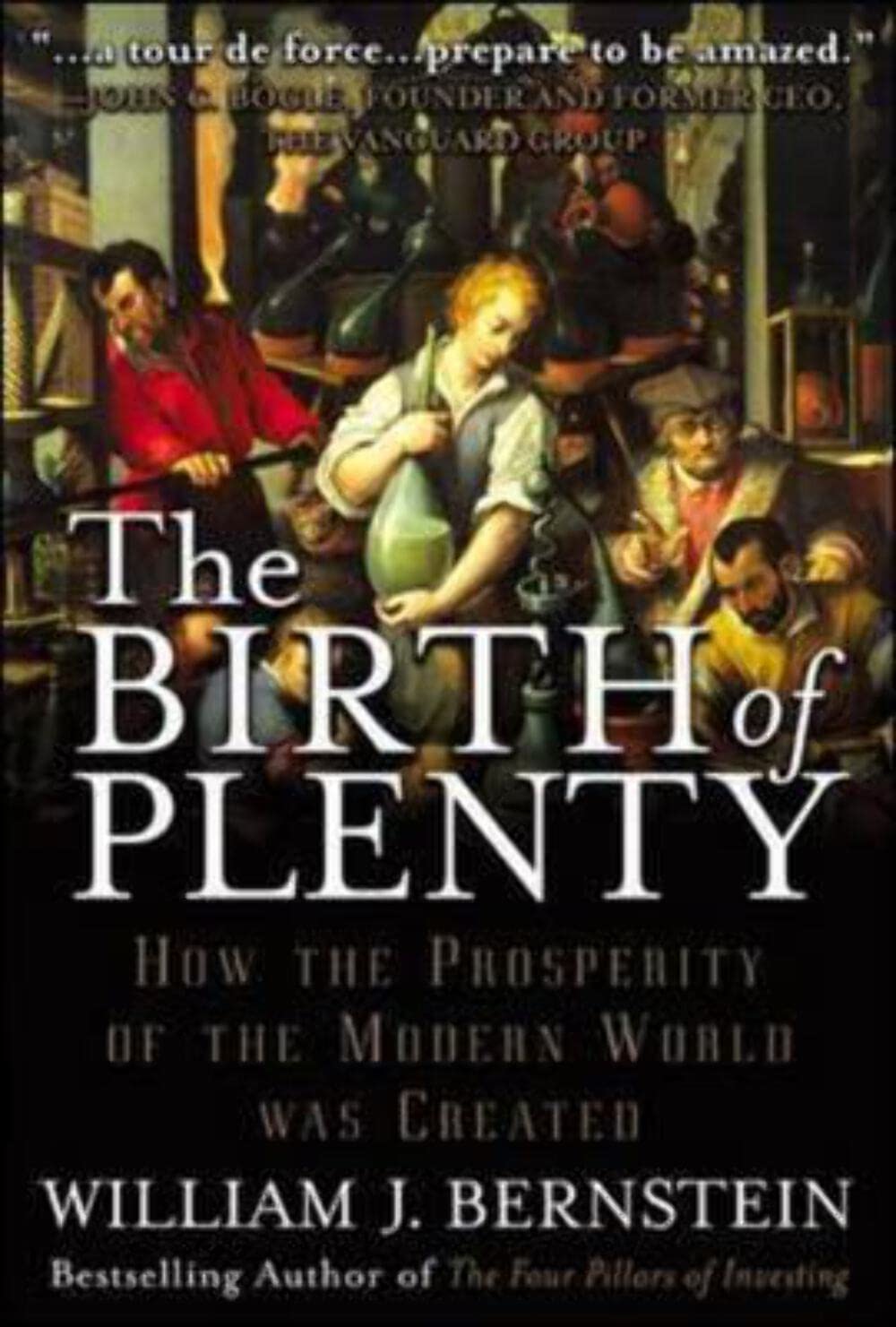
Read by Morgan Housel
How the Prosperity of the Modern World was Created
“The best explanation of how and why economies grow.”
— Morgan Housel
Source: Collaborative Fund, '23 Books That Changed My Life'
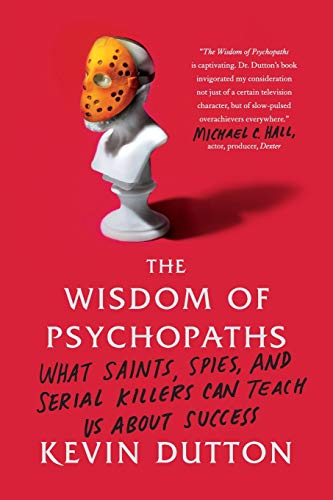
Read by Morgan Housel
What Saints, Spies, and Serial Killers Can Teach Us About Success
“Shows how big an advantage you have when you're unemotional about emotional topics.”
— Morgan Housel
Source: Collaborative Fund, '23 Books That Changed My Life'
“Will make you laugh and be skeptical of almost everything in one sitting.”
— Morgan Housel
Source: Collaborative Fund, '23 Books That Changed My Life'
Also recommends books in
Among his 30 picks are The Great Depression: A Diary by Benjamin Roth, The Quest of the Simple Life by William J. Dawson, The Big Change by Frederick Lewis Allen, Famous Financial Fiascos by John Train, and Nobody Wants to Read Your Sh*t by Steven Pressfield.
His top pick is The Great Depression: A Diary by Benjamin Roth, which he describes as "the best economics book I've read, written by a person who didn't know he was writing one."
They come from his essays for the Collaborative Fund, notably lists titled "23 Books That Changed My Life," "A Few Good Books," and "Good Books," where he reflects on the reads that shaped his thinking on money and history.
Yes. He is the author of three books listed here: the international bestseller The Psychology of Money, on how behavior shapes financial outcomes, Same as Ever, on the things that never change, and The Art of Spending Money.
His recommendations favor history, biography and memoir, and psychology, alongside economics and science, reflecting his belief that financial success is driven more by how you behave than by what you know.